
The best first foods for baby
Ten easy starters, how to serve them, and why iron and allergens belong in the first weeks.
Quick answer
The best first foods for baby, at around 6 months, are soft and rich in iron: meat, egg, fish, lentils or iron-fortified oatmeal, alongside easy vegetables and fruit like avocado, sweet potato, broccoli and banana. There is no required order. Common allergens such as egg and peanut can be part of the first weeks.
- Offer an iron-rich food at most meals; baby’s iron stores run low around 6 months
- Serve every food soft enough to squash between your fingers, as a puree, mash or finger-length strip
- Wait on honey, cow’s milk as a drink and juice until 12 months; no added salt before 12 months and no added sugar before age 2

STEP 1
What makes a good first food
- •Iron-rich. Baby’s iron stores run low around 6 months
- •Soft. Squashes easily between your fingers
- •Easy to hold for finger foods, or smooth to thick for spoon feeding
- •No added salt, sugar or honey
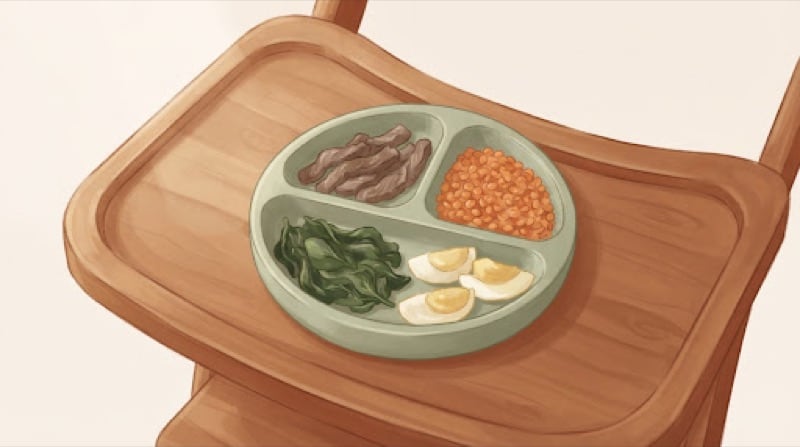
Why iron comes first
Babies are born with iron stores that last about six months. Between 7 and 12 months they need around 11 mg of iron a day, more than an adult man, and breast milk alone supplies very little. That is why pediatricians suggest an iron-rich food at most meals once solids begin.
Iron from meat, poultry and fish (heme iron) is absorbed best. Iron from beans, lentils, tofu and fortified cereal absorbs better when you serve a vitamin C food at the same meal, such as broccoli, tomato, bell pepper, strawberry or kiwi.
Fat and protein matter too
Babies have small stomachs and big energy needs. Foods like avocado, egg, salmon, whole-milk yogurt and nut butters pack a lot of energy and healthy fat into a few bites, which helps brain development.
Is there a right order for first foods?
No. There is no evidence that vegetables must come before fruit, or that rice cereal must be first. Start with whatever suits your family, as long as iron shows up early. Offering bitter vegetables like broccoli and greens often in the first months helps baby accept them later.

STEP 2
10 easy first foods
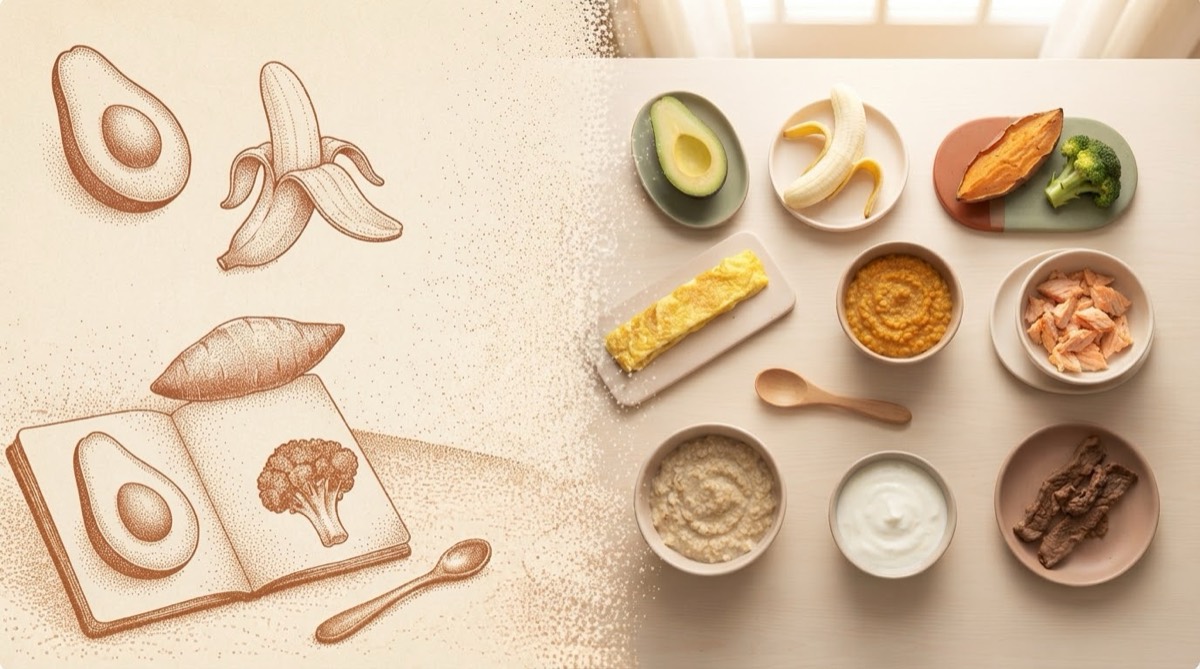
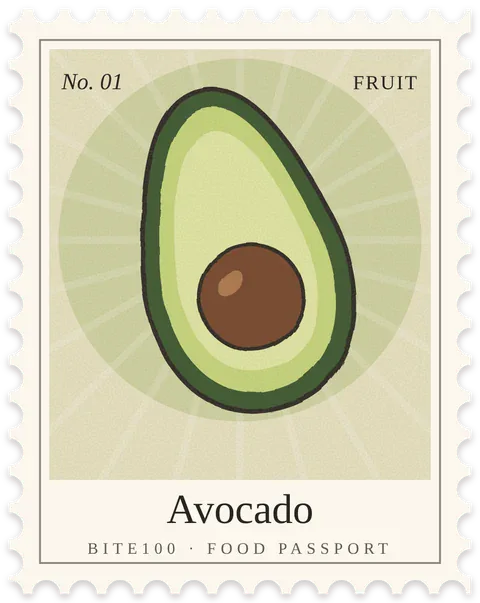
Ripe wedge or mashed
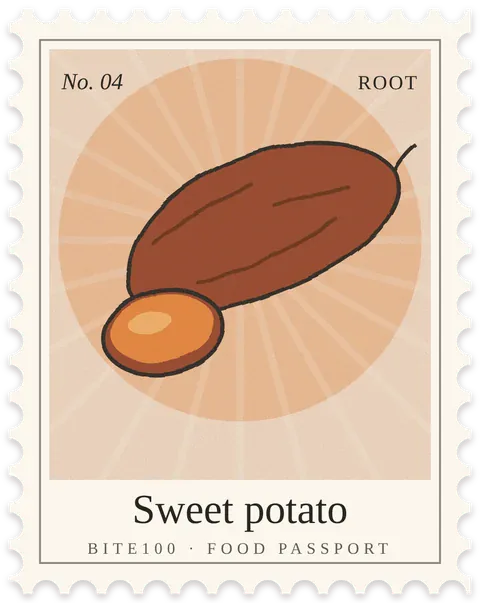
Roasted wedges or mash
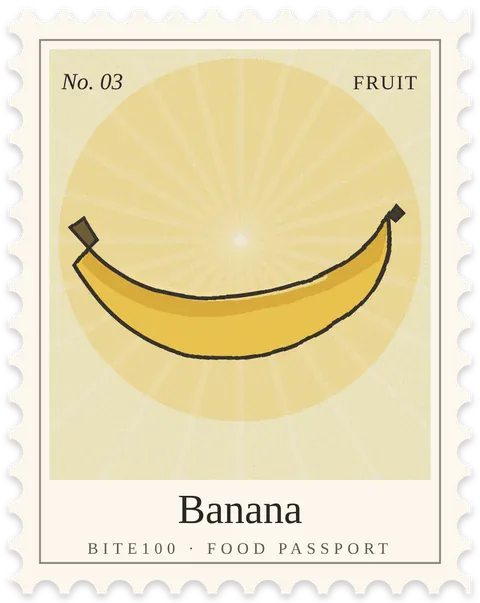
Half, peel as a handle
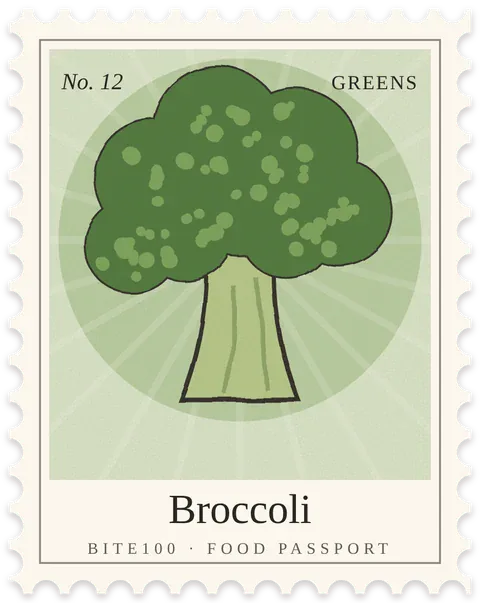
Steamed floret with stalk
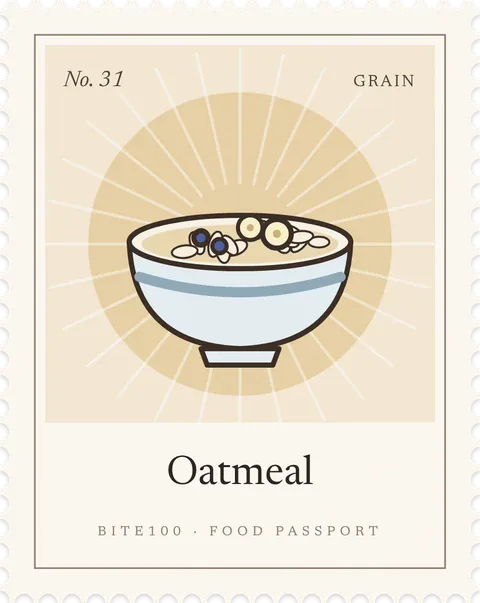
Iron-fortified, thick on a spoon
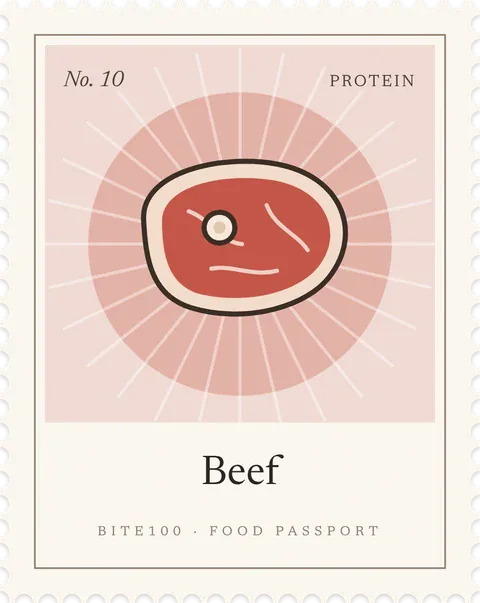
Slow-cooked strips or ground
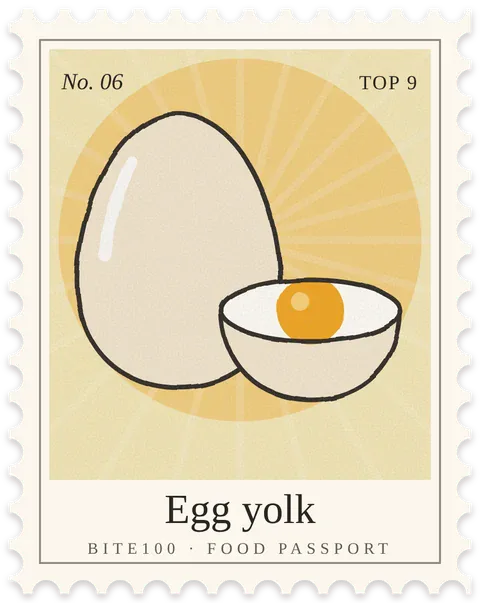
Well-cooked omelet strips
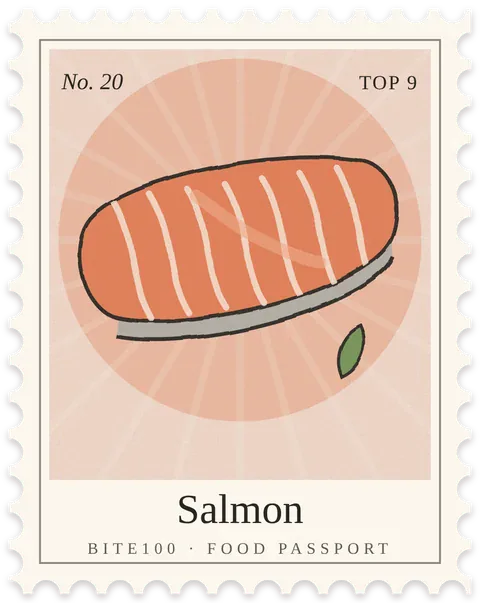
Flaked, bones removed
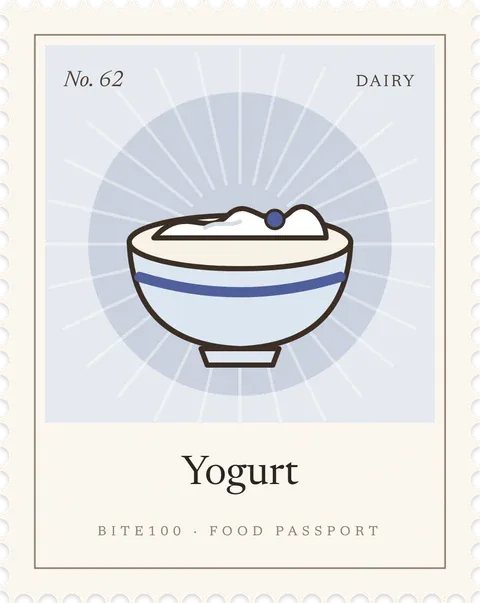
Plain whole-milk
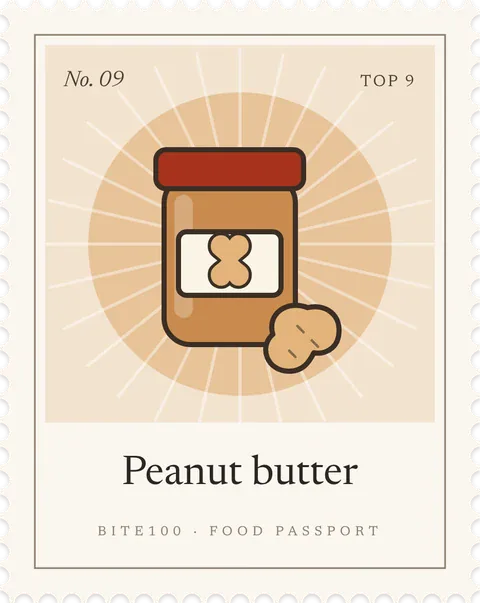
Thinned butter, never a lump
How to serve each first food at 6 months
Every food on this list works for spoon-feeding and for baby-led weaning. Pick the column that fits your approach, or mix both at the same meal.
| Food | As a puree or mash | As a finger food | Why it’s great |
|---|---|---|---|
| Avocado | Mashed smooth with breast milk or formula | Thick ripe wedge, rolled in ground hemp seeds for grip | Healthy fat, energy |
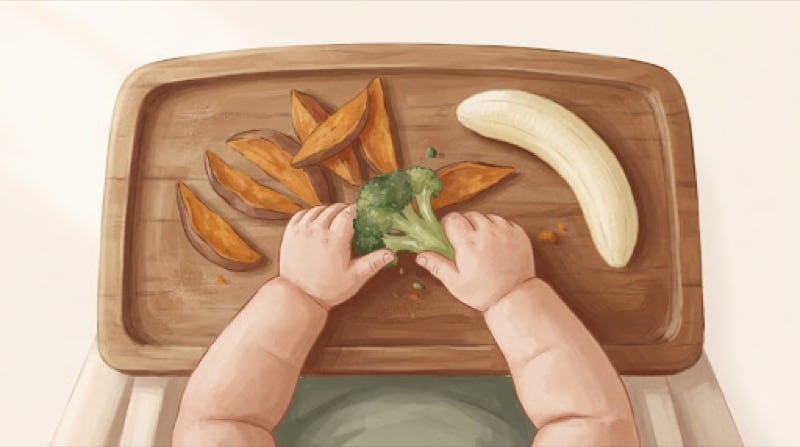
| Sweet potato | Mashed, thinned as needed | Roasted finger-length wedge, skin off | Vitamin A, fiber |
| Banana | Mashed with a fork | Half a banana with the bottom of the peel left on | Easy energy, soft texture |
| Broccoli | Steamed and blended | Large steamed floret with the stalk as a handle | Vitamin C, helps iron absorption |
| Oatmeal | Iron-fortified oat cereal, thick, on a spoon | Preloaded spoon, or soft baked oat fingers | Iron (fortified) |
| Beef | Slow-cooked and blended, or finely ground in a sauce | Large strip of tender slow-cooked beef to gnaw | Heme iron, zinc, protein |
| Egg | Hard-boiled and mashed with yogurt, breast milk or formula | Thin omelet strips, fully cooked | Allergen, choline, protein |
| Salmon | Flaked and mashed into sweet potato | Soft flakes or a mashed salmon patty | Allergen, omega-3 DHA, protein |
| Yogurt | Plain whole-milk yogurt on a spoon | Preloaded spoon handed to baby | Allergen (dairy), calcium, fat |
| Peanut | Smooth peanut butter thinned into oatmeal or yogurt | Thin smear on a toast strip | Allergen, protein |
More great first foods
Once the basics are going, widen the menu: lentils, chicken thigh, tofu, ripe pear, mango, zucchini, carrot (cooked soft), spinach and chickpeas (mashed or as hummus).
How fast should textures change?
Smooth purees are only a starting point. Move to mashed, lumpier textures within a few weeks, and offer soft finger foods by around 8–9 months at the latest. Babies who stay on smooth purees too long can find lumps harder to accept later.
STEP 3
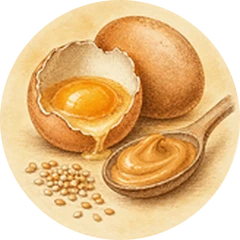
Bring allergens in early
Why early allergen introduction?
Large studies found that babies who ate peanut regularly from infancy were far less likely to develop a peanut allergy than babies who avoided it. Today the AAP and NIAID advise against delaying common allergens. Waiting past 4–6 months does not prevent allergies.
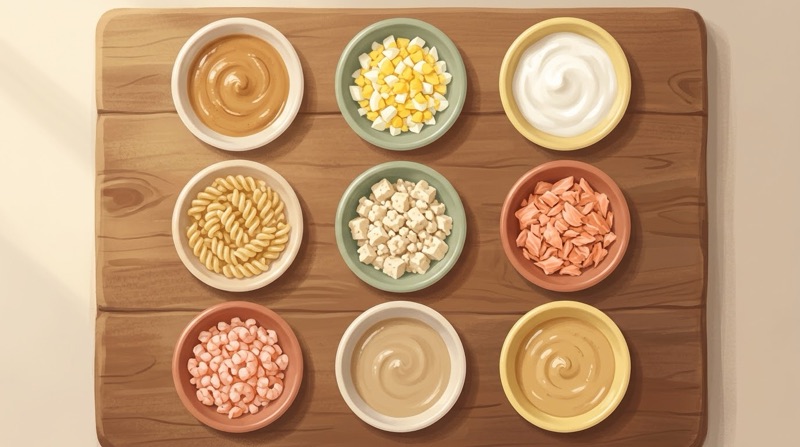
How to serve the Top 9 allergens safely
| Allergen | Easy first way to serve |
|---|---|
| Egg | Hard-boiled and mashed, or omelet strips. Always fully cooked |
| Peanut | Smooth peanut butter or peanut powder thinned into oatmeal, yogurt or puree |
| Milk (dairy) | Plain whole-milk yogurt or soft cheese. Cow’s milk as a drink waits until 12 months |
| Wheat | Toast strips, soft pasta or wheat cereal |
| Soy | Soft or firm tofu, mashed or in strips |
| Fish | Flaked salmon or another low-mercury fish, bones removed |
| Shellfish | Cooked shrimp, finely minced or mashed into a patty |
| Tree nuts | Smooth nut butter thinned, or finely ground nuts stirred into food |
| Sesame | Tahini thinned into yogurt, or spread thin on toast |
Allergen tips that make it easier
- Offer a new allergen early in the day, at home, when baby is healthy, so you can watch for 2 hours afterwards
- Start with a small taste, then offer a bit more at the next meal if all is well
- Once tolerated, keep it in the diet about 2–3 times a week. Dropping it can undo the protection
- Babies with severe eczema or a known egg allergy are at higher risk of peanut allergy. Talk to your pediatrician before introducing peanut, as testing may be suggested

STEP 4
Foods to wait on
Not before 12 months
Serve only when made safe
Why these foods wait
- Honey, raw or baked in, can carry botulism spores. No honey in any form before 12 months
- Cow’s milk as a drink can crowd out iron-rich foods and is hard on young kidneys. Yogurt, cheese and whole cow’s milk in cooking are fine from 6 months
- Juice adds sugar without the fiber. Breast milk or formula, plus sips of water, are the only drinks babies need
- Added sugar is best avoided until age 2, and salt kept low: skip stock cubes, soy sauce and processed meats
- Raw or undercooked egg, meat and fish, and unpasteurized milk or cheese
- High-mercury fish such as shark, swordfish, king mackerel, marlin, orange roughy and bigeye tuna
- Rice drinks, and rice cereal as the only grain. Rotate oats, barley and other grains to limit arsenic
Common choking hazards, made safe
| Food | Make it safe |
|---|---|
| Whole grapes, cherry tomatoes | Quarter lengthwise |
| Blueberries | Smash flat, or quarter |
| Whole nuts | Finely ground, or as a thin nut butter |
| Spoonfuls of nut butter | Thin it into food or spread it thin |
| Raw carrot, raw apple | Steam until soft, or grate finely |
| Cheese cubes | Thin slices or shredded |
| Popcorn, hard candy, hot dog rounds | Skip until at least age 4 (cut hot dogs into thin lengthwise strips) |

STEP 5
A simple first week
- •Start with one meal a day, about an hour after a milk feed
- •Offer one or two foods per meal, and repeat favorites
- •Expect tiny amounts: tastes count
- •Stamp each new food in your passport so you can see the variety grow
Sample first week of solids
One new food a day is a common pace for low-risk foods. Space out new allergens so you can tell what caused a reaction. Many pediatricians suggest a few days between new allergens.
| Day | New food | Serve with |
|---|---|---|
| 1 | Iron-fortified oatmeal | Mixed with breast milk or formula |
| 2 | Avocado | Oatmeal from day 1 |
| 3 | Egg (allergen) | Avocado |
| 4 | Sweet potato | Egg again |
| 5 | Beef | Sweet potato |
| 6 | Broccoli | Beef, egg |
| 7 | Peanut (allergen) | Thinned into oatmeal |
How much should baby eat at first?
Start with a teaspoon or two of puree, or a few minutes of exploring finger foods. Some babies eat a tablespoon by the end of the week; others mostly play. Both are normal. Breast milk or formula still provides most nutrition until about 12 months.
Reading baby’s cues
- Hungry: leans in, opens mouth, reaches for food, gets excited when food appears
- Full: turns away, closes mouth, pushes food away, slows down or starts throwing food
After the first few weeks, most babies move to two meals a day by 7–8 months and three by 9–12 months.
AVOID THESE
Common first-food mistakes
- Only offering fruit and veg. They are great, but they don’t cover iron. Add meat, fish, egg, beans or fortified cereal
- Rice cereal every day. Rotate grains like oats, barley and quinoa to keep arsenic exposure low
- Delaying allergens “to be safe”. Early, regular exposure is what lowers allergy risk
- Introducing an allergen once and stopping. Keep it in the diet a couple of times a week
- Staying on smooth purees too long. Move to mashed and lumpy textures within a few weeks
- Seasoning with salt or sugar. Use herbs, garlic, cinnamon or cumin for flavor instead
- Cereal in a bottle. It is a choking risk and doesn’t help baby sleep
- Judging a food on one try. Babies often need 8 to 15 exposures before they accept a new taste
- Swapping milk feeds for solids too fast. In the first months, solids add to milk rather than replace it
GET HELP
When to call your pediatrician
Call your pediatrician’s office (not an emergency) if:
- A few hives or a rash around the mouth appear after a new food, even if they fade
- Baby vomits a few hours after a food more than once, or seems unwell after a particular food
- Baby has severe eczema or a known egg allergy and you haven’t introduced peanut yet
- Baby refuses all solids for weeks, or still won’t take any lumpy textures by about 9 months
- Baby seems pale, tired or isn’t gaining weight well
- Stools are hard and painful for more than a few days
First foods for baby: questions parents ask
What is the best first food for baby?
There is no single best first food, but an iron-rich one is a smart start. Good options at around 6 months include iron-fortified oatmeal, soft slow-cooked beef, egg, lentils and salmon, alongside easy foods like avocado and sweet potato.
Should baby’s first food be rice cereal?
No. Rice cereal is no longer recommended as the default first food. If you use infant cereal, choose an iron-fortified one and rotate grains like oats, barley and multigrain to keep arsenic exposure low.
Should I start with fruits or vegetables?
Either is fine. There is no evidence that starting with fruit gives baby a sweet tooth. Offering vegetables, including bitter ones like broccoli and greens, often in the first months helps baby learn to like them.
How long should I wait between new foods?
For low-risk foods like vegetables, fruit and grains, many families introduce a new food every day or two. Space out common allergens such as egg, peanut and dairy by a few days each, so you can tell what caused any reaction.
How much should a 6-month-old eat?
At first, only a few teaspoons or a few bites per meal, once a day. Let baby’s cues guide the amount. Breast milk or formula still provides most of baby’s nutrition until about 12 months.
When can baby have egg and peanut?
Egg and peanut can be introduced at around 6 months, once baby has started solids, and not before 4 months. Serve egg fully cooked and peanut thinned, never whole or as a spoonful. If baby has severe eczema or an egg allergy, talk to your pediatrician first.
Can my baby have yogurt or cheese before 12 months?
Yes. Plain whole-milk yogurt and pasteurized cheese are good first foods from around 6 months. Only cow’s milk as a main drink waits until 12 months, because it can crowd out iron-rich foods.
Are purees or finger foods better for first foods?
Both work. Purees, mashes and soft finger foods can all be first foods, and many families mix them. What matters most is safe texture, iron-rich choices and moving to lumpier textures within a few weeks.
Can I add spices to baby’s first foods?
Yes. Mild herbs and spices like cinnamon, cumin, garlic, ginger and dill are a great way to add flavor without salt or sugar. Avoid adding salt, and go gently with very hot spices at first.
Do babies still need breast milk or formula after starting solids?
Yes. Breast milk or formula remains baby’s main source of nutrition until about 12 months. Offer solids in addition to milk feeds, not instead of them, especially in the first months.
Keep reading
 Baby-led weaning, explained
 Iron-rich foods for babies
 The Top 9 allergen plan
Recipe collectionsBaby purée recipesBaby oatmeal recipes
- AAP (HealthyChildren.org): Starting solid foods
- CDC: When, what, and how to introduce solid foods
- Togias A. et al. Addendum guidelines for the prevention of peanut allergy in the United States (NIAID expert panel). J Allergy Clin Immunol, 2017
- NIH Office of Dietary Supplements: Iron fact sheet
- FDA: Advice about eating fish
- Dietary Guidelines for Americans 2020–2025
- NHS: Foods to avoid giving babies and young children
This guide is written for healthy, full-term babies and doesn’t replace your pediatrician. If your baby was born early, has a medical condition, feeding or swallowing difficulties, or a known allergy, check with them first (medical disclaimer). Reviewed by our dietitians.