
No. 12 · Veggies Passport food
When can babies eat broccoli?
Can babies have broccoli?
Babies can have broccoli from about 6 months, as soon as they are ready for solids. Start with very soft broccoli mashed or blended smooth on a spoon, then offer soft steamed florets with a stalk handle from 7–8 months and small pieces from about 9 months.
How to serve broccoli by age
Shapes and textures change as your baby’s grasp and chewing grow.

6 months
Steam or boil broccoli until very soft, then blend them with a little cooking water, breast milk or formula into a smooth puree, or mash them finely with a little olive oil. Offer it on a spoon, alone or mixed with potato or pea puree.

7–8 months
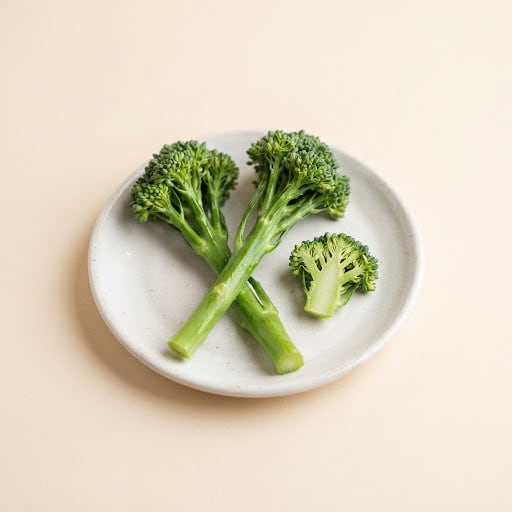
Mash soft cooked broccoli with a fork so it keeps small lumps, or chop it finely into mashed potato. Your baby can also hold a large floret with a long stalk, steamed until both the stalk and the top squash easily between your thumb and finger, using the stalk as a handle.

9–12 months
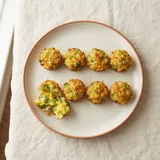
Cut soft cooked florets into small, bite-size pieces about the size of a chickpea so your baby can practice the pincer grasp. You can also chop cooked broccoli finely and mix it into omelets, pasta, mashed potato or fritters.

12 months +
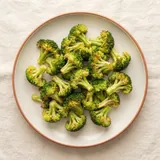
Serve bite-size pieces of soft cooked broccoli at family meals, roasted until tender or stirred into pasta, rice and stir-fries. Toddlers can try lightly cooked broccoli that is still a little firm, but keep raw broccoli off the menu until they chew well, usually around age 4.
Why it’s good
Broccoli gives babies vitamin C, vitamin K, folate, fiber and some potassium and plant iron. The vitamin C helps the body absorb iron from foods like beans, lentils and fortified cereals, so broccoli is a smart side for iron-rich meals. Bitter-tasting greens often need many tries, and early repeated tastes help babies accept vegetables later.
Safety notes
- Never serve raw broccoli to babies. Raw florets and stalks are hard and can break off into chunks, which is a choking risk. Cook until very soft.
- Test every piece: the floret and the stalk should both squash easily between your thumb and finger. Thick stalks may need longer cooking or peeling.
- Florets can shed small crumbly bits that make babies gag. Gagging is normal as they learn, but stay close and keep baby seated upright.
- Leftover cooked broccoli should be cooled quickly, kept in the fridge and eaten within 2 to 3 days. Reheat until steaming hot, then cool before serving.
- Skip added salt and salty cheese sauces for babies under 12 months. A little unsalted butter, olive oil or grated low-sodium cheese adds flavor instead.
A low-allergy food, still worth watching
Broccoli is not a common allergen, and broccoli allergy is rare. As with any new food, watch for hives, swelling or vomiting and call your pediatrician if you see them.
Broccoli for babies: questions parents ask
Quick answers about broccoli for babies and toddlers.
When can babies eat broccoli?
Babies can have broccoli from about 6 months, once they show signs of readiness for solids such as sitting with support and bringing food to their mouth. Broccoli should be cooked until very soft for young babies.
Can babies have broccoli?
Yes, babies can eat broccoli from around 6 months. Start with very soft broccoli mashed or blended for spoon feeding, then offer a soft steamed floret with a stalk handle from about 7–8 months.
Is broccoli a choking hazard for babies?
Broccoli is a moderate choking risk, and cooking it until very soft and serving it in an age-appropriate size brings that risk down. Raw or undercooked broccoli is hard and can break into chunks, so it is a choking hazard for babies and young toddlers.
Is broccoli a common allergen?
No, broccoli is not one of the Top 9 common food allergens. Broccoli allergy is rare, but introduce it like any new food and watch for signs such as hives, swelling or vomiting.
How do I serve broccoli to a 6 month old?
To serve broccoli to a 6 month old, steam florets until very soft, then blend them with a little cooking water, breast milk or formula, or mash them smooth with a little olive oil. Offer it on a spoon. Soft florets with a stalk handle can follow at 7–8 months.
How long should I steam broccoli for my baby?
Broccoli for a baby usually needs about 8 to 12 minutes of steaming, depending on the size of the florets and stalks. Broccoli is ready when a fork slides through the thickest part of the stalk and a floret squashes easily between your fingers.
Does broccoli give babies gas?
Broccoli can cause some extra gas because it is high in fiber and contains natural compounds that gut bacteria break down. This is normal and harmless for most babies, and gas often settles as their gut gets used to more vegetables.
Can I use frozen broccoli for my baby?
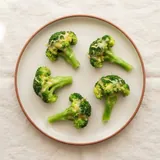
Yes, frozen broccoli is a convenient and nutritious choice for babies. Cook frozen broccoli until very soft, then serve florets or mash them; frozen florets are often smaller, so they may be better chopped or mashed than offered as a handheld piece.
Can babies have broccoli stalks?
Babies can eat broccoli stalks when they are peeled and cooked until very soft. Broccoli stalks are firmer than florets, so cook them longer and check that they squash easily before serving them as a handle or chopped into small pieces.
What if my baby does not like broccoli?
If a baby does not like broccoli at first, keep offering it calmly alongside foods they enjoy. Many babies need 8 to 15 tries before they accept a bitter vegetable, and mixing broccoli into pasta, eggs or potato can help.
Is broccoli good for babies?
Yes, broccoli is a great vegetable for babies from about 6 months, including as a first food. It gives vitamin C, vitamin K, folate and fiber, and its vitamin C helps babies absorb iron from beans, lentils and fortified cereal. Cook it very soft and keep offering it, since bitter greens can take many tries.
Can babies eat raw broccoli?
No, babies should not eat raw broccoli, because the hard florets and stalks can break into chunks that are a choking risk. Steam or boil broccoli until both the floret and stalk squash easily between your fingers. Raw broccoli is best kept off the menu until about age 4.
Does broccoli cause constipation in babies?
Broccoli is unlikely to cause constipation in babies, since it is high in fiber and water, though it can cause some harmless gas. If poops get firmer as solids start, offer a mix of fruits and vegetables and sips of water with meals. Call your pediatrician if stools are hard, painful or bloody.
The takeaway
- Babies can have broccoli from about 6 months, as soon as they are ready for solids.
- Steam or boil broccoli until very soft, then blend them with a little cooking water, breast milk or formula into a smooth puree, or mash them finely with a little olive oil.
- Choking risk is medium. Not a Top 9 allergen, but offer a small amount first and watch for any reaction.
Read next



Sources
This guide follows current advice from these organizations.
- Starting Solid Foods American Academy of Pediatrics (HealthyChildren.org)
- When, What, and How to Introduce Solid Foods Centers for Disease Control and Prevention
- Choking Hazards Centers for Disease Control and Prevention
- Choking Prevention American Academy of Pediatrics (HealthyChildren.org)
- Foods and Drinks to Avoid or Limit Centers for Disease Control and Prevention
Recipes with broccoli

Stamp broccoli in your baby’s passport
Track the first 100 foods and the Top 9 allergens. 7 days free.
More vegetables for babies
Updated November 2026. Reviewed by our dietitians. Based on AAP, CDC and NIAID guidance. Written for healthy, full-term babies; not a substitute for your pediatrician. If your baby was born early, has a medical condition, feeding difficulties or a known allergy, check with them first (medical disclaimer). Always stay with your baby while they eat.