
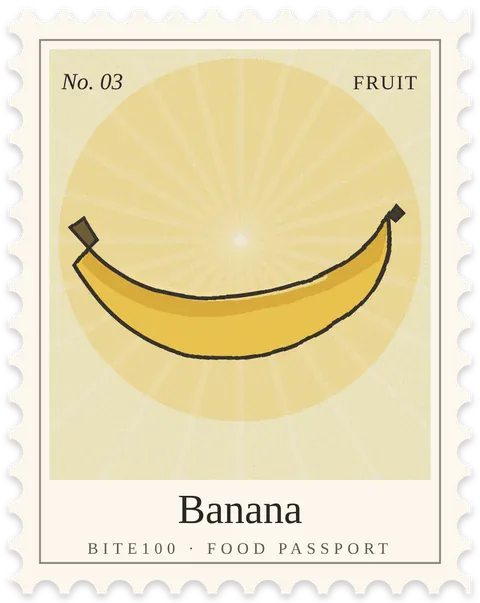
No. 03 · Fruit Passport food
When can babies have bananas?
Can babies eat bananas?
Babies can have bananas from about 6 months, as soon as they are ready for solids. Ripe banana is soft, sweet and needs no cooking: start with a smooth mash on a spoon, move to lumpier mash and soft pieces at 7–8 months, and small pieces from about 9 months.
How to serve bananas by age
Shapes and textures change as your baby’s grasp and chewing grow.

6 months
Mash a very ripe banana with a fork until smooth, or blend it, and thin it with a little breast milk or formula if it is sticky. Offer it on a spoon or on a pre-loaded spoon your baby can hold, on its own or stirred into iron-fortified cereal.

7–8 months
Mash banana more roughly so it has small soft lumps, or stir it into thicker oatmeal or yogurt. Your baby can also hold a soft piece of ripe banana about the size of a finger, rolled in finely ground oats for grip, since it squashes easily between your fingers.

9–12 months
Cut ripe banana into small pieces about the size of a chickpea, or into thin rounds cut again into quarters, for pincer-grasp practice. Mashed banana also works well spread on toast strips or stirred into oatmeal or yogurt.

12 months +
Serve bite-size pieces, slices or banana mixed into pancakes, muffins and smoothies at family meals. Teach toddlers to take small bites, since big mouthfuls of soft banana can still cause gagging.
Why it’s good
Banana gives babies quick energy from natural carbohydrates, plus potassium, vitamin B6, vitamin C and some fiber. It is easy to digest and naturally sweet, so it is useful for sweetening baked goods and oatmeal without added sugar. Pair it with iron-rich foods like fortified cereal, peanut butter or eggs for a balanced meal.
Safety notes
- Choose ripe bananas with yellow skin and a few brown spots. Underripe green bananas are firmer and starchier and are harder for babies to manage.
- When you start offering banana pieces at 7–8 months, leave a little peel on the bottom or roll the piece in ground oats so it does not slip out of baby's hand and into the throat in one large piece.
- Avoid serving large chunks to babies who stuff their mouths. Offer one piece at a time.
- Skip banana chips and dried banana for babies: they are hard, chewy and often fried or sugared.
- Always seat baby upright and stay within arm's reach while they eat.
A low-allergy food, still worth watching
Banana is not a common allergen, though reactions are possible. People with latex allergy sometimes react to banana (latex-fruit syndrome), so talk to your pediatrician first if latex allergy runs in your family or your baby has had a reaction.
Bananas for babies: questions parents ask
Quick answers about bananas for babies and toddlers.
When can babies have bananas?
Babies can have bananas from about 6 months of age, once they can sit with support and bring food to their mouth. Ripe banana is soft and needs no cooking, so it is a handy first food.
Can babies eat bananas?
Yes, babies can eat bananas from around 6 months. Start with ripe banana mashed smooth on a spoon, then offer lumpier mash and soft pieces to hold from about 7–8 months.
Is banana a choking hazard for babies?
Banana is a low choking risk for babies when it is ripe and served in an age-appropriate shape. Gagging is common at first because soft banana can fill the mouth, so offer one piece at a time and stay close.
Is banana a common allergen?
Banana is not a common allergen and is not one of the Top 9 food allergens. Reactions are rare and are more likely in people with latex allergy; watch for hives, vomiting or swelling the first few times.
How do I serve banana to a 6 month old?
To serve banana to a 6 month old, mash a very ripe banana until smooth, thin it with a little breast milk or formula if needed, and offer it on a spoon. Soft banana pieces to hold can follow at 7–8 months.
Do bananas cause constipation in babies?
Bananas do not usually cause constipation in babies, though some babies get firmer stools when they eat a lot of underripe banana. Ripe bananas have more soluble fiber and are less likely to back things up, and offering a variety of fruits, veggies and water helps.
Can bananas help with diarrhea in babies?
Bananas are gentle on the tummy and can be part of normal meals when a baby has mild diarrhea. The most important thing is keeping baby hydrated with breast milk or formula; call your pediatrician if diarrhea is frequent, bloody or comes with signs of dehydration.
Why does my baby's poop have black specks after banana?
Black threads or specks in a baby's poop after banana are usually just the fibrous strands from the center of the fruit. This is normal and harmless, though you should call your pediatrician if stool is black and tarry throughout.
How much banana can a baby eat?
Babies can eat banana every day as part of a varied diet, but it works best as one fruit among many. Half a small banana is a typical serving for an older baby, and offering other foods alongside it helps prevent filling up on one sweet favorite.
Can I freeze banana for a teething baby?
Frozen banana can soothe sore gums, but hard frozen pieces can break off and are a choking risk. Let frozen banana soften slightly first, or serve it mashed into a soft frozen treat with a spoon.
Is banana a good first food for babies?
Yes, banana is a good first food for babies from about 6 months, because ripe banana is soft, sweet and needs no cooking. Mash it smooth and offer it on a spoon, or stir it into iron-fortified cereal. Also offer iron-rich foods like meat, beans or fortified cereal early on.
Can babies have banana bread?
Babies can have homemade banana bread from about 6 months if it has no added sugar, honey or salt and uses ingredients they have tried, like egg and wheat. Most store-bought banana bread has a lot of added sugar, which is not advised before age 2. Serve soft finger-length strips or small pieces.
Is banana good for toddlers?
Yes, banana is a great snack for toddlers over 12 months, giving quick energy, potassium, vitamin B6 and fiber. Serve bite-size pieces or slices, or mix banana into pancakes, muffins and smoothies to sweeten them without added sugar. Teach small bites, since big mouthfuls of soft banana can still cause gagging.
The takeaway
- Babies can have bananas from about 6 months, as soon as they are ready for solids.
- Mash a very ripe banana with a fork until smooth, or blend it, and thin it with a little breast milk or formula if it is sticky.
- Choking risk is low. Not a Top 9 allergen, but offer a small amount first and watch for any reaction.
Read next


Sources
This guide follows current advice from these organizations.
- Starting Solid Foods American Academy of Pediatrics (HealthyChildren.org)
- When, What, and How to Introduce Solid Foods Centers for Disease Control and Prevention
- Choking Hazards Centers for Disease Control and Prevention
Recipes with banana
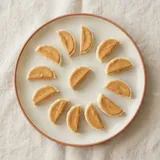 RecipeBanana Oat Nut-Butter Rounds
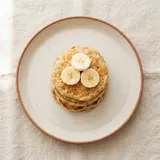 RecipeBanana Pancakes for Baby (3-Ingredient Banana Oat)
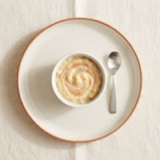 RecipeAlmond Butter Banana Mash
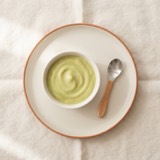 RecipeAvocado Banana Puree for Baby (No-Cook, 5 Min)
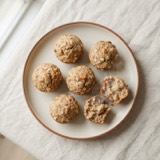 RecipeHealthy Banana Muffins for Toddlers
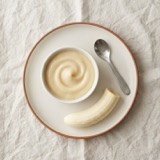 RecipeBanana Purée for Baby
 RecipeBanana Yogurt Oat Bowl
 RecipeEgg-Free Banana Pancakes for Baby
Stamp banana in your baby’s passport
Track the first 100 foods and the Top 9 allergens. 7 days free.
More fruit for babies
Updated November 2026. Reviewed by our dietitians. Based on AAP, CDC and NIAID guidance. Written for healthy, full-term babies; not a substitute for your pediatrician. If your baby was born early, has a medical condition, feeding difficulties or a known allergy, check with them first (medical disclaimer). Always stay with your baby while they eat.