
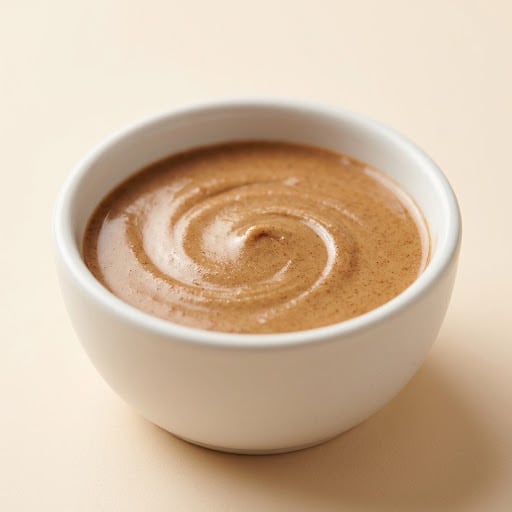
Nuts & seeds Food Library
When can babies have almond butter?
Can babies have almond butter?
Babies can have almond butter from 6 months, thinned or spread very thinly, never in thick spoonfuls. Almonds are a tree nut, one of the Top 9 allergens, and early introduction is encouraged for most babies. Thick, sticky nut butter is a choking hazard, so always thin it with water, breast milk, formula or yogurt.
How to serve almond butter by age
Shapes and textures change as your baby’s grasp and chewing grow.

6 months
Thin smooth almond butter with warm water, breast milk or formula until runny, then stir a small amount into iron-fortified cereal, smooth oatmeal, plain yogurt or fruit puree. Offer it on a spoon or a preloaded spoon your baby can hold.

7–8 months
Keep stirring thinned almond butter into thicker oatmeal, yogurt or mashed banana. You can also spread a very thin layer, so you can see the toast through it, on a strip of soft toast about the width of two adult fingers for baby to hold.

9–12 months
Keep thinning almond butter or spreading it thinly on toast pieces, pancakes or soft fruit like banana slices. Offer it a few times a week once it is tolerated to help keep the allergen in your baby's diet.

12 months +
Toddlers can have almond butter spread thinly on toast, stirred into sauces or swirled into yogurt. Avoid thick spoonfuls and almond butter on its own until at least age 4, and keep whole almonds off the menu until then.
Why it’s good
Almond butter gives babies healthy fats, vitamin E, protein, magnesium, iron and calcium, plus fiber. The fat and calories support fast growth and brain development. Regular servings also help keep tree nuts in the diet once introduced, which may help lower the chance of a lasting allergy.
Safety notes
- Never serve thick almond butter by the spoonful or in a glob; it can stick to the roof of the mouth and block the airway. Thin it or spread it thinly.
- Choose smooth almond butter with no added sugar or salt; avoid crunchy versions with almond pieces.
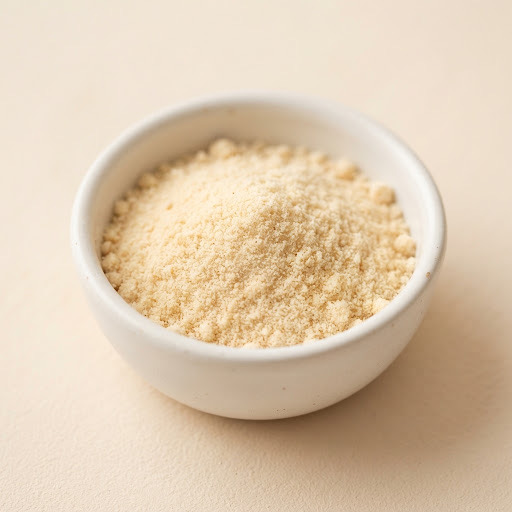
- Whole almonds, sliced almonds and chopped nuts are choking hazards for children under 4. Use almond butter or finely ground almond flour instead.
- Introduce almond butter at home, on a day your baby is healthy, early in the day so you can watch for a reaction for a couple of hours.
- If your baby has severe eczema, an egg allergy or another known food allergy, talk with your pediatrician before introducing tree nuts.
Introduce almond butter on its own, then keep it in
Almonds are a tree nut, one of the Top 9 food allergens. Start with a small amount of thinned almond butter, increase gradually and watch for hives, swelling, vomiting, coughing or trouble breathing; call emergency services for any breathing trouble or widespread symptoms.
Almond butter for babies: questions parents ask
Quick answers about almond butter for babies and toddlers.
When can babies have almond butter?
Babies can have almond butter from about 6 months, once they are ready for solids. Almond butter should be smooth and thinned or spread very thinly, never served thick.
Can babies have almond butter?
Yes, babies can eat almond butter, and offering it early is a practical way to introduce tree nuts. Thin almond butter well, choose unsalted and unsweetened jars, and introduce it carefully because it is an allergen.
Is almond butter a choking hazard for babies?
Thick almond butter is a choking hazard because it is sticky and can form a plug in the mouth or throat. Thin almond butter into a sauce or spread a thin layer on toast to make it safer for babies and toddlers.
Is almond butter a common allergen?
Yes, almond butter is made from almonds, which are tree nuts and part of the Top 9 common food allergens. Introduce almond butter in small amounts and watch for signs of an allergic reaction.
How do I serve almond butter to a 6 month old?
For a 6 month old, mix about a quarter teaspoon of smooth almond butter with warm water, breast milk or formula until runny, or stir it into oatmeal or yogurt, and offer it on a spoon. If your baby has no reaction after a couple of hours, offer a bit more on later days. Thin spreads on soft toast can follow at 7–8 months.
How often should my baby eat almond butter?
Once almond butter is tolerated, offering it regularly, about a few times a week, helps keep tree nuts in your baby's diet. Stopping for long stretches after introduction may make it harder to stay tolerant, so try to keep it in rotation.
If my baby is allergic to peanuts, can they have almond butter?
Peanuts are legumes, not tree nuts, but some children are allergic to both. If your baby has a peanut allergy, ask your pediatrician or allergist before introducing almond butter.
Is homemade almond butter safe for babies?
Homemade almond butter is safe for babies if it is blended completely smooth with no nut pieces left. Thin it the same way as store-bought almond butter before serving.
What are signs of an almond allergy in babies?
Signs of an almond allergy in babies include hives, redness around the mouth, swelling of lips or face, vomiting, coughing, wheezing or unusual sleepiness, usually within minutes to two hours. Call emergency services for trouble breathing, swelling of the tongue or throat, or floppiness.
Can I give my toddler whole almonds?
No, whole almonds are a choking hazard for children under 4. Toddlers can have almond butter spread thinly, ground almonds baked into foods, or almond flour in pancakes instead.
The takeaway
- Babies can have almond butter from 6 months, thinned or spread very thinly, never in thick spoonfuls.
- Thin smooth almond butter with warm water, breast milk or formula until runny, then stir a small amount into iron-fortified cereal, smooth oatmeal, plain yogurt or fruit puree.
- Choking risk is medium. Tree nut is one of the Top 9 allergens: offer a small amount first, watch for a reaction, then keep it in the diet regularly.
Read next


Sources
This guide follows current advice from these organizations.
- Starting Solid Foods American Academy of Pediatrics (HealthyChildren.org)
- When, What, and How to Introduce Solid Foods Centers for Disease Control and Prevention
- Choking Hazards Centers for Disease Control and Prevention
- Choking Prevention American Academy of Pediatrics (HealthyChildren.org)
- Peanut Allergy: What to Know About the Latest Prevention Guidelines American Academy of Pediatrics (HealthyChildren.org)
- Foods and Drinks to Avoid or Limit Centers for Disease Control and Prevention
- Iron Centers for Disease Control and Prevention
- Dietary Guidelines for Americans, 2020-2025 U.S. Department of Agriculture and HHS
- The Effects of Early Nutritional Interventions on the Development of Atopic Disease in Infants and Children Greer FR, Sicherer SH, Burks AW; American Academy of Pediatrics. Pediatrics. 2019;143(4):e20190281
Track every new food in your baby’s passport
Track the first 100 foods and the Top 9 allergens. 7 days free.
Recipes with almond butter


More nuts and seeds for babies

Updated November 2026. Reviewed by our dietitians. Based on AAP, CDC and NIAID guidance. Written for healthy, full-term babies; not a substitute for your pediatrician. If your baby was born early, has a medical condition, feeding difficulties or a known allergy, check with them first (medical disclaimer). Always stay with your baby while they eat.