
Week 1
Peanut
Smooth peanut butter thinned with water or stirred into oatmeal, or peanut powder in a puree. Never whole peanuts.
A calm, week-by-week plan for peanut, egg, dairy, wheat, soy, fish, shellfish, tree nuts and sesame. One new allergen at a time from around 6 months, with gentle reminders to keep every one on the menu.

Quick answer
Introduce the Top 9 allergens from around 6 months, once baby is eating a few other solids: one new allergen at a time, at home, early in the day. Once an allergen is in, keep serving it regularly, about 2 to 3 times a week.
HOW THE PLAN WORKS
This is the order the Bite100 plan uses. There is no single official order, so you can swap weeks or skip any your baby already eats. Babies who need extra care get their pediatrician’s plan first.
Smooth peanut butter thinned with water or stirred into oatmeal, or peanut powder in a puree. Never whole peanuts.

Well-cooked whole egg, yolk and white together: hard-boiled and mashed, or thin omelet strips.

Plain full-fat yogurt or pasteurized cheese. Cow’s milk as a drink waits until 12 months.
Soft pasta, wheat cereal or toast fingers.

Soft tofu strips or mashed, well-cooked edamame.

Flaked, well-cooked salmon or cod, checked carefully for bones.

Smooth nut butter, like cashew or almond, thinned or stirred into food. Never whole nuts.

Tahini stirred into yogurt or a puree, or thinly spread hummus.

Well-cooked shrimp, finely chopped or minced into food.
New allergen at the start of the week, while everything already introduced stays in rotation.
| Once it’s in | How often | A typical serving |
|---|---|---|
| Peanut | About 3 times a week | About 2 g peanut protein, roughly 2 teaspoons of smooth peanut butter, thinned |
| Egg | About 2–3 times a week | A quarter to half an egg, well cooked |
| The other seven | Regularly, ideally a couple of times a week | Whatever baby eats happily. Regular exposure matters more than amount |
The peanut amount comes from the research behind the NIAID guidelines. For the other allergens there are no official gram targets; the frequencies above are what allergy experts commonly suggest.
WHY EARLY AND REGULAR
For years parents were told to hold off on allergens. The research changed that advice: offering them early, and often, is now the recommendation.
In the LEAP study, high-risk babies who ate peanut regularly from 4–11 months were about 80% less likely to have peanut allergy at age 5 than babies who avoided it.
US guidelines from NIAID, endorsed by the AAP, now recommend introducing peanut early. The AAP finds no evidence that delaying egg, peanut or other allergens past 4–6 months prevents allergy.
Trying a food once, then waiting weeks, can make it harder for the body to stay tolerant. Keeping each allergen in the diet a few times a week is the goal.
SAFETY FIRST
Trouble breathing, wheezing or repeated coughing; swelling of the lips, tongue or face; hives spreading over the body; repeated vomiting; or baby turning pale, floppy or unusually sleepy. Use epinephrine first if it has been prescribed.
A few hives around the mouth and nothing else: stop the food, take a photo and call your pediatrician before offering it again.
Talk to your pediatrician first if baby has severe eczema, a known food allergy, or has reacted to a food before. Under NIAID guidelines, babies with severe eczema or egg allergy may start peanut as early as 4–6 months, sometimes after testing or with a first feed in the office.
AVOID THESE
GET HELP
Call before you start if baby has severe eczema, a known food allergy, or has reacted to a food before. After an allergen, call the same day if baby has:
IN THE BITE100 APP
The app turns the nine weeks into a daily step, so you never have to remember what’s next or what’s due again.
What to serve and how, like “½ tsp smooth cashew butter in oatmeal, day 2 of 3”.
Mark “all fine” or “noticed a reaction”. A reaction pauses that allergen and shows what to do next.
Every allergen that’s in stays on a gentle rotation, so none drop off the menu.
Dates, amounts and any symptoms in one place, ready to show at the next checkup.
SEE THE FULL PLAN
Create a free account, tell us your baby’s age and which allergens they already eat, and the plan starts from there.
7 days free · No card · Already have an account? Sign in
Recipe collectionsBaby pancakesBaby oatmeal recipes
Start around 6 months, once baby is ready for solids and already eating a few other foods. Don’t start before 4 months. Babies with severe eczema or an egg allergy may start peanut as early as 4–6 months, after talking to your pediatrician.
Most babies do not. If baby has severe eczema, a known food allergy, or has reacted to a food before, talk to your pediatrician before starting. They may suggest a skin or blood test, or a first feeding in the office.
There is no required order. Many families start with peanut and egg, because the evidence for early introduction is strongest for those two. The Bite100 plan starts with peanut, then egg, then dairy, wheat, soy, fish, tree nuts, sesame and shellfish.
There is no single official rule. A simple, cautious approach is one new allergen at a time, served for a few days, so if a reaction happens you know which food caused it. The Bite100 plan adds about one new allergen a week.
Keep each allergen in regularly once it is in. For peanut, the research behind the NIAID guidelines used about 2 grams of peanut protein 3 times a week, roughly 2 teaspoons of smooth peanut butter per serving. For egg and the other allergens there are no official amounts; allergy experts commonly suggest a couple of times a week.
Yes, and it matters even more, because babies with eczema are more likely to develop food allergies. With mild to moderate eczema, NIAID advises introducing peanut at around 6 months at home. With severe eczema, talk to your pediatrician first.
Introduce dairy as plain full-fat yogurt or cheese from around 6 months. Cow’s milk used in cooking is fine, but cow’s milk as a drink waits until 12 months.
Small amounts still count, and refusing a new taste is normal. Mix the allergen into a food baby already likes, such as oatmeal, yogurt or a fruit puree, and offer it again over the next days. Regular exposure matters more than finishing a serving.
For a few hives around the mouth and nothing else, stop the food, take a photo and call your pediatrician. Call emergency services (911 in the US) for trouble breathing, swelling of the lips, tongue or face, widespread hives, repeated vomiting, or if baby turns pale, floppy or unusually sleepy.
Based on AAP and NIAID guidance. Bite100 is written for healthy, full-term babies and doesn’t replace your pediatrician. If your baby was born early, has a medical condition, feeding or swallowing difficulties, or a known allergy, check with them first (medical disclaimer).
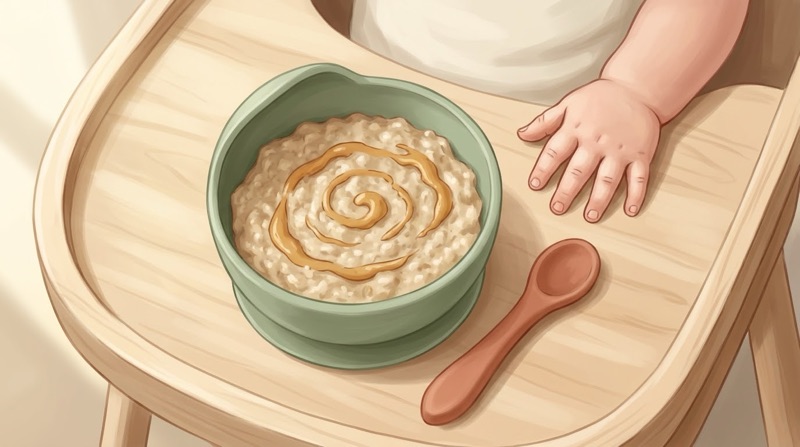 How to introduce peanut
 How to introduce egg
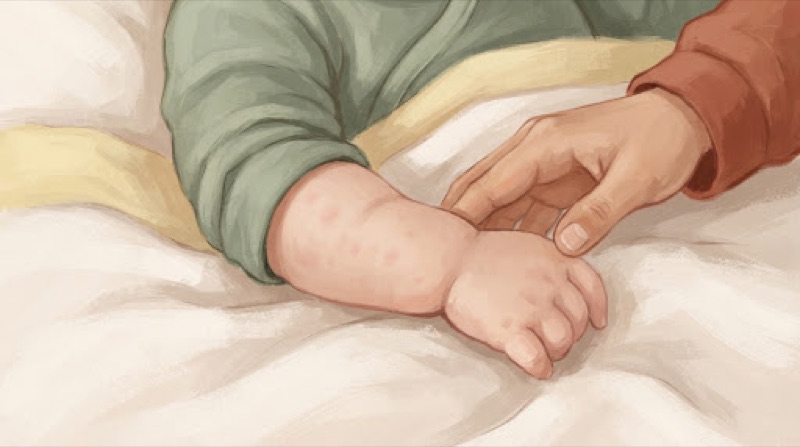 Signs of an allergic reaction