
No. 33 · Veggies Passport food
When can babies have spinach?
Can babies have spinach?
Babies can have spinach from about 6 months, as soon as they are ready for solids. Cooked, finely chopped or blended spinach is low risk and easy to mix into eggs, grains and purees, and it adds plant iron and folate to baby's meals.
How to serve spinach by age
Shapes and textures change as your baby’s grasp and chewing grow.

6 months
Steam or saute spinach until fully wilted, squeeze out extra water, then blend it smooth. Stir it into mashed potato, lentils, oatmeal or a fruit puree and offer it on a spoon.

7–8 months
Chop wilted spinach very finely and stir it into thicker mashes, lentils or soft scrambled egg. Your baby can also hold soft foods with spinach mixed in, like a soft omelet strip, and whole cooked leaves are still best avoided since they cling to the mouth.

9–12 months
Keep mixing finely chopped cooked spinach into finger foods such as soft egg muffins, veggie fritters, pasta with sauce or rice balls. Spinach can also be blended into pancakes or a smoothie offered in an open cup.

12 months +
Add chopped cooked spinach to family meals like soups, stews, pasta, dal and quesadillas. Toddlers can try finely shredded raw baby spinach in salads or wraps once they chew well, but cooked spinach is still easier to manage.
Why it’s good
Spinach gives babies folate, vitamin K, vitamin A, magnesium and some non-heme (plant) iron. Spinach also contains oxalates that limit how much of that iron is absorbed, so pair it with a vitamin C food like tomato, orange or strawberries, or with meat or fish, to help baby take up more iron.
Safety notes
- Cook spinach until fully wilted and chop or blend it. Whole leaves, cooked or raw, can stick to the tongue or the roof of the mouth and cause gagging.
- Spinach is naturally higher in nitrates. This is mainly a concern for babies under 3 months, who should not have solids anyway, but store cooked spinach in the fridge within 2 hours and use it within 1 to 2 days.
- Rinse fresh spinach well under running water to remove grit and soil, even if it is labeled prewashed when you plan to serve it raw to toddlers.
- Avoid store-bought creamed spinach and spinach dips for babies, which are often high in salt and may contain cheese or garlic powder in large amounts.
- Do not rely on spinach as baby's main iron source. Offer it alongside iron-rich foods like meat, beans, lentils, eggs or iron-fortified cereal.
A low-allergy food, still worth watching
Spinach is not a common allergen, and true spinach allergy is rare. As with any new food, watch for hives, swelling or vomiting the first few times, and talk to your pediatrician if anything seems off.
Spinach for babies: questions parents ask
Quick answers about spinach for babies and toddlers.
When can babies have spinach?
Babies can have spinach from about 6 months, as soon as they show signs of readiness for solids. Spinach should be cooked until soft and either finely chopped or blended for young babies.
Can babies have spinach?
Yes, babies can eat spinach from around 6 months when it is cooked and chopped very finely or pureed. Spinach mixes easily into eggs, grains, purees and sauces, which makes it a simple way to add greens.
Is spinach a choking hazard for babies?
Spinach is a low choking risk for babies when it is cooked and finely chopped or blended. Large whole leaves can cling to the mouth and trigger gagging, so avoid serving them to young babies.
Is spinach a common allergen?
No, spinach is not one of the Top 9 common allergens, and spinach allergy is rare. Watch your baby for signs like hives, swelling or vomiting the first few times, as with any new food.
How do I serve spinach to a 6 month old?
To serve spinach to a 6 month old, wilt it in a pan or steamer, squeeze out the water, and chop it very finely or blend it smooth. Then stir the spinach into a food baby already likes, such as mashed potato, scrambled egg or oatmeal.
Should I worry about nitrates in spinach for my baby?
Nitrates in spinach are mainly a concern for babies younger than 3 months, which is before solids should start anyway. For babies 6 months and up, home-cooked spinach is fine; just refrigerate leftovers promptly and use them within 1 to 2 days.
Can babies have raw spinach?
Raw spinach is not ideal for babies because the leaves are hard to chew and can stick to the mouth. Blended raw spinach in a smoothie is fine from 6 months, but save shredded raw leaves for toddlers who chew well.
Is frozen spinach good for babies?
Yes, frozen spinach is a great, budget-friendly choice for babies because it is already chopped and cooks quickly. Choose plain frozen spinach with no added salt or sauce, cook it through, and squeeze out the extra water.
Does spinach have a lot of iron for babies?
Spinach contains iron, but the iron in spinach is the plant type and is poorly absorbed because of oxalates. Serve spinach with a vitamin C food or with meat, fish or eggs, and offer other iron-rich foods daily.
Why is my baby's poop green after eating spinach?
Green poop after spinach is normal and simply comes from the color of the leaves passing through. Call your pediatrician only if the change comes with other symptoms like blood, very pale stools, or a baby who seems unwell.
The takeaway
- Babies can have spinach from about 6 months, as soon as they are ready for solids.
- Steam or saute spinach until fully wilted, squeeze out extra water, then blend it smooth.
- Choking risk is low. Not a Top 9 allergen, but offer a small amount first and watch for any reaction.
Read next


Sources
This guide follows current advice from these organizations.
- Starting Solid Foods American Academy of Pediatrics (HealthyChildren.org)
- When, What, and How to Introduce Solid Foods Centers for Disease Control and Prevention
- Choking Hazards Centers for Disease Control and Prevention
- Iron Centers for Disease Control and Prevention
- Infant Methemoglobinemia: The Role of Dietary Nitrate in Food and Water Greer FR, Shannon M; American Academy of Pediatrics. Pediatrics. 2005;116(3):784-786
Recipes with spinach
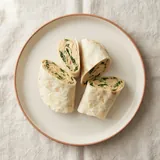 RecipeChickpea & Spinach Smash Wraps
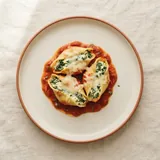 RecipeStuffed Spinach Jumbo Shells
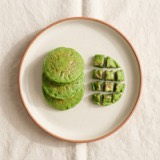 RecipeSpinach Pancakes for Baby (Banana Sweetened)
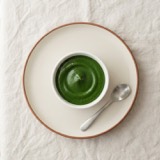 RecipeSpinach & Pear Purée for Baby
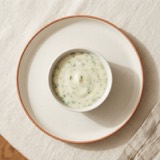 RecipeWhite Bean & Spinach Mash
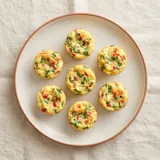 RecipeEgg Muffins for Baby & Toddler (Veggie Egg Bites)
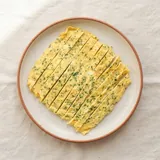 RecipeEgg Strips for Baby (2-Ingredient Omelet)
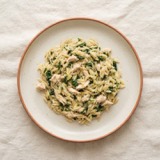 RecipeLemon Chicken Orzo for Toddlers (One Pot)
Stamp spinach in your baby’s passport
Track the first 100 foods and the Top 9 allergens. 7 days free.
More vegetables for babies
Updated November 2026. Reviewed by our dietitians. Based on AAP, CDC and NIAID guidance. Written for healthy, full-term babies; not a substitute for your pediatrician. If your baby was born early, has a medical condition, feeding difficulties or a known allergy, check with them first (medical disclaimer). Always stay with your baby while they eat.