
No. 07 · Fruit Passport food
When can babies have apples?
Can babies have apples?
Babies can have apples from about 6 months, as soon as they are ready for solids, as long as the apple is cooked until soft or grated finely. Raw apple chunks and slices are one of the top choking hazards for young children, so preparation is everything.
How to serve apples by age
Shapes and textures change as your baby’s grasp and chewing grow.

6 months
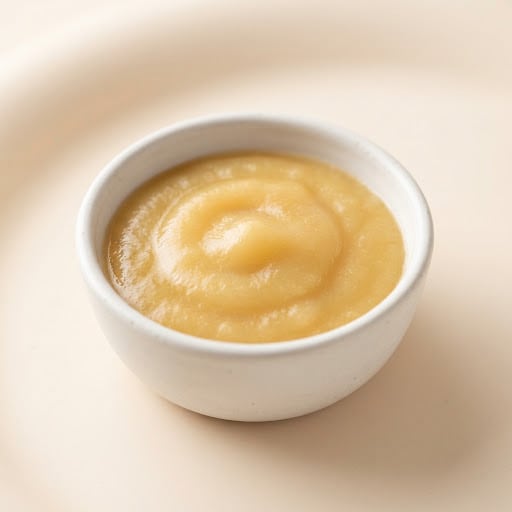
Peel and core apple, then steam, bake or poach it until very soft and blend or mash it into a smooth puree, thinned with a little water if needed. Smooth unsweetened applesauce on a spoon or a preloaded spoon works too.

7–8 months
Fork-mash soft-cooked apple so it stays lumpy, or stir finely grated raw apple into oatmeal or yogurt. You can also offer large wedges about the size of two adult fingers, steamed or baked until they squash easily between your thumb and finger, with the skin left on for grip.

9–12 months
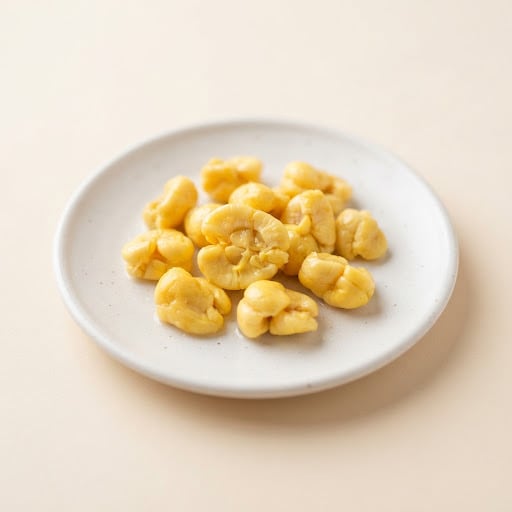
Offer very soft cooked apple cut into small pieces about the size of a chickpea, or finely grated raw apple stirred into oatmeal or yogurt. Avoid raw apple chunks, rounds and thick slices.

12 months +
Keep cooking apple soft or grating it, or slice raw apple paper-thin with a mandoline or peeler. Raw apple chunks and thick slices stay a choking hazard until at least age 4; whole apples are a later milestone once chewing is strong.
Why it’s good
Apples give babies fiber, vitamin C, potassium and plant compounds called polyphenols, many of which sit in or just under the skin. Cooked apple is gentle on the tummy, and its natural sweetness is useful for flavoring oatmeal and baked goods without added sugar. Pair apple with iron-rich foods so the vitamin C helps iron absorption.
Safety notes
- Raw apple is a top choking hazard for babies and toddlers. It is hard, breaks into firm chunks and is slippery. Cook it soft or grate it finely until at least age 4.
- Do the squish test: cooked apple should flatten easily between your thumb and finger.
- Remove the core, seeds and stem before serving. Seeds are a choking risk, though a few swallowed seeds are not harmful.
- Avoid apple juice and apple cider before 12 months, and never serve unpasteurized cider to young children because it can carry harmful bacteria.
- Skip apple chips and dried apple rings for babies. They are firm and chewy; chop and soak them for older toddlers instead.
A low-allergy food, still worth watching
Apple is not a common allergen, though reactions can happen. Children with birch pollen allergy may get an itchy mouth from raw apple (oral allergy syndrome), which is usually milder with cooked apple.
Apples for babies: questions parents ask
Quick answers about apples for babies and toddlers.
When can babies have apples?
Babies can have apples from about 6 months of age, once they are ready for solids. Apple must be cooked until very soft, grated finely, or served as smooth applesauce for babies.
Can babies have apples?
Yes, babies can eat apples from around 6 months when the apple is cooked soft or finely grated. Raw apple slices and chunks are not safe for babies and young toddlers.
Is apple a choking hazard for babies?
Raw apple is a high choking risk for babies and toddlers and is one of the most common foods involved in choking. Cooking apple until it squashes easily, or grating it finely, makes it much safer to serve.
Is apple a common allergen?
Apple is not a common allergen and is not one of the Top 9 food allergens. Some children with pollen allergies get an itchy mouth from raw apple, which is usually milder when the apple is cooked.
How do I serve apple to a 6 month old?
To serve apple to a 6 month old, steam or bake peeled apple until very soft, then blend or mash it smooth, or use smooth unsweetened applesauce, and offer it on a spoon. Soft-cooked apple wedges to hold and finely grated raw apple can follow at 7–8 months.
Can babies have raw apple?
Raw apple is safe for babies only when it is finely grated. Raw apple chunks, rounds and thick slices should wait until at least age 4, when chewing skills are stronger.
When can babies drink apple juice?
Apple juice is not recommended for babies under 12 months. After that, whole apple is better than juice; if you offer juice, keep it to a small amount of 100 percent pasteurized juice, and never give unpasteurized cider to young children.
Should I peel apples for my baby?
Apple skin is safe and nutritious for babies when the apple is cooked soft, and it helps baby grip. If you are grating raw apple or your baby gags on skin, peel it first, since thin raw skin can stick to the roof of the mouth.
Is store-bought applesauce okay for babies?
Store-bought applesauce is fine for babies if it is unsweetened, with no added sugar or juice concentrate. It can be served on a spoon, used as a dip for soft toast, or stirred into oatmeal.
Can apples help with baby constipation?
Whole apples with skin add fiber that can help some babies with constipation, though applesauce has less fiber and may not help as much. Pears, prunes and plums tend to work better, and you should talk to your pediatrician if constipation lasts.
The takeaway
- Babies can have apples from about 6 months, as soon as they are ready for solids, as long as the apple is cooked until soft or grated finely.
- Peel and core apple, then steam, bake or poach it until very soft and blend or mash it into a smooth puree, thinned with a little water if needed.
- Choking risk is high. Not a Top 9 allergen, but offer a small amount first and watch for any reaction.
Read next


Sources
This guide follows current advice from these organizations.
- Starting Solid Foods American Academy of Pediatrics (HealthyChildren.org)
- When, What, and How to Introduce Solid Foods Centers for Disease Control and Prevention
- Choking Hazards Centers for Disease Control and Prevention
- Choking Prevention American Academy of Pediatrics (HealthyChildren.org)
Recipes with apple



Stamp apple in your baby’s passport
Track the first 100 foods and the Top 9 allergens. 7 days free.
More fruit for babies
Updated November 2026. Reviewed by our dietitians. Based on AAP, CDC and NIAID guidance. Written for healthy, full-term babies; not a substitute for your pediatrician. If your baby was born early, has a medical condition, feeding difficulties or a known allergy, check with them first (medical disclaimer). Always stay with your baby while they eat.