
Baby-led weaning, explained
Let baby feed themselves real food from the first bite. Here is how it works, and how to do it safely.
Quick answer
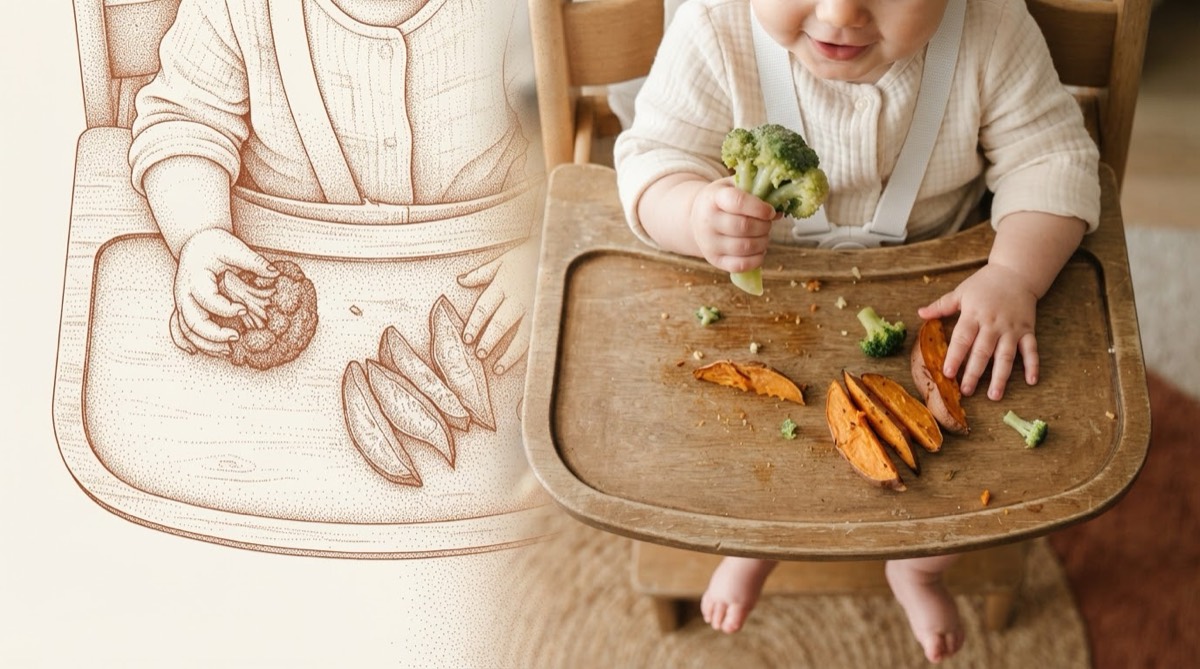
Baby-led weaning (BLW) means skipping spoon-feeding and letting baby feed themselves soft, finger-length pieces of real food. Start at around 6 months, once baby sits upright with little support, has steady head control and brings things to their mouth. Not before 4 months, and not because of teeth.
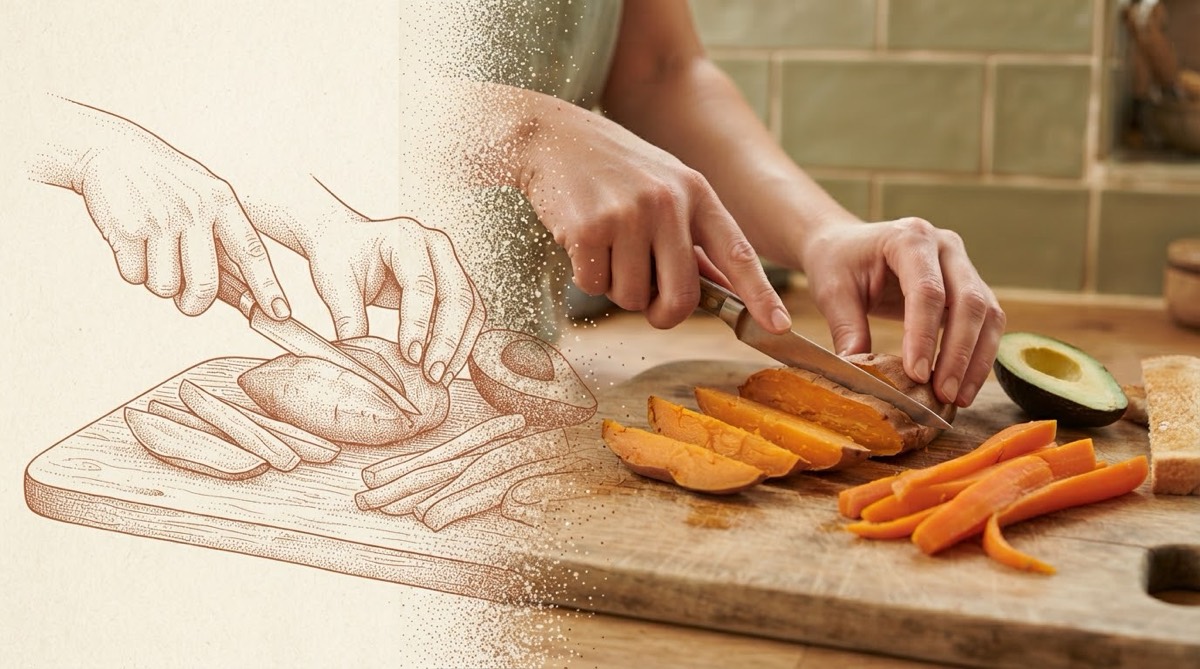
- Cut food into strips the size of an adult finger, soft enough to squish between your thumb and finger
- Offer an iron-rich food (meat, fish, egg, beans, iron-fortified cereal) at most meals
- Seat baby upright, stay within arm’s reach, and expect loud gagging. Silent struggling is choking: call emergency services (911 in the US)

STEP 1
What baby-led weaning is
Why families like it
What to expect
How is BLW different from spoon-feeding?
With traditional spoon-feeding, a parent decides how much goes in and when. With BLW, you decide what is offered, when and where. Baby decides whether to eat and how much. That split of jobs is the heart of the method.
The term was popularized in the UK in the 2000s, and it is now one of the most common ways families start solids. It is not all-or-nothing. Plenty of families do “mostly BLW” with the occasional spoon of yogurt or oatmeal.
What the research says
Studies so far are small, but a New Zealand trial found babies following a modified BLW plan (iron-rich foods at every meal and parent education on choking hazards) did not choke more often than spoon-fed babies. The two concerns experts raise are getting enough iron and serving foods in a safe shape. This guide covers both.
- Baby practices chewing, grasping and hand-eye coordination from day one
- Baby learns to follow their own hunger and fullness cues
- Family meals get simpler: one meal, adapted for baby
- Expect more mess, more waste and slower intake in the first weeks
STEP 2
When to start
- •Sits upright with little or no support
- •Has good head and neck control
- •Reaches for food and brings it to the mouth
- •No longer pushes food straight back out with the tongue
Can you start baby-led weaning before 6 months?
Solids should never start before 4 months. Between 4 and 6 months some babies are ready for spoon-fed foods, but most are not yet steady enough to sit and self-feed. For BLW, around 6 months is the sweet spot, because that is when trunk control and the hand-to-mouth reach usually come together.
If baby was born early, go by their adjusted age and check with your pediatrician first.
Signs that are not readiness
- Having teeth. Babies chew with their gums, and many start solids with none
- Watching you eat or grabbing at your plate on its own
- Waking more at night, or a growth spurt
- Being big for their age

STEP 3
Shapes and textures that work
Size
Texture
How should I cut food for baby-led weaning by age?
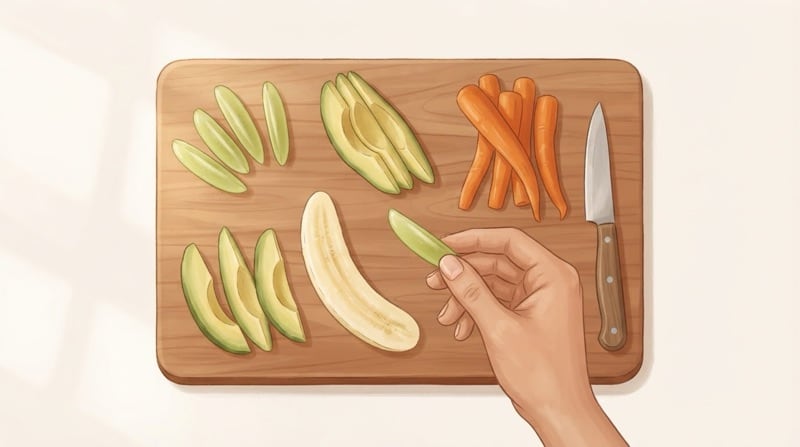
Shapes change as baby’s grip develops. At 6 months food starts smooth on a preloaded spoon. From 7 months baby grabs with the whole hand like a rake, so finger foods need to be big. Around 9 months the pincer grasp (thumb and finger) arrives, and smaller pieces become the safer choice.
| Age | Grip | Best shapes |
|---|---|---|
| 6 months | Hand to mouth: grabs the spoon | Smooth purees and mashes on a preloaded spoon baby can hold and bring to the mouth. No cutting yet. |
| 7–8 months | Palmar grasp: whole fist | Finger-length strips and wedges, big “handles” like a broccoli stalk or a meat strip to suck and gnaw. Lumpy mashes on a preloaded spoon. |
| 9–12 months | Pincer grasp emerging | Soft bite-sized pieces about the size of a chickpea, shredded meat, flattened beans, quartered soft fruit. |
| 12 months+ | Pincer grasp, more chewing | Most family foods cut small. Round foods like grapes and cherry tomatoes still quartered lengthwise. |
Tricks that make food easier to hold
- Leave a handle: half a banana with the bottom of the peel on, a mango pit with some flesh on it, a drumstick bone with cartilage and loose bits removed
- Roll slippery foods like avocado or banana in ground hemp seeds or iron-fortified cereal for grip
- Cut with a crinkle cutter so wedges are easier to hold
- Flatten round foods: smash blueberries and beans, quarter grapes lengthwise
- Serve hard raw foods made safe: grate raw apple and carrot, or steam them until soft

STEP 4
Great first BLW foods
Thick ripe wedge
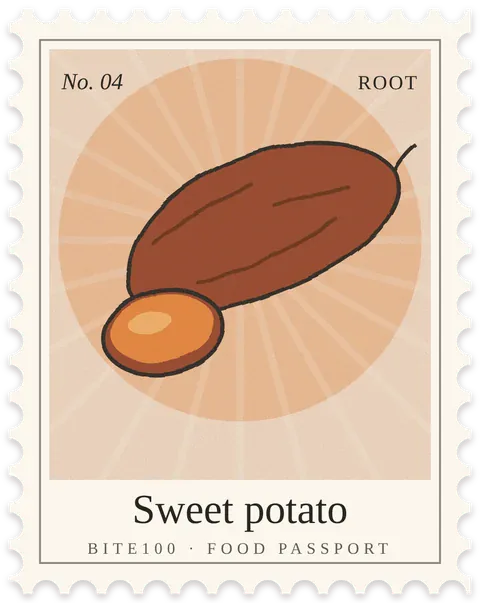
Roasted soft wedges
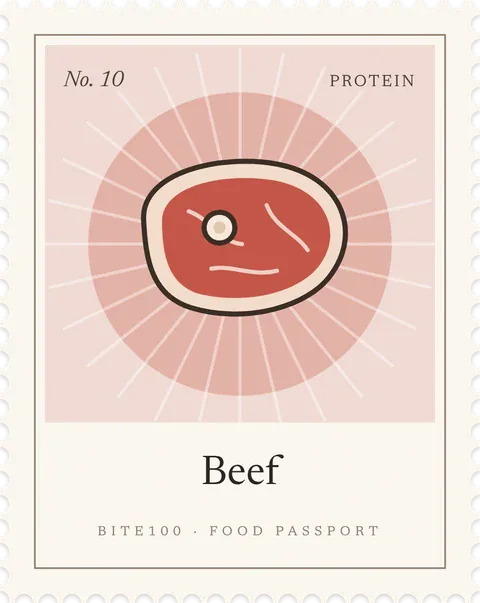
Strips of slow-cooked meat
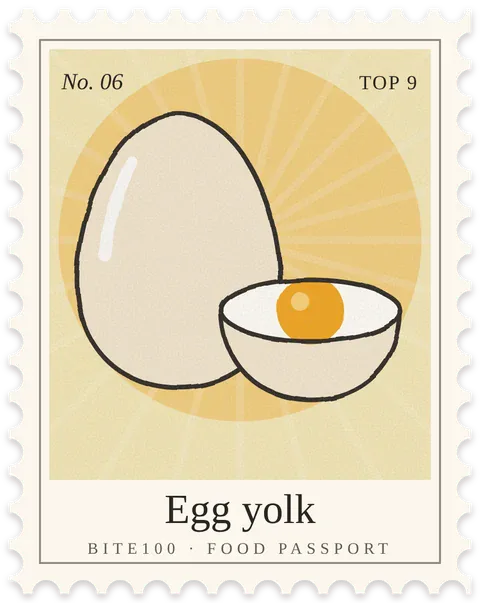
Omelet strips, cooked through
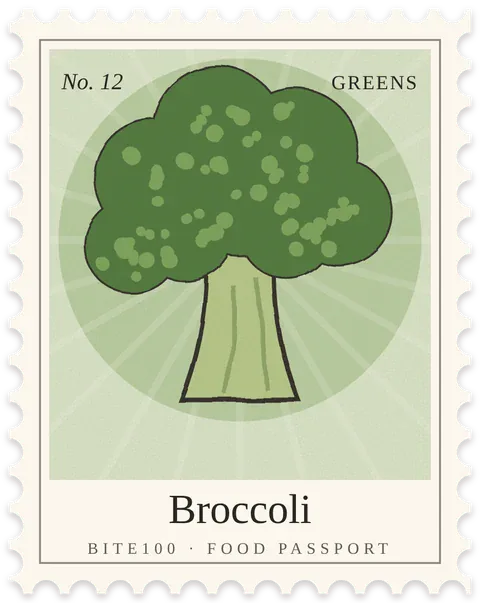
Steamed floret with stalk
Iron-rich finger foods for 6 months
Breast milk is low in iron, and babies need much more iron between 7 and 12 months than at any other time per pound of body weight. Animal foods give the most easily absorbed iron. Plant iron absorbs better when served with a vitamin C food such as tomato, bell pepper, broccoli, strawberry or kiwi.
| Food | How to serve at 6 months |
|---|---|
| Beef or lamb | Large strip of slow-cooked, tender meat to gnaw, or a soft patty of ground beef |
| Chicken | Thigh meat in finger-length strips, or a drumstick with skin, loose cartilage and small bones removed |
| Egg | Thin omelet cut into strips, fully cooked |
| Salmon or sardines | Flaked, checked carefully for bones, mashed into a patty if needed |
| Lentils and beans | Mashed onto toast strips, or flattened beans once baby can pick them up |
| Tofu | Firm tofu in finger-length strips, lightly baked or pan-cooked |
| Iron-fortified oatmeal | Thick, on a preloaded spoon, or baked into soft oat fingers with no added sugar |
What does a first BLW meal look like?
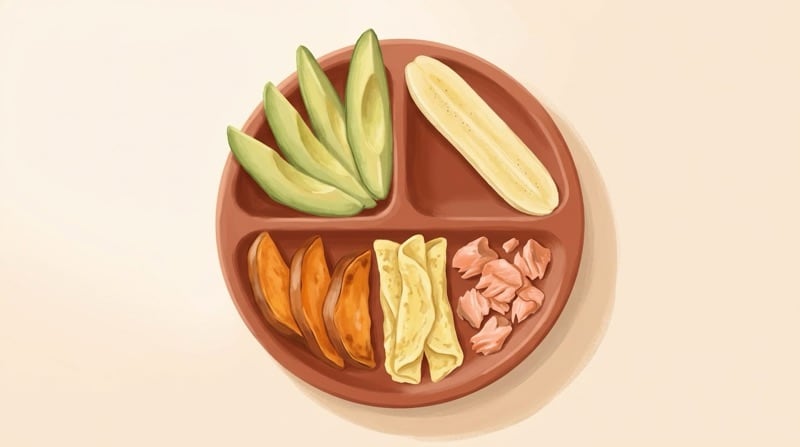
Keep it to two or three foods. For example: two strips of omelet, a thick wedge of avocado and a steamed broccoli floret. Or a strip of slow-cooked beef, a roasted sweet potato wedge and a preloaded spoon of plain yogurt.
Common allergens such as egg, peanut, dairy, wheat, fish, soy and sesame can come in from the start, one new allergen at a time. Serve peanut as a thin smear of peanut butter on a toast strip, never a spoonful or a lump.
STEP 5
Safety first
- •Always seat baby fully upright in a high chair and stay with them for the whole meal
- •Let baby put food in their own mouth. Don’t place pieces in for them
- •Expect gagging. It’s a noisy, normal reflex that keeps baby safe
- •Skip choking hazards: whole nuts, whole grapes or cherry tomatoes, popcorn, raw hard vegetables, chunks of nut butter
- •No honey before 12 months, and no added salt or sugar
Is baby-led weaning safe?
BLW is considered safe when baby is developmentally ready, sits upright, feeds themselves and is offered foods in safe shapes. Most of the risk comes from the setup, not from finger foods themselves.
A safe seat in 30 seconds
- Baby sits upright at about 90 degrees, hips back in the seat, not slumped or reclined
- A footrest so feet are supported. It helps balance and chewing
- Tray or table at about belly-button height
- No eating in a car seat, stroller, bouncer, or while crawling or walking
- Screens off, so baby can focus on eating
Gagging vs choking
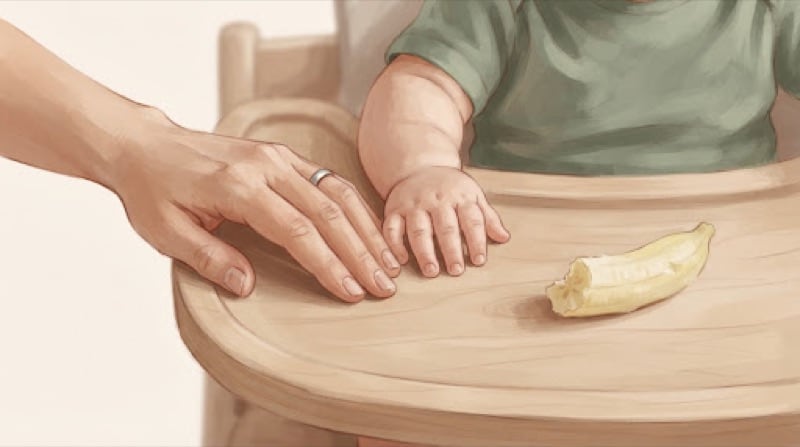
Gagging is loud: coughing, sputtering, a red face, sometimes a little vomit. Baby is breathing and usually works it out in seconds. Stay calm, stay close, and don’t reach into their mouth. Gagging is most common in the first weeks and whenever a new texture appears.
Gagging vs choking: how to tell →

STEP 6
Mixing BLW and purees
How to preload a spoon
Choose a short, wide baby spoon. Scoop a thick food (yogurt, oatmeal, mashed lentils, hummus) and either hand it to baby handle-first or rest it on the tray. If baby grabs the spoon end, that’s fine: they will figure it out within a few weeks.
How many meals a day with BLW?
Start slowly and let appetite lead. These are typical ranges, not targets.
| Age | Solid meals | Milk |
|---|---|---|
| 6 months | 1 meal a day, about an hour after a milk feed | Breast milk or formula on demand. Still the main food |
| 7–8 months | 2 meals a day | Still the main food; don’t cut feeds to make room for solids |
| 9–12 months | 3 meals a day | Milk feeds often drop slightly as solids grow |
| 12 months | 3 meals plus 1–2 snacks | Whole cow’s milk can become the drink, if your pediatrician agrees |
Offer small sips of water from an open or straw cup with meals from 6 months. Daycare or grandparents can spoon-feed purees without undoing your BLW work, as long as they let baby lead the pace.
Baby-led recipes for 6–12 months →
AVOID THESE
Common BLW mistakes
- Cutting food too small at 6 months. Tiny cubes are hard to pick up and easy to inhale. Go big first, small after the pincer grasp
- Serving food too firm. Raw carrot sticks, raw apple slices and crusty bread ends fail the squish test
- Putting food into baby’s mouth. In BLW, baby controls what goes in. Placing pieces in their mouth raises choking risk
- Forgetting iron. A diet of fruit, toast and veg sticks can leave baby short on iron. Aim for an iron food at most meals
- Delaying allergens. Waiting past the first months of solids doesn’t prevent allergies and may raise the risk
- Cutting milk feeds too early. Solids add to milk in the first months; they don’t replace it
- Serving salty adult food. Skip stock cubes, soy sauce, deli meats and salted snacks. Season with herbs and spices instead
- Rushing or pressuring. Coaxing “one more bite” undermines baby’s hunger cues. Meals of 15–30 minutes are plenty
- Giving up after a scary gag. Gagging is how baby learns. If it worries you, revisit shapes and seating rather than going back to purees only
GET HELP
When to call your pediatrician
Call your pediatrician’s office (not an emergency) if:
- Baby gags until they vomit at most meals after the first few weeks, or coughs often while eating
- Baby shows no interest in solids at all by about 7–8 months
- Baby isn’t picking up and eating any finger foods by about 9 months
- Weight gain slows, or baby seems pale, tired or unusually fussy (possible low iron)
- Hives, a new rash around the mouth or mild vomiting after a new food, even if it settles
- Hard, painful stools that last more than a few days after starting solids
- Baby has severe eczema or a known egg allergy, before introducing peanut
Baby-led weaning: questions parents ask
What age can you start baby-led weaning?
Most babies are ready for baby-led weaning at around 6 months. Wait until baby can sit upright with little support, hold their head steady and bring food to their mouth. Never start solids before 4 months, and use adjusted age for premature babies.
Does my baby need teeth for baby-led weaning?
No. Babies chew with their gums, which are surprisingly strong, and many start BLW with no teeth at all. What matters is that the food passes the squish test: soft enough to mash between your thumb and finger.
Is baby-led weaning safe? Does it cause more choking?
Research so far suggests BLW does not cause more choking than spoon-feeding when baby is ready, sits upright, feeds themselves and is offered soft foods in safe shapes. Gagging is more common at first, and that is a normal protective reflex. Every caregiver should still learn infant first aid.
How much should my baby eat with baby-led weaning?
At first, very little. In the first weeks many babies swallow only a few bites, and that is fine because breast milk or formula still provides most of their nutrition until about 12 months. Intake usually picks up between 8 and 10 months.
Can I do baby-led weaning and purees together?
Yes. Combining finger foods with spoon foods is common and works well. Let baby hold a preloaded spoon of thick yogurt or oatmeal so they still feed themselves, and offer finger foods at the same meal.
What are the best first foods for baby-led weaning?
Good first BLW foods are soft, finger-length and often iron-rich: strips of slow-cooked beef, omelet strips, avocado wedges, roasted sweet potato wedges, steamed broccoli florets and firm tofu strips. Iron-fortified oatmeal on a preloaded spoon works too.
How do I make sure my baby gets enough iron with BLW?
Offer an iron-rich food at most meals, such as meat, fish, egg, beans, lentils, tofu or iron-fortified cereal. Pair plant sources with a vitamin C food like tomato, broccoli or strawberry to boost absorption. If baby eats very little, ask your pediatrician about an iron check.
What if my baby gags a lot?
Frequent gagging is normal in the first weeks of BLW and whenever a new texture appears. Stay calm, keep baby upright and let them work it out. If gagging leads to vomiting at most meals after several weeks, mention it to your pediatrician.
My baby just plays with the food. Is that okay?
Yes. Squishing, dropping and licking food is how babies learn about it, and it counts as progress. Keep offering, eat with baby so they can copy you, and don’t pressure. Most babies start swallowing more within a few weeks.
Can my baby eat what we eat?
Often, yes, with small changes. Set baby’s portion aside before adding salt, cut it into safe shapes and check it passes the squish test. Mild herbs and spices are fine, but skip honey before 12 months and limit salty sauces and processed meats.
Keep reading
 The best first foods for baby
 Gagging vs choking: how to tell
 How to cut food by age
Recipe collectionsBaby pancakesBaby oatmeal recipes
- AAP (HealthyChildren.org): Starting solid foods
- CDC: When, what, and how to introduce solid foods
- CDC: Choking hazards
- NHS Start for Life: Baby’s first solid foods
- Fangupo et al., Pediatrics (2016): A baby-led approach to eating solids and risk of choking
- Togias A. et al. Addendum guidelines for the prevention of peanut allergy in the United States (NIAID expert panel). J Allergy Clin Immunol, 2017
This guide is written for healthy, full-term babies and doesn’t replace your pediatrician. If your baby was born early, has a medical condition, feeding or swallowing difficulties, or a known allergy, check with them first (medical disclaimer). Reviewed by our dietitians.