
Iron-rich foods for babies
Why iron matters so much from 6 months, the foods that deliver it, and easy ways to serve them.
Quick answer
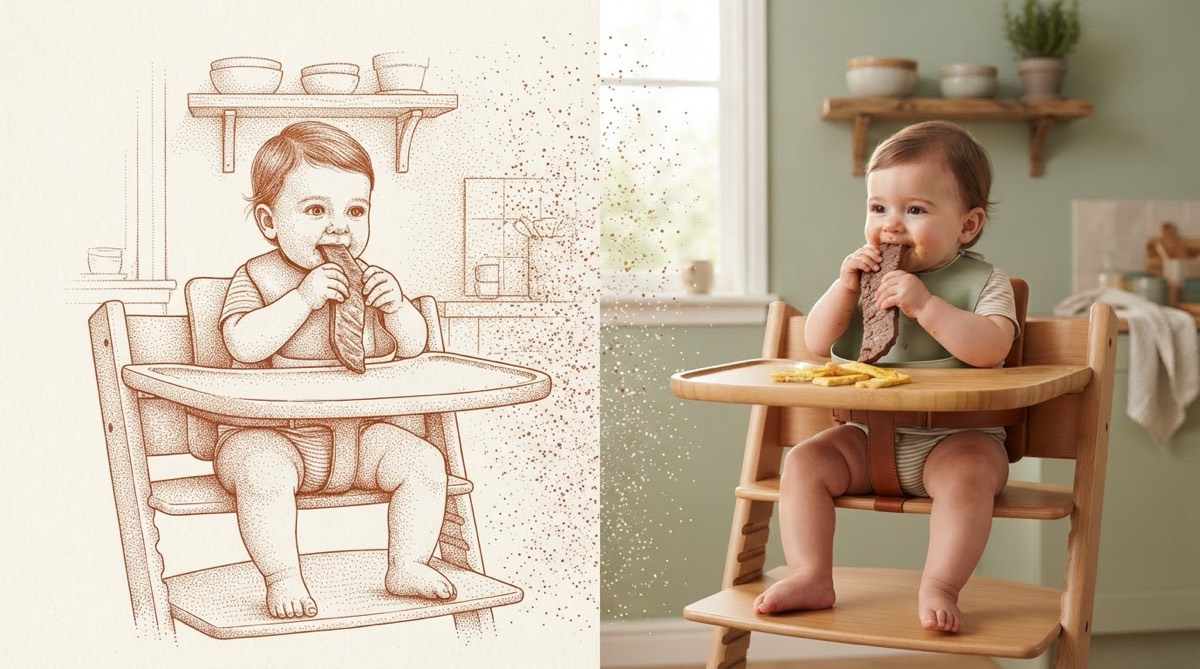
Babies are born with iron stores that run low at around 6 months, and from 7–12 months they need about 11 mg of iron a day, more than an adult man. Breast milk is low in iron, so offer an iron-rich food at every meal: meat, poultry, fish, egg, beans and lentils, tofu, or iron-fortified infant cereal. Pair plant iron with a vitamin C food like berries, tomato or bell pepper to help the body absorb it.
- From 7–12 months, babies need about 11 mg of iron a day
- Offer an iron-rich food at every meal
- Pair plant iron with a vitamin C food

STEP 1
Why do babies need iron?
Iron carries oxygen in the blood and is vital for brain development in the first two years. Babies build iron stores in the womb, but by about 6 months those stores are running low, right as growth speeds up.
| Age | Iron needed per day |
|---|---|
| 0–6 months | 0.27 mg (covered by iron stores and breast milk or formula) |
| 7–12 months | 11 mg |
| 1 to 3 years | 7 mg |
Iron-fortified formula covers a lot of this. Breastfed babies rely more on food, so iron at each meal matters even more for them.

STEP 2
What are the best iron-rich foods for babies?
There are two kinds of iron. Heme iron from meat, poultry and fish is absorbed well. Non-heme iron from plants, eggs and fortified foods is absorbed less, but vitamin C helps a lot.
Strips or ground
Small amounts
Mashed or in sauce
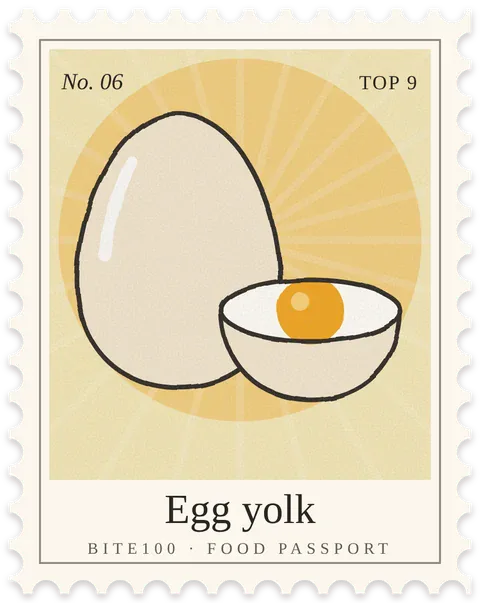
Omelet strips
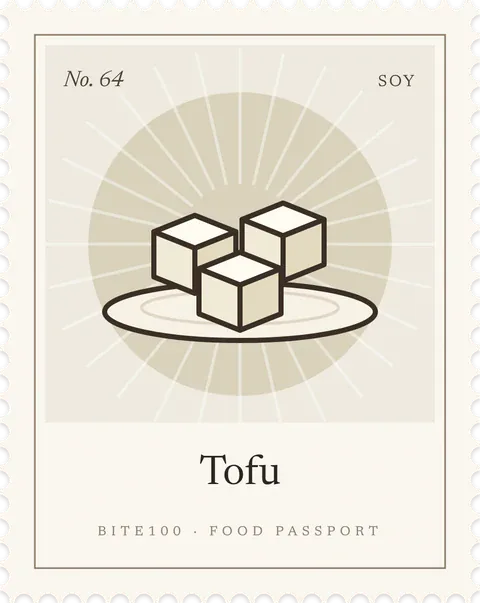
Firm cubes
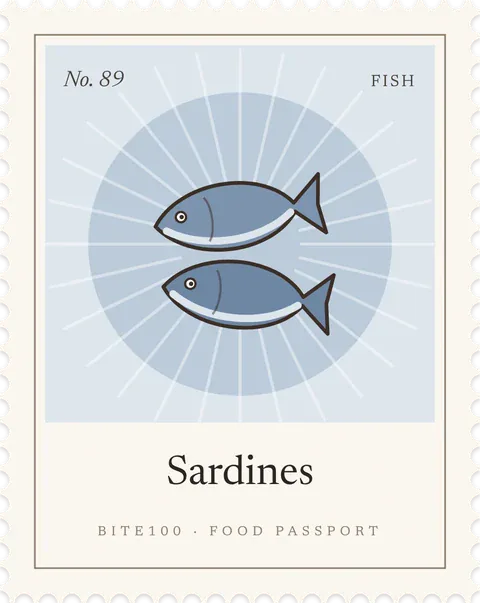
Mashed, boneless
| Food (typical baby serving) | Iron, about |
|---|---|
| Iron-fortified infant cereal, ¼ cup dry | 4–7 mg (check the label) |
| Chicken liver, 1 oz (28 g) cooked | 3 mg |
| Lentils, ¼ cup cooked | 1.6 mg |
| Spinach, ¼ cup cooked | 1.6 mg (absorbed poorly) |
| Chickpeas, ¼ cup cooked | 1.2 mg |
| Black beans, ¼ cup cooked | 0.9 mg |
| Egg, 1 large | 0.9 mg |
| Firm tofu, 1 oz (28 g) | 0.8 mg |
| Sardines, 1 oz (28 g) | 0.8 mg |
| Beef, 1 oz (28 g) cooked | 0.7 mg |
| Hemp seeds, 1 tablespoon | 0.8 mg |
Values are approximate, based on USDA FoodData Central. Heme iron from meat counts for more than its number suggests because it is absorbed 2 to 3 times better.
STEP 3
How can I help my baby absorb more iron?
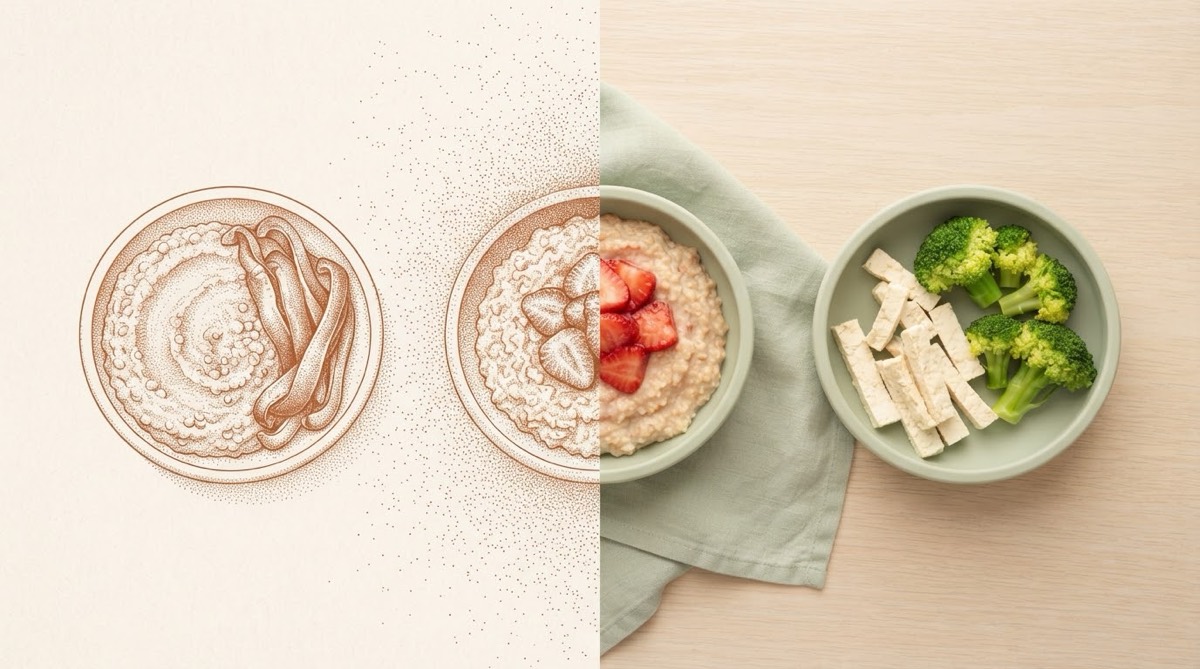
- Add vitamin C: serve plant iron with strawberries, kiwi, orange, tomato, bell pepper, broccoli or mango
- Mix meat with plants: a little meat or fish in a bean or lentil dish boosts absorption of the plant iron too
- Cook in cast iron: it adds small amounts of iron to food
- Keep milk separate: calcium can reduce iron absorption, so don’t serve a big milk feed at the same time as an iron-rich meal when you can avoid it
STEP 4
What does an iron-rich day look like?
Here is a sample day for a 9-month-old. It shows how iron adds up across meals, alongside breast milk or formula.
| Meal | Food | Iron, about |
|---|---|---|
| Breakfast | Iron-fortified oatmeal (¼ cup dry) with mashed strawberries | 4–7 mg |
| Lunch | Lentil and tomato sauce (¼ cup lentils) on pasta | 1.6 mg |
| Snack | Hummus on toast fingers | 0.5 mg |
| Dinner | Ground beef (1 oz) with broccoli and potato | 0.8 mg |
Formula adds more iron on top. Breastfed babies get very little iron from breast milk, which is why iron at each meal matters so much for them.

STEP 5
Easy iron-rich meals for babies
- Iron-fortified oatmeal with mashed raspberries and hemp seeds
- Ground beef and lentil sauce on soft pasta
- Omelet strips with finely chopped spinach and soft tomato
- Hummus on toast fingers with soft roasted pepper
- Flaked salmon or sardines mashed with avocado
- Crumbled tofu scramble with broccoli

STEP 6
Iron mistakes to avoid
Too much milk
Too much liver
Also skip juice as an iron helper. Whole fruit gives vitamin C without the sugar.
STEP 7
Signs of iron deficiency in babies
Mild iron deficiency often has no visible signs, which is why the AAP recommends a blood test (hemoglobin) at around 12 months. Possible signs include:
- Pale skin, lips or inner eyelids
- Tiredness, irritability or weakness
- Poor appetite or slow weight gain
- Frequent infections
- Craving non-food items like ice or dirt (pica) in toddlers
AVOID THESE
Common mistakes to avoid
- Serving mostly fruit, puffs and white grains with little iron
- Relying on spinach as the main iron source
- More than 24 oz of cow’s milk a day after 12 months
- Giving iron supplements without your pediatrician’s advice
- Serving liver often. Small amounts once a week are plenty
- Rice cereal every day. Rotate oat or multigrain cereals
GET HELP
When to call your pediatrician
Talk to your pediatrician about iron if baby:
- Was born early or with a low birth weight
- Is exclusively breastfed and eats few iron-rich foods
- Drinks a lot of milk and eats little food
- Is pale, tired, irritable or not growing well
- Follows a vegetarian or vegan diet
Iron-rich foods for babies: questions parents ask
How much iron does a baby need?
Babies aged 7–12 months need about 11 mg of iron a day. From 1 to 3 years, they need about 7 mg a day. Babies under 6 months need very little because they have iron stores from birth.
What foods are high in iron for babies?
The best iron sources for babies are red meat, dark poultry meat, liver, fish like sardines, eggs, beans and lentils, tofu, and iron-fortified infant cereals. Pair plant sources with a vitamin C food to boost absorption.
When should babies start iron-rich foods?
From the start of solids, at around 6 months. Iron stores from birth run low at this age, so an iron-rich food at each meal is a good habit from day one.
Do breastfed babies need iron supplements?
Some do. The AAP suggests an iron supplement for exclusively breastfed babies from 4 months until they are eating enough iron-rich foods. Ask your pediatrician what is right for your baby.
Is spinach a good source of iron for babies?
Spinach contains iron, but compounds called oxalates block most of it from being absorbed. It is still a healthy food, but rely on meat, fish, eggs, beans, lentils and fortified cereals for iron.
Do babies need iron-fortified cereal?
Not necessarily. Iron-fortified cereal is an easy iron source, but babies who eat meat, fish, eggs, beans or lentils regularly can meet their needs without it. If you use cereal, choose oat or multigrain rather than rice every day.
Can too much milk cause iron deficiency?
Yes. After 12 months, drinking more than 24 oz (710 mL) of cow’s milk a day can fill toddlers up, crowd out iron-rich foods and irritate the gut. Keep whole milk to about 16 to 24 oz a day.
Is liver safe for babies?
Yes, in small amounts. Liver is very rich in iron, but it also contains a lot of vitamin A. Offer about 1 oz (28 g), no more than once a week.
How do vegetarian babies get enough iron?
Serve beans, lentils, tofu, eggs, fortified cereals, and nut and seed butters at every meal, always with a vitamin C food. Ask your pediatrician whether a blood test or supplement makes sense.
Which fruit has the most iron for babies?
Fruit is generally low in iron. Dried apricots and prunes have a little, but they are better known for vitamin C or fiber. Use fruit to boost absorption of iron from other foods, rather than as an iron source.
Keep reading
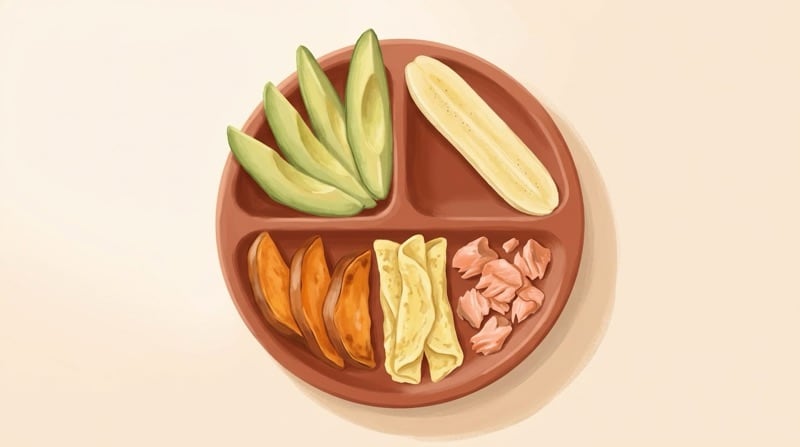 The best first foods for baby
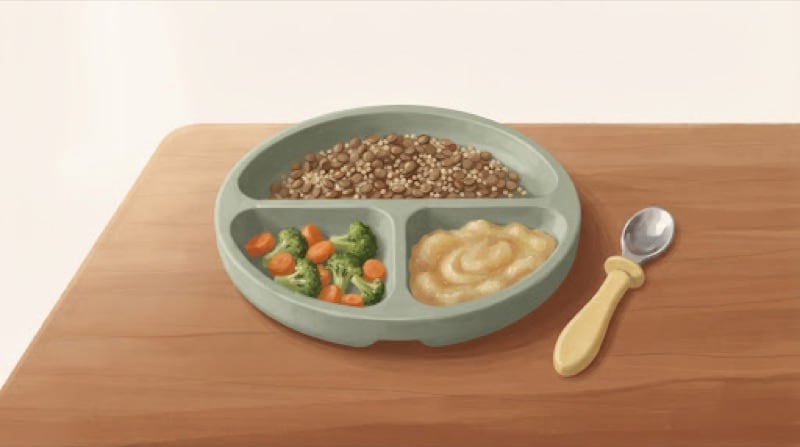 8-month-old: how much food?
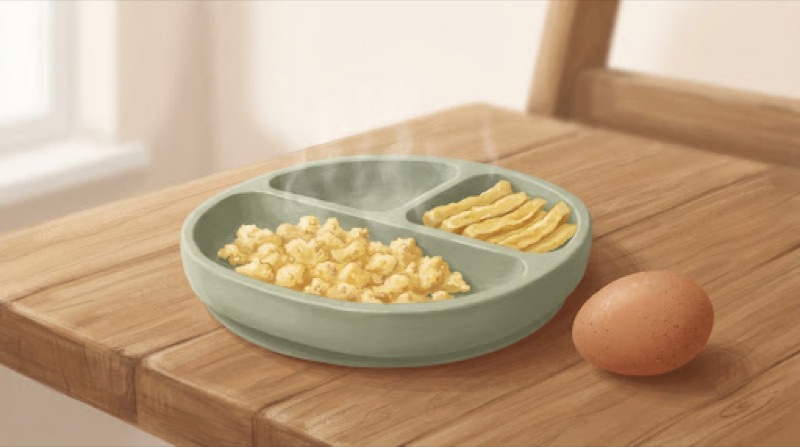 How to introduce egg
Recipe collectionsBaby purée recipesBaby oatmeal recipes
- CDC: Iron for infants and toddlers
- NIH Office of Dietary Supplements: Iron fact sheet
- AAP (HealthyChildren.org): Starting solid foods
- USDA FoodData Central
This guide is written for healthy, full-term babies and doesn’t replace your pediatrician. If your baby was born early, has a medical condition, feeding or swallowing difficulties, or a known allergy, check with them first (medical disclaimer). Reviewed by our dietitians.