
100 foods before 1, one stamp at a time.
Bite100 is a food passport for starting solids, from 6–12 months. Check off first foods for baby, for baby-led weaning or purees, and earn a stamp for every new taste.

Bearer
 B100
12·10
- Name
- Leo
- Age
- 7 months
- First bite
- 12 Oct 2026
P<B100LEO<<FIRST<FOODS<<<<<<
0842<<7MO<<26<100<<<<<<<<
Food stamps
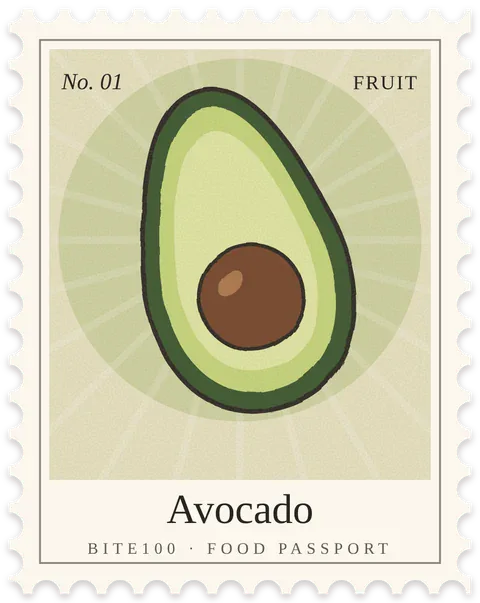 TASTED12 OCT
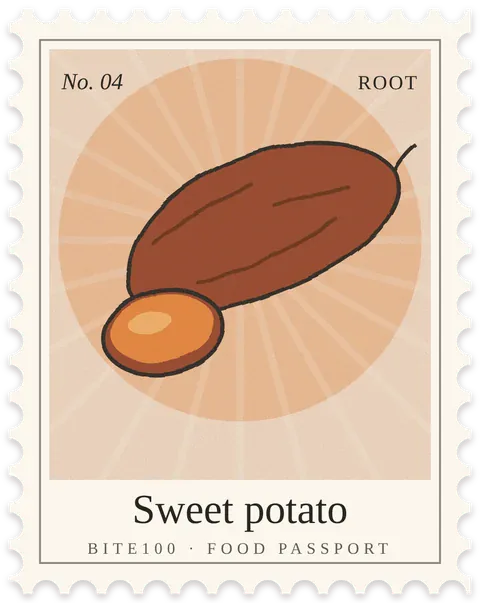 TASTED14 OCT
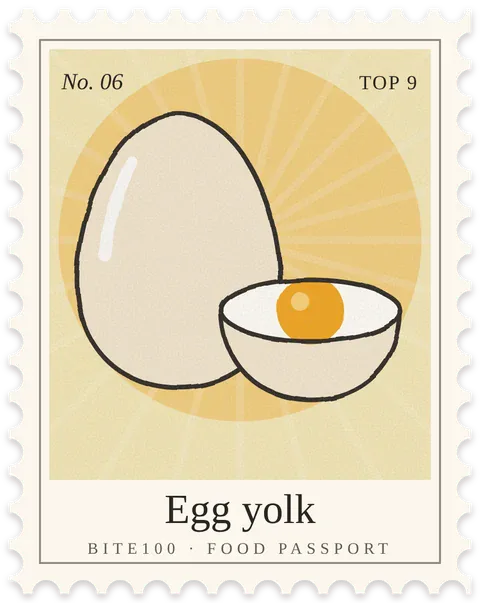 TASTED20 OCT
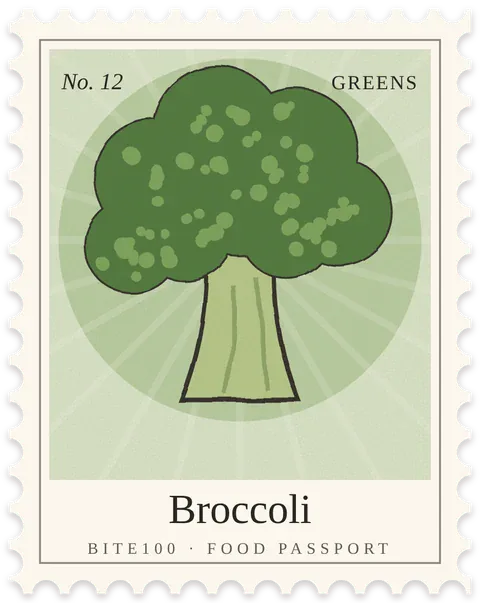 TASTED23 OCT
Example passport · Leo, 7 months
Five stages, from first lick to family table
Watch baby evolve from hesitant first lick to confident table diner with clear developmental milestones.
 ✓
Taster
First single tastes, texture curiosity & tongue thrust exploration.
First tastes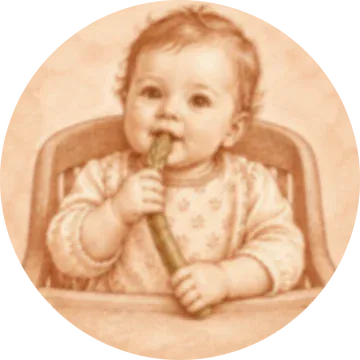 2
Nibbler
Palmar grasp practice, finger spear handling, soft gumming.
Around 25 foods
Chomper
Rotary jaw chewing, resistant food sticks, family meal adaptations.
Around 50 foods
Pincer Pro
Fine two-finger grasping, quartered or squashed blueberries, open-cup sipping.
Around 75 foods
100 Bites Club
Full omnivore table plate, 9 allergens cleared, fearless dining.
All 100 foodsMissed a day? Your plate waits for you.
Your passport never resets to zero and stamps never expire. Teething days, tummy bugs, busy travel schedules, and milk-only days don’t cancel your progress. Pick up the next bite whenever baby is ready.
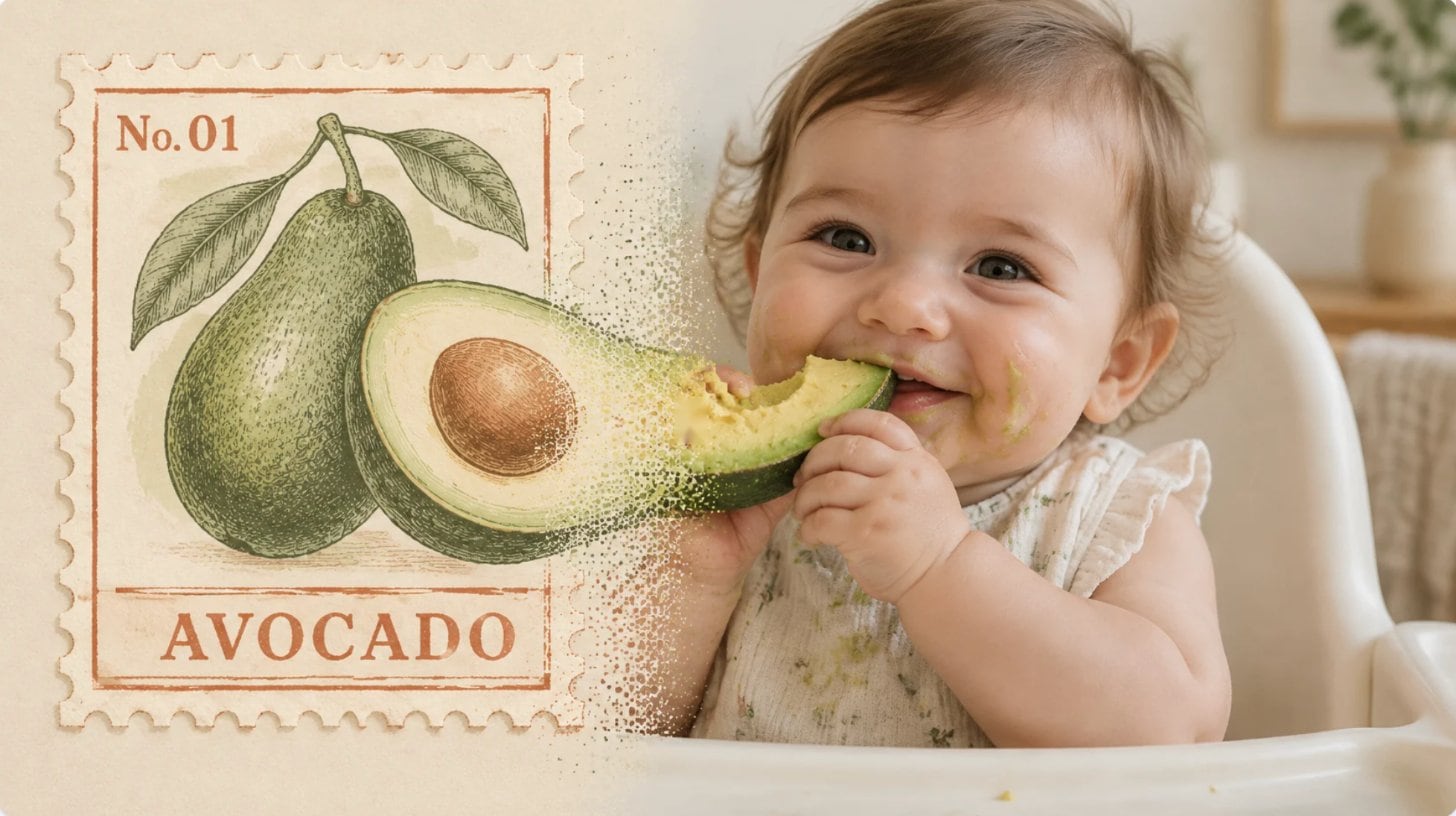
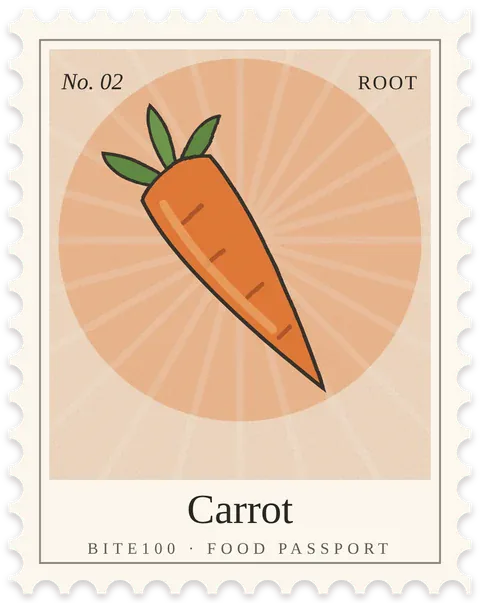
Collect all 100: A feast of stamps for baby’s memory box
Example page from Leo’s passport. Every new taste earns its stamp, in the app or in the printed linen book.
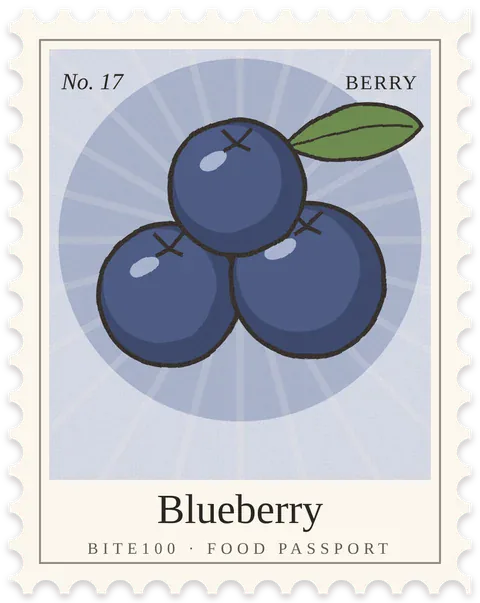
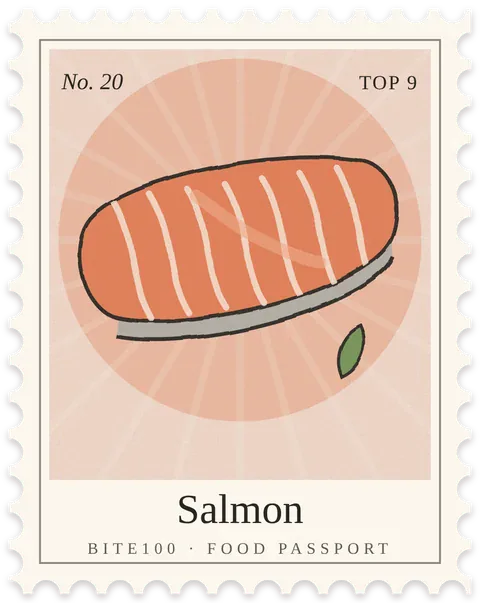
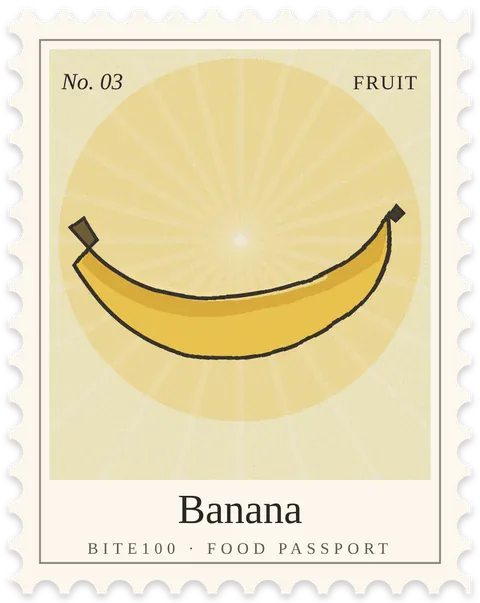
Milestone seals along the way
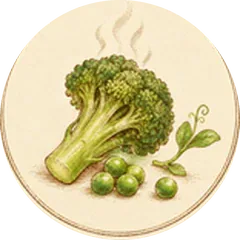 EARNED
First Green
First green vegetable tried.
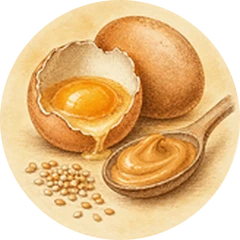 EARNED
Allergen Brave
First 3 allergens introduced.
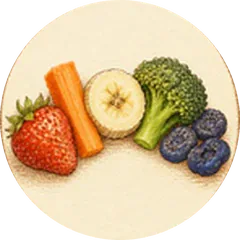 EARNED
Rainbow Week
Five food colors in one week.
Three steps, every meal
From the first spoonful to the hundredth food, Bite100 tells you what to try, how to serve it, and keeps track for you.
- 1Pick a food
Know what to try next
Get a daily suggestion that fits your baby’s age and what they’ve tried, from 100 first foods, iron-rich picks and the Top 9 allergens.
Browse the foods → - 2Serve it safely
Prepare it for their age
Every food shows when babies can have it, the right texture or cut for each stage, and what to watch for, reviewed by our dietitians.
See textures by age → - 3Track it
Log it, earn the stamp
Tap how the meal went and note any reactions in seconds. Each new food earns a stamp, and allergens get reminders to stay in the diet.
Try the app demo →
 Loved it
 Not sure
 Learning
Free for 7 days, no card needed. Health content reviewed by our dietitians.
Recipes for every stage
Finger-friendly meals adapted for tiny hands and family tables.
Baby recipes • 6–12 months
Finger shapes by age, no added salt or sugar. Naturally nutrient-dense spears and soft-cooked mash handles.
Toddler recipes • 12–36 months
One family meal, two plates. Less prep time with gentle spice blends and iron-boosted toddler favorites.
Textures and cut sizes, 6–12 months
Pick your baby’s age to see the right texture and size, from first purees to family food.
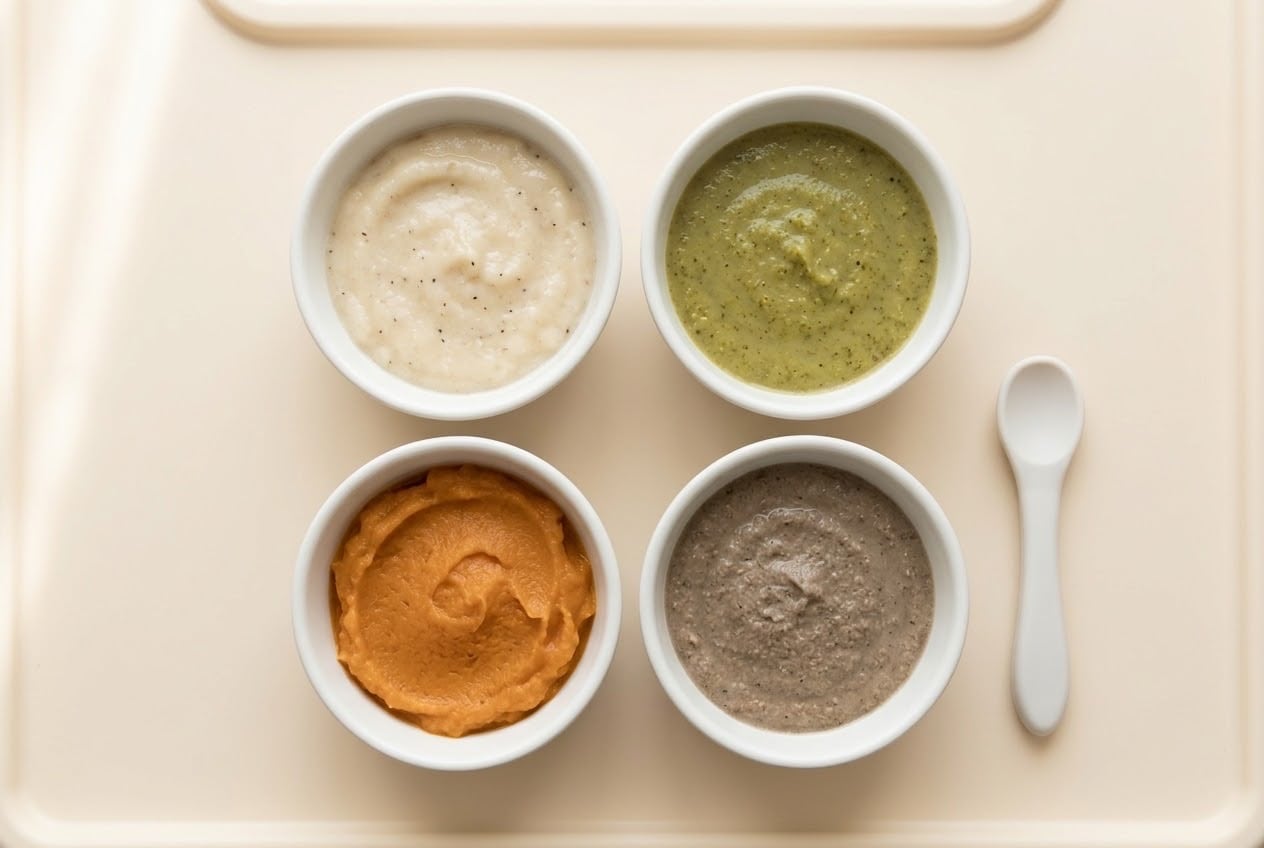
6 mo · Smooth purees
Start with smooth purees on a spoon.
- Smooth purees on a spoon, thinned with breast milk, formula or cooking water if needed
- Start with a few spoonfuls and follow baby’s cues
- Move on to thicker, lumpier textures within a few weeks
On the tray
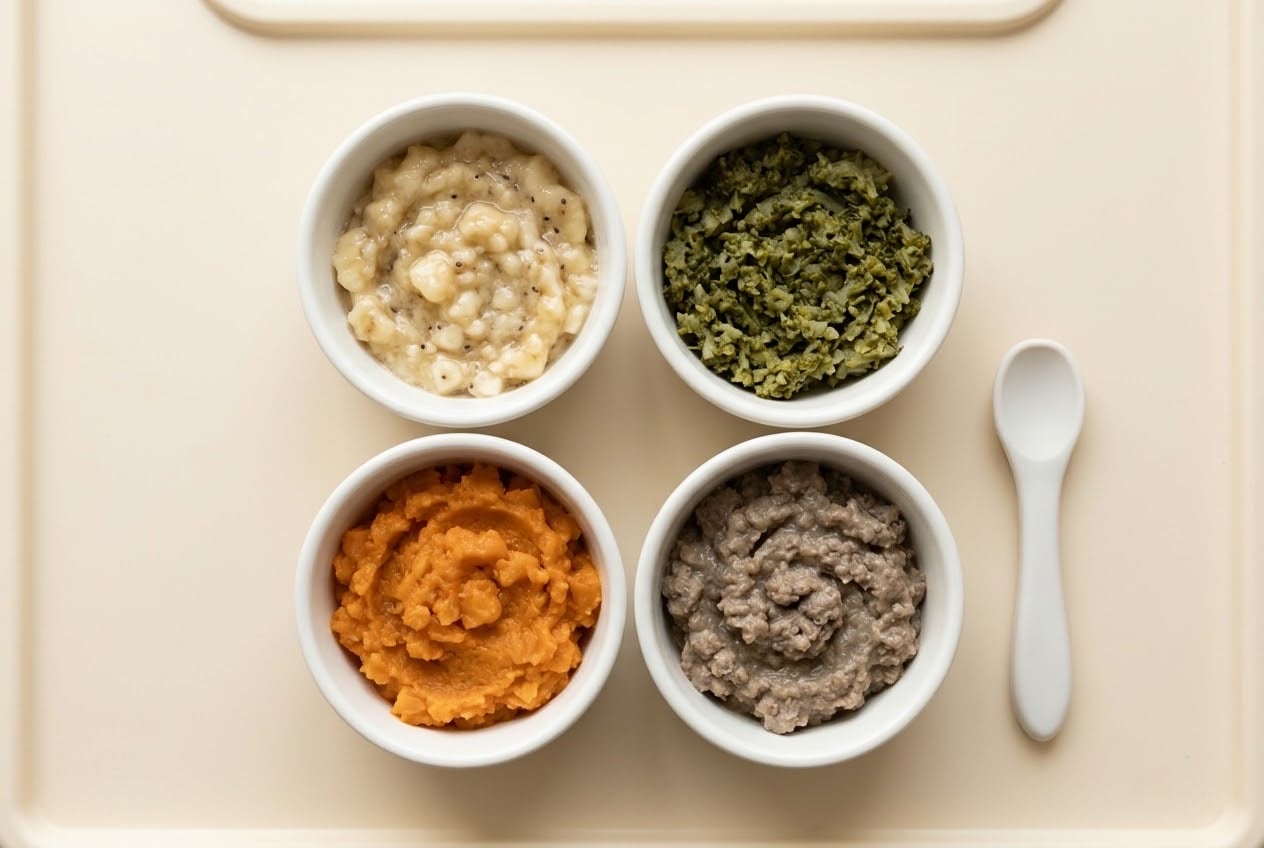
7–8 mo · Lumpy mashes
Move on to thicker, lumpier mashes.
- Fork-mash instead of blending, leaving small soft lumps
- Thicker textures help baby learn to chew
- Let baby hold a preloaded spoon to practice
On the tray
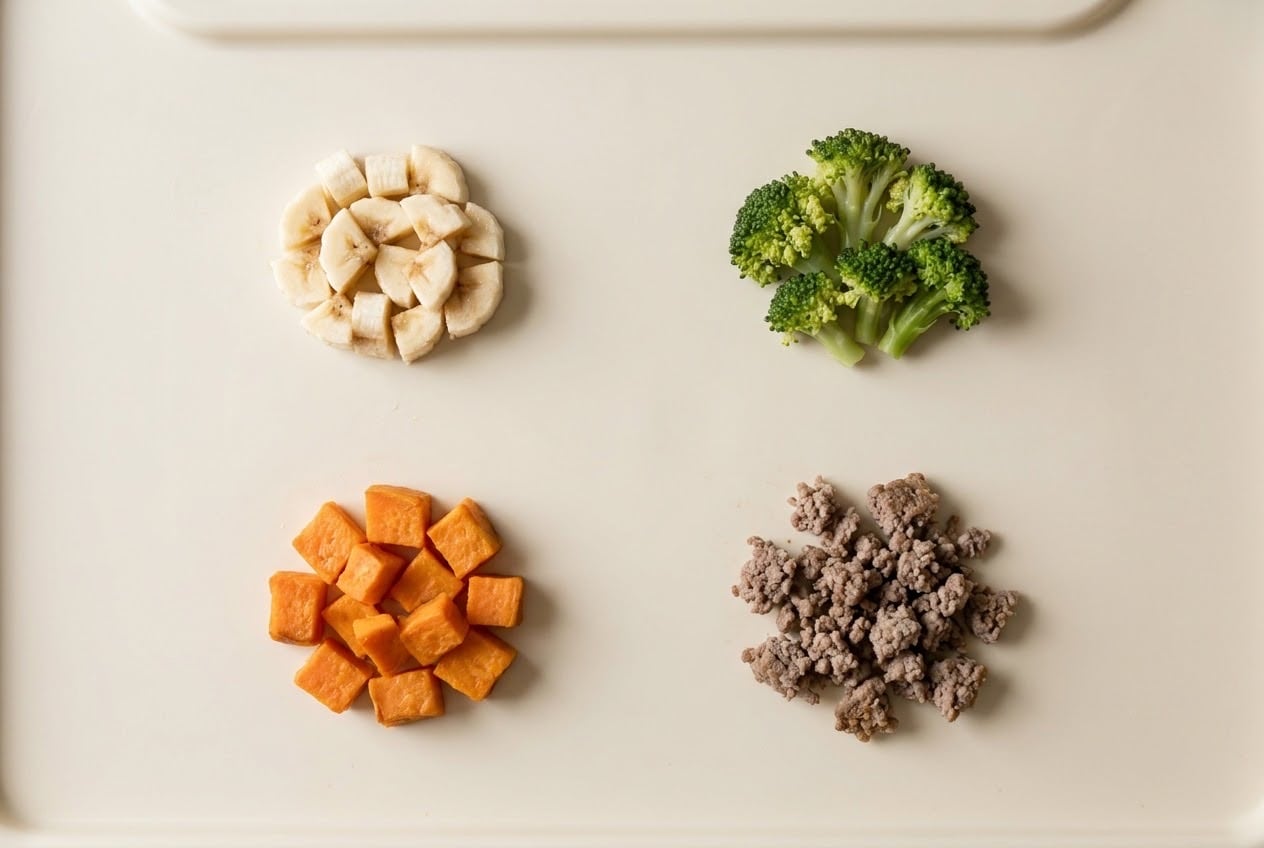
9–10 mo · Pincer grasp
Thumb and finger start working together.
- Small, bite-size pieces, about the size of a chickpea
- Still soft: the squish test still applies
- Quarter round foods like grapes lengthwise
On the tray
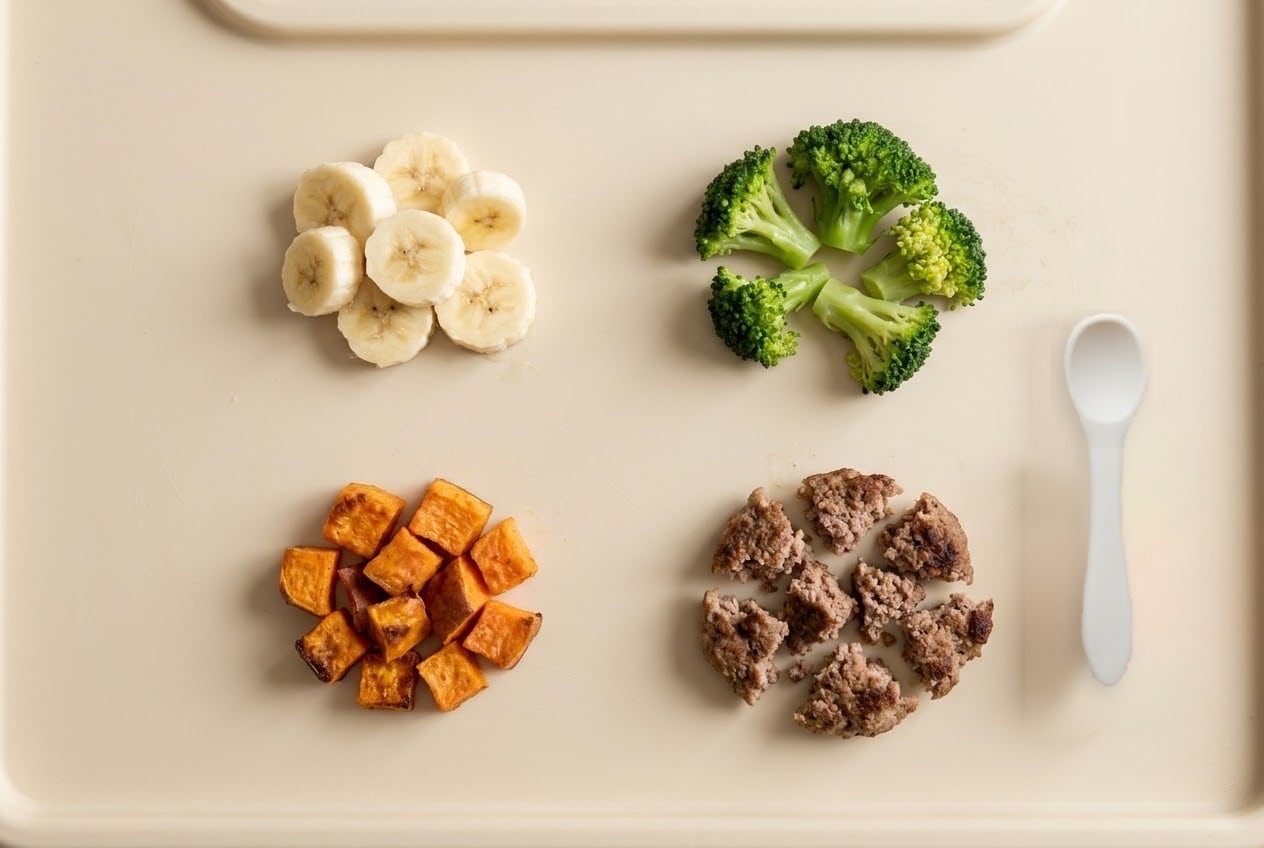
11–12 mo · Family table
Baby bites and chews more, and practices with a preloaded spoon.
- Small, bite-size pieces from the family meal
- Slightly firmer is fine if it’s easy to chew
- Keep round foods quartered and skip hard raw chunks
On the tray
At every age, seat baby upright and stay close while they eat. No added salt or sugar, and no honey before 12 months.
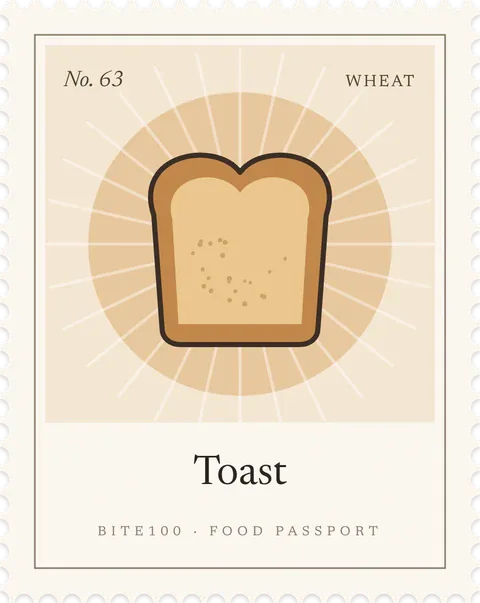
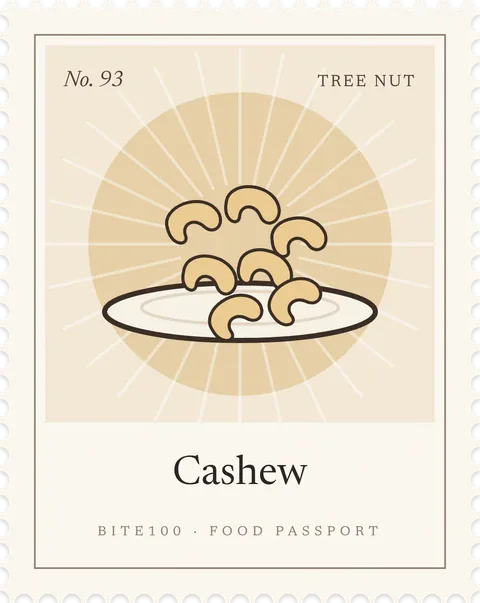
Allergen bingo for your fridge
Nine allergens, one at a time. Fill three dots, earn the stamp.
downloadDownload free bingo (PDF)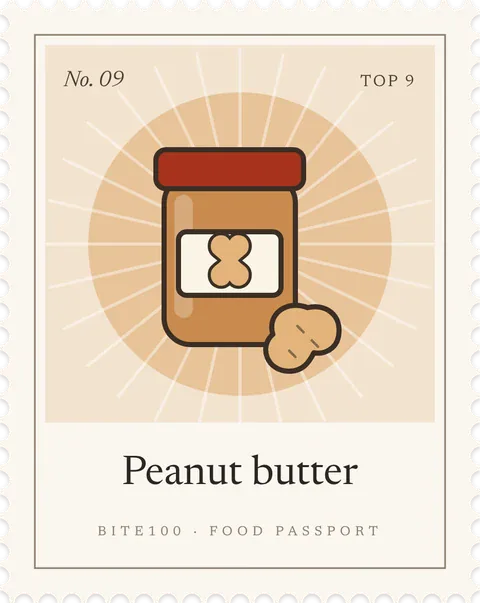 ✓✓
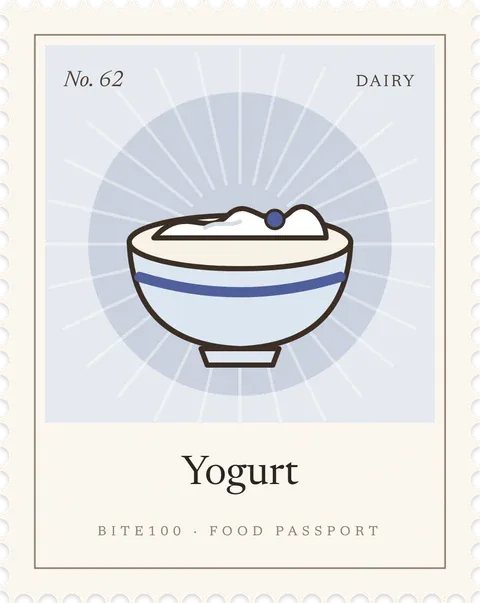 ✓
 ✓✓
 Now
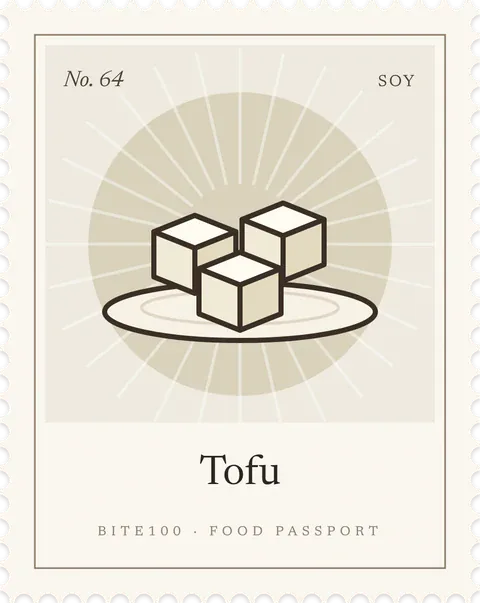
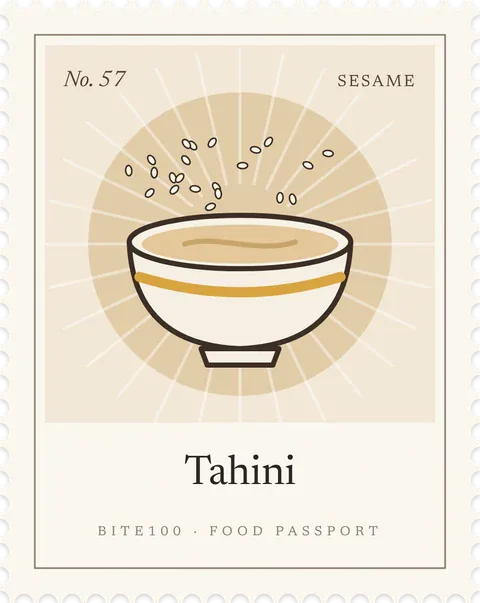
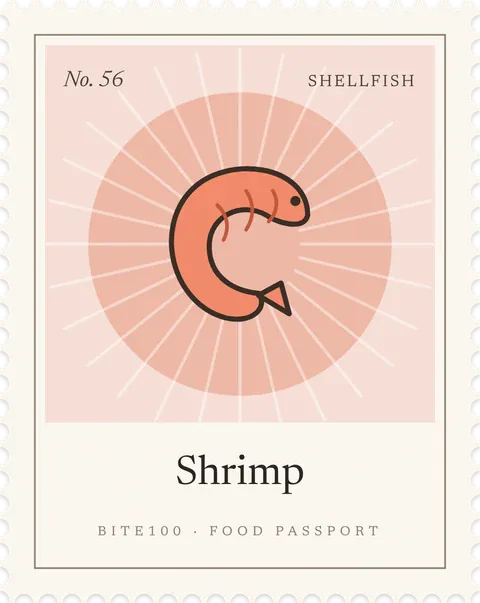
5 of 9 stamped
Two simple ways to keep the passport going
Monthly
$6.99a month
- checkAll 100 food stamps & how to cut them
- checkTop 9 allergen plan
- checkDaily log & reminders
- checkCancel anytime, keep every stamp
No card needed
Lifetime Pass
$49once, for every child
- checkAll 100 food stamps & how to cut them
- checkTop 9 allergen plan
- checkDaily log & reminders
- checkPay once, nothing renews
No card needed
100 foods before 1: questions parents ask
What does “100 foods before 1” mean?
It is a popular goal of offering your baby 100 different foods between starting solids, at around 6 months, and their first birthday. It is not a medical rule. The aim is variety: lots of flavors and textures, iron-rich foods, and early, regular exposure to the Top 9 allergens.
Does my baby really need to eat 100 foods before age 1?
No. 100 is a motivating target, not a requirement. Offering a food again and again matters as much as offering new ones, and a taste counts even if most of it lands on the floor. Pick up wherever you are; the passport never resets.
Is it 100 foods or 101 foods before one?
They are the same idea. Some lists say “101 foods before one”, others “100 foods before 1”; the exact number is only a target. Bite100’s passport has 100 stamps to fill, and the food library covers 650+ foods if your baby wants to keep going.
Is there a free 100 foods before 1 checklist?
Yes. The full list of 100 passport foods is free to use. Filter it by fruit, veggies, protein, grains, dairy or the Top 9 allergens, and tap any food to see how to serve and cut it by age. Tick foods off in the app, or stick a stamp in the printed passport.
When should I start solids?
Most babies are ready for solids at around 6 months. Look for the signs together: sitting with little support, steady head control, bringing things to the mouth, and no longer pushing food straight back out with the tongue. Ask your pediatrician if you are unsure.
What are good first foods for a baby?
Soft, iron-rich foods are a great start: well-cooked meat or lentils, egg, iron-fortified cereal, and soft fruit and vegetables such as avocado, banana and sweet potato. Offer the Top 9 allergens early too. The first foods guide lists the best ones by age.
How fast can I introduce new foods to my baby?
For most foods there is no need to wait 3 to 5 days between new ones, so a few new foods a week is fine. With the Top 9 allergens, offer one new allergen at a time, earlier in the day, and give it a couple of days before the next new allergen so any reaction is easy to spot.
Does Bite100 work for baby-led weaning and purees?
Yes. Every food shows how to serve it by age, as a mash or puree on a spoon or as a finger food for baby-led weaning, so you can mix both styles.
Which allergens should I introduce in the first year?
The Top 9: peanut, egg, dairy, soy, wheat, tree nuts, fish, shellfish and sesame. Bite100’s allergen plan introduces them one at a time, then keeps each one in your baby’s diet a few times a week.
How much does Bite100 cost?
You can try it free for 7 days with no card. After that, it’s $6.99 a month (cancel anytime), or $49 once for the Lifetime Pass, which works for every child.
Not sure your baby is ready? Take the 6-sign readiness quiz or read the starting solids guide.
Health content reviewed by our dietitians • Based on AAP & NIAID guidance
Bite100 provides educational nutrition guides and is not a substitute for individualized advice from your baby's pediatrician.