Baby Purée Recipes: Homemade Baby Food by Stage
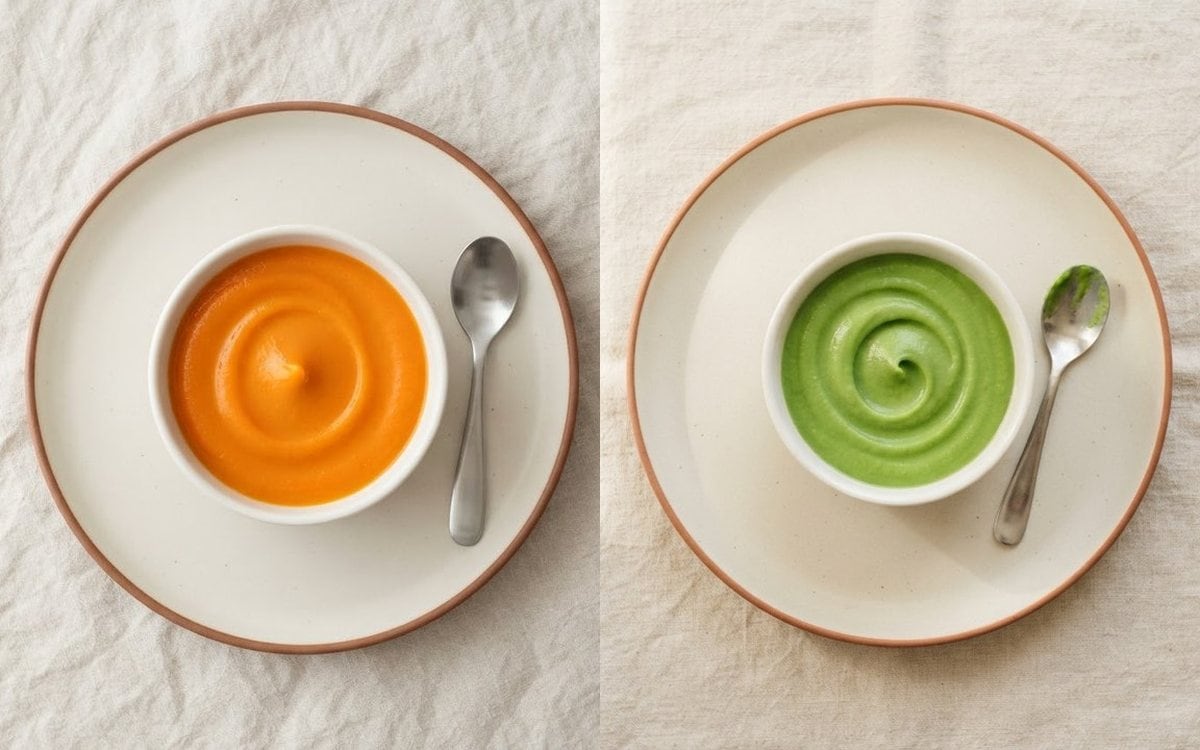
Homemade baby food takes little more than a steamer, a blender and an ice cube tray. Start at around 6 months with smooth single-vegetable and fruit purées, add iron-rich meats and lentils early, then move to thicker, lumpier mashes within a few weeks.
Quick answer
- Start solids at around 6 months, when your baby sits with support and shows interest. Try our readiness quiz.
- Offer iron-rich purées early (beef, chicken, lentils, fortified cereal), because a baby's iron stores run low around 6 months.
- Move on from smooth purées to thicker, lumpier textures by 7–8 months. See purées to finger foods.
- Homemade purées keep 3 days in the fridge and 3 months in the freezer. Freeze them in ice cube trays.
First purées: 6 months
Single vegetables and fruits blended completely smooth. Offer one or two spoonfuls to start.
 6 mo+
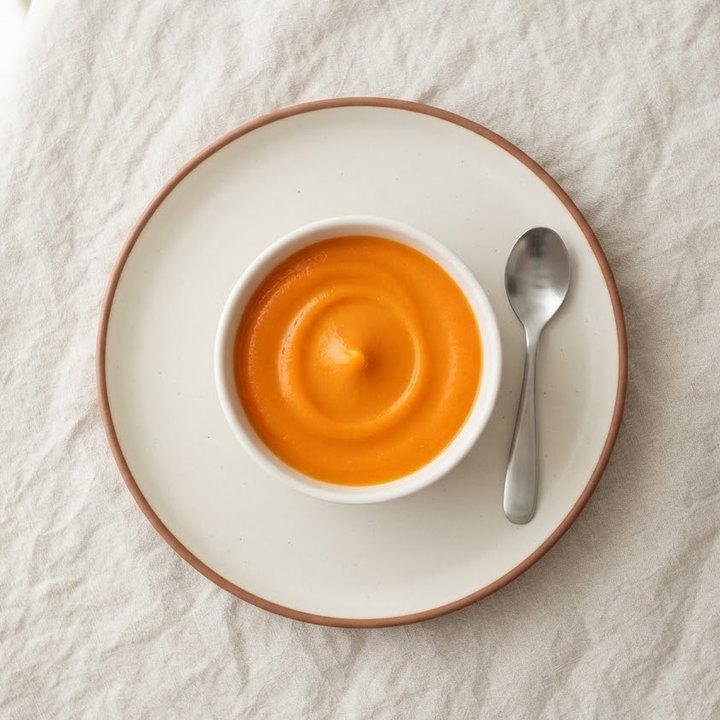
Carrot Purée for Baby
Naturally sweet and easy to batch.
 6 mo+
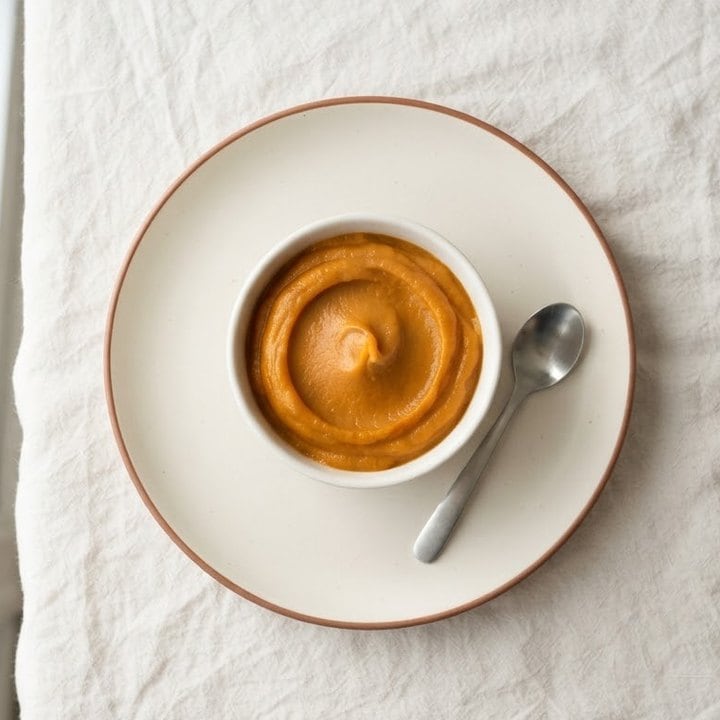
How to Make Sweet Potato Baby Food (Puree)
Bake it for the best flavour.
 6 mo+
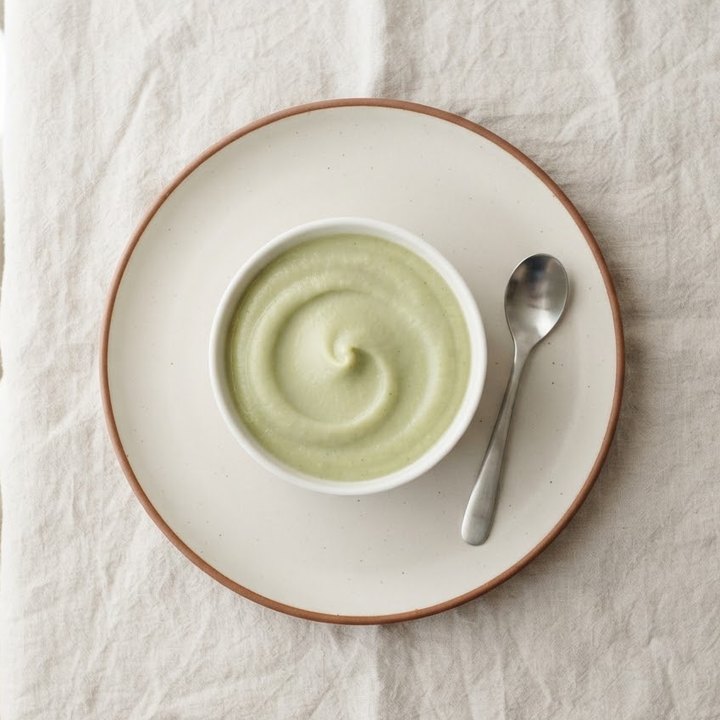
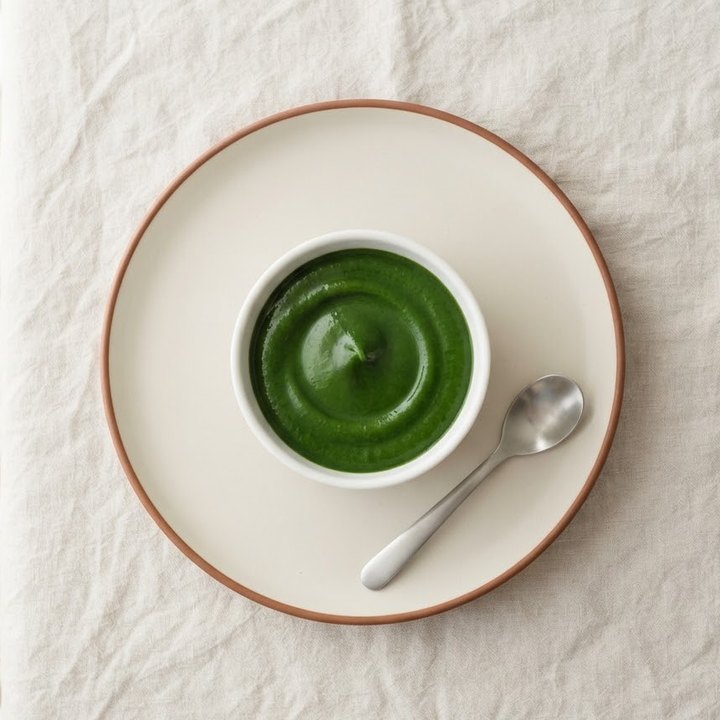
Broccoli Purée for Baby
Potato softens the bitter edge.
 6 mo+
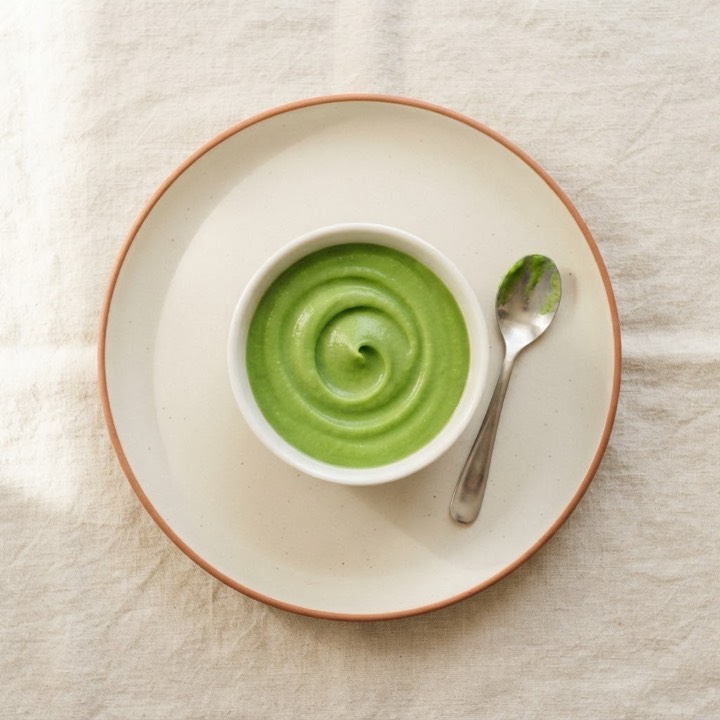
Spinach & Pear Purée for Baby
Pear makes the greens gentle.
 6 mo+
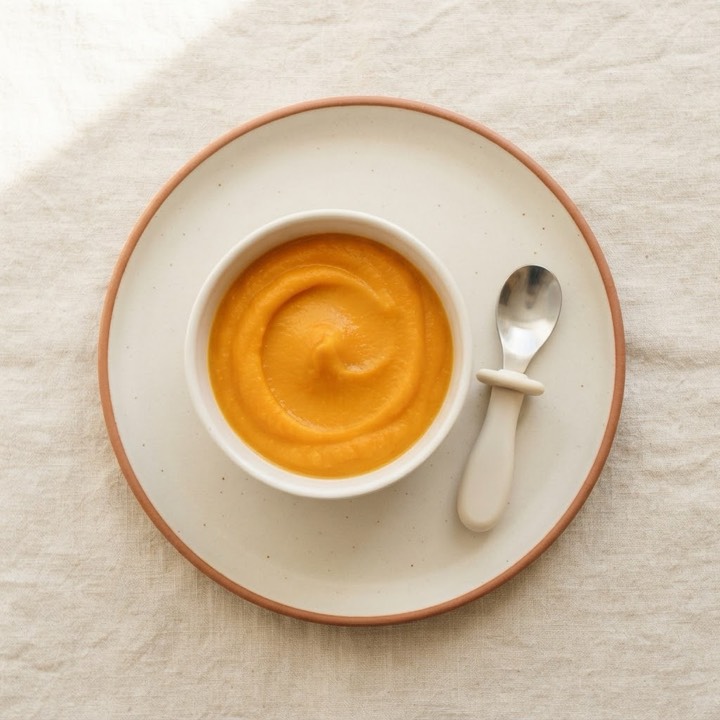
Pea Puree for Baby: Smooth Sweet Pea Puree
Sieve out the skins for a silky purée.
 6 mo+
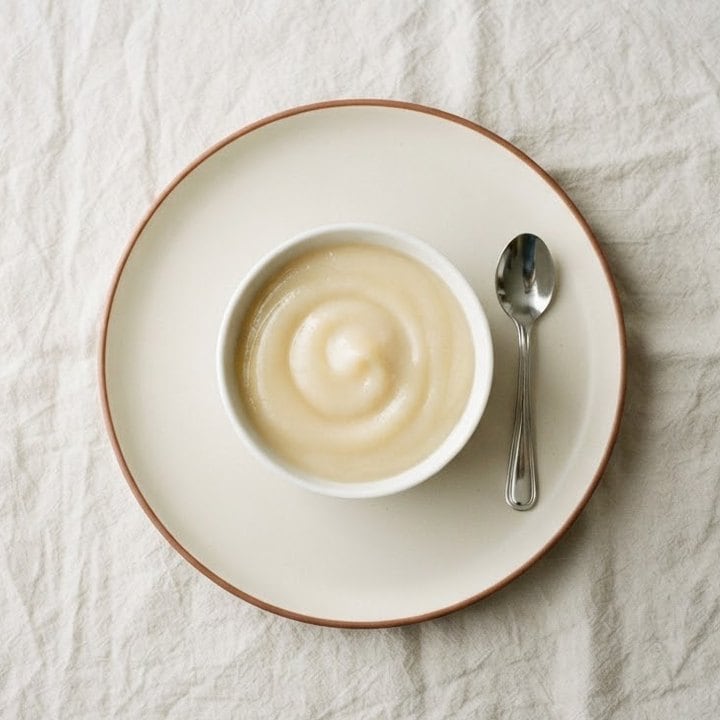
Butternut Squash Puree for Baby (Roasted)
Roasting brings out the sweetness.
 6 mo+
Pear Purée for Baby
Gentle on little tummies.
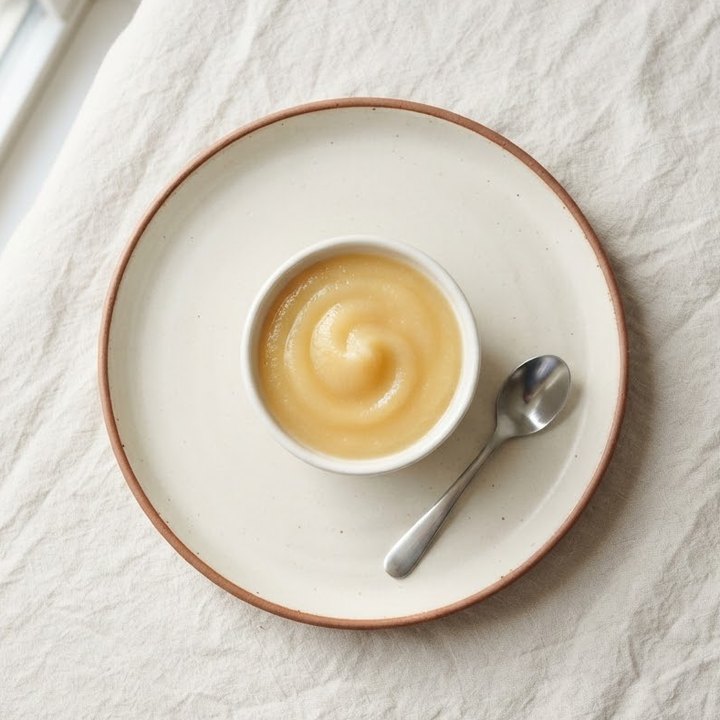 6 mo+
Apple Purée for Baby
Homemade applesauce with no added sugar.
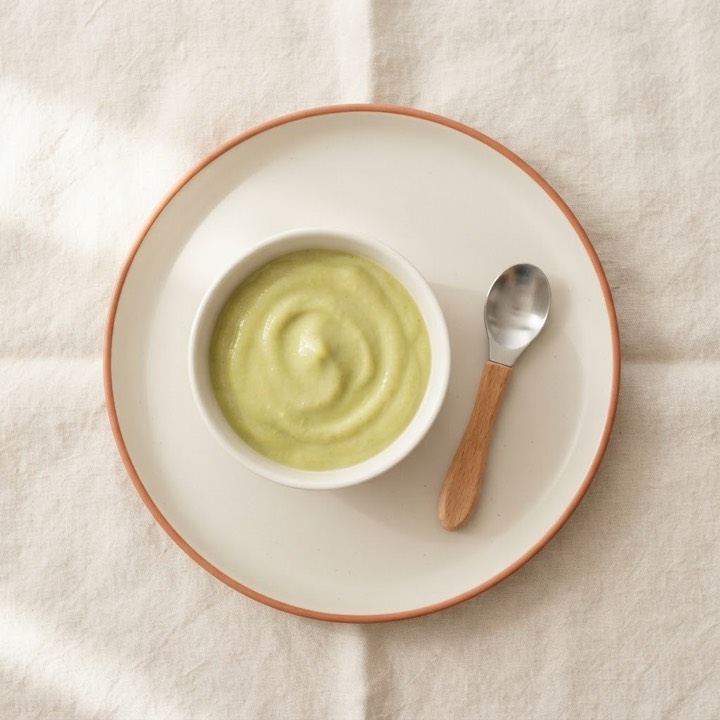 6 mo+
Avocado Banana Puree for Baby (No-Cook, 5 Min)
No cooking: just mash and serve.
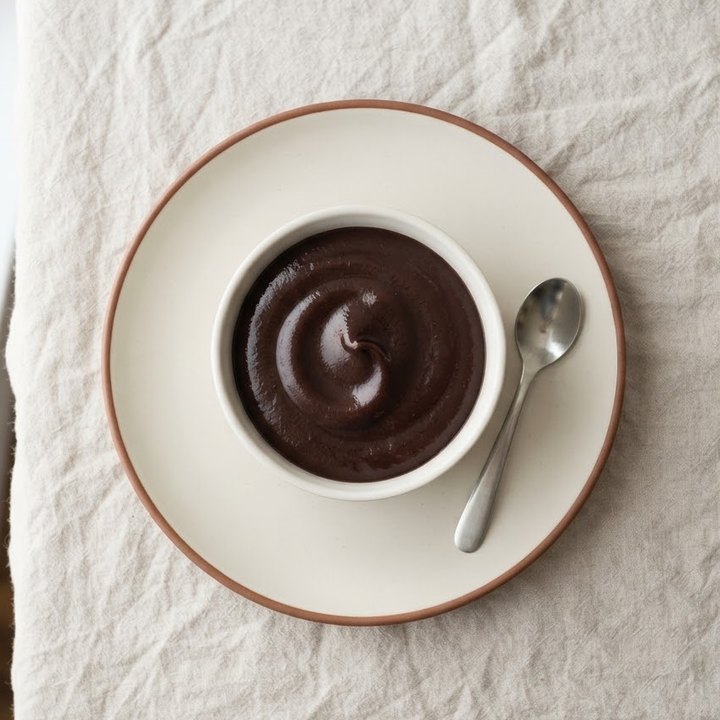 6 mo+
Prune Purée for Baby
A spoonful helps with hard stools.
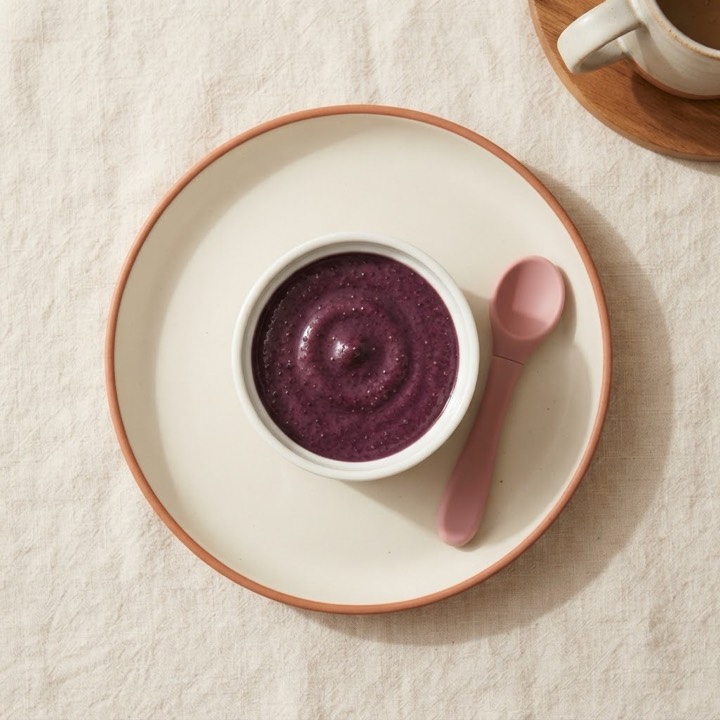 6 mo+
Blueberry Puree for Baby: Easy Blueberry Baby Food
Warm blueberries cooked down smooth.
 6 mo+
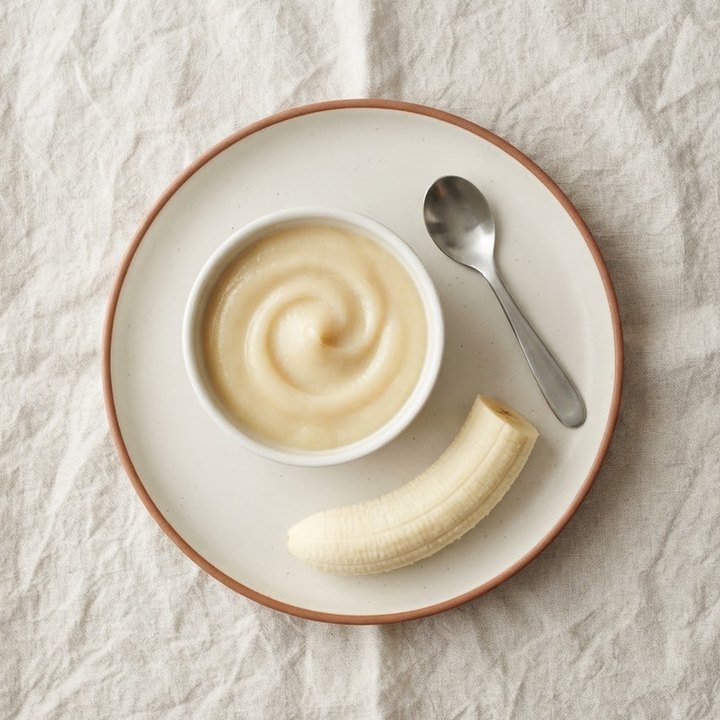
Banana Purée for Baby
No cooking: mash and serve.
 6 mo+
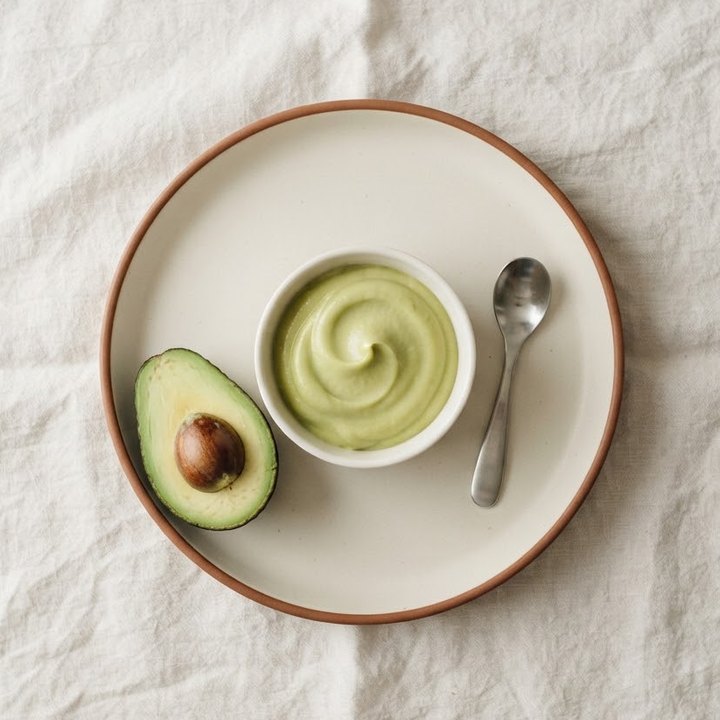
Avocado Purée for Baby
Creamy healthy fats, no cooking.
 6 mo+
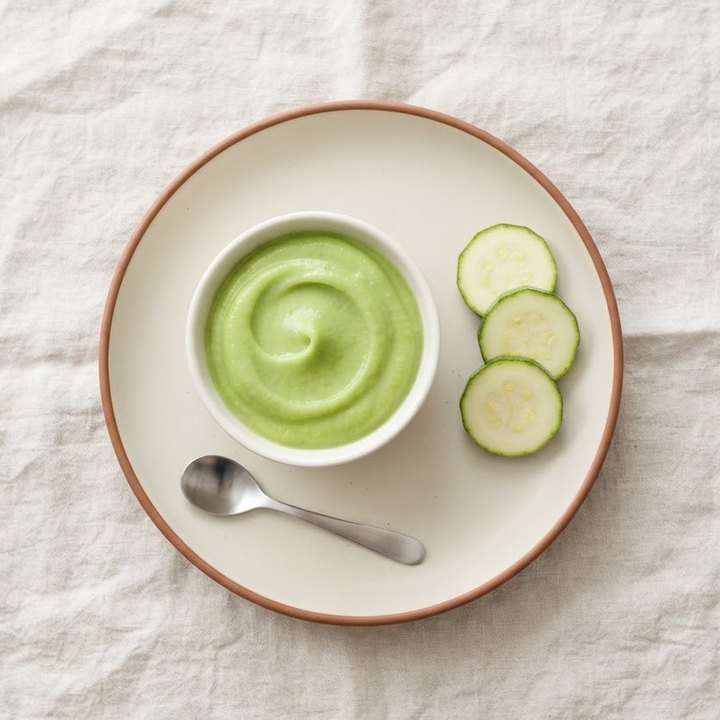
Zucchini Purée for Baby
Mild green purée that freezes well.
Iron-rich purées
Meat, fish and lentils blended smooth with a vegetable. Offer them early and often.
 6 mo+
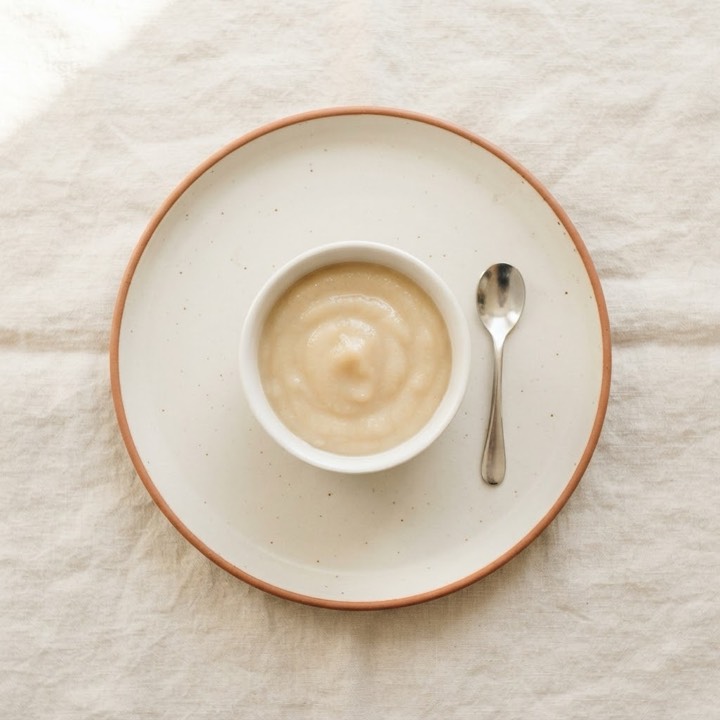
Beef Puree for Baby (with Sweet Potato)
Beef is one of the richest sources of iron.
 6 mo+
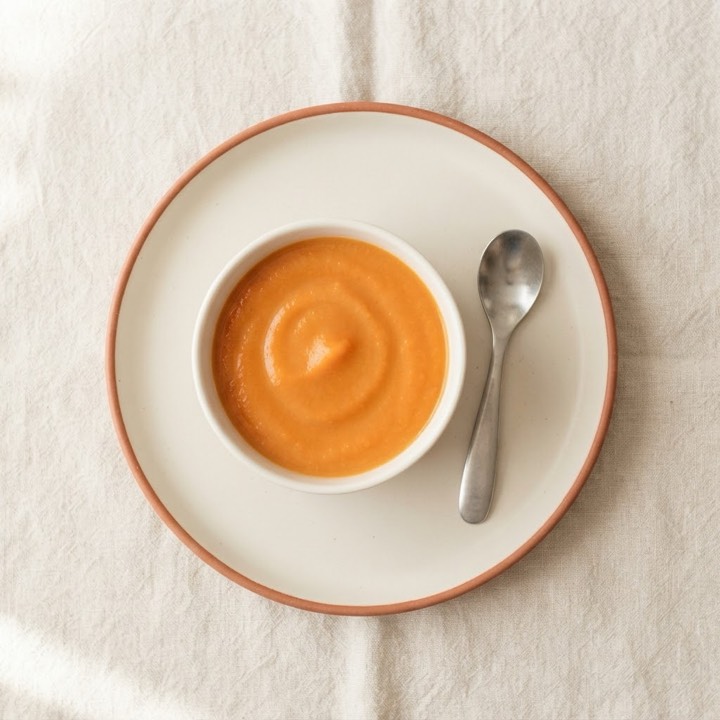
Chicken Puree for Baby (with Apple, 6 Months+)
Apple keeps the chicken moist.
 6 mo+
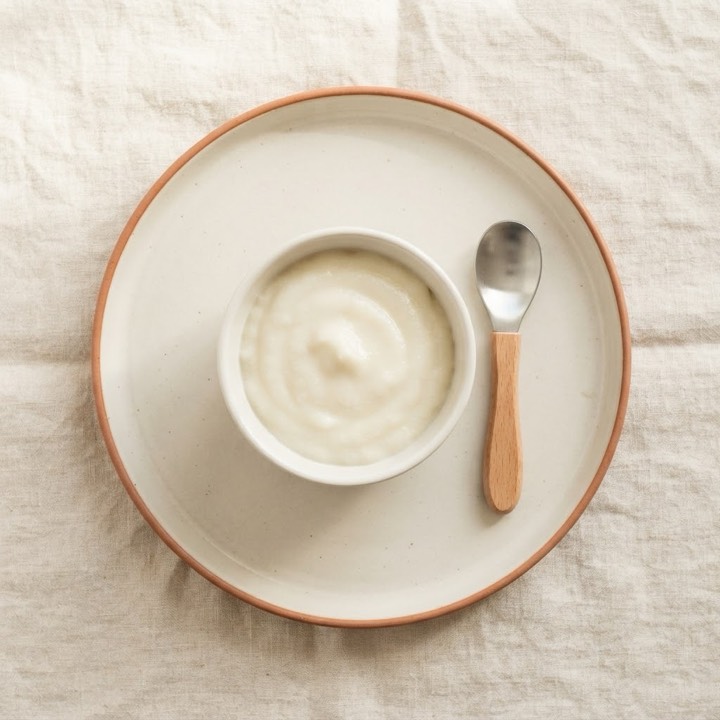
Lentil Puree for Baby (Red Lentil & Carrot)
Plant iron plus vitamin A.
 6 mo+
Cod & Cauliflower Purée
A gentle first fish.
Thicker mashes: 7–8 months
Fork-mashed with soft lumps, to teach chewing. Serve these alongside soft finger foods.
 7 mo+
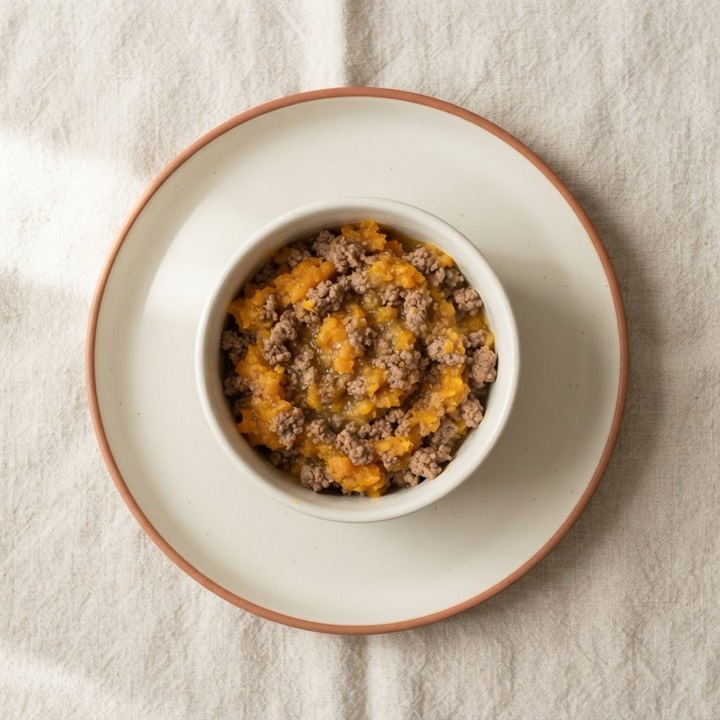
Beef & Butternut Mash
Soft lumps of beef and squash.
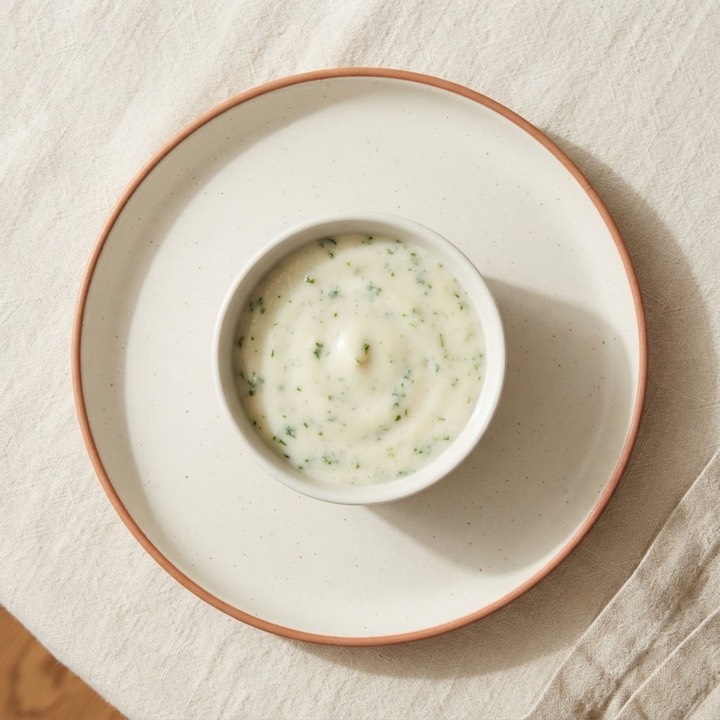 7 mo+
White Bean & Spinach Mash
Creamy beans with greens.
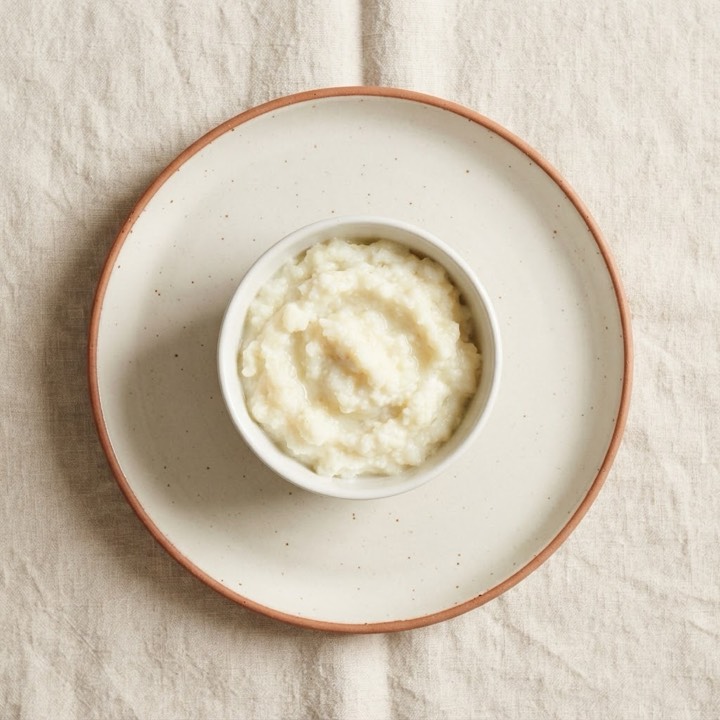 7 mo+
Cauliflower Ricotta Mash
Mild and creamy.
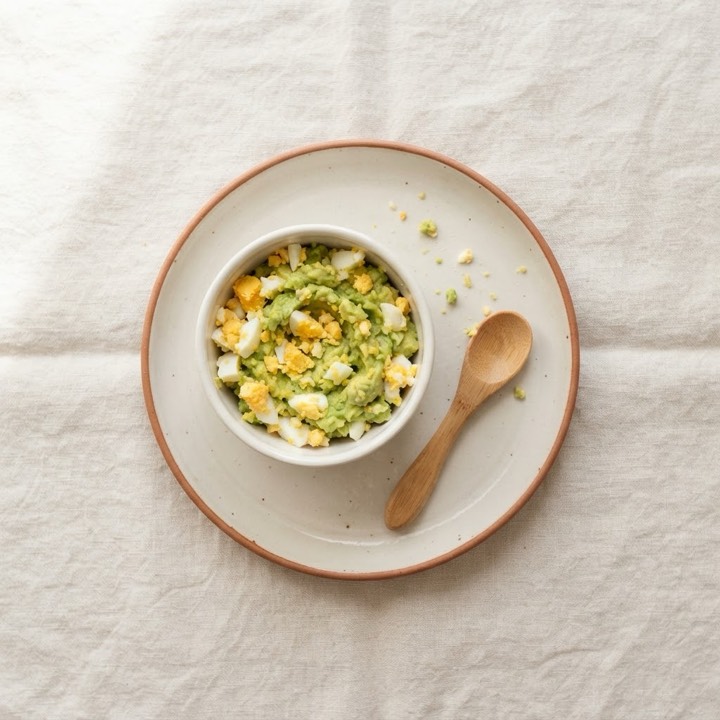 7 mo+
Egg & Avocado Mash
Cooked egg folded into avocado.
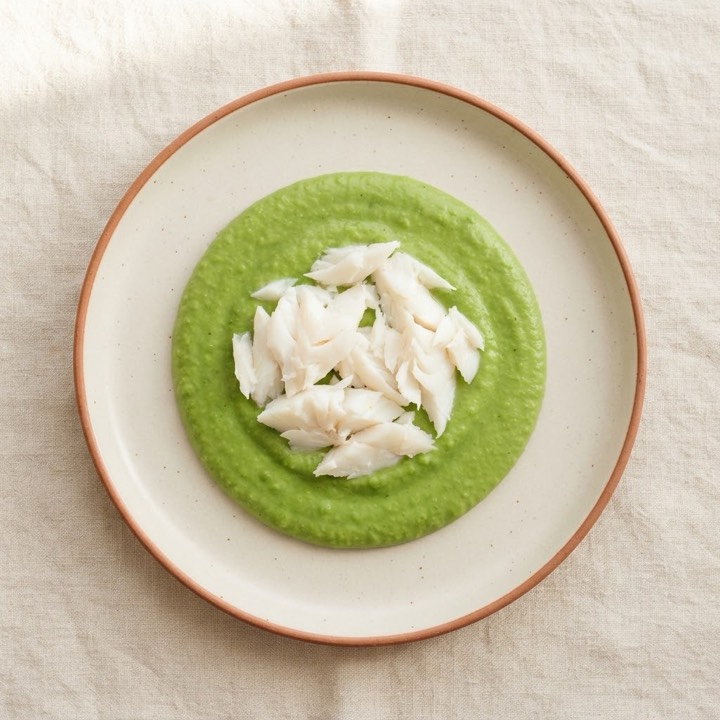 7 mo+
Flaked Cod with Pea Mash
Flaky fish with mashed peas.
 7 mo+
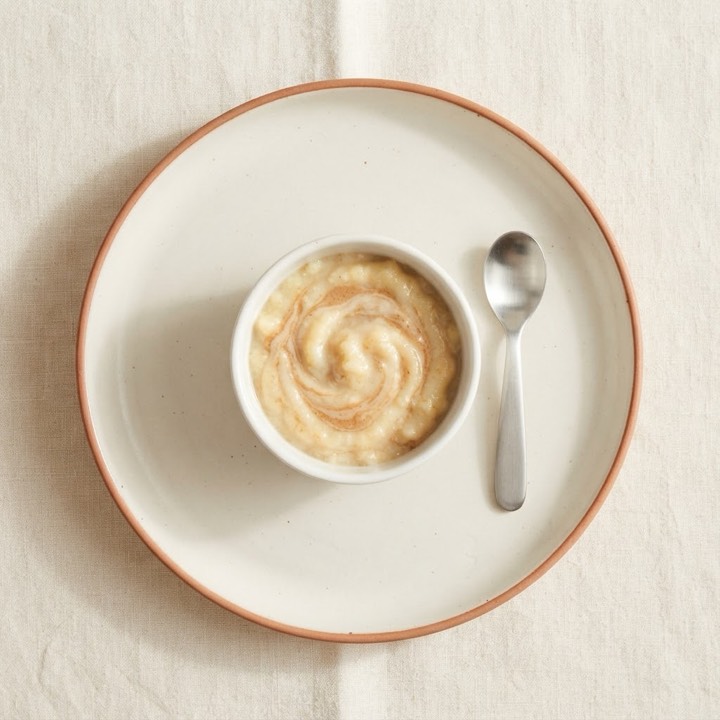
Almond Butter Banana Mash
A safe way to offer tree nuts.
 6 mo+
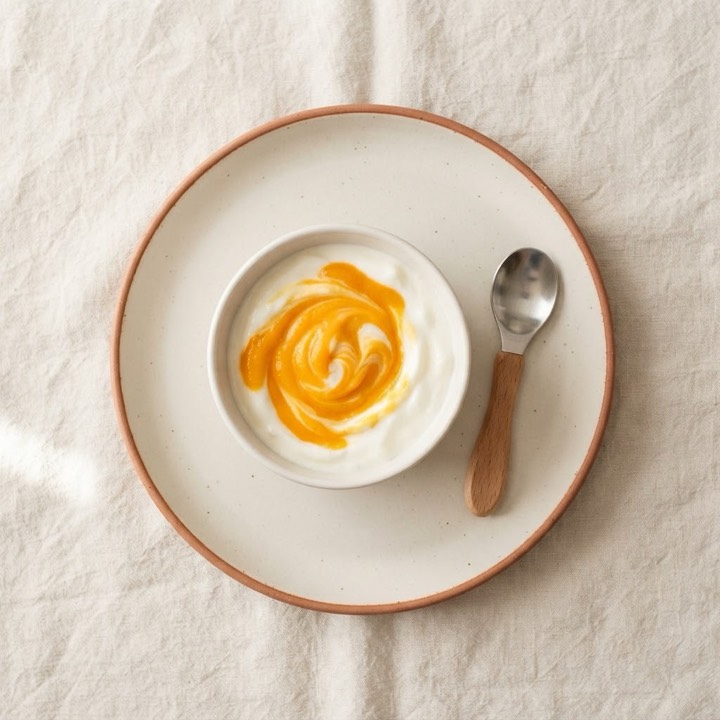
Mango Yogurt for Baby (No Added Sugar)
Whole-milk yogurt with mango.
How to make any baby purée
The same five steps work for almost every vegetable and fruit.
- water_drop1. Wash and peel. Remove skins, seeds, stones and cores.
- local_fire_department2. Steam until very soft. A fork should slide through with no resistance (carrots 12–15 min, apple 8–10 min, pear 5–8 min).
- blender3. Blend with liquid. Use the steaming water, breast milk or formula, a spoon at a time.
- filter_alt4. Sieve if needed. Peas, spinach and berries can be pushed through a sieve for a first taste.
- ac_unit5. Cool and store. Fridge up to 3 days, or freeze in ice cube trays up to 3 months. Thaw in the fridge.
Stage 1, 2 and 3 baby food
Stage 1 (about 6 months): smooth, single-ingredient purées.
Stage 2 (7–8 months): thicker purées and mashes with soft lumps, plus combinations.
Stage 3 (9–12 months): chopped, soft family food and finger foods. Most babies are ready for finger-food recipes by now.
Safety reminders
- No added salt, sugar or honey before 12 months.
- Warm purées until steaming, stir well, then cool to lukewarm. Check the temperature on your wrist before serving.
- Don't feed straight from the jar or storage container if you plan to keep the leftovers. Saliva spoils them.
- Stay with your baby and keep them seated upright while eating.
- These recipes are general guidance for healthy, full-term babies and children. Ask your pediatrician first if your child was born early, has a medical condition, allergies or feeding difficulties (medical disclaimer).
Baby purée recipes: questions parents ask
What are the best first purées for a baby?expand_more
Smooth, single-ingredient purées such as carrot, sweet potato, pear or peas, plus iron-rich foods like puréed beef, chicken or lentils. There is no required order; offering a variety of vegetables early may help acceptance.
How long does homemade baby food last?expand_more
Up to 3 days in a covered container in the fridge, and up to 3 months in the freezer. Thaw frozen cubes in the fridge, and throw away anything left in the bowl after a meal.
Can I freeze baby purée made with breast milk?expand_more
It's better to blend purées for the freezer with water or cooking water, then stir in breast milk or formula when you serve each portion.
When should my baby move on from purées?expand_more
Start offering thicker, lumpier textures within a few weeks of starting solids, and aim for mashed and soft finger foods by about 7–8 months. Staying on smooth purées for too long can make lumpy textures harder to accept later.