
Dairy Food Library
When can babies have cheese?
Can babies have cheese?
Babies can have pasteurized cheese from about 6 months. Choose lower-sodium cheeses such as fresh mozzarella, ricotta, Swiss or mild cheddar: start with ricotta or melted grated cheese on a spoon, then thin soft slices and shreds from 7–8 months, never cubes. Cheese is made from milk and is a common dairy allergen.
How to serve cheese by age
Shapes and textures change as your baby’s grasp and chewing grow.

6 months
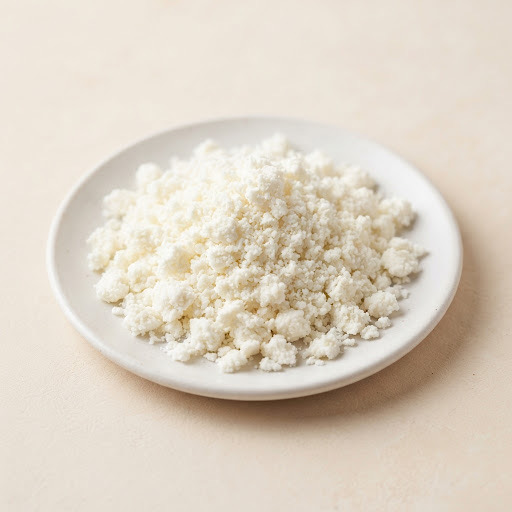
Offer spoonfuls of smooth pasteurized ricotta, mascarpone or blended cottage cheese, or melt finely grated mild cheese into smooth vegetable puree, mashed potato or porridge. Serve it on a spoon or a preloaded spoon.

7–8 months
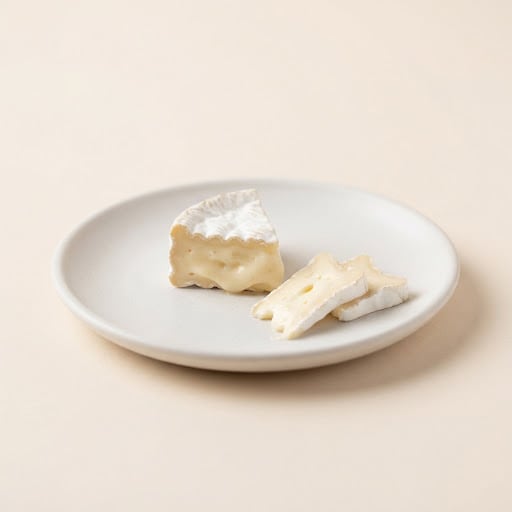
Stir grated cheese into lumpier mashes, scrambled egg or soft pasta, and keep offering ricotta or cottage cheese. Your baby can also hold thin slices of a soft cheese like fresh mozzarella, about the size of two adult fingers, which squash easily.

9–12 months
Offer shredded cheese or small, thin pieces about the size of a pea for pincer-grasp practice. Melted cheese in quesadilla strips or omelets works well too.

12 months +
Toddlers can have thin slices, shreds and small sticks of cheese, plus melted cheese in family meals. Keep avoiding cubes and thick sticks of firm cheese until your child chews well, and cut string cheese lengthwise.
Why it’s good
Cheese gives babies protein, calcium, phosphorus, vitamin A, vitamin B12 and fat for growing bones, muscles and brains. Cheese is low in iron, so pair it with iron-rich foods like beans, meat, eggs or fortified cereal. Many cheeses are high in sodium, so the type and amount matter.
Safety notes
- Only serve cheese made from pasteurized milk. Raw milk cheese can carry Listeria, E. coli and other bacteria that are especially dangerous for babies and young children.
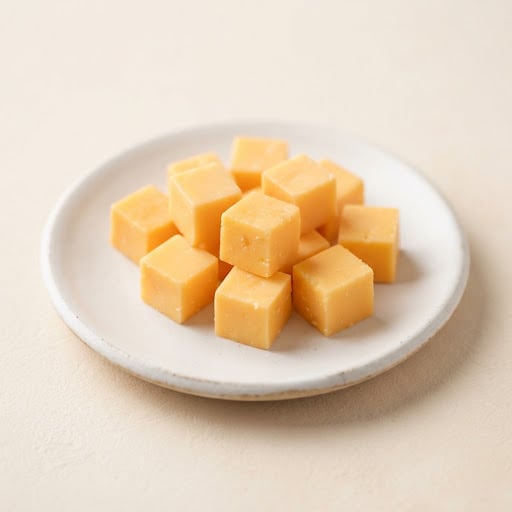
- Cubes and thick sticks of firm cheese are a choking hazard because they can wedge in the airway. Shred, slice thinly or melt cheese instead.
- Melted cheese can become stringy and gummy. Let it cool and tear or cut long strings into short pieces.
- Many cheeses are high in salt, especially feta, halloumi, parmesan, blue cheese and processed cheese slices. Favor fresh mozzarella, ricotta, Swiss, mascarpone and low-sodium cottage cheese.
- Skip processed cheese products and cheese sauces for babies, since they tend to be high in sodium and additives.
Introduce cheese on its own, then keep it in
Cheese is made from milk, and dairy is one of the Top 9 allergens, so start with a small amount and watch for hives, vomiting, swelling, coughing or wheezing. Babies with severe eczema or a known food allergy should check with a pediatrician before trying dairy, and once cheese is tolerated, keep offering it regularly.
Cheese for babies: questions parents ask
Quick answers about cheese for babies and toddlers.
When can babies have cheese?
Babies can have cheese from about 6 months, as long as it is pasteurized and offered in a safe shape. Low-sodium cheeses like fresh mozzarella, ricotta and Swiss are the best first cheeses.
Can babies have cheese?
Yes, babies can eat pasteurized cheese from 6 months as part of a varied diet. Start with ricotta or grated cheese melted into smooth food, then offer shredded or thinly sliced soft cheese from 7–8 months, and keep salty cheeses to small amounts.
Is cheese a choking hazard for babies?
Yes, cheese can be a choking hazard for babies when it is served in cubes or thick sticks. Shredded, thinly sliced or melted cheese is much safer, and you should always stay with your baby while they eat.
Is cheese a common allergen?
Yes, cheese is a common allergen because it is made from milk, one of the Top 9 food allergens. Introduce cheese in a small amount and watch for signs of an allergic reaction.
How do I serve cheese to a 6 month old?
To serve cheese to a 6 month old, offer a spoonful of ricotta or smooth cottage cheese, or melt finely grated mild cheese into a puree or mashed potato and serve it on a spoon. Thin slices of fresh mozzarella to hold can follow at 7–8 months.
What is the best cheese for babies?
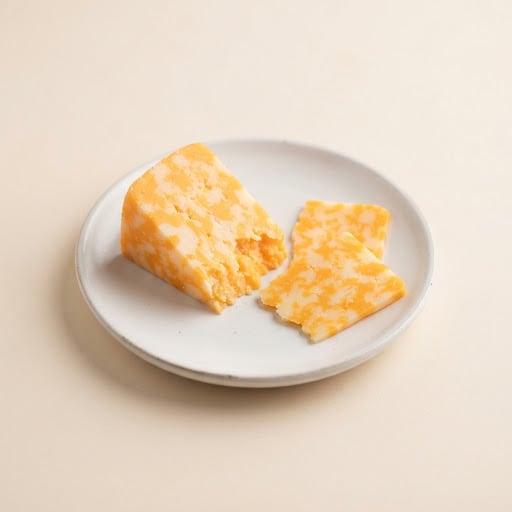
The best cheese for babies is pasteurized and lower in sodium, such as fresh mozzarella, ricotta, Swiss, mascarpone, mild cheddar or low-sodium cottage cheese. Save saltier cheeses like feta, parmesan and halloumi for small, occasional amounts.
How much cheese can a baby eat?
A baby only needs a small amount of cheese, such as a few thin slices or a tablespoon or two of shreds in a meal. Too much cheese can crowd out other foods and add a lot of sodium.
Can babies with lactose intolerance eat cheese?
True lactose intolerance is uncommon in babies, and aged hard cheeses like cheddar and Swiss contain very little lactose. If your baby has tummy symptoms after dairy, talk to your pediatrician, since a milk allergy is more common at this age.
Can babies have unpasteurized cheese?
No, babies and young children should not have unpasteurized, raw milk cheese because it can carry Listeria and other harmful bacteria. Check every cheese label for the word pasteurized.
Can babies have vegan cheese?
Vegan cheese is usually low in protein and calcium and often high in salt and starches, so it is not a nutritional swap for dairy cheese. If your baby has a dairy allergy, ask your pediatrician or dietitian about better calcium and protein sources.
Is cheese good for babies?
Yes, pasteurized cheese is a good food for babies from about 6 months, giving protein, calcium, vitamin A and vitamin B12. Pick lower-sodium cheeses like fresh mozzarella, ricotta, Swiss or mild cheddar, and serve them shredded, thinly sliced or melted, never in cubes. Cheese is dairy, a common allergen.
Is cheese good for toddlers?
Yes, cheese is a healthy part of a toddler's diet from 12 months, adding protein, calcium and fat for growing bones and brains. Offer thin slices, shreds or small sticks, cut string cheese lengthwise, and keep avoiding cubes. A few slices a day is plenty, since many cheeses are salty.
The takeaway
- Babies can have pasteurized cheese from about 6 months.
- Offer spoonfuls of smooth pasteurized ricotta, mascarpone or blended cottage cheese, or melt finely grated mild cheese into smooth vegetable puree, mashed potato or porridge.
- Choking risk is medium. Dairy is one of the Top 9 allergens: offer a small amount first, watch for a reaction, then keep it in the diet regularly.
Read next


Sources
This guide follows current advice from these organizations.
- Starting Solid Foods American Academy of Pediatrics (HealthyChildren.org)
- When, What, and How to Introduce Solid Foods Centers for Disease Control and Prevention
- Choking Hazards Centers for Disease Control and Prevention
- Choking Prevention American Academy of Pediatrics (HealthyChildren.org)
- Foods and Drinks to Avoid or Limit Centers for Disease Control and Prevention
- Preventing Listeria Infection Centers for Disease Control and Prevention
- The Effects of Early Nutritional Interventions on the Development of Atopic Disease in Infants and Children Greer FR, Sicherer SH, Burks AW; American Academy of Pediatrics. Pediatrics. 2019;143(4):e20190281
Track every new food in your baby’s passport
Track the first 100 foods and the Top 9 allergens. 7 days free.
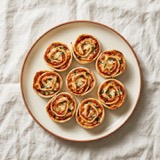
Recipes with cheese

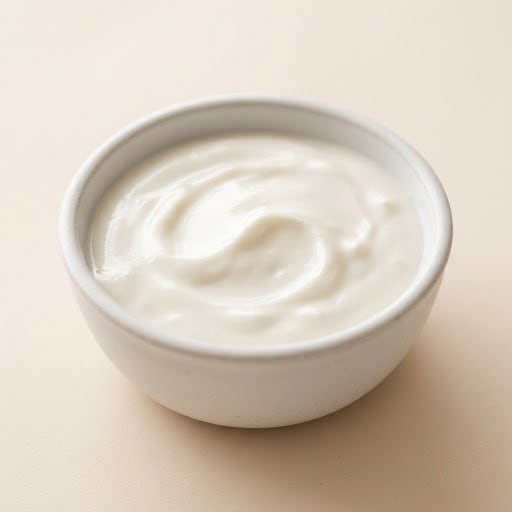
More dairy foods for babies
Updated November 2026. Reviewed by our dietitians. Based on AAP, CDC and NIAID guidance. Written for healthy, full-term babies; not a substitute for your pediatrician. If your baby was born early, has a medical condition, feeding difficulties or a known allergy, check with them first (medical disclaimer). Always stay with your baby while they eat.