Baby Oatmeal Recipes, by Age
Oats are one of the most useful foods in a baby kitchen: cheap, mild, easy to blend smooth or bake into soft finger foods, and a good source of fibre. Iron-fortified infant oat cereal also adds iron when your baby needs it most. Here are 14 oat recipes, from a first smooth porridge to toddler muffins.
Quick answer
- From 6 months: offer smooth porridge made with iron-fortified infant oat cereal or finely blended rolled oats, thinned with breast milk or formula.
- From 7–8 months: oats work in soft finger foods such as pancakes, bites and soft-baked sticks.
- Oats are not a top 9 allergen, but they are often processed with wheat. Use certified gluten-free oats if you need to avoid it.
- No sugar or honey is needed before 12 months. Sweeten oatmeal with ripe banana, pear or pumpkin.
Oat porridge & oatmeal
Spoonable bowls, from smooth at 6 months to thicker and lumpier within a few weeks.
 6 mo+
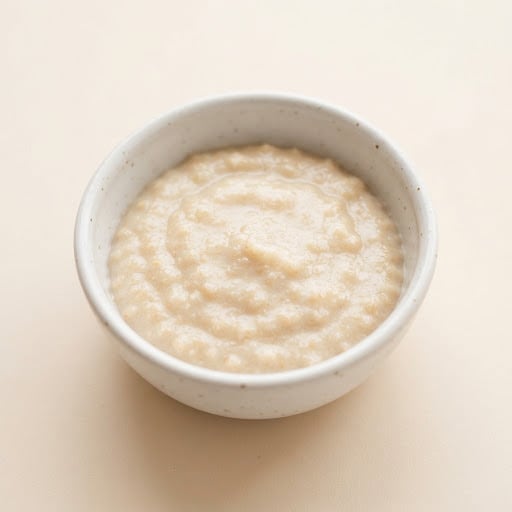
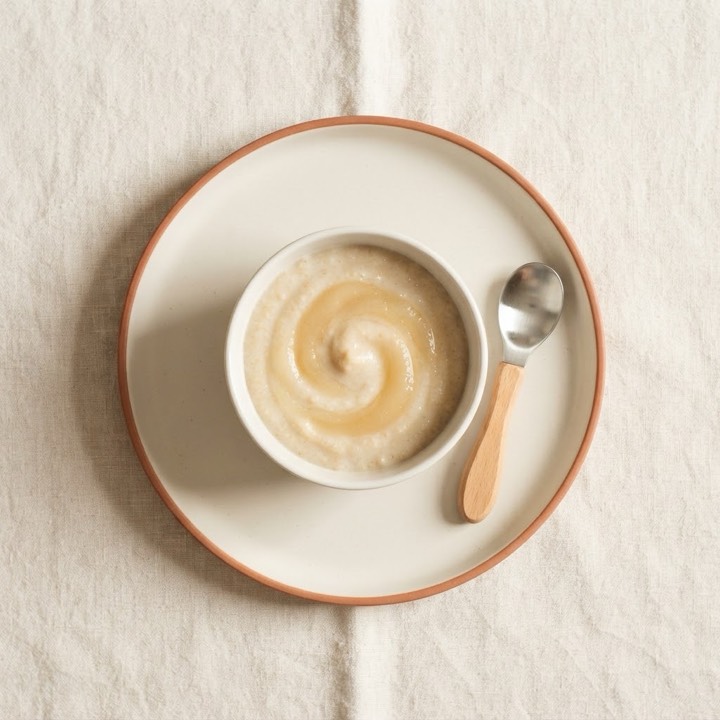
Pear & Oat Baby Porridge
Iron-fortified oat cereal with smooth pear.
 6 mo+
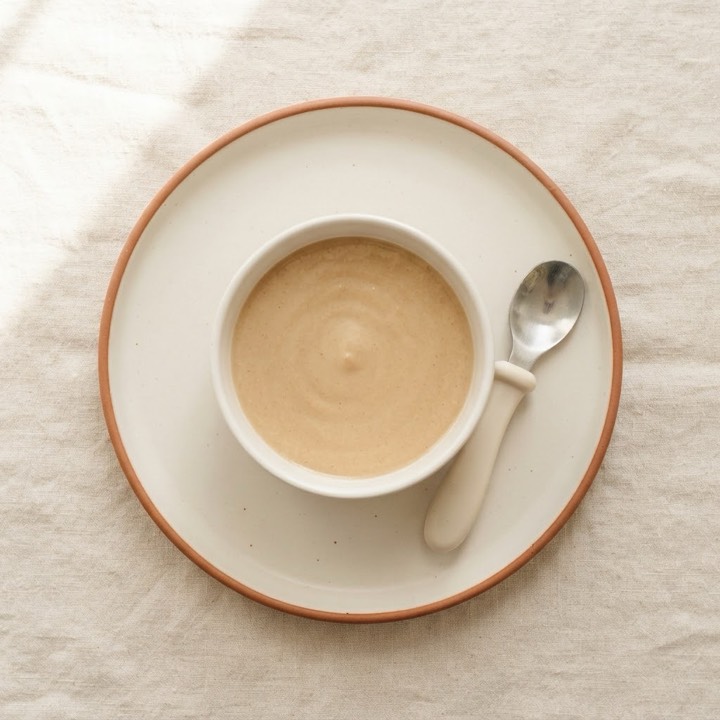
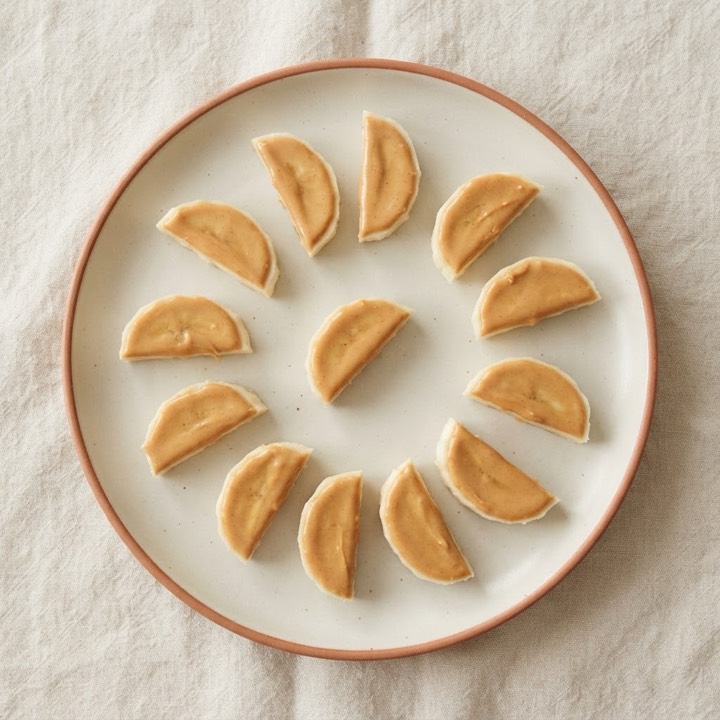
Peanut Butter Oatmeal
A simple way to introduce peanut.
 7 mo+
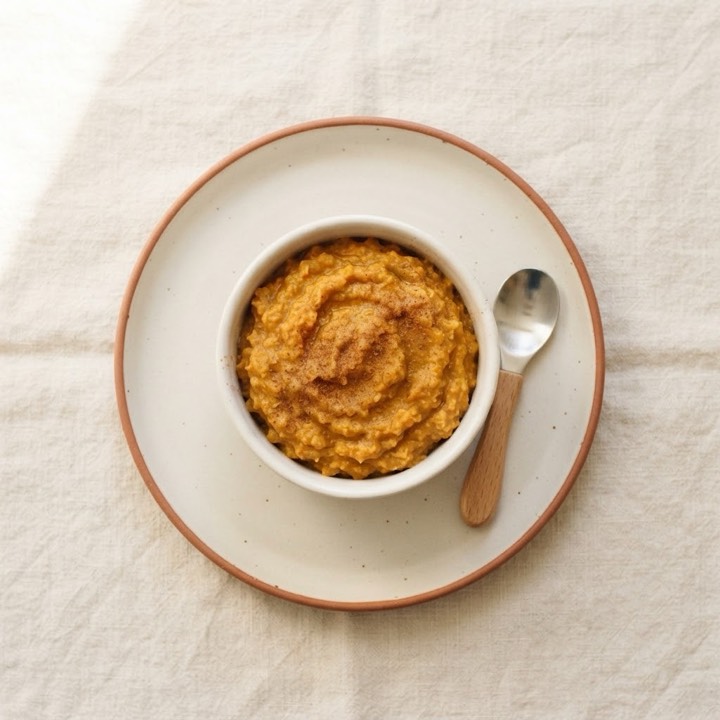
Pumpkin Oatmeal for Baby & Toddler (No Sugar)
Thick, lumpy oats with pumpkin from 7 months.
 6 mo+
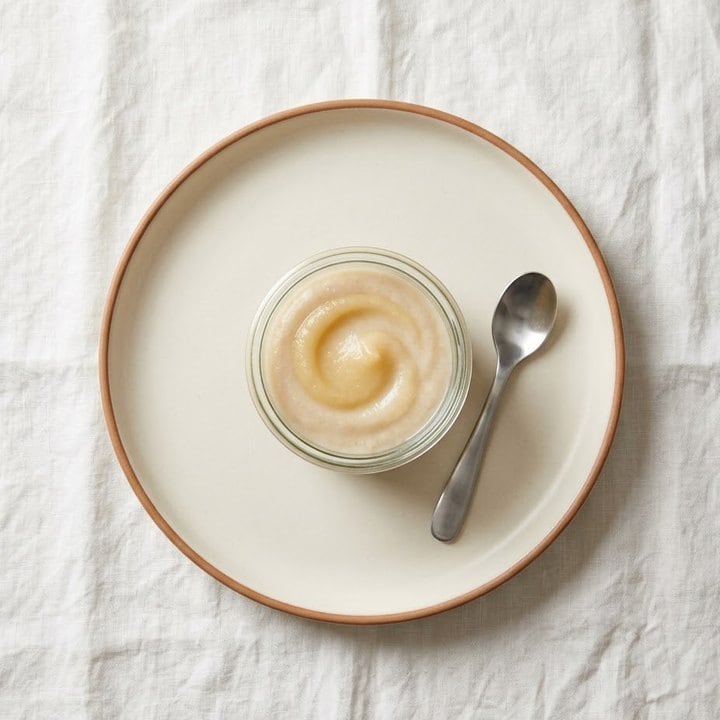
Overnight Oats for Baby
Soaked, finely ground oats with fruit, from 6 months.
 12 mo+
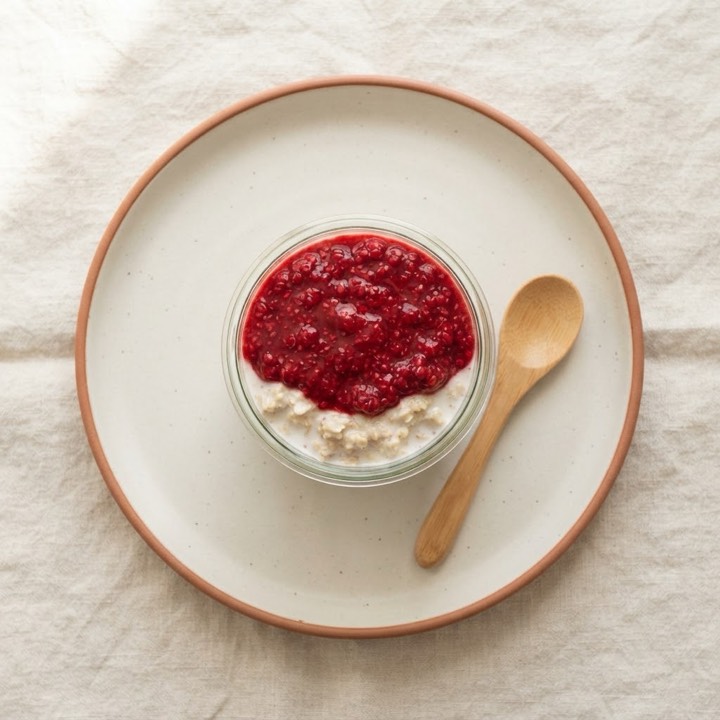
Overnight Oats for Toddlers (Raspberry, 5 Min)
No-cook overnight oats for toddlers.
Oat pancakes & finger foods
Soft enough to squash between your fingers; cut into strips from 7–8 months.
 6 mo+
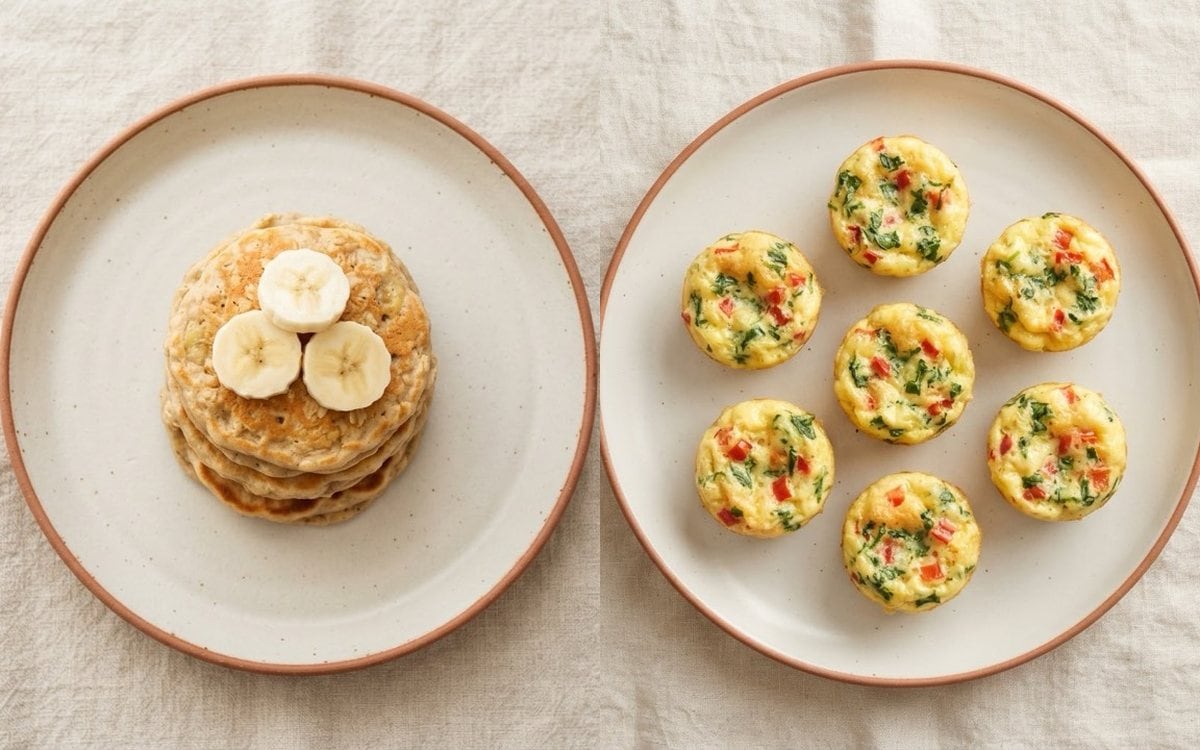
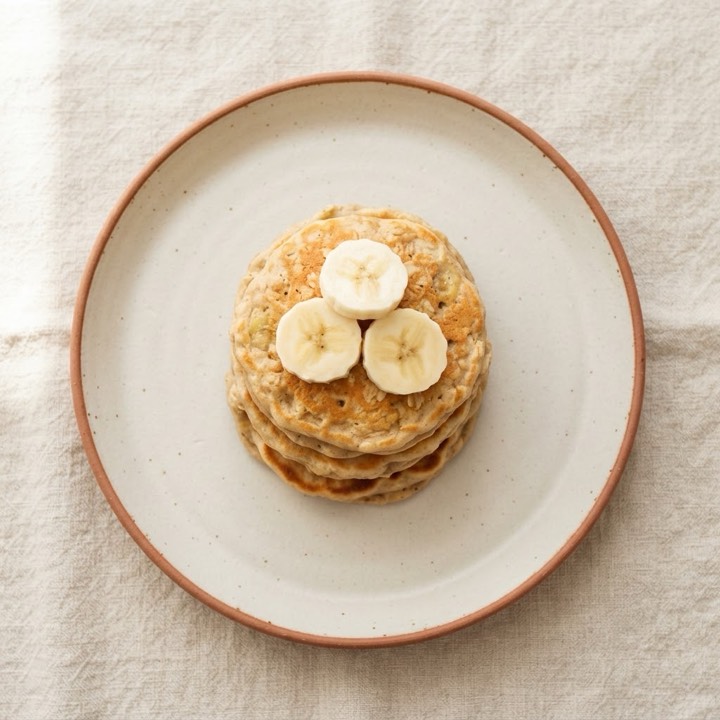
Banana Pancakes for Baby (3-Ingredient Banana Oat)
Three ingredients: banana, oats and egg.
 7 mo+
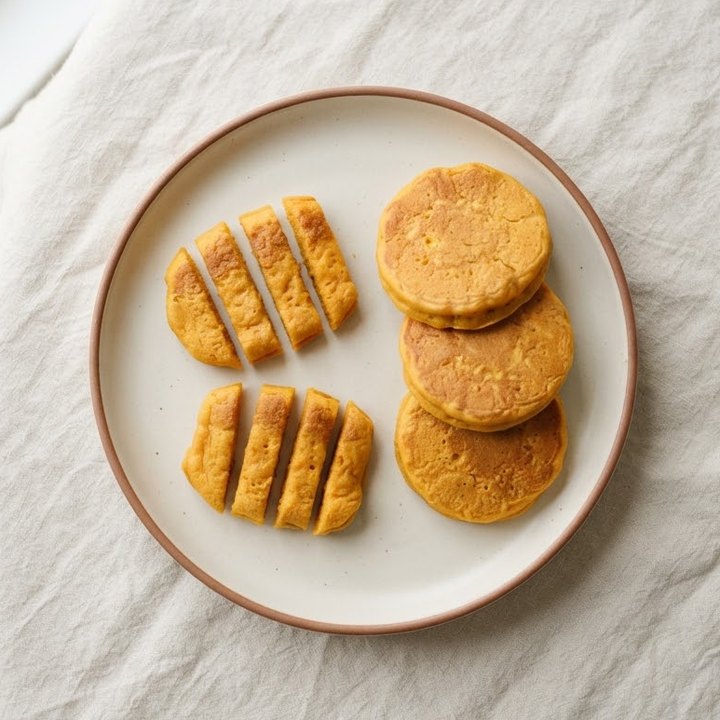
Sweet Potato Pancakes for Baby
Golden pancakes with sweet potato.
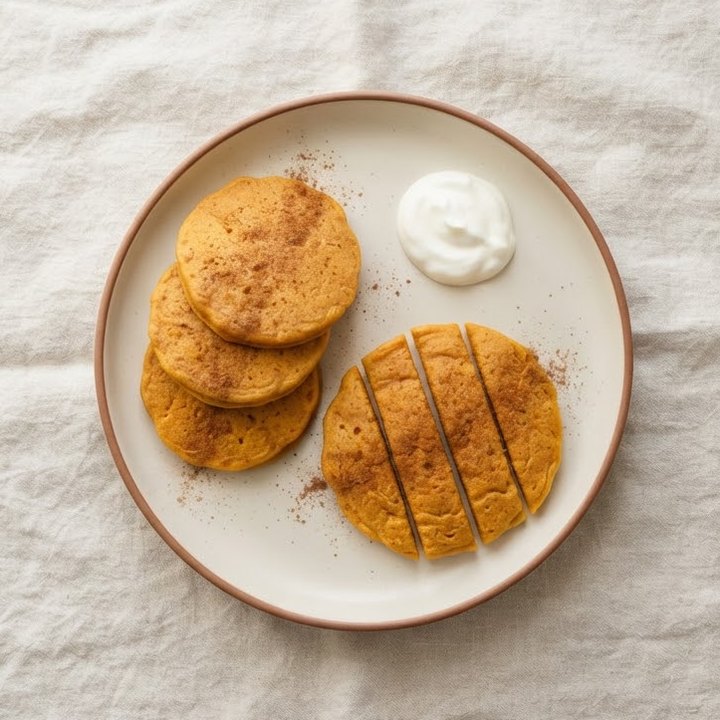 7 mo+
Pumpkin Pancakes for Baby
Soft, spiced and sugar-free.
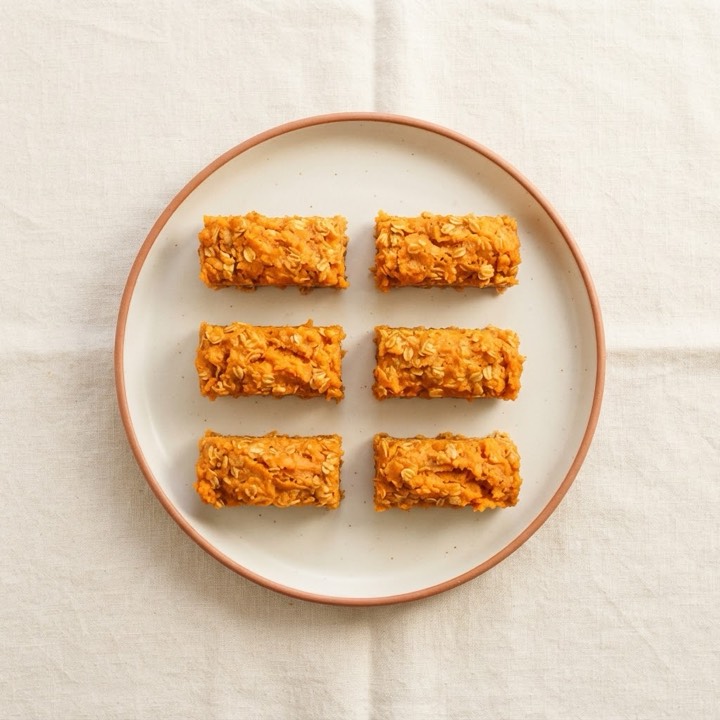 6 mo+
Sweet Potato Oat Bites
Soft baked bites from 6 months.
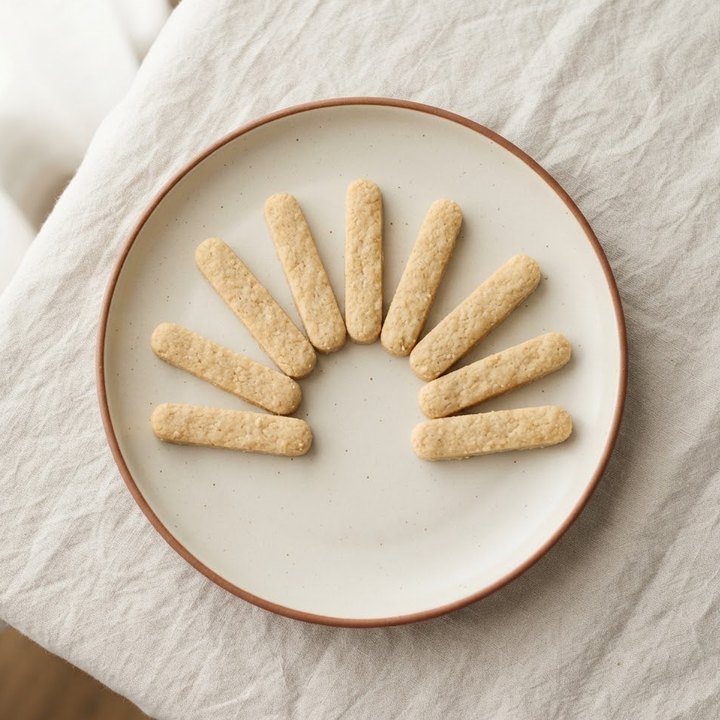 7 mo+
Soft Banana Oat Teething Biscuits
Two-ingredient soft-baked oat sticks.
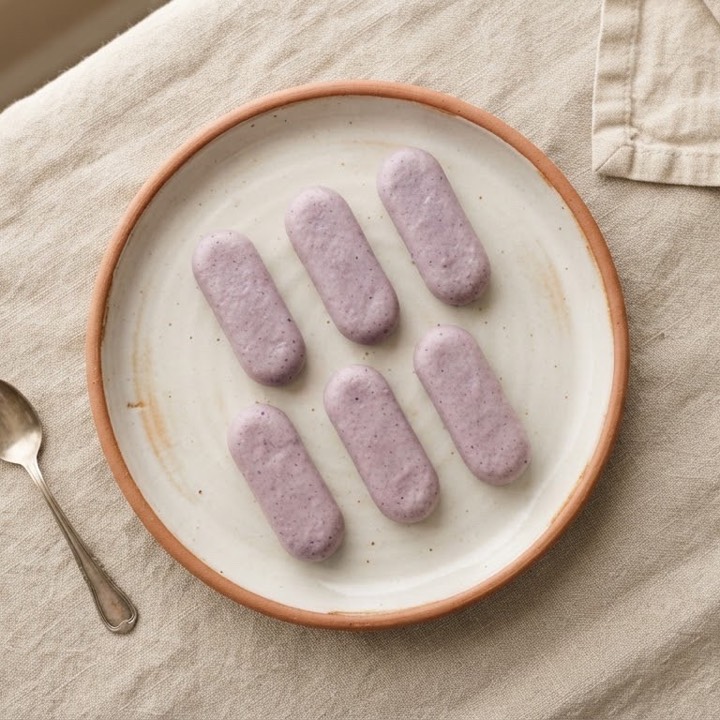 6 mo+
Blueberry Oat Teething Sticks for Babies
Soft oat fingers with blueberry.
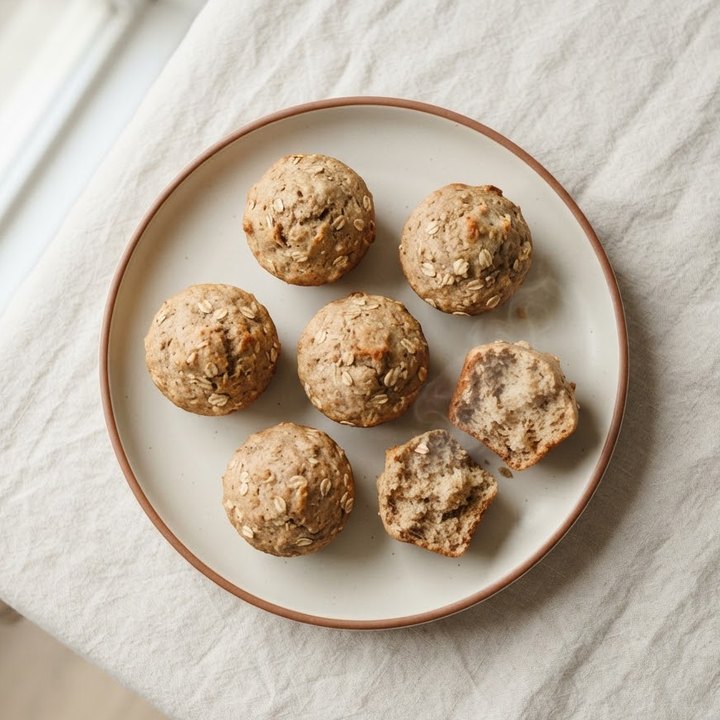
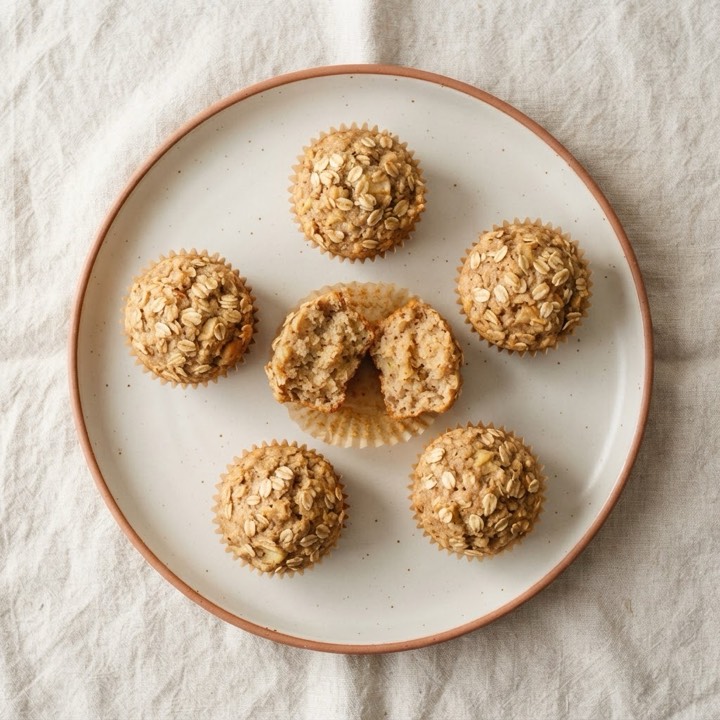
Oat muffins & bakes for toddlers
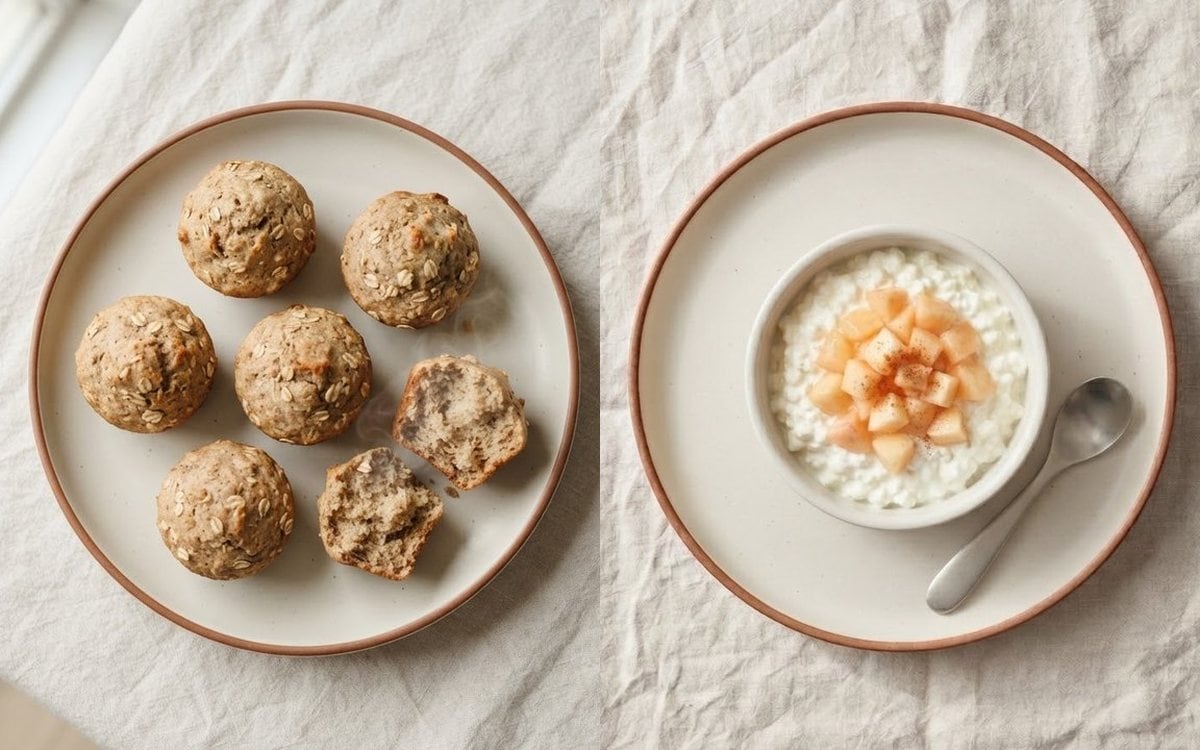
Batch-bake, freeze, and pull one out for breakfast or the lunchbox.
How to make baby oatmeal
The basic method for a first bowl of oats at 6 months.
- grain1. Choose your oats. Iron-fortified infant oat cereal is easiest. Or blend rolled oats into a fine powder.
- local_fire_department2. Cook. Simmer 2 tbsp blended oats in ½ cup water for 3–5 minutes, stirring, until thick and smooth. Infant cereal needs no cooking: just stir in warm liquid.
- water_drop3. Thin. Stir in breast milk or formula until the porridge drops easily off a spoon.
- nutrition4. Add fruit. Swirl in a spoon of pear, apple or banana purée once each has been tried.
- ac_unit5. Cool and serve. Cool to lukewarm and check the temperature. Throw away what's left in the bowl.
Rolled, quick or steel-cut?
Infant oat cereal is pre-cooked and usually iron-fortified, which makes it a good first choice.
Rolled and quick oats work for porridge (blend them first at 6 months) and for baking.
Steel-cut oats stay chewy; save them for toddlers, cooked very soft.
Safety reminders
- No added salt, sugar or honey before 12 months.
- Serve nut butters thinned and stirred into oatmeal, never as a spoonful.
- Stay with your baby and keep them seated upright while eating.
- These recipes are general guidance for healthy, full-term babies and children. Ask your pediatrician first if your child was born early, has a medical condition, allergies or feeding difficulties (medical disclaimer).
Oatmeal recipes for baby: questions parents ask
When can babies have oatmeal?expand_more
From around 6 months, when your baby is ready for solids. Start with a smooth, runny porridge and thicken it over the next few weeks. More on serving oats by age on our oatmeal food guide.
What is the best oatmeal for babies?expand_more
Iron-fortified infant oat cereal is the easiest first oatmeal because it adds iron. Plain rolled oats, blended fine and cooked, are a good everyday option. Avoid flavoured instant packets with added sugar and salt.
Can I make baby oatmeal ahead?expand_more
Yes. Cooked oatmeal keeps up to 2 days in the fridge; add a little liquid when you reheat it. Oat pancakes and muffins freeze well for 2–3 months.
Are oats gluten-free?expand_more
Oats are naturally gluten-free but are often processed alongside wheat. Choose certified gluten-free oats if your child needs to avoid gluten.