
No. 36 · Protein Passport food
When can babies eat chicken?
Can babies have chicken?
Babies can have chicken from about 6 months, as soon as they are ready for solids. Chicken gives babies easy-to-absorb iron, zinc and protein, but it must be fully cooked: start with a smooth puree on a spoon, then offer moist shreds in mashes or soft meatballs from 7–8 months.
How to serve chicken by age
Shapes and textures change as your baby’s grasp and chewing grow.

6 months
Poach, braise or slow-cook chicken thigh until fully cooked and very tender, then blend it with a little cooking liquid, breast milk or formula into a smooth puree. Mix it with smooth vegetable puree like sweet potato or carrot and offer it on a spoon.

7–8 months
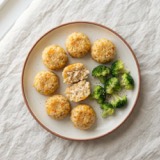
Finely shred or mince tender cooked chicken and stir it into mashed vegetables, rice or a thick sauce for a lumpier texture. You can also offer soft chicken meatballs or patties that squash easily between your fingers, or moist pieces of slow-cooked thigh so tender they fall apart when pressed.

9–12 months
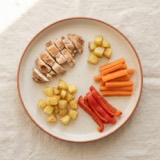
Offer finely shredded moist chicken, small soft pieces, or soft chicken meatballs and patties. Mix shredded chicken into rice, pasta or sauces so it stays moist and easier to chew.

12 months +
Serve tender, bite-size pieces at family meals, cut across the grain, along with stews, soups, wraps and stir-fries. Keep chicken moist with sauce or broth, since dry, stringy chicken is the hardest for toddlers to chew.
Why it’s good
Chicken gives babies heme iron, the easily absorbed type, plus zinc, protein, vitamin B6, B12 and niacin. Iron and zinc needs rise around 6 months as stores from birth run low, so chicken is a great early protein. Dark meat from the thigh has more iron and stays softer than breast.
Safety notes
- Cook chicken to an internal temperature of 165 F (74 C), checked with a food thermometer in the thickest part. Never serve pink or undercooked chicken.
- Remove the skin, all small bones, cartilage and tough connective tissue before serving. Drumsticks hide thin, needle-like bones, so always pull the meat off the bone for babies.
- Dry, stringy chicken is the main choking concern. Choose thigh meat, cook it slowly, and serve it moist or with sauce.
- Handle raw chicken carefully: wash hands, boards and knives in hot soapy water, and do not rinse raw chicken in the sink, which spreads germs.
- Avoid deli chicken, nuggets and rotisserie chicken with seasoning for babies as regular foods. They are often high in salt; if you do serve rotisserie chicken, remove the skin and choose plain meat.
A low-allergy food, still worth watching
Chicken is not a common allergen, and chicken allergy is rare. A baby with egg allergy can usually eat chicken, but if you are unsure, check with your pediatrician; watch for hives, swelling or vomiting the first few times.
Chicken for babies: questions parents ask
Quick answers about chicken for babies and toddlers.
When can babies eat chicken?
Babies can have chicken from about 6 months, once they are ready for solids. Chicken is a great first protein because it is rich in iron and zinc, which babies need more of from 6 months.
Can babies have chicken?
Yes, babies can eat chicken from around 6 months as long as it is fully cooked and served moist and tender. Start with chicken blended into a smooth puree, then offer finely shredded chicken in mashes or soft meatballs that squash easily from 7–8 months.
Is chicken a choking hazard for babies?
Chicken can be a medium choking hazard for babies, especially when it is dry, stringy or cut into small firm cubes. Serving moist thigh meat finely shredded or as soft meatballs lowers the risk.
Is chicken a common allergen?
No, chicken is not one of the Top 9 common food allergens, and chicken allergy is rare. Watch for signs like hives, vomiting or swelling the first few times, as with any new food.
How do I serve chicken to a 6 month old?
To serve chicken to a 6 month old, poach or slow-cook chicken thigh until it is fully cooked and very tender, then blend it with a little cooking liquid, breast milk or formula and smooth vegetable puree. Offer it on a spoon. Soft shreds and meatballs can follow at 7–8 months.
Is chicken thigh or chicken breast better for babies?
Chicken thigh is usually better for babies because it is softer, juicier and has more iron and zinc than breast. Chicken breast is fine too, but cook it gently and serve it moist, since it dries out quickly.
Can babies have chicken broth?
Babies can have homemade chicken broth made without added salt, used in cooking or to moisten foods. Store-bought chicken broth is usually very high in sodium, so choose a no-salt-added version if you use it.
Can babies have chicken nuggets?
Store-bought chicken nuggets are not a good regular food for babies because they are often salty and highly processed. Homemade chicken nuggets or patties made from ground chicken, baked and cut into strips, are a better option.
Can babies have rotisserie chicken?
Babies can eat a little rotisserie chicken now and then if you remove the salty skin and choose plain meat. Rotisserie chicken is often brined and seasoned, so it can be high in sodium for regular baby meals.
How do I keep chicken soft enough for my baby to chew?
To keep chicken soft for a baby, choose thigh meat and cook it low and slow by poaching, braising or in a slow cooker. Shred the chicken across the grain and keep it moist with broth, sauce or mashed veggies.
Can babies have chicken salad?
Babies can have homemade chicken salad once they are eating finely shredded chicken, around 7–8 months, if the chicken is fully cooked and moist. Bind it with plain yogurt or mashed avocado rather than salty dressings, leave out whole grapes, nuts and crunchy celery, and skip salty store-bought versions.
Can babies have canned chicken?
Yes, babies can have canned chicken, since it is fully cooked and soft, but many brands are high in sodium. Choose a no-salt-added can, drain and rinse it, then blend it into a puree at 6 months or shred it finely into mashes and soft patties from 7–8 months.
The takeaway
- Babies can have chicken from about 6 months, as soon as they are ready for solids.
- Poach, braise or slow-cook chicken thigh until fully cooked and very tender, then blend it with a little cooking liquid, breast milk or formula into a smooth puree.
- Choking risk is medium. Not a Top 9 allergen, but offer a small amount first and watch for any reaction.
Read next


Sources
This guide follows current advice from these organizations.
- Starting Solid Foods American Academy of Pediatrics (HealthyChildren.org)
- When, What, and How to Introduce Solid Foods Centers for Disease Control and Prevention
- Choking Hazards Centers for Disease Control and Prevention
- Choking Prevention American Academy of Pediatrics (HealthyChildren.org)
- Iron Centers for Disease Control and Prevention
Stamp chicken in your baby’s passport
Track the first 100 foods and the Top 9 allergens. 7 days free.
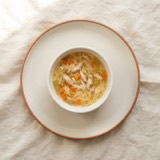
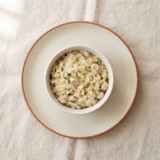
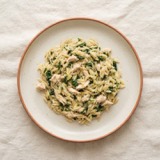
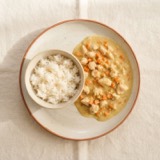
Recipes with chicken

More protein foods for babies
Updated November 2026. Reviewed by our dietitians. Based on AAP, CDC and NIAID guidance. Written for healthy, full-term babies; not a substitute for your pediatrician. If your baby was born early, has a medical condition, feeding difficulties or a known allergy, check with them first (medical disclaimer). Always stay with your baby while they eat.