
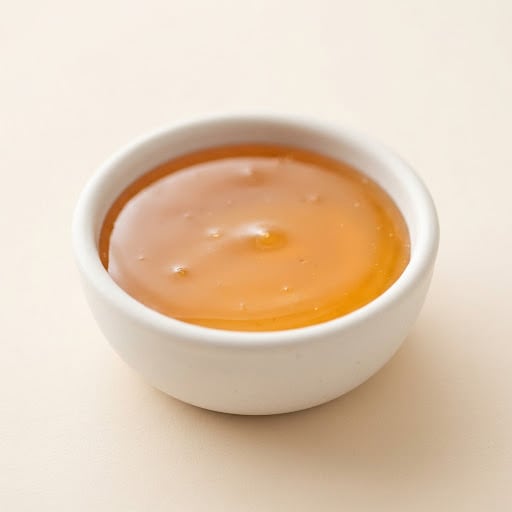
Drinks & extras Food Library
When can babies have honey?
Can babies have honey?
Babies should not have honey before 12 months, in any form. Honey can carry Clostridium botulinum spores that cause infant botulism, a rare but serious illness, and cooking or baking does not reliably destroy them. After the first birthday, honey is safe in small amounts as an occasional sweetener.
How to serve honey by age
Shapes and textures change as your baby’s grasp and chewing grow.

6 months
Do not give honey at this age, not raw, cooked, baked into foods, or on a pacifier. If you want natural sweetness, stir smooth mashed ripe banana, unsweetened applesauce or pureed pear into cereal or yogurt instead.

7–8 months
Honey is still off-limits, not raw, cooked, baked into foods, or on a pacifier, so check labels on cereals, yogurts and teething biscuits. Sweeten lumpier mashes and oatmeal with mashed ripe banana, applesauce or pear instead.

9–12 months
Honey is still off-limits until the first birthday, so check labels on cereals, yogurts, teething biscuits and baked goods for honey as an ingredient. Sweeten with mashed fruit or a pinch of cinnamon if needed.

12 months +
From 12 months, you can stir a small drizzle of honey into plain yogurt or oatmeal or spread a thin layer on toast. Keep it occasional, since honey is an added sugar and the AAP advises limiting added sugars before age 2.
Why it’s good
Honey offers very little nutrition for babies and toddlers: it is mostly sugar, with only trace amounts of other nutrients. After 12 months, a small amount can make plain foods more appealing, and a spoonful may ease a nighttime cough in children over 1. It is not needed in a toddler diet.
Safety notes
- No honey of any kind before 12 months, including raw, pasteurized, organic, local and manuka honey. Pasteurization and normal cooking do not reliably destroy botulism spores.
- Check labels before 12 months: honey shows up in some cereals, yogurts, graham crackers, granola bars, breads and teething biscuits.
- Never dip a pacifier or bottle nipple in honey or sugar syrup.
- After 12 months, treat honey like any added sugar: use small amounts, brush teeth after sticky foods, and avoid giving it at bedtime without tooth brushing.
- Hard honey candies, honey sticks with straw-like casing and chewy honeycomb pieces can be choking hazards for toddlers; wait until at least age 4 for hard candy.
A low-allergy food, still worth watching
Honey is not a Top 9 allergen, and reactions are rare. Children with pollen or bee-related allergies may occasionally react, so watch for hives, itchy mouth or swelling the first time it is offered after 12 months.
Honey for babies: questions parents ask
Quick answers about honey for babies and toddlers.
When can babies have honey?
Babies can have honey after their first birthday, at 12 months or older. Before 12 months, honey in any form can cause infant botulism, so it should be completely avoided.
Can babies have honey before 12 months?
No, babies should not have honey before 12 months, including honey baked into bread, muffins or cereals. A baby's gut cannot yet stop botulism spores from growing and making toxin, while older children's gut bacteria usually can.
Does cooking or baking honey make it safe for babies?
No, cooking or baking honey does not make it safe for babies under 12 months. Botulism spores are very heat-resistant and normal home cooking and baking temperatures do not reliably destroy them, so avoid all foods made with honey until the first birthday.
My baby ate food with honey in it. What should I do?
If a baby under 12 months ate honey, stay calm: most babies who eat honey do not get sick. Call your pediatrician for advice and watch for signs of infant botulism over the next few weeks, such as constipation, weak sucking or feeding, a weak cry, drooping eyelids or floppiness, and seek urgent care if you see any of them.
What are the signs of infant botulism?
Infant botulism often starts with constipation, then poor feeding, a weak suck, a weak or quiet cry, drooping eyelids, reduced facial expression and floppy muscles. Infant botulism is a medical emergency, so get immediate care if your baby shows these signs.
Is honey a choking hazard for babies?
Honey itself is not a common choking hazard for toddlers over 12 months when used as a thin drizzle or spread. Hard honey candies, lozenges and chewy honeycomb can be choking hazards, so avoid hard candy until at least age 4.
Is honey a common allergen?
No, honey is not one of the Top 9 common food allergens. Allergic reactions to honey are rare but can happen, particularly in children with pollen or bee sting allergies.
Can I give my toddler honey for a cough?
Honey can help soothe a cough in children over 12 months, and a small spoonful before bed is a common home remedy. Never give honey for a cough to babies under 1, and see your pediatrician for a cough with fever, trouble breathing or one that lasts more than a week or two.
Is raw, local or manuka honey safer for babies?
No, raw, local, organic and manuka honey are not safer for babies under 12 months. Every type of honey can contain botulism spores, so the same 12-month rule applies to all of them.
Can toddlers eat honeycomb?
Toddlers over 12 months can try honeycomb, but the waxy comb is chewy and can be hard to break down. Offer a thin smear scraped from the comb onto toast instead of chunks of comb, and keep portions small.
How much honey can a toddler have?
Honey is safe after 12 months, but it counts as an added sugar, and health experts advise no added sugar before age 2. From age 2, an occasional drizzle of about half to one teaspoon is fine; before then, sweeten food with mashed fruit.
The takeaway
- Babies should not have honey before 12 months, in any form.
- From 12 months, you can stir a small drizzle of honey into plain yogurt or oatmeal or spread a thin layer on toast.
- Choking risk is low. Not a Top 9 allergen, but offer a small amount first and watch for any reaction.
Read next


Sources
This guide follows current advice from these organizations.
- Starting Solid Foods American Academy of Pediatrics (HealthyChildren.org)
- When, What, and How to Introduce Solid Foods Centers for Disease Control and Prevention
- Choking Hazards Centers for Disease Control and Prevention
- Recommended Drinks for Young Children Ages 0-5 American Academy of Pediatrics (HealthyChildren.org)
- Foods and Drinks to Avoid or Limit Centers for Disease Control and Prevention
- Dietary Guidelines for Americans, 2020-2025 U.S. Department of Agriculture and HHS
- Botulism Prevention Centers for Disease Control and Prevention
Track every new food in your baby’s passport
Track the first 100 foods and the Top 9 allergens. 7 days free.
More drinks and extras for babies
Updated November 2026. Reviewed by our dietitians. Based on AAP, CDC and NIAID guidance. Written for healthy, full-term babies; not a substitute for your pediatrician. If your baby was born early, has a medical condition, feeding difficulties or a known allergy, check with them first (medical disclaimer). Always stay with your baby while they eat.