
No. 10 · Protein Passport food
When can babies have beef?
Can babies have beef?
Babies can have beef from about 6 months, as soon as they are ready for solids. Beef is one of the best sources of easily absorbed iron and zinc, which babies need more of from 6 months, but it must be fully cooked and served tender, ground or in a shape baby can manage safely.
How to serve beef by age
Shapes and textures change as your baby’s grasp and chewing grow.

6 months
Slow-cook or simmer beef until very tender and cooked through, or brown lean ground beef until no pink remains, then blend it with a little cooking liquid, breast milk or formula into a smooth puree. Mix it with smooth vegetable puree like sweet potato or carrot and offer it on a spoon. Remove all gristle, bones and tough fat first.

7–8 months
Finely mince or shred very tender slow-cooked beef and stir it into mashed potato, lentils or a thick sauce for a lumpier texture. You can also offer soft meatballs or patties made with ground beef, or pieces of braised beef so tender they fall apart and squash easily between your fingers.

9–12 months
Serve finely shredded slow-cooked beef, crumbled ground beef in sauces, or small pieces of soft meatballs and patties. Tender beef is a great pincer-grasp food when cut into small, thin pieces.

12 months +
Serve tender beef cut into small, thin pieces against the grain, or ground beef in tacos, pasta sauces and chili. Keep cutting tougher cuts small until your child chews well, and teach them to spit out pieces they cannot break down.
Why it’s good
Beef is rich in heme iron, the form the body absorbs best, plus zinc, protein, vitamin B12 and choline. Babies' iron stores start to run low around 6 months, so iron-rich foods like beef are especially important in early meals. Pairing beef with vitamin C foods like tomato or broccoli boosts iron absorption even more.
Safety notes
- Cook ground beef to at least 160F (71C) and whole cuts to at least 145F (63C) with a 3 minute rest. For babies, many parents cook whole cuts until no pink remains.
- Chewy chunks and cubes of steak are a choking risk. Shred or grind beef, make soft meatballs, or cut it very thin against the grain.
- Remove bones, gristle, tough sinew and hard fat before serving.
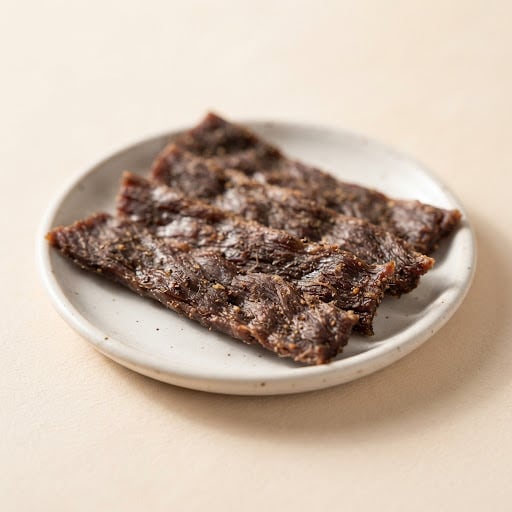
- Avoid processed beef such as jerky, hot dogs, salami and corned beef for babies. They are high in sodium and nitrates, and jerky is very hard to chew.
- Always seat baby upright and stay within arm's reach while they eat.
A low-allergy food, still worth watching
Beef is not a common allergen, though reactions are possible, including in some children with cow's milk allergy. A rare tick-bite related condition called alpha-gal syndrome can cause delayed reactions to red meat; talk to your pediatrician if you notice hives or vomiting hours after eating.
Beef for babies: questions parents ask
Quick answers about beef for babies and toddlers.
When can babies have beef?
Babies can have beef from about 6 months of age, as soon as they show signs of readiness for solids. Beef is one of the best first foods for iron, as long as it is fully cooked and served in a safe shape.
Can babies have beef?
Yes, babies can eat beef from around 6 months. Start with fully cooked beef blended into a smooth puree on a spoon, then move to minced or shredded beef in mashes and soft meatballs or patties that squash easily from about 7–8 months.
Is beef a choking hazard for babies?
Beef is a medium choking risk for babies because tough or chewy chunks can be hard to break down. Serving shredded or ground beef, soft meatballs, and thin pieces cut against the grain lowers the risk.
Is beef a common allergen?
Beef is not a common allergen and is not one of the Top 9 food allergens. Reactions are uncommon, but watch for hives, vomiting or swelling the first few times, as with any new food.
How do I serve beef to a 6 month old?
To serve beef to a 6 month old, cook it until very tender with no pink inside, then blend it with a little cooking liquid, breast milk or formula and smooth vegetable puree. Offer it on a spoon. Minced beef in mashes and soft meatballs can follow at 7–8 months.
Which cut of beef is best for babies?
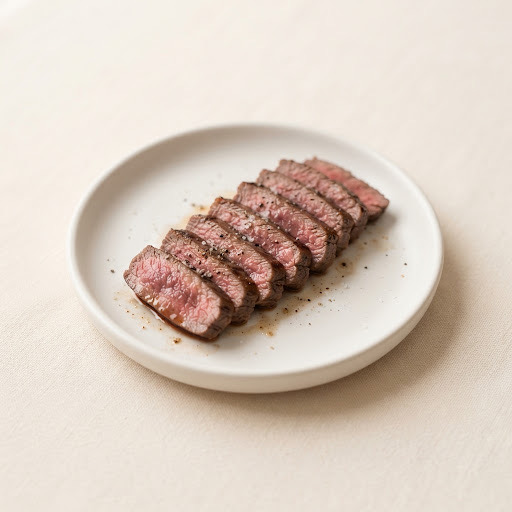
The best cuts of beef for babies are ones that become very tender, like chuck roast, brisket and short rib cooked low and slow, or lean ground beef. Thin steaks such as flank or skirt can work if cooked and sliced very thinly against the grain.
Can babies have steak that is pink inside?
Whole beef cuts like steak are considered safe at 145F (63C) with a 3 minute rest, even if slightly pink, according to US food safety guidance. Ground beef must always be cooked to 160F (71C) with no pink, and many parents choose to cook all beef through for babies.
Is it okay if my baby only sucks on the beef?
It is completely fine if your baby only sucks on soft meatballs or spits out shreds of beef at first. Babies still get iron, zinc and flavor, and they are learning to move food around their mouth before they can chew and swallow it.
Can babies have ground beef?
Ground beef is a great option for babies because it is soft and easy to mix into other foods. Cook it to 160F (71C) until no pink remains, and serve it crumbled into sauces or shaped into soft meatballs or patties.
Can babies have beef liver?
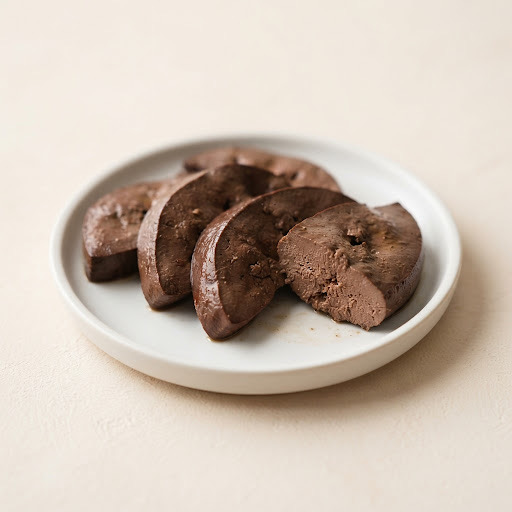
Beef liver is very rich in iron and vitamin A, but too much vitamin A can be harmful for babies. If you serve liver, keep it to a small amount about once a week, cook it fully, and ask your pediatrician if you have questions.
Is beef tallow good for babies to eat?
Beef tallow is safe for babies from about 6 months in small amounts as a cooking fat, but it has no special health benefits. It is mostly saturated fat, so rotate it with olive oil, avocado and nut or seed butters. Choose plain, unsalted tallow and let cooked food cool before serving.
The takeaway
- Babies can have beef from about 6 months, as soon as they are ready for solids.
- Slow-cook or simmer beef until very tender and cooked through, or brown lean ground beef until no pink remains, then blend it with a little cooking liquid, breast milk or formula into a smooth puree.
- Choking risk is medium. Not a Top 9 allergen, but offer a small amount first and watch for any reaction.
Read next


Sources
This guide follows current advice from these organizations.
- Starting Solid Foods American Academy of Pediatrics (HealthyChildren.org)
- When, What, and How to Introduce Solid Foods Centers for Disease Control and Prevention
- Choking Hazards Centers for Disease Control and Prevention
- Choking Prevention American Academy of Pediatrics (HealthyChildren.org)
- Foods and Drinks to Avoid or Limit Centers for Disease Control and Prevention
- Iron Centers for Disease Control and Prevention
Stamp beef in your baby’s passport
Track the first 100 foods and the Top 9 allergens. 7 days free.
Recipes with beef

More protein foods for babies
Updated November 2026. Reviewed by our dietitians. Based on AAP, CDC and NIAID guidance. Written for healthy, full-term babies; not a substitute for your pediatrician. If your baby was born early, has a medical condition, feeding difficulties or a known allergy, check with them first (medical disclaimer). Always stay with your baby while they eat.