
7-Month-Old Baby Feeding Schedule: Milk, Solids & Naps in Harmony
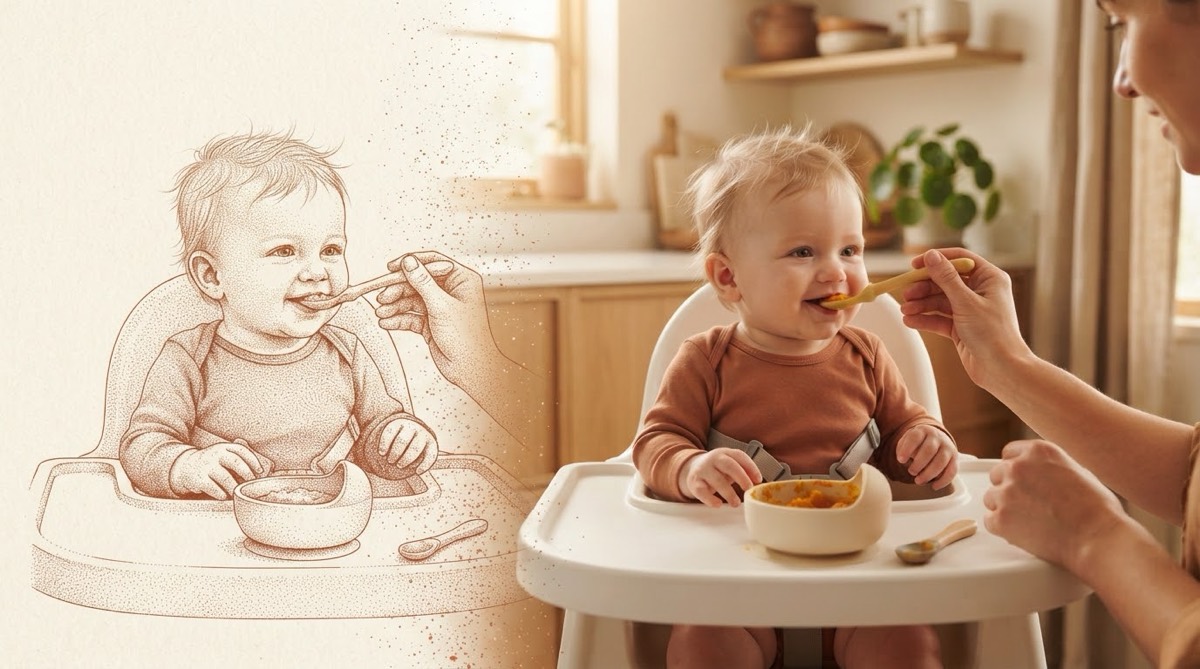
At 7 months, breast milk or formula remains baby's primary nutrition, while solid food exploration expands into 1–2 joyful tasting sessions per day. Your goal is not caloric replacement; it is oral motor practice, palatal variety, and immune-building allergen integration.
Quick answer
A typical 7-month-old has 4 to 6 milk feeds (about 24 to 32 oz / 710 to 950 mL of formula, or breastfeeding on demand) and 1 to 2 solid meals a day. Offer solids about 30 to 60 minutes after a milk feed, include an iron-rich food at each meal, and let baby decide how much, anywhere from a few licks to about ¼ cup. Most 7-month-olds nap 2 or 3 times a day.
- Milk first, solids 30–60 minutes later
- 1–2 meals a day, moving toward 3 by 8–9 months
- Iron-rich food and allergens kept in the rotation
Golden Rule • The 30-to-60 Minute Milk Gap
Offer solids about 30–60 minutes after a milk feed as a starting point; adjust the gap to your baby. an overtired, ravenous child who melts down in the high chair.
A sample day
A sample day for a 7-month-old: milk first, solids after, naps in between.
- 7:00AM
Milk feed 1
Morning Wake & Nursing
Start the day with a full breast milk or formula feed.
Open the curtains. Morning light helps set the body clock.
- 8:30AM
Meal 1
Breakfast
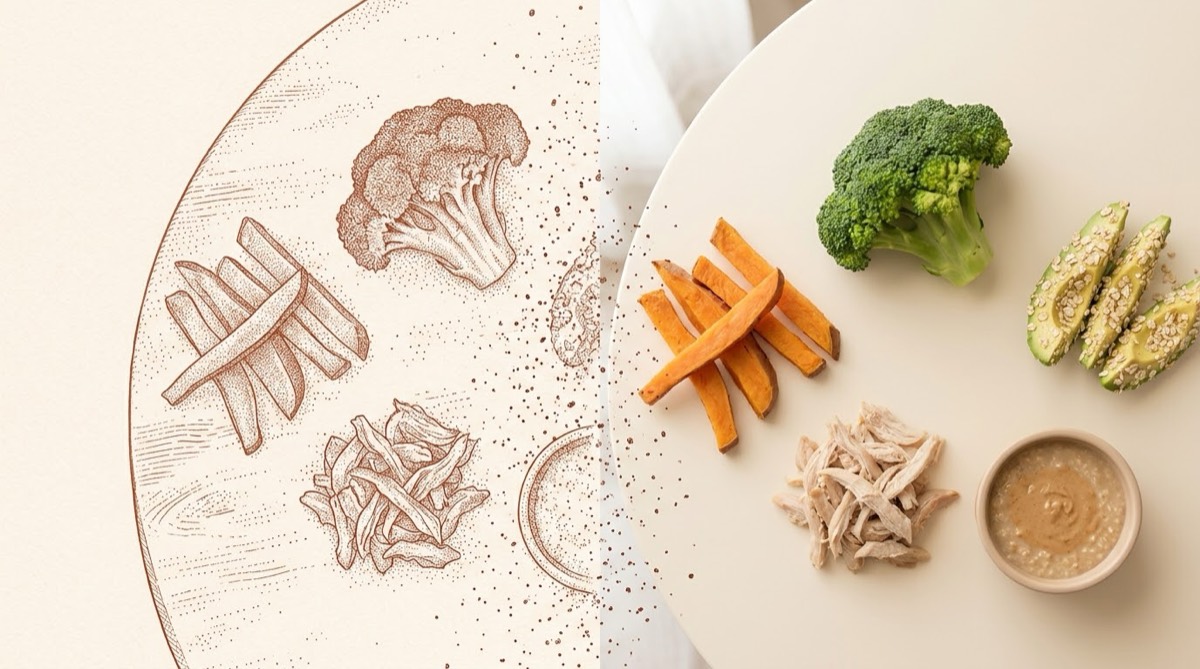
Steamed sweet potato baton (crushable between your thumb & forefinger) paired with thick avocado mash on a pre-loaded spoon.
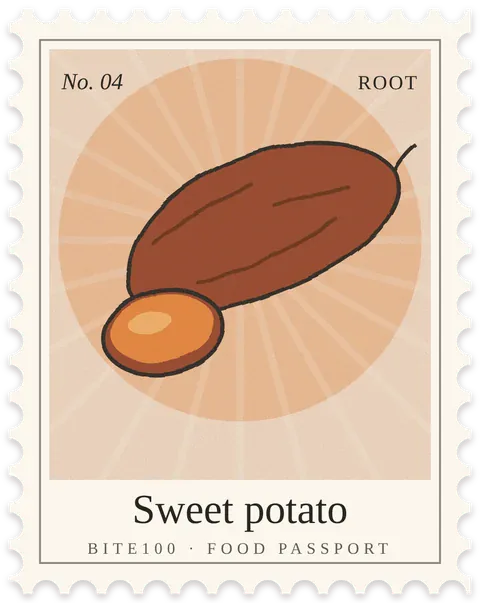 Sweet Potato
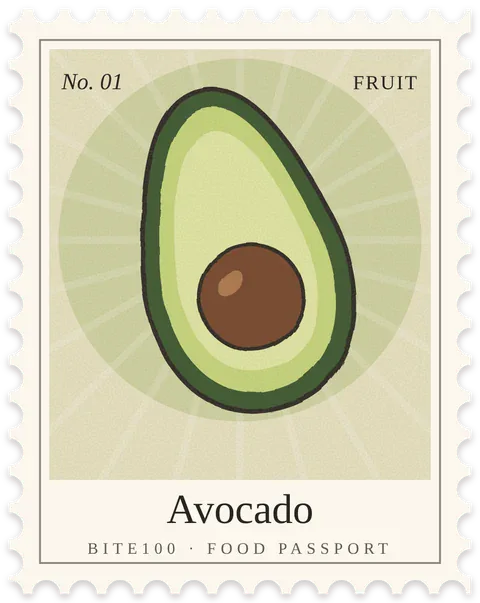 Avocado
Palate Training • 15–20 min table time
- 9:30to 10:45 AM
Nap 1 · 1.25 hrs
Morning Rest Window
First nap usually solidifies first at 7 months. Darkened room, white noise, and consistent crib ritual.
Wake window: ~2 hours from morning rise.
- 11:30AM
Milk feed 2
Midday Milk Recharge
A full breast milk or formula feed.
Optional: 1–2 oz water in an open cup for sipping practice.
- 1:00to 2:30 PM
Nap 2 · 1.5 hrs
Afternoon Rest Window
The longer afternoon nap.
Wake window: 2 hrs 15 mins from Nap 1 wake-up.
- 3:00PM
Milk feed 3
Afternoon Milk Top-Up
6–8 oz formula or nursing session post nap. Followed by active tummy time, floor crawling, and singing.
High-energy play block prior to family dinner time.
- 5:30PM
Meal 2
Family Table & Allergen Stamp
Steamed broccoli floret with a generous stalk handle + a serving of peanut (about 2 tsp smooth peanut butter thinned into food, or about 21 peanut puffs softened with water) to keep peanut in the diet..
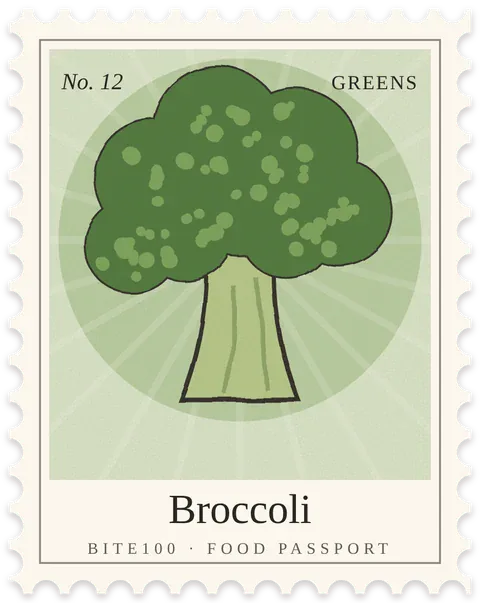 Broccoli Floret
Top 9 Maintenance • Safe, daytime window
- 6:30PM
Milk feed 4
Bath, Story & Bedtime Nursing
Warm bath to wash away puree splatter, gentle massage, pajama change, followed by calm final feed (6–8 oz).
Keep lights dimmed to stimulate natural melatonin.
- 7:30PM
Night sleep
11–12 Hour Night Sleep
Baby settles into crib. 0–1 overnight feeds are completely normal at 7 months depending on growth spurts.
Total daily sleep target: 14 hours.
How much should a 7-month-old eat?
At 7 months, breast milk or formula still provides most of baby’s calories, and solids are mainly about practice: new tastes, new textures and the chewing skills that come next. Amounts vary a lot from day to day, and that is normal.
| What | Typical amount at 7 months | Good to know |
|---|---|---|
| Formula | 24–32 oz (710–950 mL) a day, often 4–6 bottles of 6–8 oz | Don’t cut bottles to make room for solids yet |
| Breast milk | On demand, often 6–8 or more nursing sessions in 24 hours | Short, distracted feeds are common at this age |
| Solid meals | 1–2 meals a day | Add a second meal when baby is keen and eating well |
| Food per meal | A few tastes up to about 2–4 tablespoons in total (roughly ¼ cup) | Offer 2–3 foods; baby decides how much |
| Meal length | About 15–20 minutes | End sooner if baby shows they are done |
| Water | Sips with meals, up to about 4–8 oz (120–240 mL) a day | Open or straw cup, not a bottle |
Hunger and fullness cues at 7 months
Ready to eat: leans toward food, opens mouth as the spoon comes, reaches for the plate, gets excited at the high chair.
Done: turns head away, closes mouth, pushes food or the spoon away, starts throwing or dropping food, arches back. When you see these, end the meal calmly, even if most of the food is still there.
Milk timing in practice
Offering milk 30 to 60 minutes before solids means baby comes to the table interested but not frantic. If baby gags a lot or seems too full, try a longer gap of 60 to 90 minutes. After the meal, top up with milk if baby still seems hungry.
7-month schedule if baby still takes 3 naps
Many 7-month-olds still need three naps, with wake windows of about 2 to 2.5 hours. Most drop the short late-afternoon nap somewhere between 7 and 9 months. Here is how solids fit into a 3-nap day:
| Time | What happens |
|---|---|
| 7:00 am | Wake up, breast milk or formula |
| 7:45 am | Breakfast: solids, sips of water |
| 9:15–10:30 am | Nap 1 |
| 10:30 am | Milk feed |
| 12:45–2:15 pm | Nap 2 |
| 2:15 pm | Milk feed |
| 4:30–5:00 pm | Nap 3 (short catnap) |
| 5:15 pm | Dinner: second solid meal, if baby is ready for two |
| 6:30 pm | Bath, bedtime milk feed |
| 7:00 pm | Bedtime; night feeds as needed |
Breastfed babies may nurse more often than this shows. That is fine: keep meals roughly where they are and nurse on demand around them.
What can a 7-month-old eat?
Almost any family food, prepared safely and without added salt or sugar. Aim for an iron-rich food at each meal, since the iron babies are born with runs low around 6 months, plus a fruit or vegetable and something with healthy fat.
| Build the plate with | Why | Examples |
|---|---|---|
| Iron-rich food | Iron for brain development | Beef strips, lentils, egg, tofu, salmon, iron-fortified oat cereal |
| Vegetable or fruit | Vitamin C helps absorb iron | Broccoli, sweet potato, mango, pear, strawberry (mashed) |
| Healthy fat | Energy and fat-soluble vitamins | Avocado, olive oil, full-fat yogurt, peanut butter thinned into food |
| Allergens already introduced | Regular exposure helps keep tolerance | Egg, peanut, dairy, wheat, fish, sesame (tahini), soy |
Seven easy 7-month meal ideas
- Oatmeal with thinned peanut butter and mashed pear
- Scrambled egg strips, avocado spears and soft mango
- Mashed lentils with steamed carrot sticks
- Flaked salmon on toast fingers with a thin smear of cream cheese
- Beef strip to suck on, roasted sweet potato wedges and broccoli
- Full-fat plain yogurt swirled with mashed raspberries
- Tofu fingers, soft zucchini spears and ripe banana
What a 7-month-old shouldn’t have
- Honey, in any form, before 12 months
- Cow’s milk as a drink (small amounts in cooking, yogurt and cheese are fine)
- Juice, sweetened drinks, and foods with added salt or sugar
- Whole nuts, whole grapes, popcorn, hard raw vegetables and other choking hazards
- High-mercury fish such as swordfish, and unpasteurized dairy
See the full list in foods to avoid for babies, and how to keep allergens going with the Top 9 allergen plan.
Adjust To Your Household Clock
Adjust baby's real-life morning wake time and naps. The times below shift with it.
Finger Food Geometry at 7 Months
Babies at 7 months use their whole palm to grasp. Cut food into finger-length batons with handles. Avoid Coins & Raw Spheres.
Sweet Potato Batons
Steam until easily squished between your thumb and index finger. Length allows baby to hold the bottom and gnaw the top.
Large Broccoli Florets
The bushy top acts like a sensory toothbrush, mapping oral boundaries and desensitizing gag reflexes safely.
Coated Avocado Spears
Avocados are slippery; roll them in finely ground oats, baby cereal, or hemp seed to make them easier to grip.
Moving past smooth purees
Whether you spoon-feed, do baby-led weaning or mix both, 7 months is the time to move toward thicker, lumpier textures. Babies who stay on smooth purees past about 9 months are more likely to struggle with lumps later.
- Spoon foods: thick mashes with soft lumps, mashed with a fork rather than blended
- Finger foods: about the size of an adult finger, soft enough to squash between your thumb and finger
- Coming soon: the pincer grasp usually appears around 8–10 months, when smaller bite-size pieces become easier
Gagging is common and normal while babies learn. Choking is silent and needs action. Learn the difference in gagging vs choking, and see sizes for every food in the cutting guide.
“Missed a tasting slot due to a late nap or teething? Your plate waits for you. Breast milk and formula have baby completely covered. At 7 months, solids are mostly about practice and new tastes, but aim for an iron-rich food at most meals.”
Calm meals
If baby turns their head or pushes food away, end the meal in under 3 minutes.
Milk Is the Fortress
Breast milk or formula is still the main source of nutrition at this age.
Mess Equals Mastery
Smearing avocado into hair is sensory learning, not bad table manners.
Common 7-month feeding mistakes
- Cutting milk feeds to boost solids. Breast milk or formula is still the main food. Solids add to it rather than replace it until closer to 9–12 months.
- Coaxing “one more bite.” Pushing past fullness cues teaches babies to ignore their own appetite.
- Serving only fruit and vegetables. Iron-rich foods like meat, fish, eggs, beans and fortified cereal matter at every meal.
- Staying on smooth purees. Move toward lumpy mashes and soft finger foods now so chewing skills keep pace.
- Meals when baby is starving or overtired. Offer solids after a milk feed and a nap, not right before bed.
- Introducing allergens once and stopping. Keep each one in the rotation, a few times a week, once it’s introduced.
- Adding salt, sugar or honey. Take baby’s portion out before seasoning family food. Honey waits until 12 months.
- Following the clock over the baby. Schedules are a guide. Growth, wet diapers and a happy baby matter more than exact times.
When to call your pediatrician
Every 7-month-old eats differently. Check in with your pediatrician if:
- Baby isn’t gaining weight as expected, or is losing weight
- Fewer than about 4–6 wet diapers a day, or dark yellow urine
- Baby coughs, chokes or vomits at most meals, or sounds wet or gurgly after eating
- Baby still refuses all solids after a few weeks of calm offers, or can’t sit with support
- Hard, painful stools that don’t settle with food changes (see constipation and starting solids)
- Hives, vomiting or swelling after a new food (see signs of an allergic reaction)
7 month feeding schedule: questions parents ask
How much should a 7-month-old eat?
Most 7-month-olds drink about 24 to 32 oz (710 to 950 mL) of formula a day, or breastfeed on demand, and eat 1 to 2 small solid meals. A meal can be anything from a few tastes to about 2 to 4 tablespoons in total. Let baby’s hunger and fullness cues set the amount.
How many meals a day should a 7-month-old have?
One to two solid meals a day is typical at 7 months. Start with one and add a second when baby is interested and eating well. Most babies move to 3 meals between 8 and 9 months.
How much formula or breast milk does a 7-month-old need?
Formula-fed babies usually take 24 to 32 oz (710 to 950 mL) a day, often as 4 to 6 bottles of 6 to 8 oz. Breastfed babies usually nurse 6 to 8 or more times in 24 hours. Breast milk or formula is still the main source of nutrition at 7 months.
Should I give milk before or after solids at 7 months?
Offer milk first, then solids about 30 to 60 minutes later, so baby is interested but not frantic. If baby still seems hungry after the meal, top up with more milk. This gap matters less once baby eats 3 meals a day.
How many naps does a 7-month-old need?
Most 7-month-olds take 2 or 3 naps a day, with wake windows of about 2 to 3 hours. Babies on 3 naps usually drop the short late-afternoon nap between 7 and 9 months. Total sleep is usually 12 to 16 hours in 24 hours, naps included.
What finger foods can a 7-month-old eat?
Soft, finger-sized pieces that squash between your thumb and finger: steamed sweet potato or carrot sticks, broccoli florets with a stalk, avocado or ripe mango spears, omelet strips, toast fingers, and strips of tender meat. Avoid whole nuts, whole grapes, popcorn and hard raw vegetables.
Can a 7-month-old drink water?
Yes. Offer small sips of water from an open or straw cup with meals, up to about 4 to 8 oz (120 to 240 mL) a day in total. Water is for practice and thirst, not a replacement for breast milk or formula.
My 7-month-old barely eats solids. Is that okay?
Usually, yes. Many 7-month-olds eat only a few bites, and breast milk or formula still covers most of their needs. Keep offering 1 to 2 calm meals a day with a variety of textures. Talk to your pediatrician if baby refuses all solids for several weeks, or isn’t gaining weight.
Does a 7-month-old still need night feeds?
Many 7-month-olds still wake for one or two feeds, especially breastfed babies and during growth spurts. Others sleep through. If baby is growing well, ask your pediatrician whether it is a good time to start dropping night feeds.
When should my baby go from 2 meals to 3?
Most babies are ready for 3 meals a day around 8–9 months. Signs include eating eagerly at both meals, chewing and swallowing lumpy food well, and staying interested at the table. Milk feeds usually start to drop naturally after that.
Keep reading
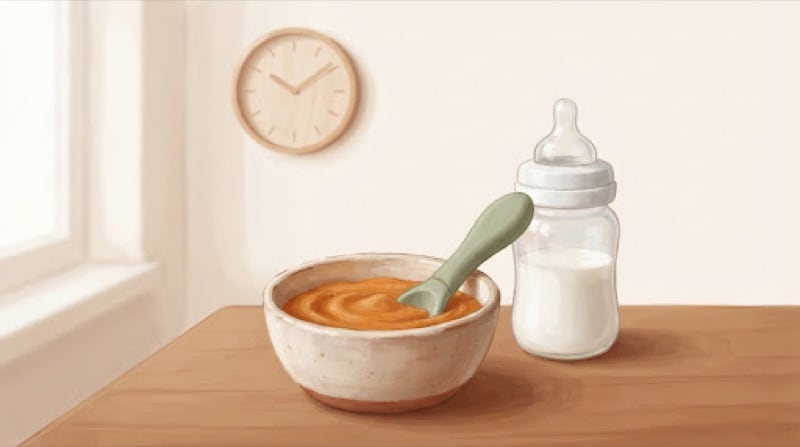 6-month-old feeding schedule
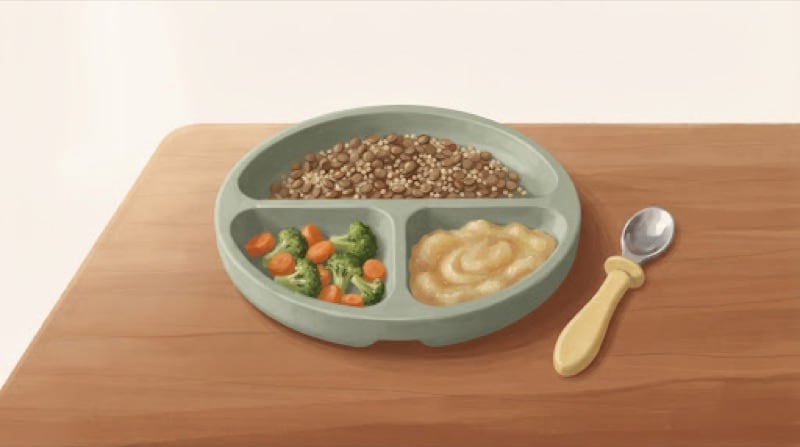 8-month-old feeding schedule
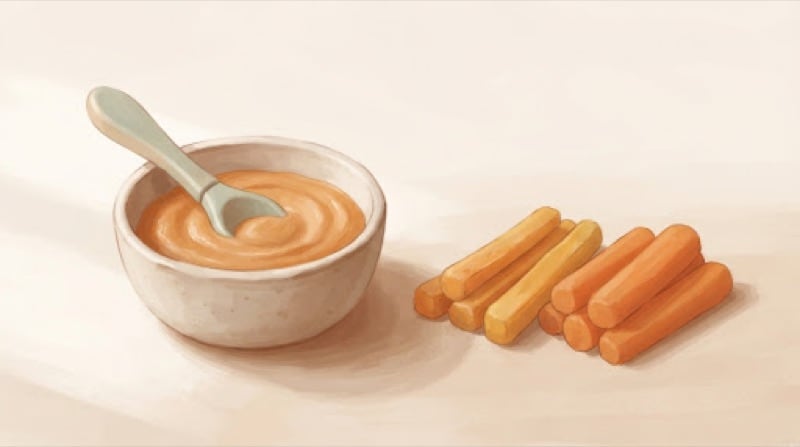 From purees to finger foods
Recipe collectionsBaby purée recipesBaby pancakes
- AAP (HealthyChildren.org): Starting solid foods
- CDC: When, what, and how to introduce solid foods
- CDC: How much and how often to feed infant formula
- CDC: Foods and drinks to encourage
- Togias A. et al. Addendum guidelines for the prevention of peanut allergy in the United States (NIAID expert panel). J Allergy Clin Immunol, 2017
- WHO: Complementary feeding
This guide is written for healthy, full-term babies and doesn’t replace your pediatrician. If your baby was born early, has a medical condition, feeding or swallowing difficulties, or a known allergy, check with them first (medical disclaimer).