
Choking first aid and the Heimlich maneuver
What to do, step by step, when a baby, a child or an adult is choking. The steps are different for babies under 1, so learn both.

Quick answer
If someone is choking and can’t cough, cry, speak or breathe, call emergency services and start first aid straight away. Babies under 1: repeat 5 back blows and 5 chest thrusts, using the heel of one hand, with baby’s head lower than the chest. Children and adults: repeat 5 back blows and 5 abdominal thrusts (the Heimlich maneuver). If they stop responding, start CPR.
- A strong cough means air is moving: let them cough and stay close
- Never use abdominal thrusts (the Heimlich) on a baby under 1
- Keep going in cycles until the object comes out or they stop responding
- Never do a blind finger sweep; remove only what you can see
- Always see a doctor afterwards, even if they seem fine

STEP 1
Is it choking?
Choking means the airway is blocked and air can’t get in or out. The key test is sound: if they can cough hard, cry or talk, air is moving. Encourage them to keep coughing, don’t pat their back and don’t reach into their mouth.
Act straight away if you see any of these signs:
- Can’t cough, cry, speak or breathe, or the cough becomes weak and silent
- A high-pitched squeak or no sound at all when trying to breathe
- Hands clutching the throat (the universal choking sign) or a panicked look
- Lips or face turning blue or gray
- In babies: silent, struggling, or suddenly floppy
In babies, noisy gagging with new textures is normal and different from choking. Read gagging vs choking to tell them apart.

BABIES UNDER 1 YEAR
Back blows and chest thrusts
Spot it
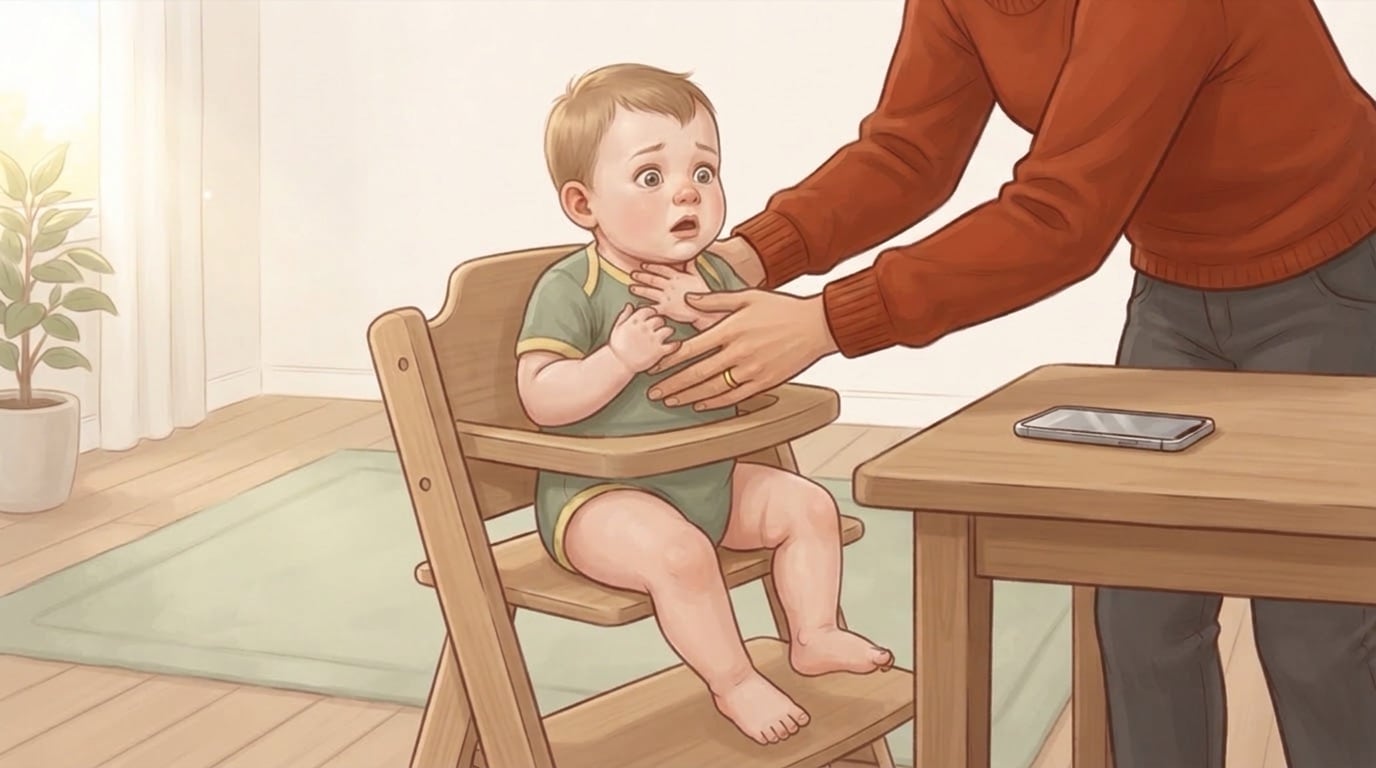
Baby is silent, can’t cry, cough or breathe, and may turn blue. A noisy cough or gag means air is moving: let baby cough.
Call for help
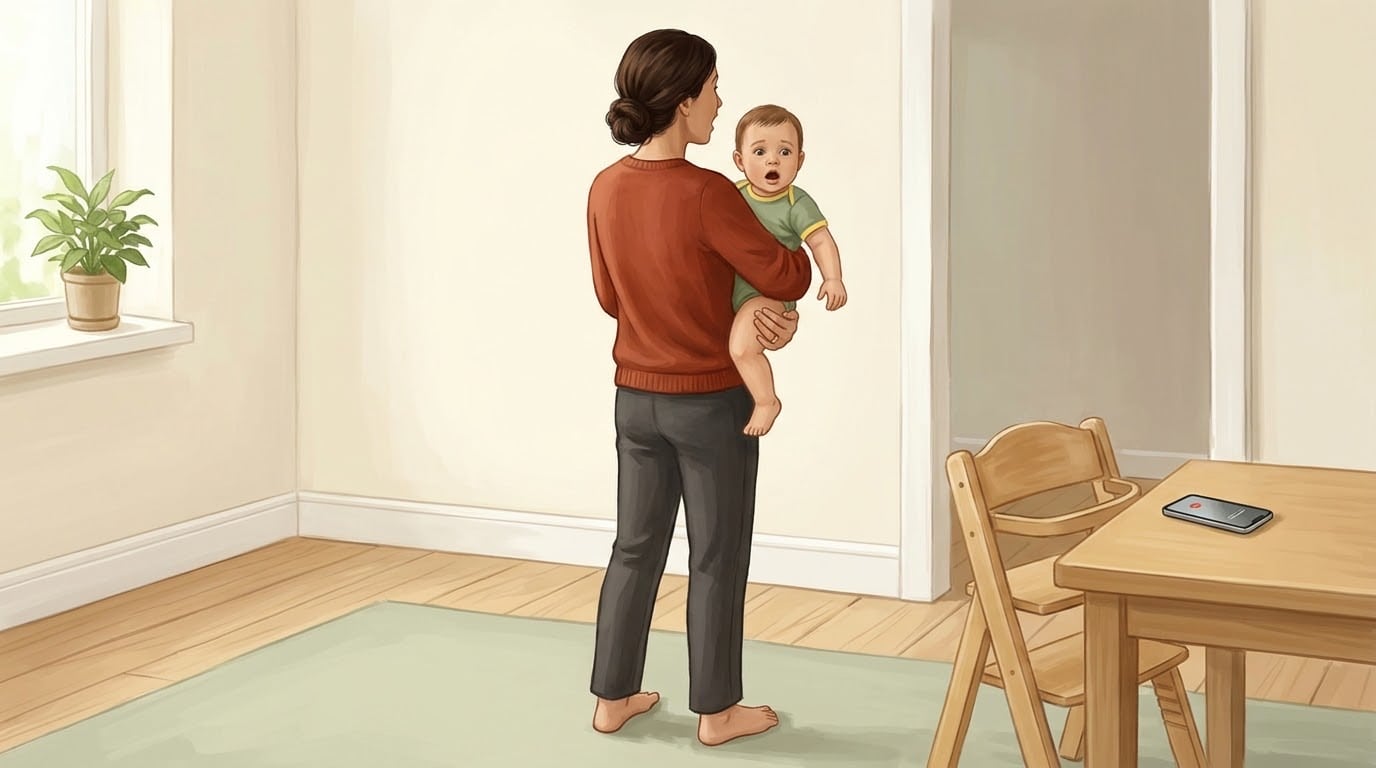
Shout for help and have someone call emergency services. If you’re alone, put the phone on speaker and start straight away.
Lay baby face down
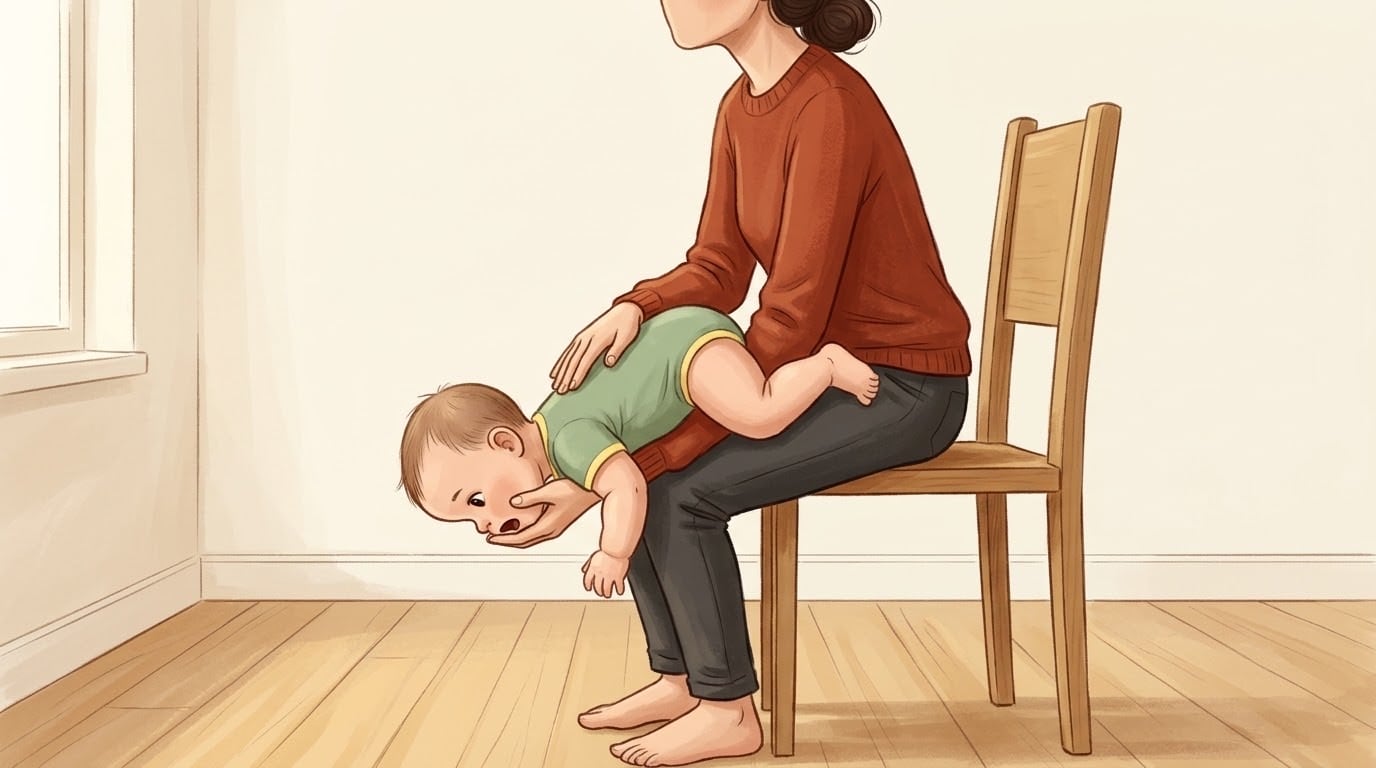
Sit or kneel. Lay baby face down along your forearm, resting your arm on your thigh. Hold the jaw (not the throat) with your thumb and fingers, and keep the head lower than the chest.
Give 5 back blows
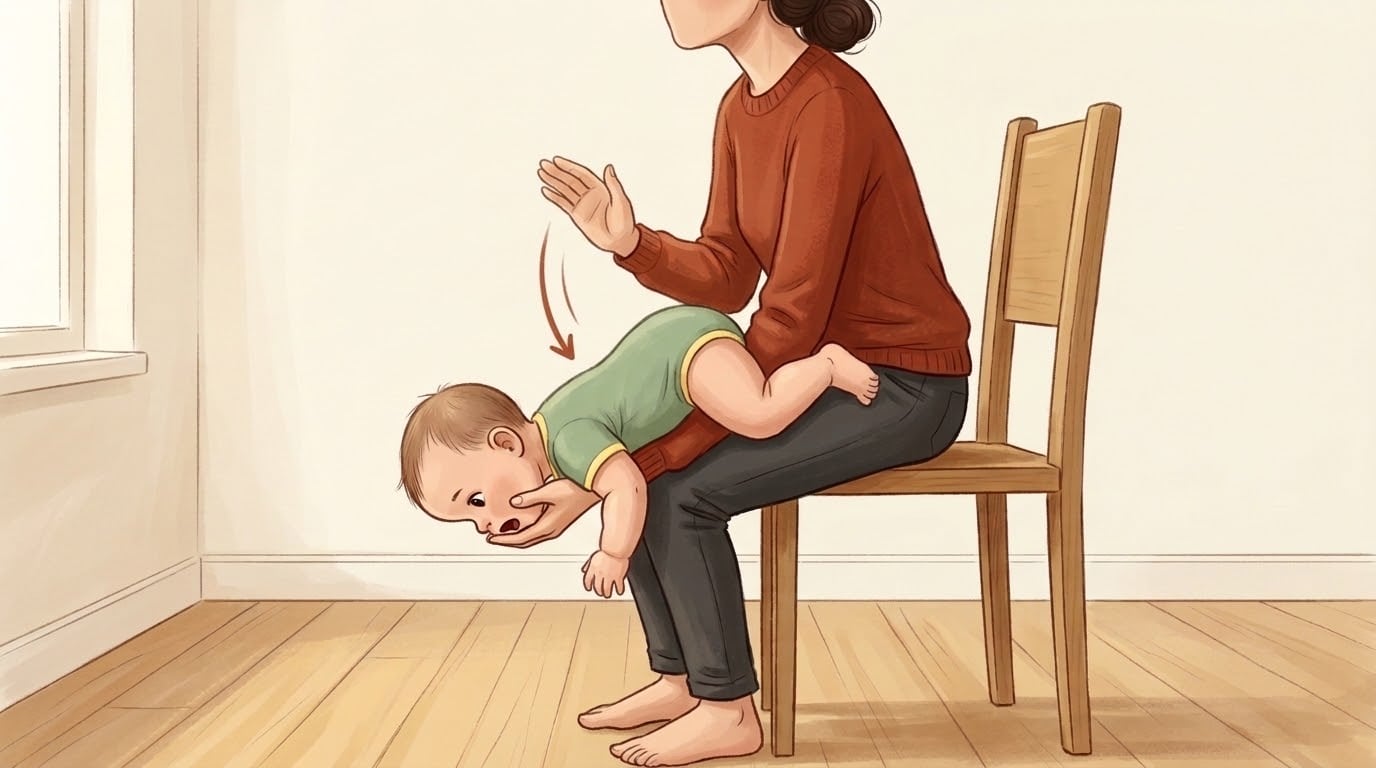
Firm, separate blows between the shoulder blades with the heel of your hand. Not gentle pats.
Turn baby face up
Sandwich baby between your forearms, support the back of the head, and turn baby onto your other arm resting on your thigh. Head still lower than the chest.
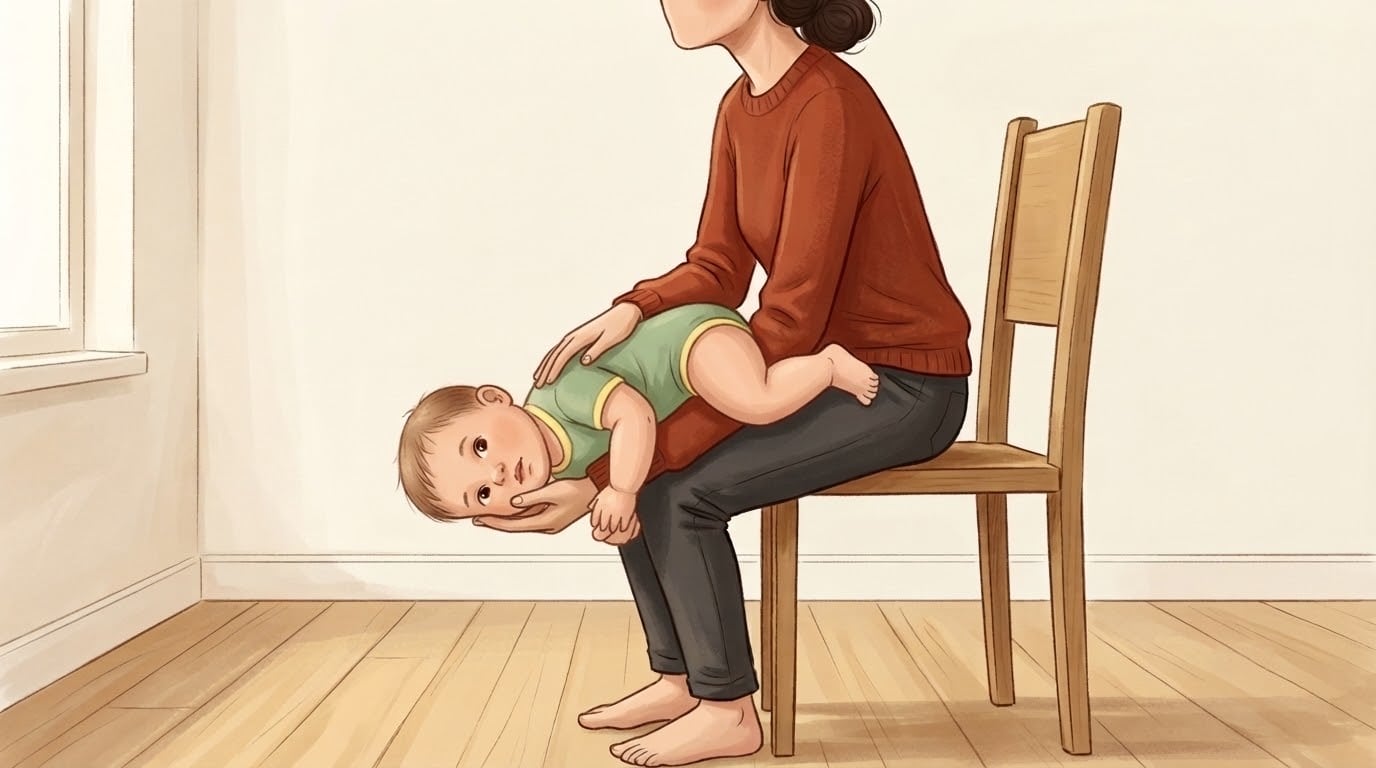
Give 5 chest thrusts
Heel of one hand on the center of the chest, just below the nipple line. Push straight down about 1.5 inches (4 cm), 5 times, letting the chest come back up. Never two fingers, never abdominal thrusts.

Repeat until it comes out
Keep alternating 5 back blows and 5 chest thrusts until the object comes out, baby cries or coughs strongly, or baby stops responding.
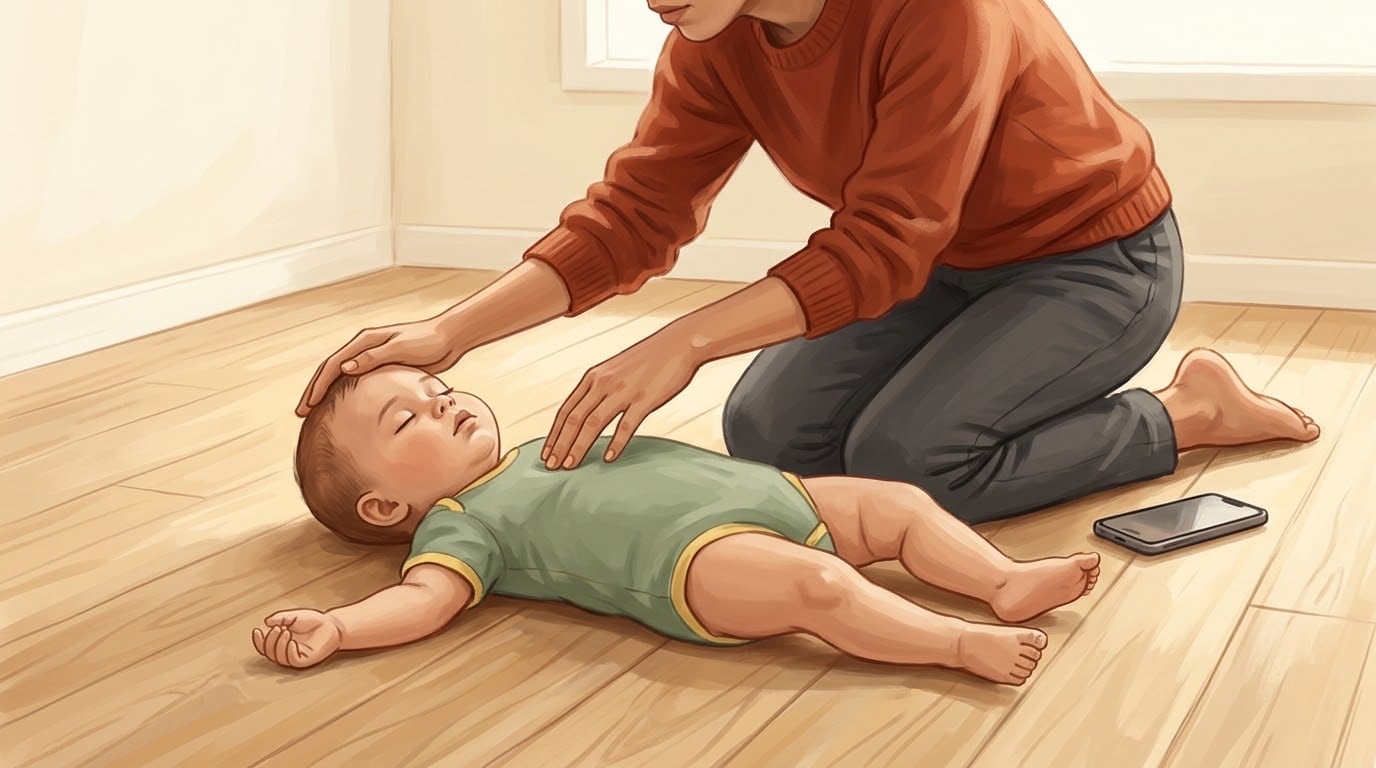
If baby stops responding
Lay baby on a firm, flat surface, make sure help is on the way and start infant CPR. Look in the mouth before each set of breaths and remove the object only if you can see it. See the full steps in infant CPR.
- No abdominal thrusts (Heimlich) under 1 year
- Don’t hold baby upside down by the ankles or shake them
- Don’t give water or food to “wash it down”
- Don’t sweep a finger in the mouth for an object you can’t see

CHILDREN 1 YEAR AND OLDER
Back blows and the Heimlich maneuver
From their first birthday, children get the same cycle as adults: 5 back blows, then 5 abdominal thrusts, repeated. Kneel behind a small child so you are at their height.
Spot it
Ask “Are you choking?” A child who can cough hard, cry or talk has air moving: let them cough and stay close. Act if they can’t cough, speak or breathe, or hold their throat.
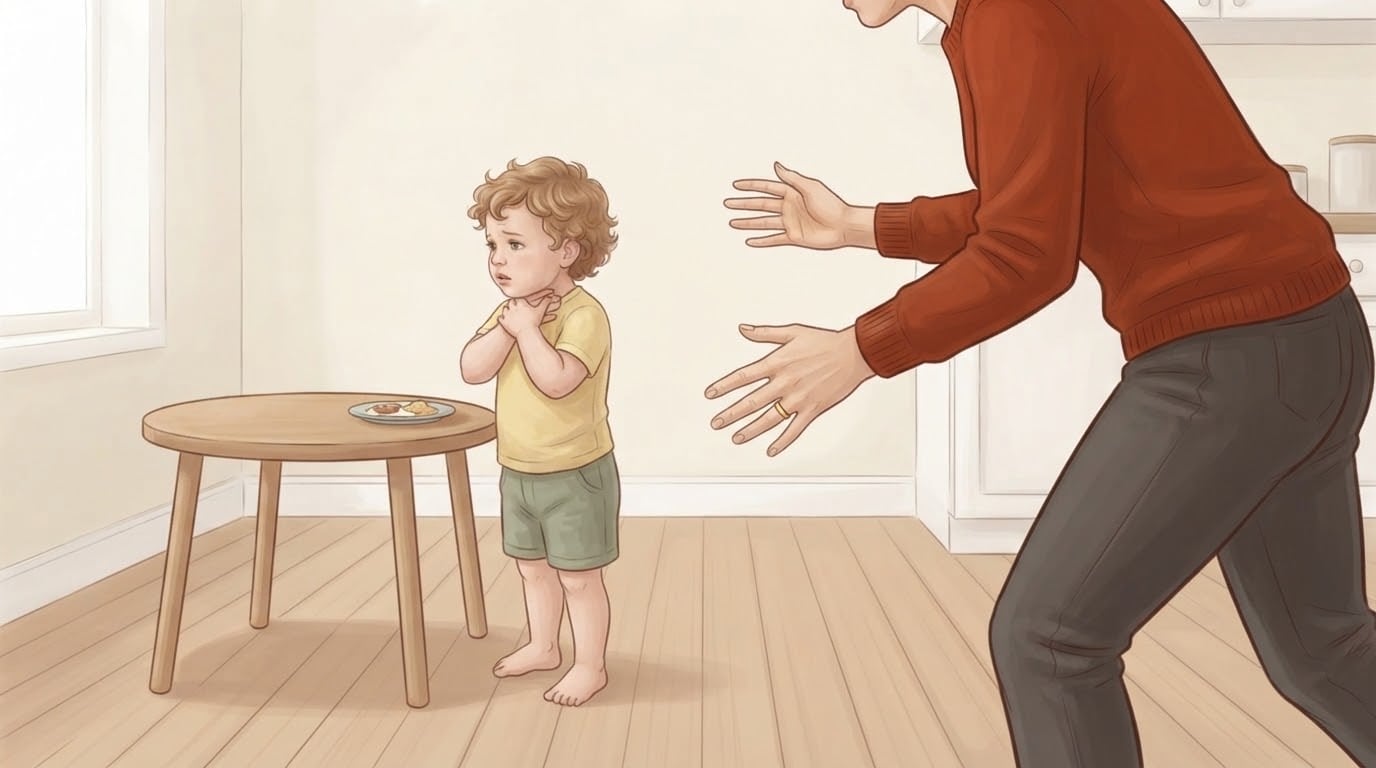
Call for help
Shout for help and have someone call emergency services. If you’re alone, put the phone on speaker and start straight away.
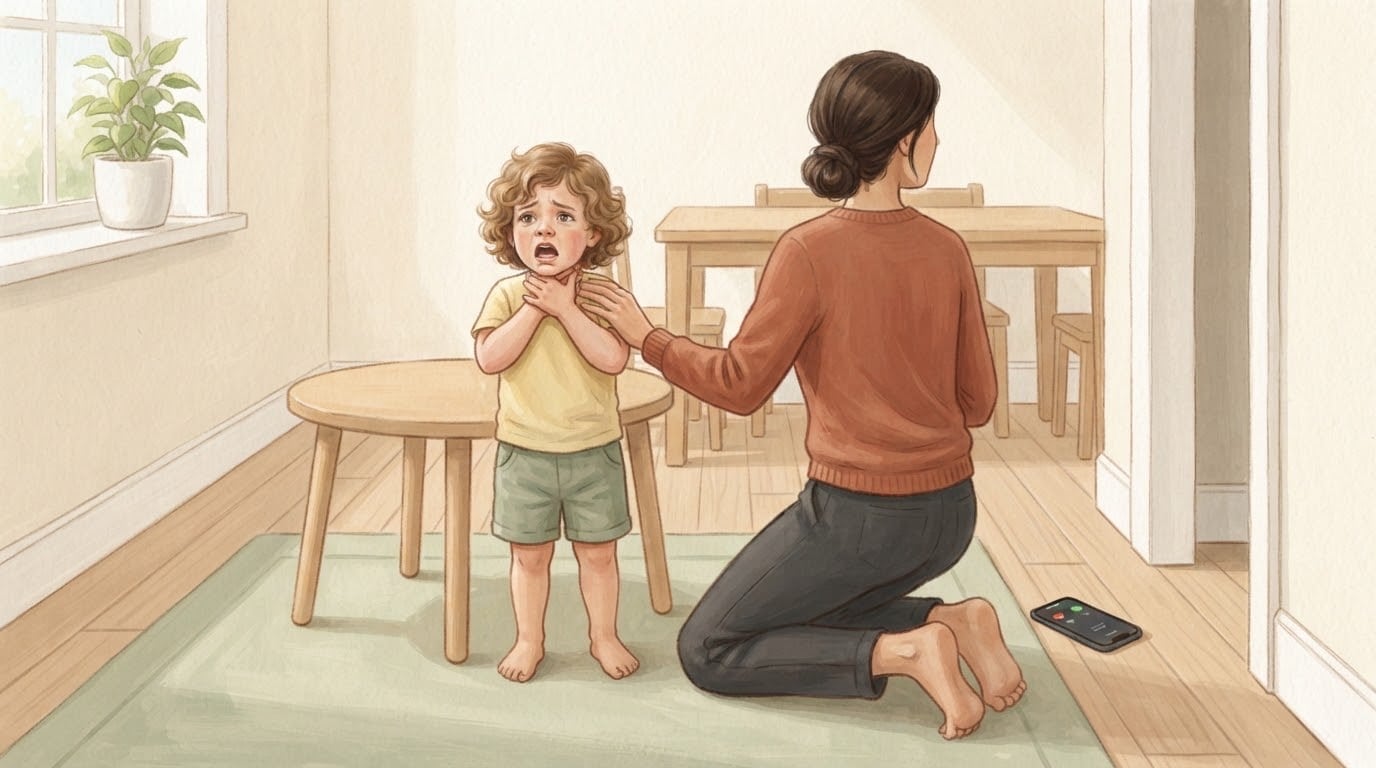
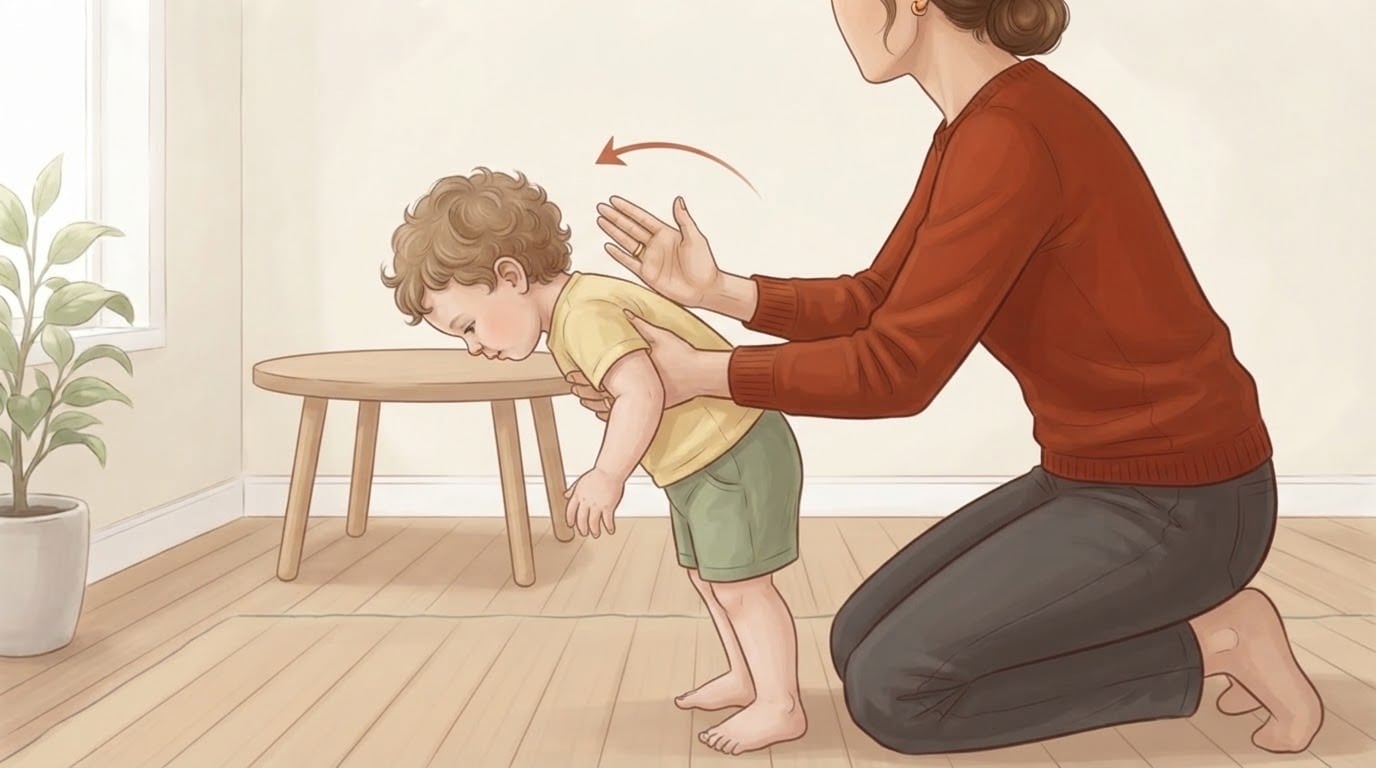
Give 5 back blows
Kneel beside or behind them. Support the chest with one hand and lean them well forward. Give 5 firm blows between the shoulder blades with the heel of your other hand.
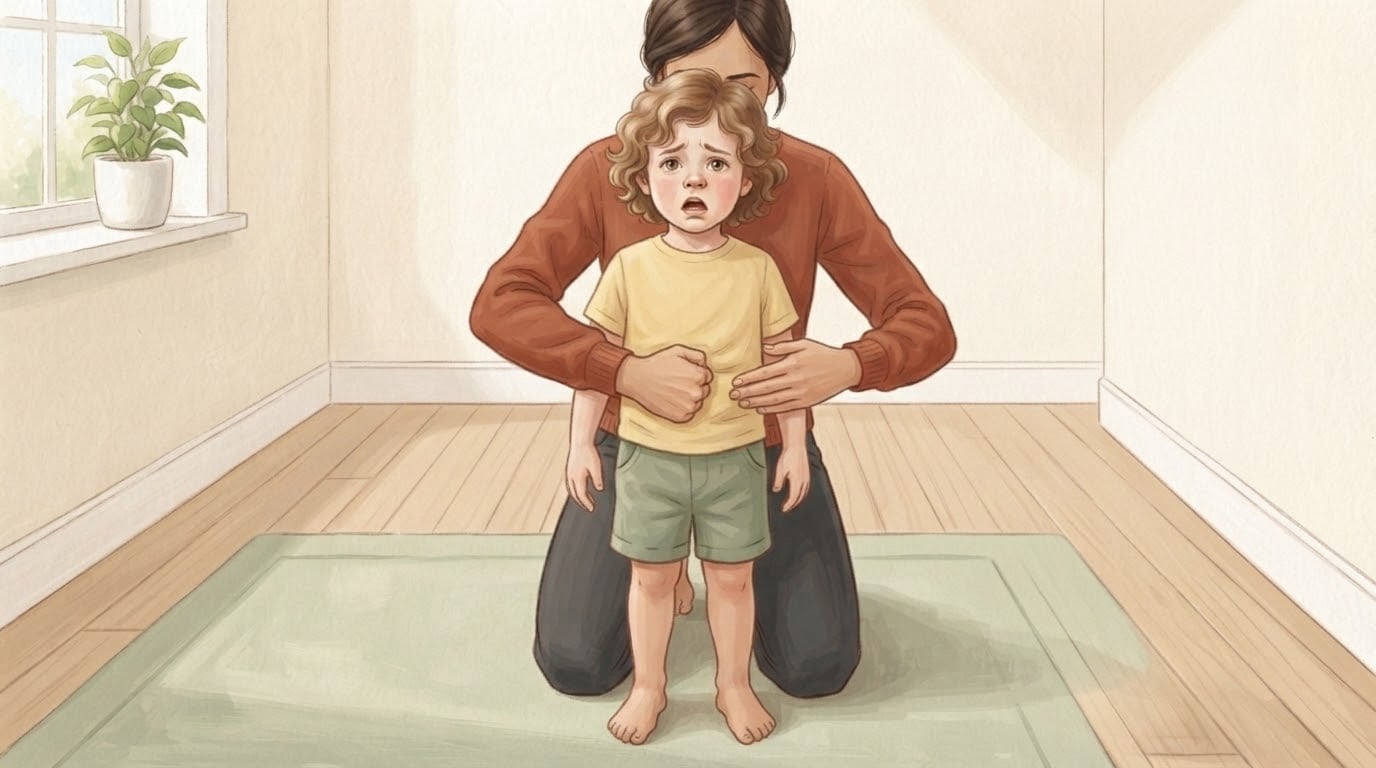
Find the spot
Kneel behind them and wrap your arms around their waist. Make a fist and put the thumb side just above the belly button, well below the breastbone. Grasp the fist with your other hand.
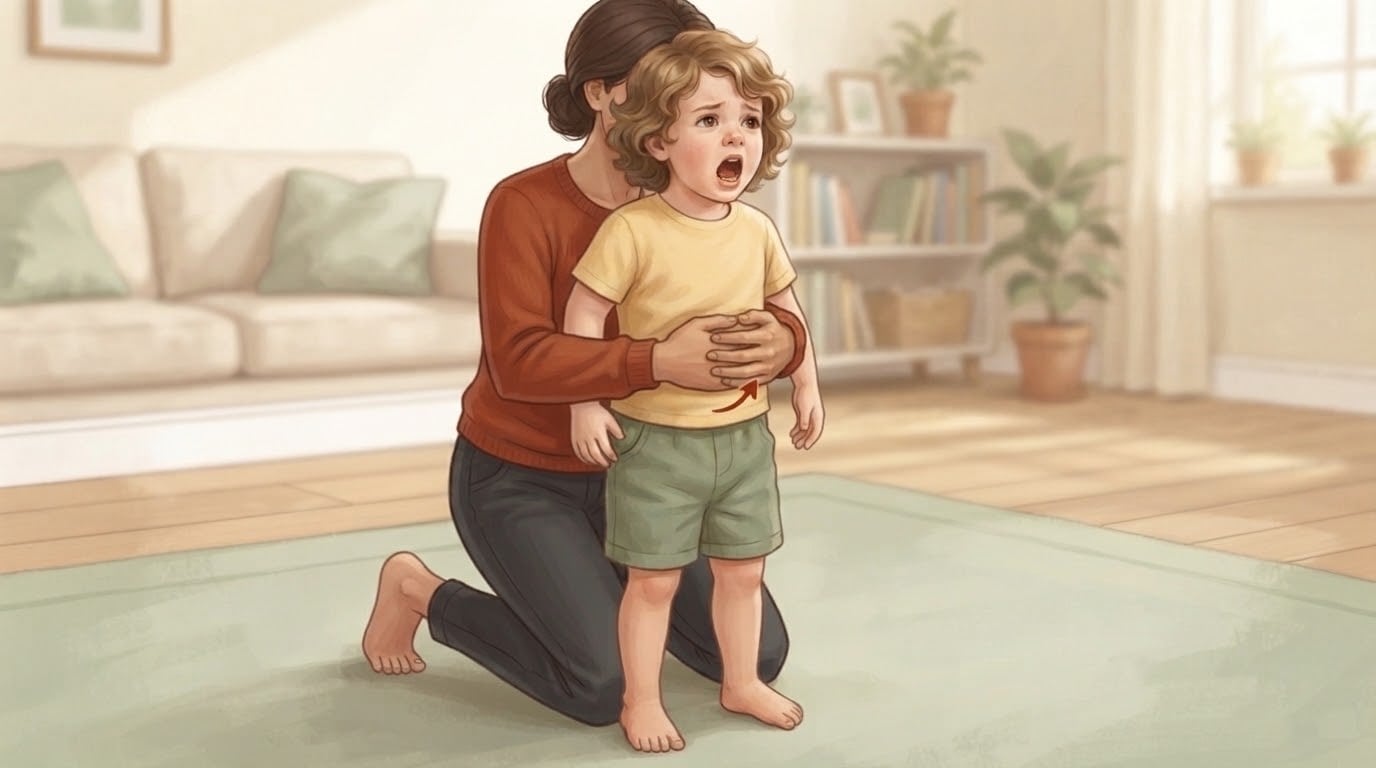
Give 5 abdominal thrusts
Pull quickly in and up, 5 times. This is the Heimlich maneuver. Scale the force to the child’s size.
Repeat until it comes out
Keep alternating 5 back blows and 5 abdominal thrusts until the object comes out, they cough or cry strongly, or they stop responding.
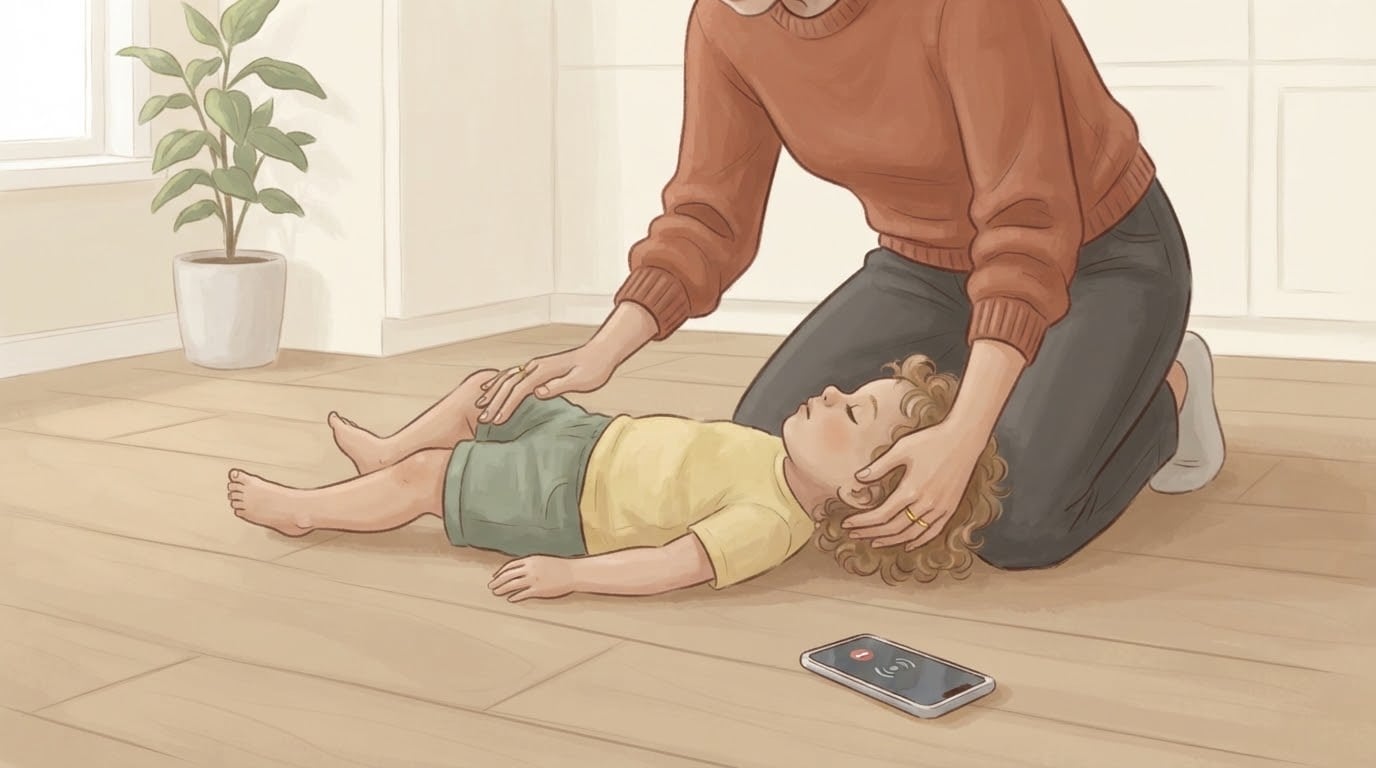
If they stop responding
Lower them onto their back on the floor, make sure help is on the way and start CPR. See CPR steps below.

FOR YOU, YOUR PARTNER AND GROWN-UP KIDS
When an adult is choking: the Heimlich maneuver
Choking isn’t only a baby problem. A rushed bite of steak at dinner, a piece of candy while laughing, a vitamin swallowed the wrong way: as a parent, the person who needs help might be you, your partner, a grandparent at the table, or one day your teenager or grown-up child. The good news is that you only need to learn one more pattern.
For teens and adults, the steps are the same as for children over 1: 5 back blows, then 5 abdominal thrusts, repeated. The only real difference is size: stand behind them instead of kneeling, with one foot between their feet so you can take their weight if they collapse.
And it works both ways. If you and your partner both know these steps, whoever is free can help whoever is choking, including the adult who was just helping the baby.
Spot it
Hands at the throat, can’t speak, cough or breathe. Ask “Are you choking?” If they can cough hard, let them cough and stay with them.
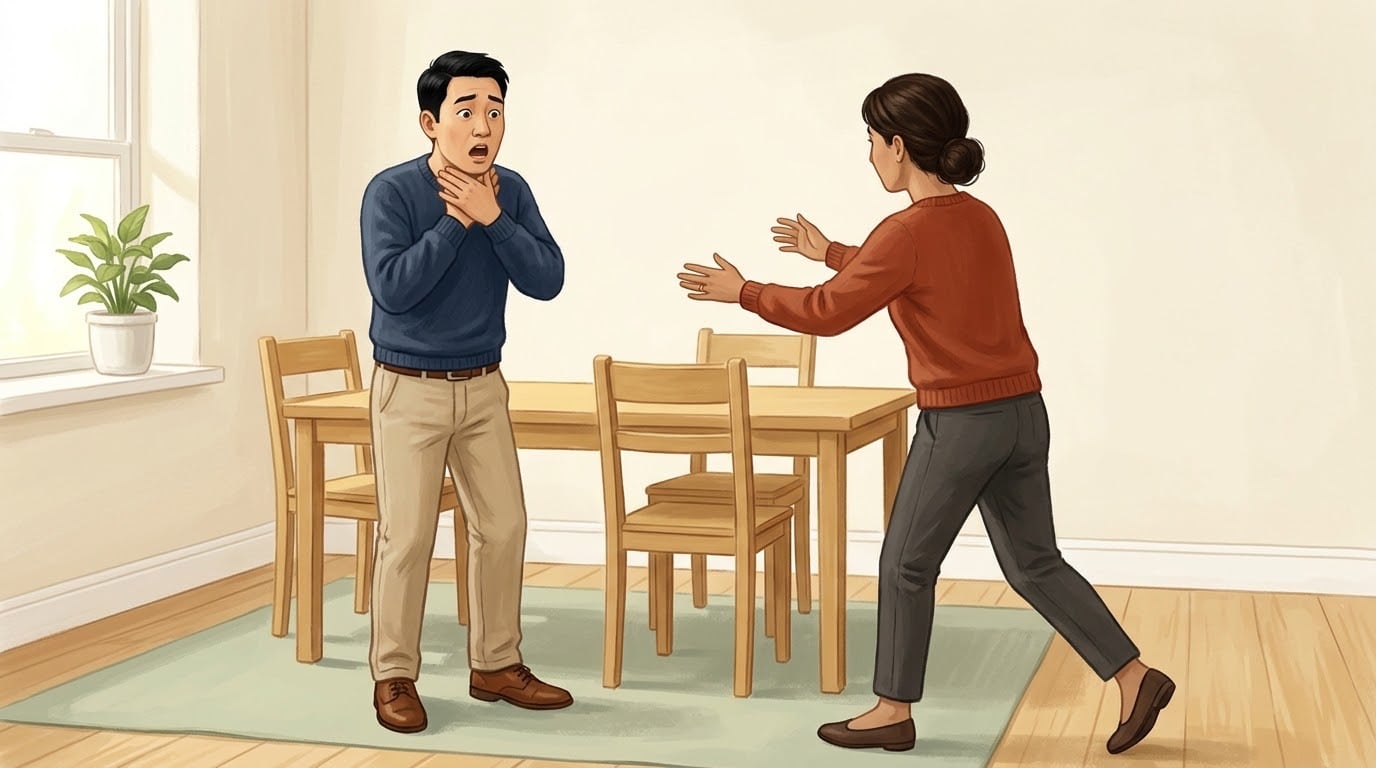
Call for help
Have someone call emergency services while you start. Alone with them? Put the phone on speaker.
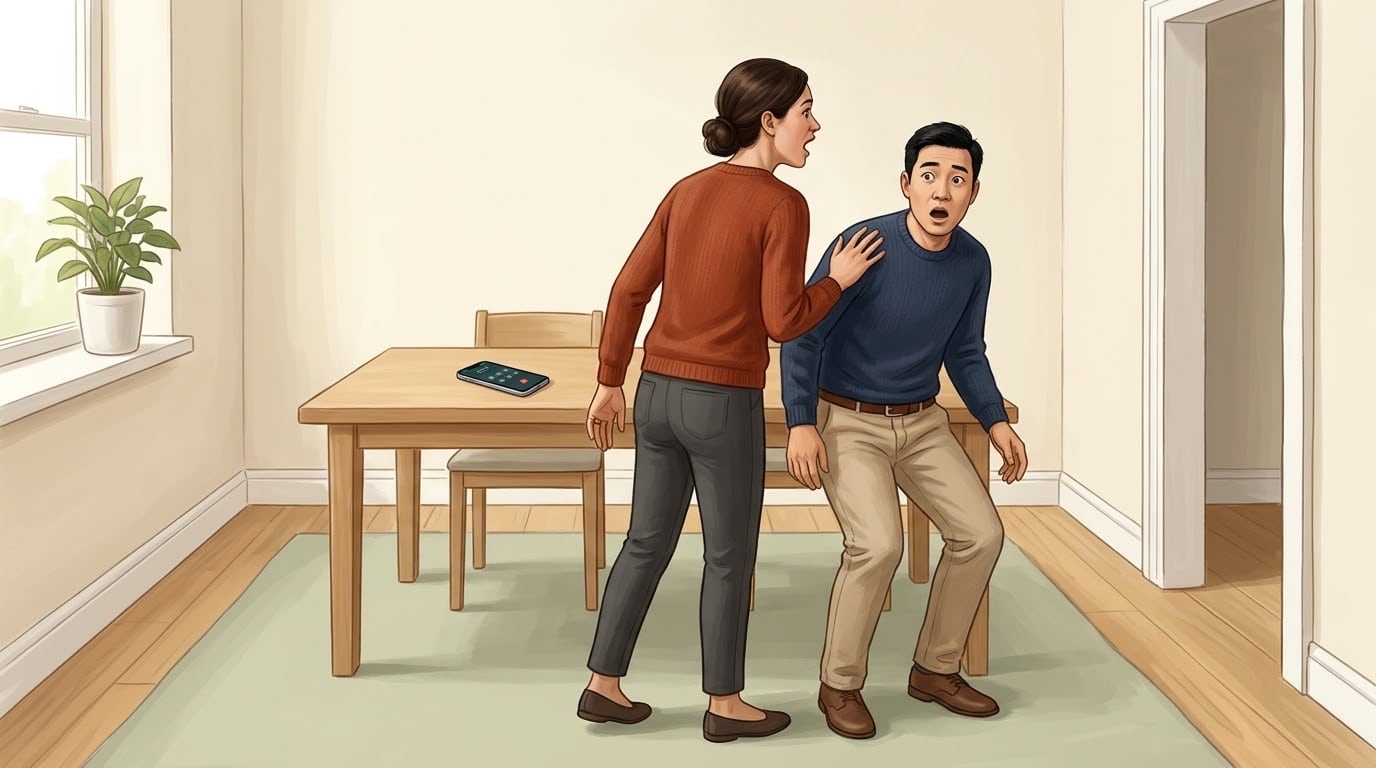
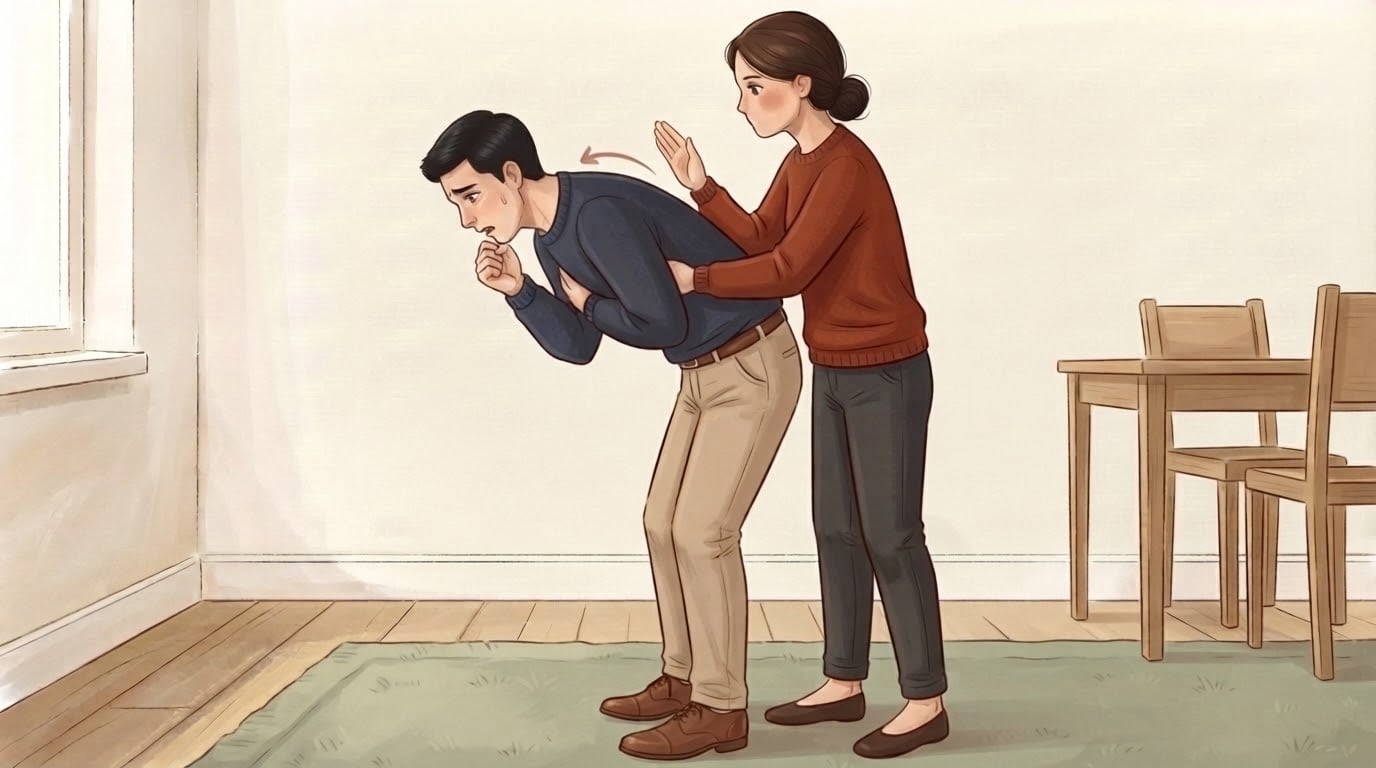
Give 5 back blows
Stand slightly behind them, support the chest with one hand and lean them well forward. Give 5 firm blows between the shoulder blades with the heel of your hand.
Get into position
Stand directly behind them with one foot between their feet, so you can take their weight if they collapse. Wrap your arms around their waist.
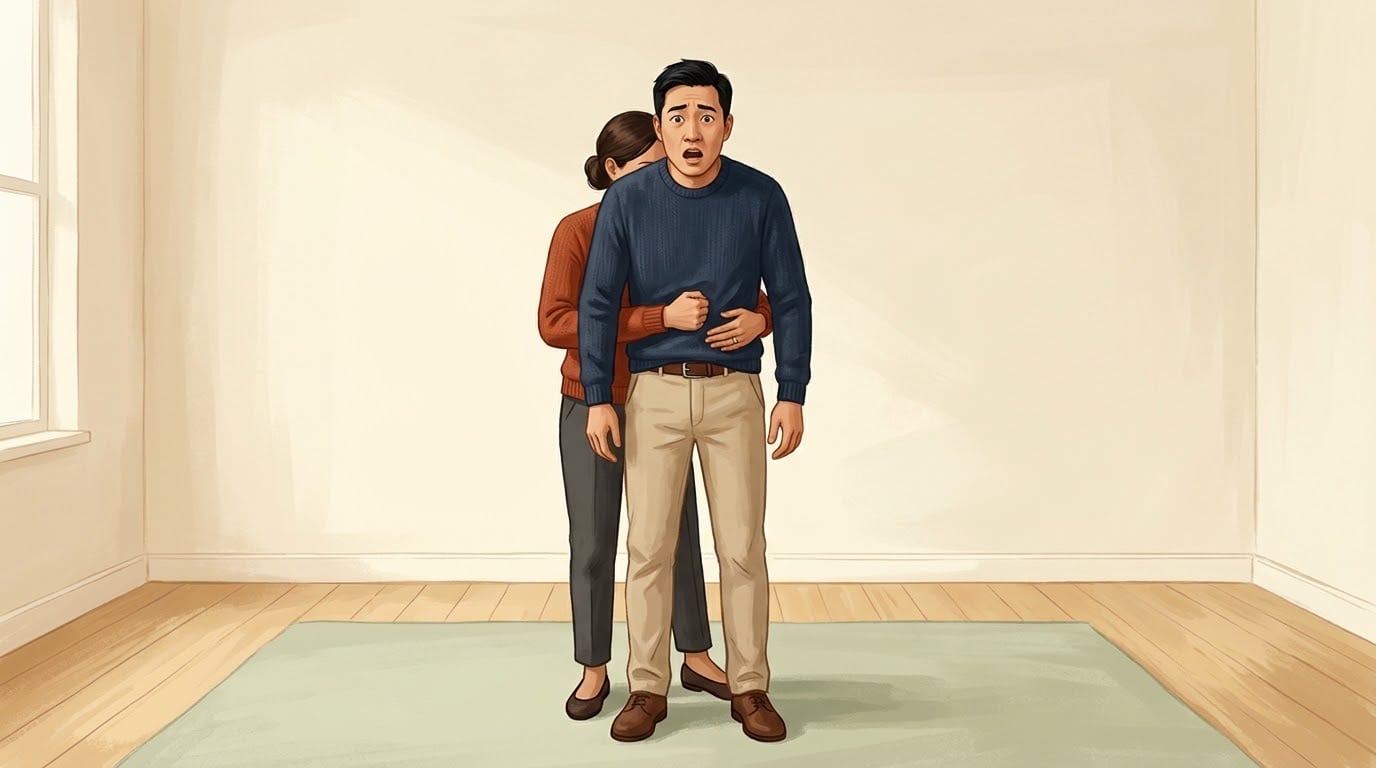
Give 5 abdominal thrusts
Fist just above the belly button, thumb side in, grasped by your other hand. Pull sharply in and up, 5 times. Pregnant or can’t reach around? Use chest thrusts instead (see below).
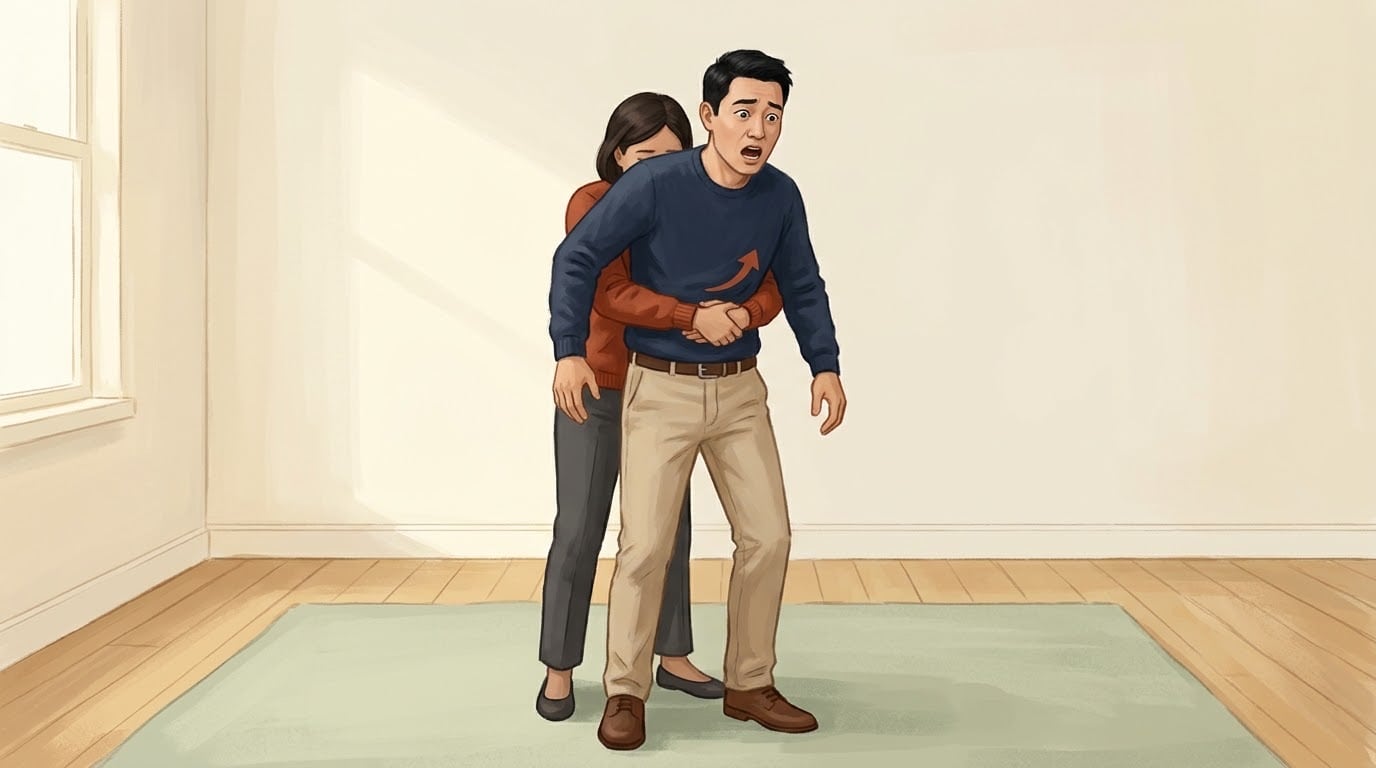
Repeat until it comes out
Keep alternating 5 back blows and 5 abdominal thrusts until the object comes out or they stop responding.
If they stop responding
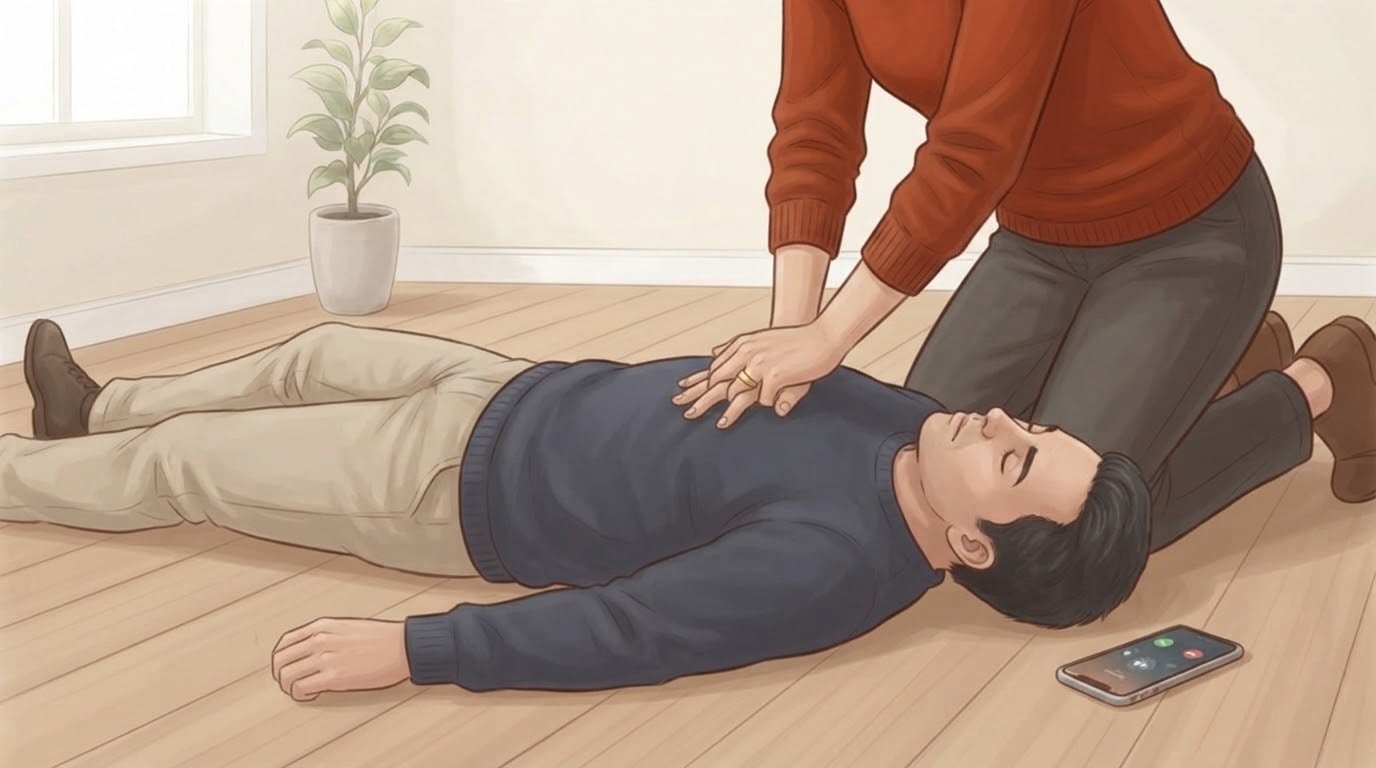
Lower them carefully to the floor, make sure help is on the way and start CPR. See CPR steps below.
Pregnant or larger adults
If you can’t reach around the waist, or the person is visibly pregnant, use chest thrusts instead of abdominal thrusts: put your fist on the center of the breastbone and pull straight back.
If you are alone with the kids and choking
Call emergency services even if you can’t speak, and leave the line open so the dispatcher can hear you and try to locate you. Give yourself abdominal thrusts with your own fist, or press your upper belly hard against the back of a chair or a counter edge.
Once your children are old enough, teach them how to call emergency services and say your address. A school-age child can’t do the Heimlich on an adult, but they can call for help and unlock the door.
IF THEY STOP RESPONDING
Start CPR straight away
- 1Lower them onto their back on a firm, flat surface. Make sure emergency services are on the way, and send someone for an AED.
- 2Start CPR with chest compressions: 30 compressions, then 2 breaths, at 100 to 120 compressions a minute. Babies: about 1.5 inches (4 cm). Children: about 2 inches (5 cm). Adults: at least 2 inches (5 cm).
- 3Check the mouth before breaths. Each time you open the airway, look for the object and remove it only if you can see it.
- 4Keep going until they start breathing normally, help takes over, or an AED tells you to stop.
For a baby, follow the full steps in infant CPR: two thumbs with your hands around the chest, or the heel of one hand, just below the nipple line.
WHY IT MATTERS
Why babies never get the Heimlich
“Heimlich maneuver” is the everyday name for abdominal thrusts. In a baby under 1, the liver and other organs sit low and unprotected below a soft rib cage, so a thrust into the belly can cause serious internal injury.
That’s why babies get chest thrusts instead, after back blows, with the head lower than the chest so gravity helps. Once a child turns 1, abdominal thrusts are the recommended technique.
CHEAT SHEET
Choking first aid by age
| Age | Repeat this cycle | Hand | Key detail |
|---|---|---|---|
| Baby under 1 | 5 back blows + 5 chest thrusts | Heel of one hand | Head lower than chest. Never abdominal thrusts |
| Child 1 and older | 5 back blows + 5 abdominal thrusts | Heel of hand; fist for thrusts | Kneel to their height; fist just above belly button |
| Adult | 5 back blows + 5 abdominal thrusts | Heel of hand; fist for thrusts | Pregnant or larger: chest thrusts instead |
| Anyone unresponsive | CPR: 30 compressions + 2 breaths | See CPR steps | Look in the mouth before breaths; no blind sweeps |
AVOID THESE
Common mistakes in a choking emergency
- Slapping the back of someone who is still coughing hard. A strong cough clears the airway best; stay close and be ready
- Using abdominal thrusts (the Heimlich) on a baby under 1. Babies get back blows and chest thrusts only
- Doing only abdominal thrusts on a child or adult. The 2025 guidelines start with 5 back blows, then 5 abdominal thrusts, and repeat
- A blind finger sweep. Reaching for an object you can’t see can push it deeper; remove it only if you can see it
- Holding a baby upside down by the ankles or shaking them
- Gentle pats instead of firm back blows. Back blows need to be strong and quick, with the heel of the hand
- Placing the fist too high. For abdominal thrusts it goes just above the belly button, well below the breastbone
- Giving water or bread to “push it down”. Never give food or drink to someone who is choking
- Waiting to call for help. If they can’t breathe, cough or speak, call emergency services straight away
- Stopping when they go limp. If they stop responding, lower them to the floor and start CPR
- Skipping the doctor afterwards because they seem fine
AFTERWARDS
When to see a doctor
Anyone who needed back blows, chest thrusts, abdominal thrusts or CPR should be checked by a doctor the same day, even if they seem fine. Thrusts can cause internal injury, and a small piece may still be in the airway.
- A cough, wheeze or noisy breathing that doesn’t settle
- Trouble swallowing, drooling or pain in the throat or chest
- A fever in the days after, which can mean a piece of food was inhaled
To lower the risk at meals, see foods to avoid for babies and how to cut food by age.
Choking first aid: questions parents ask
What is the Heimlich maneuver?
The Heimlich maneuver is the old name for abdominal thrusts: standing behind a choking person, you wrap your arms around their waist, put a fist just above the belly button and pull sharply in and up. The 2025 American Heart Association guidelines pair it with back blows: give 5 back blows, then 5 abdominal thrusts, and repeat.
Can you do the Heimlich maneuver on a baby?
No. Never use abdominal thrusts on a baby under 1 year, because they can injure the liver and other organs. For babies, repeat cycles of 5 back blows and 5 chest thrusts with the heel of one hand, keeping baby’s head lower than the chest.
What changed in the 2025 choking guidelines?
The 2025 American Heart Association and AAP guidelines now teach the same pattern for children and adults: 5 back blows followed by 5 abdominal thrusts, repeated until the object comes out or the person stops responding. For infants, chest thrusts are now given with the heel of one hand instead of two fingers.
What do I do if my toddler is choking?
If your child over 1 can’t cough, cry, speak or breathe, have someone call emergency services (911 in the US). Kneel behind them, lean them forward and give 5 firm back blows between the shoulder blades, then 5 quick abdominal thrusts just above the belly button. Repeat until the object comes out or they stop responding.
What if the person becomes unresponsive while choking?
Lower them to the floor, make sure emergency services are called and start CPR, beginning with chest compressions. Each time you open the airway to give breaths, look in the mouth and remove the object only if you can see it. Never do a blind finger sweep.
Should I slap the back of someone who is coughing?
No. If they can cough forcefully, cry or talk, air is moving. Encourage them to keep coughing and stay with them. Start back blows only if the cough becomes silent or weak, or they can’t breathe or speak.
Does someone need a doctor after the Heimlich maneuver?
Yes. Anyone who needed back blows, chest thrusts or abdominal thrusts should be checked by a doctor, even if they seem fine, because the thrusts can cause internal injury and a small piece may still be in the airway.
How do I do the Heimlich maneuver on a pregnant person?
Don’t press on the belly. Give 5 back blows, then 5 chest thrusts instead of abdominal thrusts: stand behind them, put your fist on the center of the breastbone and pull straight back. The same applies to someone too large to reach around.
Keep reading
 Infant CPR and choking first aid
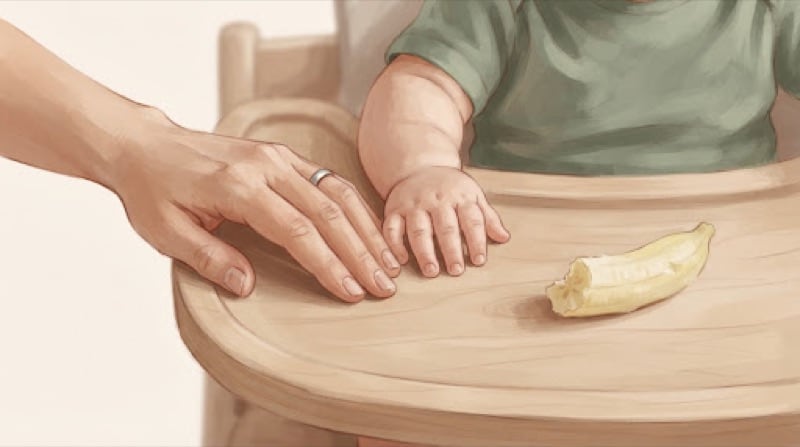 Gagging vs choking: how to tell
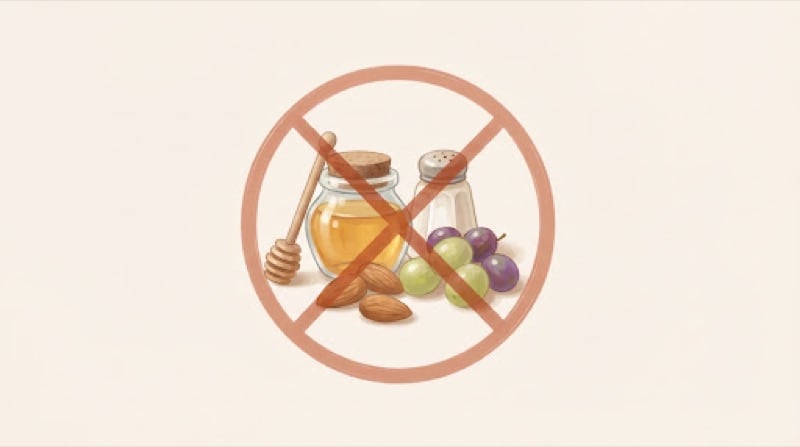 Foods to avoid for babies
Based on the 2025 American Heart Association and AAP guidelines and American Red Cross guidance. This guide is educational and doesn’t replace a hands-on first aid class or emergency services.
- American Heart Association — 2025 Guidelines for CPR and ECC
- AAP (HealthyChildren.org) — AHA and AAP release updated CPR guidelines (2025)
- American Red Cross — Choking first aid for adults and children
- American Red Cross — Infant CPR and choking
- AAP (HealthyChildren.org) — Choking prevention for children