15–18-Month-Old Feeding Schedule: Meals, Snacks and the 1-Nap Day
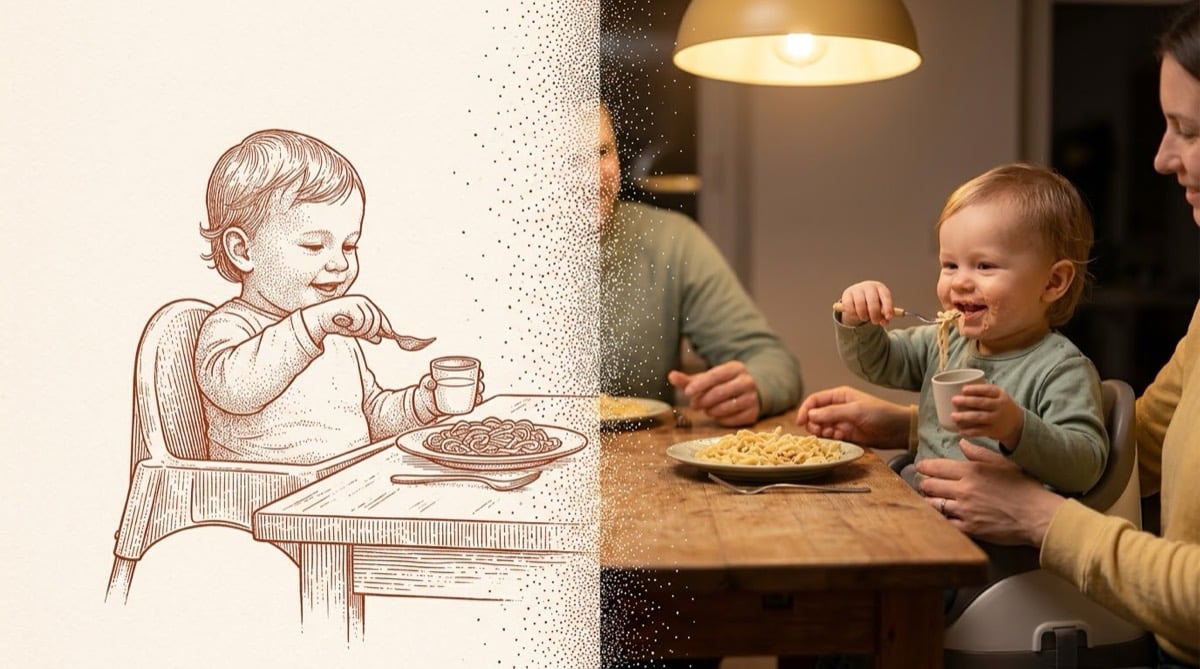
Quick answer
A typical 15- to 18-month-old eats 3 meals and 2 snacks a day, about 2 to 3 hours apart, with 16 to 24 oz (470 to 710 mL) of whole milk or continued breastfeeding. Toddler portions are small, roughly a quarter of an adult portion. The AAP suggests finishing the move from bottles to cups by 18 months. Most toddlers now take 1 nap of about 2 to 3 hours after lunch.
- 3 meals and 2 snacks, about 2–3 hours apart
- Whole milk 16–24 oz a day, from a cup
- One midday nap of about 2–3 hours
Golden Rule • Set Times, Not Grazing
Offer meals and snacks at roughly the same times each day and close the kitchen in between. A toddler who arrives a little hungry eats better than one who has been nibbling and sipping milk all morning.
A sample day
A sample day for an 18-month-old on one nap: three meals, two snacks, milk in a cup with meals.
- 7:00AM
- 9:30AM
- 11:45AM
- 12:30to 3:00 PM
Nap · 2–3 hrs
Midday Nap
One long nap after lunch is typical once the switch from two naps is done.
Wake window: ~5 hours
- 3:15PM
Family Dinner + Milk
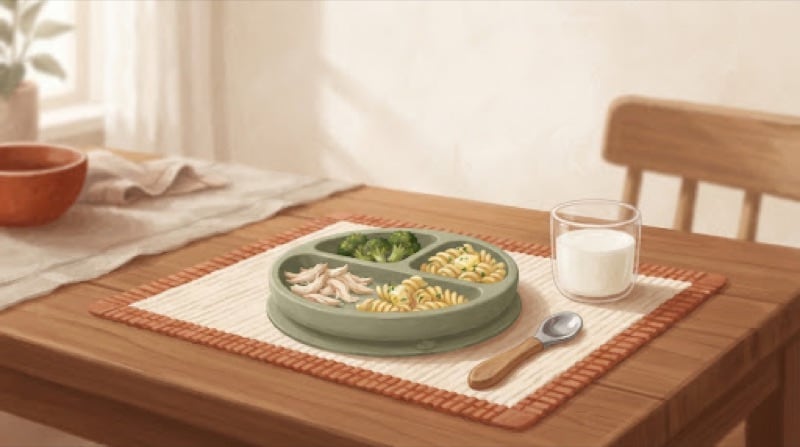
Chicken strips, rice and broccoli, plus whole milk in a cup.
 Chicken
 Broccoli
Eat together
- 6:45PM
Optional milk
Bedtime Routine
Bath, teeth, story. A breastfeed or small cup of milk if part of your routine, then brush teeth.
No bottle in bed
- 7:15PM
Night sleep
11–12 Hour Night Sleep
Most toddlers sleep through without needing food at night.
Total daily sleep: 11–14 hours
 Bread
 Banana
 Yogurt
 Mango
 Lentils
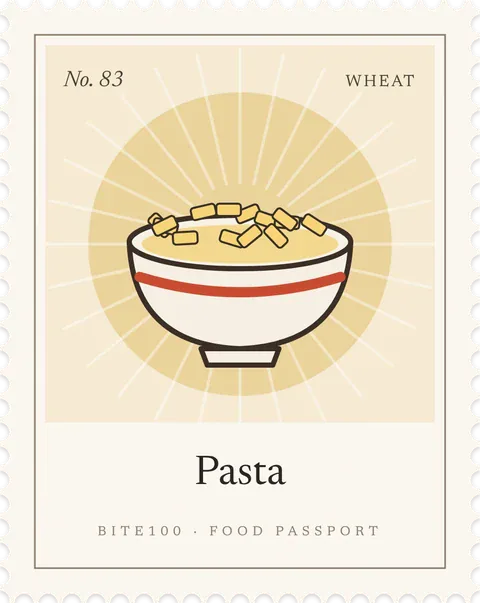 Pasta
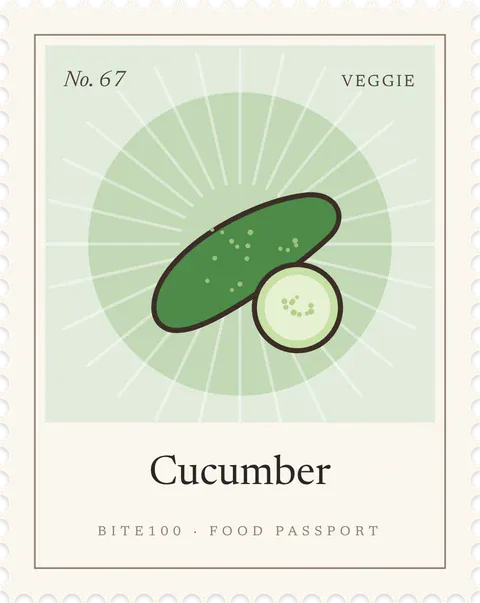 Cucumber
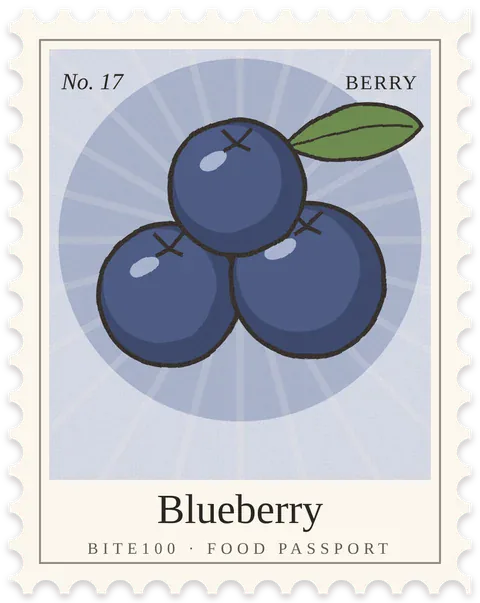 Blueberry
How much should an 18-month-old eat?
Toddler appetite swings from day to day. Look at the whole week, not a single meal.
| Food | Typical amount | Notes |
|---|---|---|
| Whole cow’s milk | 16–24 oz (470–710 mL) a day | From a cup; no more than 24 oz |
| Breast milk | As often as you both like | Alongside meals and snacks |
| Meals | 3 a day, about ¼ of an adult portion | Start small and offer more if they ask |
| Snacks | 2 a day | Planned, seated, like a mini meal |
| Water | About 1–4 cups a day | The main drink between meals |
| Juice | None needed | If any, max 4 oz 100% juice a day |
Toddler formulas and growing-up milks aren’t needed for most toddlers. Plant milks other than fortified soy are not a direct swap for cow’s milk; ask your pediatrician if your toddler can’t have dairy.
What an 18-month-old can eat
Your toddler can eat most family meals, cut into small pieces and lightly salted. Keep avoiding choking hazards like whole nuts, whole grapes, popcorn and hard raw veggies until age 4. See foods to avoid.
“Picky eating often peaks between 18 months and 2 years. It is a phase, not a failure. Keep serving, keep eating together, and keep the pressure off.”
Division of responsibility
You choose what, when and where. Your toddler chooses whether and how much.
One safe food per plate
Serve a new food next to one they already like. Many toddlers need 10 or more tries before accepting a food.
Spoon, fork and open cup
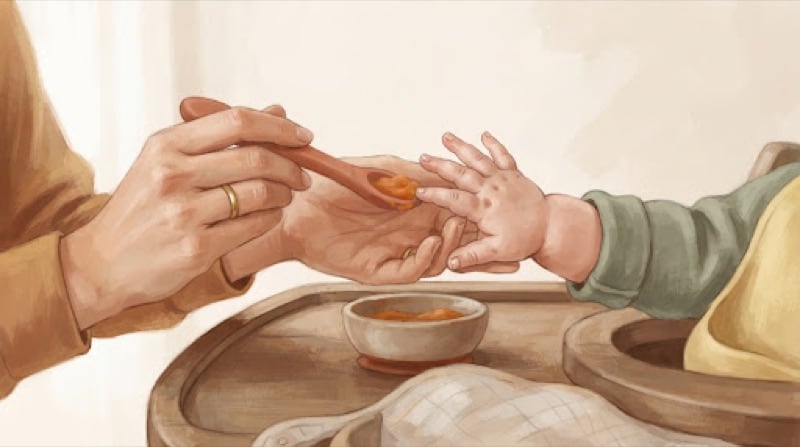
Let them self-feed every meal. Mess now means independent eating later.
How to finish weaning from the bottle
The AAP suggests moving to cups between 12 and 18 months. Long-term bottle use is linked to tooth decay and drinking too much milk.
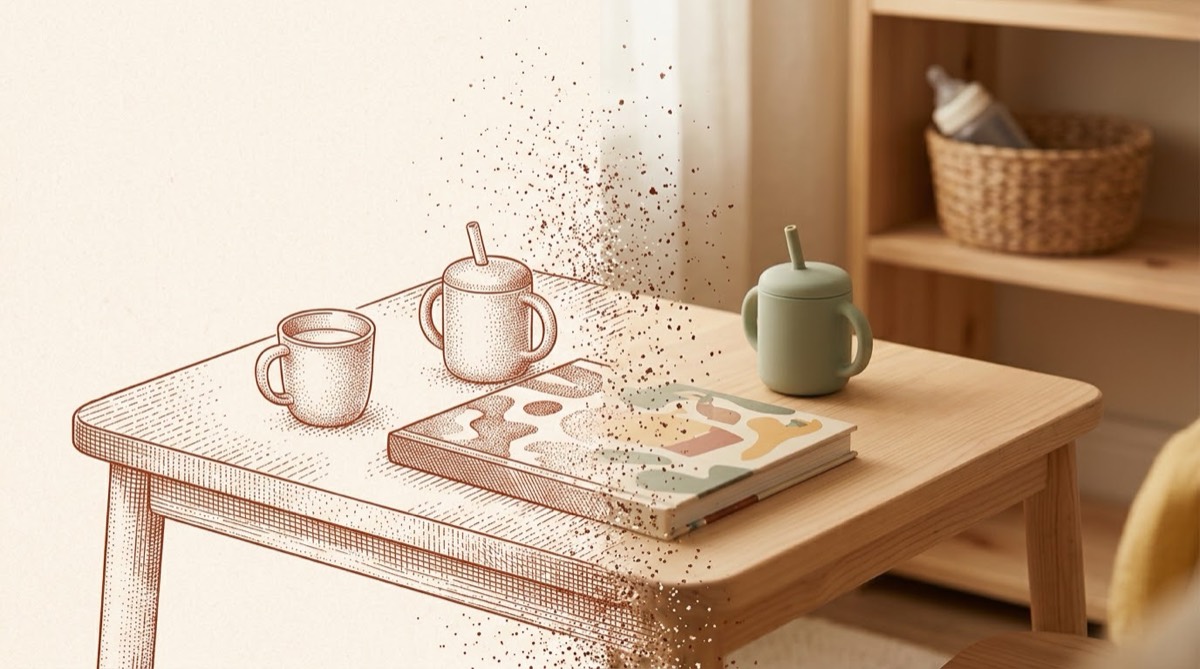
- Drop one bottle at a time, every few days. Start with the midday bottle and keep the bedtime one for last.
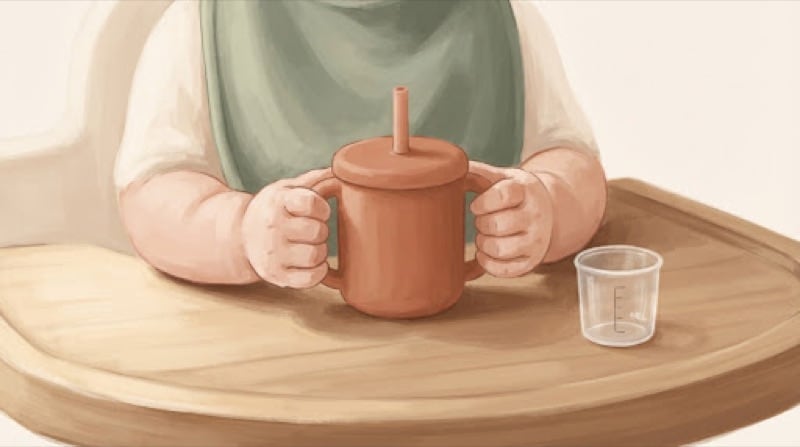
- Offer milk only in an open or straw cup, with meals.
- Move the bedtime milk earlier in the routine, before teeth brushing.
- Expect a few days of protest. A favorite cup and lots of praise help.
Common mistakes to avoid
- More than 24 oz of milk a day, which can crowd out food and lead to iron deficiency
- Letting a toddler graze or sip milk all day between meals
- Keeping a bottle at bedtime or in the crib
- Bribing, forcing or rewarding with sweets to finish the plate
- Adding sugar or sweet drinks; avoid added sugars before age 2
When to call your pediatrician
Call your pediatrician if your toddler:
- Isn’t gaining weight or is losing weight
- Drinks more than 24 oz of milk a day and eats very little
- Seems pale, very tired or irritable (possible iron deficiency)
- Eats fewer than about 20 foods, or refuses whole food groups
- Gags or vomits on most textures, or has trouble chewing
15–18 month feeding schedule: questions parents ask
How much should an 18-month-old eat?
Most 18-month-olds eat 3 meals and 2 snacks a day, about 2 to 3 hours apart, with portions roughly a quarter of an adult portion. Add 16 to 24 oz (470 to 710 mL) of whole milk or continued breastfeeding. Appetite varies a lot from day to day.
What should a 15-month-old eat in a day?
A 15-month-old usually eats 3 meals and 2 snacks, about 2 to 3 hours apart, with 16 to 24 oz (470 to 710 mL) of whole milk or continued breastfeeding. Offer small portions of family food cut into bite-size pieces, with an iron-rich food at most meals. Many 15-month-olds are moving from 2 naps to 1, so meal times may shift as the day changes.
How much milk should an 18-month-old drink?
About 16 to 24 oz (470 to 710 mL), or 2 to 3 cups, of whole milk a day, served in a cup with meals or snacks. More than 24 oz can fill a toddler up and lower iron.
Should my 18-month-old still use a bottle?
The AAP suggests moving from bottles to cups between 12 and 18 months, so 18 months is a good time to finish. Drop one bottle at a time, keeping the bedtime bottle for last.
Why has my toddler become so picky?
Picky eating and wariness of new foods are common between 18 months and 2 years. Keep offering a variety without pressure, eat together, and put one familiar food on every plate. Many toddlers need 10 or more tries before accepting a new food.
How many naps does an 18-month-old take?
Most 18-month-olds take 1 nap of about 2 to 3 hours after lunch. The switch from 2 naps to 1 usually happens between 12 and 18 months.
What are good snacks for an 18-month-old?
Good snacks look like mini meals: fruit with yogurt, cheese with whole-grain crackers, hummus with soft veggies, or a thinly spread nut butter on toast. Serve them seated, at set times, with water in a cup.
My 18-month-old drinks lots of milk but eats little. What should I do?
Keep milk to 16 to 24 oz a day and serve it only in a cup with meals or snacks. Offer water between meals. Too much milk fills a small tummy and can lead to iron deficiency, so talk to your pediatrician if your toddler drinks much more.
Can an 18-month-old eat the same food as us?
Yes. Most family meals work, cut into small pieces and lightly salted. Keep avoiding choking hazards like whole nuts, whole grapes and popcorn until age 4.
Keep reading
 12–14-month-old feeding schedule
 Open cup and straw drinking
 When baby refuses food
Recipe collectionsToddler lunch ideasToddler dinner ideasToddler snacks
- AAP (HealthyChildren.org): Toddler nutrition
- AAP (HealthyChildren.org): Discontinuing the bottle
- AAP (HealthyChildren.org): Recommended drinks for children ages 0 to 5
- CDC: Foods and drinks to avoid or limit
- CDC: Iron for infants and toddlers
- WHO: Complementary feeding
This guide is written for healthy, full-term babies and doesn’t replace your pediatrician. If your baby was born early, has a medical condition, feeding or swallowing difficulties, or a known allergy, check with them first (medical disclaimer). Reviewed by our dietitians.

Your baby’s first 100 foods, one stamp at a time. Made by Paper Street Labs.
Bite100 is general education for healthy, full-term babies and children, not medical advice. If your child was born early, has a medical condition, feeding or swallowing difficulties, or a known allergy, check with your pediatrician first. Medical disclaimer