19–24-Month-Old Feeding Schedule: Family Meals, Milk and Picky Phases
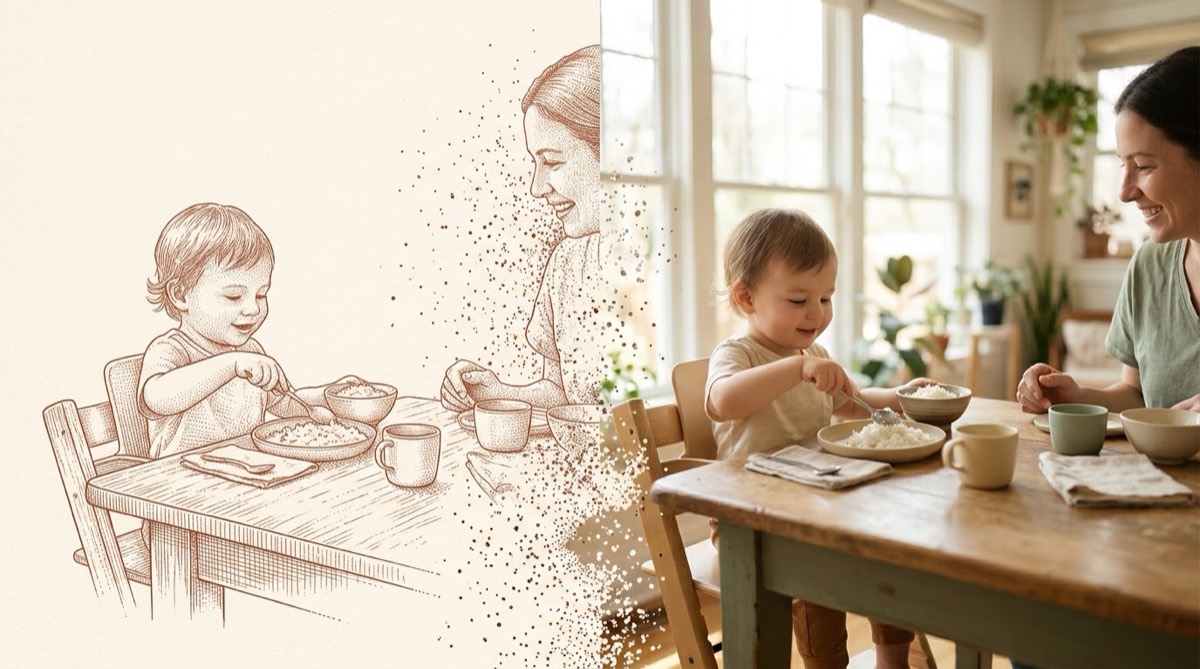
Quick answer
A typical 19- to 24-month-old eats 3 meals and 2 snacks a day, about 2.5 to 3 hours apart. Keep serving whole milk, about 16 to 24 oz (470 to 710 mL) a day, until the second birthday; from age 2, the AAP recommends low-fat (1%) or skim milk, about 16 oz (2 cups) a day, with water as the main drink. Portions are roughly a quarter to a third of an adult portion. Most toddlers this age take 1 nap of about 1.5 to 2.5 hours.
- 3 meals and 2 snacks, about 2.5–3 hours apart
- Whole milk, 16–24 oz a day, until age 2; then low-fat or skim, about 16 oz
- Water is the main drink; skip sugary drinks
Golden Rule • One Family Meal, No Short-Order Cooking
Serve one meal for everyone, with at least one food your toddler usually eats. Skip cooking a separate “kid meal”. Toddlers learn to eat new foods by seeing you eat them, again and again.
A sample day
A sample day for a 19- to 24-month-old on one nap: three meals, two snacks, milk with meals and water in between.
- 7:00AM
Meal 1
Breakfast + Milk
Oatmeal with thin-spread peanut butter and sliced banana, plus 4 oz whole milk in a cup (low-fat after age 2).
 Oatmeal
 Banana
Milk with the meal
- 9:30AM
- 12:00PM
Meal 2
Lunch + Milk
Turkey and black bean quesadilla, sweet potato wedges and kiwi, plus milk in a cup.
 Turkey
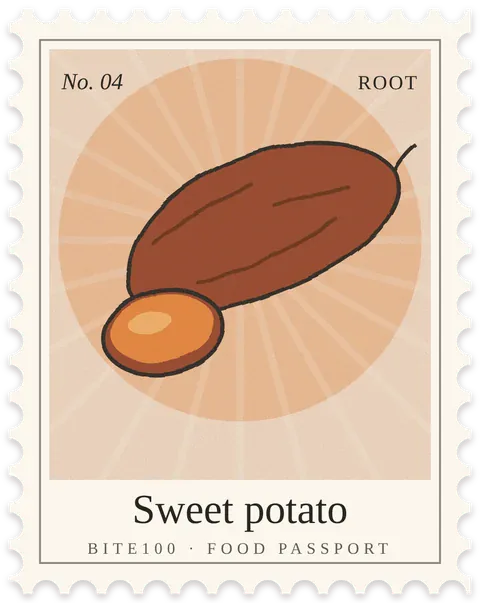 Sweet Potato
Same food as the family
- 12:45to 2:45 PM
Nap · 1.5–2.5 hrs
Midday Nap
Most toddlers this age still need one daytime nap.
Wake window: ~5–6 hours
- 3:15PM
- 5:45PM
- 7:30PM
Night sleep
11–12 Hour Night Sleep
Bath, teeth, story, bed. No food or milk needed after brushing.
Total daily sleep: 11–14 hours
 Apple
 Yogurt
 Salmon
 Quinoa
How much should a 19- to 24-month-old eat?
Toddlers grow more slowly than babies, so they often eat less than parents expect. Look at the week, not the meal.
| Food | Typical amount | Notes |
|---|---|---|
| Whole cow’s milk | 16–24 oz (470–710 mL) a day | In a cup, with meals, until the second birthday; then low-fat (1%) or skim, about 16 oz (2 cups) a day |
| Breast milk | As often as you both like | Alongside family meals |
| Meals | 3 a day, about ¼–⅓ of an adult portion | Start small; let them ask for more |
| Snacks | 2 a day | Fruit, veggies, dairy, whole grains |
| Water | About 1–4 cups a day | The main drink between meals |
| Juice | None needed | If any, max 4 oz 100% juice a day |
Toddler formulas and flavored or sweetened milks aren’t recommended. Plant milks other than fortified soy are not a direct swap for cow’s milk; ask your pediatrician if your child can’t have dairy.
What a 19- to 24-month-old can eat
Your toddler can share almost every family meal, cut into bite-size pieces. Keep salt and added sugar low, and keep avoiding choking hazards like whole nuts, whole grapes, popcorn, hard candy and chunks of raw carrot until age 4.
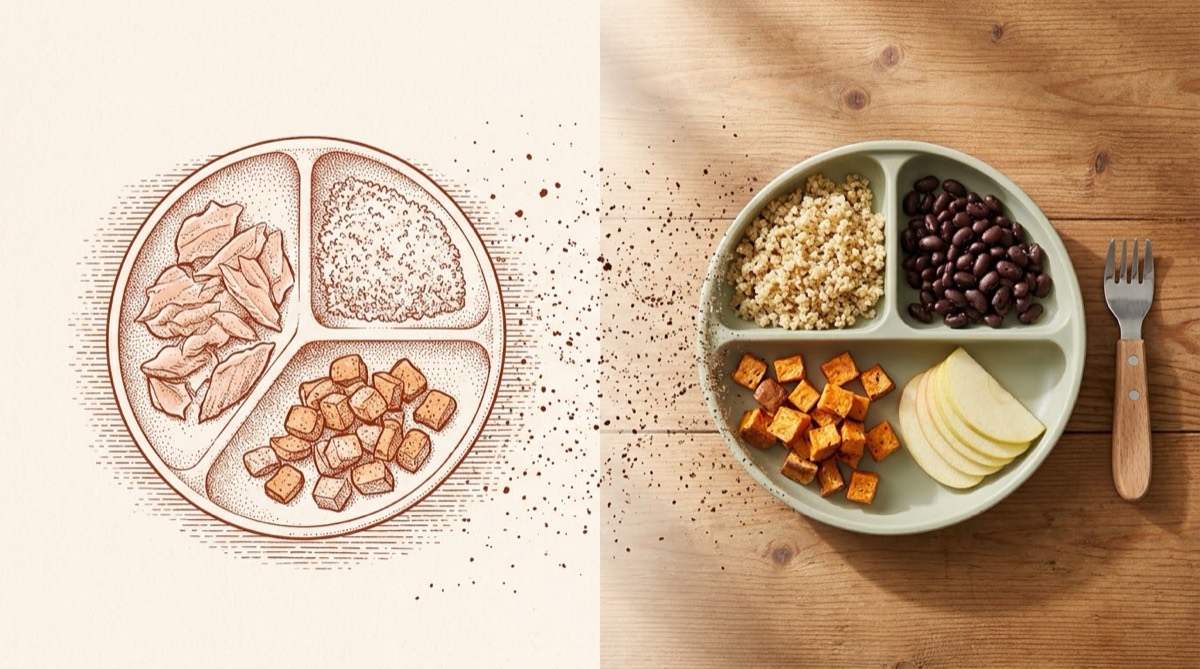
“Near two, the dinner table is a classroom. Your toddler is learning what family food looks, smells and tastes like, even on nights they eat three bites.”
Division of responsibility
You choose what, when and where. Your toddler chooses whether and how much.
No bribes, no clean plates
Skip “two more bites” and dessert rewards. Pressure makes picky eating last longer.
Let them help
Washing veggies, stirring and choosing between two foods make toddlers more willing to taste.
Switching from whole milk to low-fat milk at age 2
Until the second birthday, keep whole milk, about 16 to 24 oz a day. From age 2, the AAP recommends low-fat (1%) or skim milk for most children. Your pediatrician may suggest a different plan if there are concerns about growth or a family history of high cholesterol.
- Switch straight away, or step down through 2% for a week or two.
- After the switch, keep milk to about 16 oz (2 cups) a day, in a cup with meals.
- Make water the main drink between meals.
- Skip flavored milks and toddler formulas.
Common mistakes to avoid
- Cooking a separate meal every time your toddler refuses dinner
- Pressuring, bribing or using dessert as a reward
- Too much milk or juice, which leaves little room for food
- Letting snacks drift into all-day grazing
- Serving round, hard or sticky choking hazards before age 4
When to call your pediatrician
Call your pediatrician if your toddler:
- Isn’t gaining weight or is losing weight
- Eats fewer than about 20 foods, or refuses whole food groups
- Seems pale, very tired or irritable (possible iron deficiency)
- Gags, chokes or vomits often during meals
- Has ongoing constipation, diarrhea or tummy pain
19–24 month feeding schedule: questions parents ask
How much should a 19- to 24-month-old eat?
Most 19- to 24-month-olds eat 3 meals and 2 snacks a day, about 2.5 to 3 hours apart, with portions about a quarter to a third of an adult portion. Appetite varies a lot, so look at the whole week.
What milk should a 19- to 24-month-old drink?
Whole cow’s milk, about 16 to 24 oz (470 to 710 mL) a day, until the second birthday. From age 2, the AAP recommends switching to low-fat (1%) or skim milk, about 16 oz (2 cups) a day. Ask your pediatrician if your child has growth concerns or can’t have dairy.
How many snacks should a 19- to 24-month-old have?
Usually 2 planned snacks a day, served at the table like a small meal. Avoid letting snacks turn into all-day grazing, which can spoil appetite for meals.
My toddler only eats a few foods. What should I do?
Picky eating is very common at this age. Serve family meals with one food your toddler usually likes, keep offering new foods without pressure, and eat together. Talk to your pediatrician if your child eats fewer than about 20 foods or is not growing well.
Can a 19- to 24-month-old have juice?
Juice isn’t needed. If you serve it, limit it to 4 oz of 100% fruit juice a day, in a cup with a meal. Water and milk are the best drinks.
What does a balanced plate look like at 19 to 24 months?
Aim for a protein (like beans, fish, meat or egg), a grain or starchy food, and a fruit or vegetable at each meal. Add a dairy food at some meals and snacks. Portions are small, roughly a quarter to a third of an adult portion.
Should my toddler eat dessert?
Sweets aren’t needed: the Dietary Guidelines advise no added sugar before age 2, and keeping it low after. If you serve dessert, offer a small portion with the meal rather than as a reward for eating, so it doesn’t become a prize.
Does a 19- to 24-month-old still need a nap?
Most toddlers this age take 1 nap of about 1.5 to 2.5 hours. Total sleep is usually about 11 to 14 hours a day.
Keep reading
 15–18-month-old feeding schedule
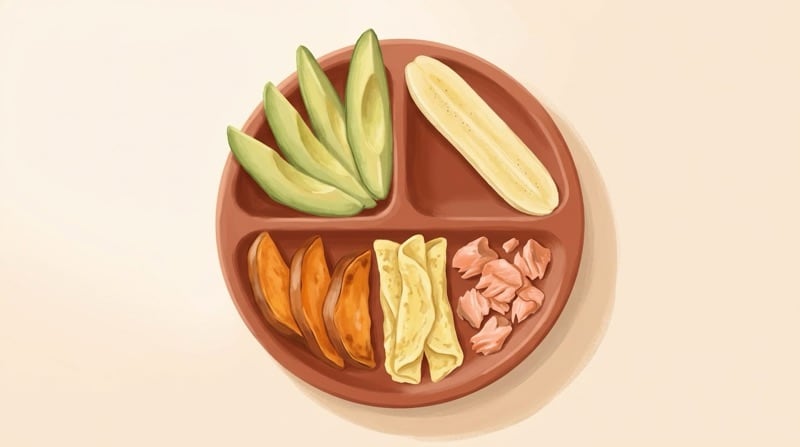 Toddler lunch ideas
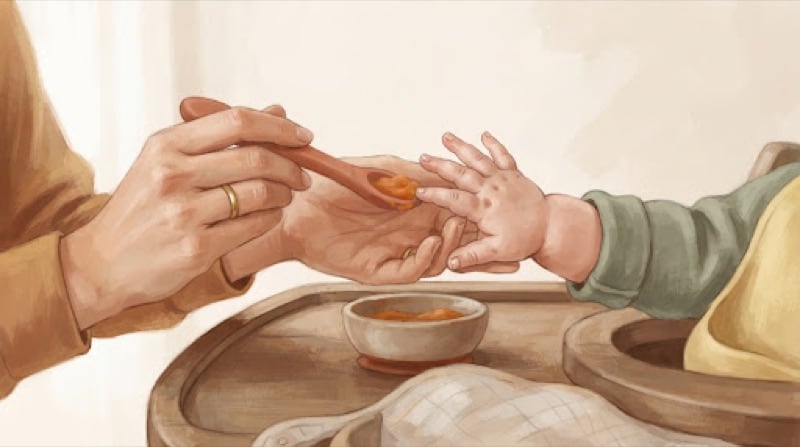 When baby refuses food
Recipe collectionsToddler dinner ideasToddler meals for picky eatersToddler snacks
- AAP (HealthyChildren.org): Toddler nutrition
- AAP (HealthyChildren.org): Discontinuing the bottle
- AAP (HealthyChildren.org): Recommended drinks for children ages 0 to 5
- CDC: Foods and drinks to avoid or limit
- CDC: Iron for infants and toddlers
- WHO: Complementary feeding
This guide is written for healthy, full-term babies and doesn’t replace your pediatrician. If your baby was born early, has a medical condition, feeding or swallowing difficulties, or a known allergy, check with them first (medical disclaimer). Reviewed by our dietitians.

Your baby’s first 100 foods, one stamp at a time. Made by Paper Street Labs.
Bite100 is general education for healthy, full-term babies and children, not medical advice. If your child was born early, has a medical condition, feeding or swallowing difficulties, or a known allergy, check with your pediatrician first. Medical disclaimer