
No. 37 · Nuts & seeds Passport food
When can babies have olive oil?
Can babies have olive oil?
Babies can have olive oil from about 6 months, as soon as they are ready for solids. A small drizzle of olive oil adds healthy fats and energy to vegetables, grains and purees, and it is one of the best everyday cooking fats for babies.
How to serve olive oil by age
Shapes and textures change as your baby’s grasp and chewing grow.

6 months
Stir about half to one teaspoon of olive oil into smooth purees like mashed potato, lentils, fish or vegetables, and offer it on a spoon. Never give olive oil by the spoonful on its own.

7–8 months
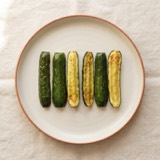
Drizzle a little olive oil over lumpier mashes or use it to roast soft veggie spears that squash easily between your fingers. A light coat of olive oil also helps slippery foods like avocado or banana grip better when rolled in ground oats.

9–12 months
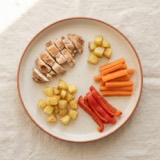
Use olive oil to cook soft finger foods such as omelet strips, veggie fritters and meatballs, and toss it with pasta or grains. A thin brush of olive oil on toast fingers is an easy alternative to butter.

12 months +
Use olive oil in family cooking, dressings and dips like homemade hummus. Toddlers can dip soft bread strips in a little olive oil, and a simple olive oil and lemon dressing helps them try salads with soft leaves and cooked veggies.
Why it’s good
Olive oil gives babies monounsaturated fats and vitamin E, plus calories that small tummies need for fast growth. Fat helps babies absorb vitamins A, D, E and K from their other foods. Babies need plenty of fat in the first two years, so there is no need to cut fat from their diet.
Safety notes
- Use small amounts. Olive oil is very calorie-dense, and too much can fill baby up and crowd out iron-rich foods, or loosen stools.
- Never pour or spoon olive oil straight into baby's mouth. Liquid fat on its own can be inhaled, so always mix it into food.
- Store olive oil in a cool, dark place with the cap closed. If it smells like crayons or stale nuts, it has gone rancid and should be thrown out.
- Let hot oil-cooked foods cool fully and check the temperature before serving. Oil holds heat and can burn little mouths.
- Do not use olive oil as a home remedy for constipation or reflux without talking to your pediatrician first.
A low-allergy food, still worth watching
Olive oil is not a common allergen, and reactions to the oil itself are very rare because it contains little protein. Babies from families with olive pollen allergy rarely react to the fruit or oil, but stop and call your pediatrician if you see hives, swelling or vomiting.
Olive oil for babies: questions parents ask
Quick answers about olive oil for babies and toddlers.
When can babies have olive oil?
Babies can have olive oil from about 6 months, as soon as they start solids. Olive oil can be drizzled on or cooked into baby's first foods to add healthy fats and help absorb fat-soluble vitamins.
Can babies have olive oil?
Yes, babies can eat olive oil from around 6 months as part of their meals. Olive oil should be mixed into food or used in cooking, not given by itself from a spoon.
Is olive oil a choking hazard for babies?
Olive oil is a low choking risk for babies when it is mixed into food. Giving olive oil as a liquid on its own is not recommended, because babies could inhale it.
Is olive oil a common allergen?
No, olive oil is not one of the Top 9 common food allergens. Allergic reactions to olive oil are very rare, but watch for any new symptoms like hives, swelling or vomiting.
How do I serve olive oil to a 6 month old?
To serve olive oil to a 6 month old, stir about half to one teaspoon into steamed vegetables, mashed potato, fish or a puree and offer it on a spoon. Olive oil can also be used to roast soft veggie spears from 7–8 months.
Which olive oil is best for babies?
Extra virgin olive oil is a great choice for babies because it is the least processed and keeps more natural antioxidants. Light or regular olive oil is also fine for cooking at higher heat.
How much olive oil can a baby have?
A baby can usually have about half to one teaspoon of olive oil added to a meal, a few times a day. Olive oil is energy-dense, so small amounts are enough and should not replace iron-rich foods.
Can I cook baby food with olive oil?
Yes, olive oil is a good everyday cooking fat for baby food and can be used for sauteing, roasting and baking. Keep the heat moderate, avoid letting the oil smoke, and let food cool before serving.
Does olive oil help with baby constipation?
Olive oil may soften stools slightly, but olive oil is not a proven treatment for constipation in babies. Talk to your pediatrician first, and focus on water with meals and fiber foods like pears, prunes, peas and oats.
Is olive oil good for babies?
Yes, olive oil is one of the best everyday fats for babies from about 6 months. It adds monounsaturated fats, vitamin E and energy, and helps absorb vitamins A, D, E and K; stir about half to one teaspoon into purees or use it in cooking, never by the spoonful on its own.
Can babies have extra virgin olive oil?
Yes, babies can have extra virgin olive oil from about 6 months, and it is a great choice because it is the least processed and keeps more natural antioxidants. Drizzle a little over purees or use it for gentle cooking, and use light olive oil for higher-heat cooking.
The takeaway
- Babies can have olive oil from about 6 months, as soon as they are ready for solids.
- Stir about half to one teaspoon of olive oil into smooth purees like mashed potato, lentils, fish or vegetables, and offer it on a spoon.
- Choking risk is low. Not a Top 9 allergen, but offer a small amount first and watch for any reaction.
Read next


Sources
This guide follows current advice from these organizations.
- Starting Solid Foods American Academy of Pediatrics (HealthyChildren.org)
- When, What, and How to Introduce Solid Foods Centers for Disease Control and Prevention
- Choking Hazards Centers for Disease Control and Prevention
Stamp olive oil in your baby’s passport
Track the first 100 foods and the Top 9 allergens. 7 days free.
Recipes with olive oil



More nuts and seeds for babies
Updated November 2026. Reviewed by our dietitians. Based on AAP, CDC and NIAID guidance. Written for healthy, full-term babies; not a substitute for your pediatrician. If your baby was born early, has a medical condition, feeding difficulties or a known allergy, check with them first (medical disclaimer). Always stay with your baby while they eat.