
Nuts & seeds Food Library
When can babies have peanut butter?
Can babies have peanut butter?
Babies can have peanut butter from about 6 months, as long as it is thinned or spread very thinly and never served by the spoonful. Peanut is one of the Top 9 allergens, and introducing it early and keeping it in the diet can lower the chance of a peanut allergy. Babies with severe eczema or an egg allergy should see a doctor first, who may advise starting even earlier.
How to serve peanut butter by age
Shapes and textures change as your baby’s grasp and chewing grow.

6 months
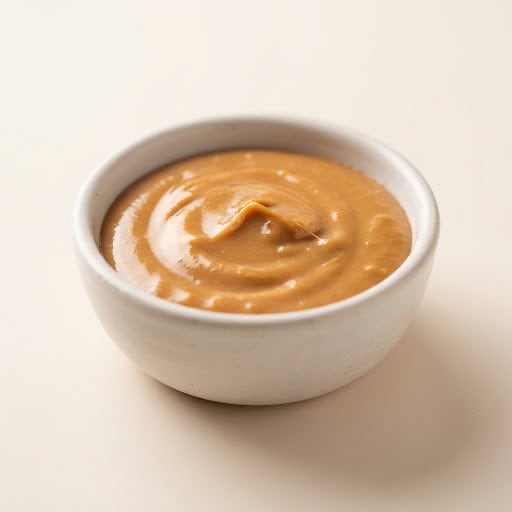
Stir about a quarter teaspoon of smooth peanut butter into warm water, breast milk or formula until runny, then mix it into smooth oatmeal, yogurt or mashed banana and offer it on a spoon. Never give it by the spoonful or as a thick glob.

7–8 months
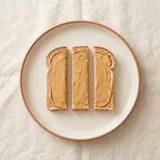
Keep stirring thinned smooth peanut butter into thicker oatmeal, yogurt or lumpier mashed banana. You can also spread a barely-there layer on a soft toast strip about the size of an adult finger for your baby to hold.

9–12 months
Keep spreading smooth peanut butter thinly on toast strips, pancakes or soft bread, or swirl it into porridge and purees. Work up to about 2 teaspoons of smooth peanut butter (about 2 g of peanut protein) about three times a week, roughly 6 to 7 g of peanut protein a week in total.

12 months +
Toddlers can have a thin layer on sandwiches, crackers or apple slices cut thin, or a peanut sauce over noodles. Still avoid globs, spoonfuls and whole or chopped peanuts until at least age 4.
Why it’s good
Peanut butter gives babies protein, healthy fats for brain growth, vitamin E, niacin, magnesium and some iron and zinc. It is energy dense, so a little adds useful calories to a small appetite. Choose a brand made from just peanuts, or peanuts and salt, without added sugar or hydrogenated oils.
Safety notes
- Never give peanut butter by the spoonful or in thick globs. Thick nut butter can stick to the roof of the mouth and block the airway.
- Always thin peanut butter with liquid or spread it very thinly so it does not form a sticky lump.
- Whole peanuts and chopped peanuts are a choking hazard until at least 4 years old. Use smooth, not chunky, peanut butter for babies.
- Pick unsalted or low-sodium peanut butter with no added sugar, and skip flavored spreads with chocolate or honey before 12 months.
- Offer the first taste at home, early in the day, when your baby is well, so you can watch for a reaction over the next two hours.
Introduce peanut butter on its own, then keep it in
Peanut is a Top 9 allergen and a leading cause of severe food allergy in children, so introduce peanut butter early in a small amount and watch for hives, vomiting, swelling, coughing or wheezing. Babies with severe eczema or egg allergy should be seen by a pediatrician before the first taste, and once peanut is tolerated, offer it a few times every week.
Peanut butter for babies: questions parents ask
Quick answers about peanut butter for babies and toddlers.
When can babies have peanut butter?
Babies can have peanut butter from about 6 months, when they are ready for solid foods. Peanut butter must be thinned or spread very thinly, never served as a spoonful. Babies at high risk of allergy may be advised by their doctor to start earlier, around 4–6 months.
Can babies have peanut butter?
Yes, babies can eat peanut butter once it is made safe for them. Thin smooth peanut butter with warm water, breast milk or formula and stir it into food, then from 7–8 months you can also spread a very thin layer on toast. Avoid chunky styles.
Is peanut butter a choking hazard for babies?
Peanut butter is a choking hazard for babies when it is thick or served in a glob, so it is rated a medium risk. Thin it to a runny texture or spread it very thinly, and never offer whole or chopped peanuts to children under 4.
Is peanut butter a common allergen?
Yes, peanut butter is a common allergen because peanut is one of the Top 9 food allergens. Early and regular introduction of peanut, from around 6 months, can reduce the risk of developing a peanut allergy.
How do I serve peanut butter to a 6 month old?
To serve peanut butter to a 6 month old, mix a small amount of smooth peanut butter with warm water, breast milk or formula until runny. Stir it into a food your baby already eats, such as oatmeal, yogurt or mashed banana.
Which babies need to see a doctor before trying peanut butter?
Babies with severe eczema, a known egg allergy, or both should see a pediatrician or allergist before trying peanut butter. The doctor may test first or suggest starting peanut early under supervision, often between 4 and 6 months.
How often should babies have peanut butter?
Once peanut butter is tolerated, offer it regularly, a few times a week, to help keep the allergy risk down. A common goal is about 2 teaspoons of peanut butter about three times a week (6 to 7 g of peanut protein weekly), mixed into other foods.
Is chunky peanut butter safe for babies?
Chunky peanut butter is not safe for babies because the peanut pieces are a choking hazard. Use smooth peanut butter, thinned or spread thinly, until at least age 4.
What kind of peanut butter is best for babies?
The best peanut butter for babies lists only peanuts, or peanuts and a little salt, on the label. Avoid peanut butter with added sugar, honey, chocolate or hydrogenated oils, and choose unsalted when you can.
Can peanut butter cause constipation in babies?
Peanut butter on its own is not a common cause of constipation, and it even contains some fiber. If stools get firm, serve peanut butter with fruit like pears or prunes, whole grain oats, and sips of water with meals.
Is peanut butter good for toddlers?
Yes, peanut butter is a nutritious food for toddlers over 12 months, giving protein, healthy fats, vitamin E and magnesium. Spread it thinly on bread, crackers or thin apple slices, or stir it into oatmeal. Avoid spoonfuls and thick globs, and keep whole or chopped peanuts off the menu until at least age 4.
Is peanut butter good for babies?
Yes, peanut butter is good for babies from about 6 months if thinned or spread very thinly. Introducing peanut early and keeping it in the diet about three times a week can lower the chance of peanut allergy. Stir a little smooth peanut butter into warm water, oatmeal or mashed banana.
Why can't babies have peanut butter?
Babies can have peanut butter from about 6 months; the only problem is its texture. Thick peanut butter can stick to the roof of the mouth and block the airway, so never give spoonfuls or globs. Thin it with water, breast milk or formula, or spread it very thinly on toast strips.
The takeaway
- Babies can have peanut butter from about 6 months, as long as it is thinned or spread very thinly and never served by the spoonful.
- Stir about a quarter teaspoon of smooth peanut butter into warm water, breast milk or formula until runny, then mix it into smooth oatmeal, yogurt or mashed banana and offer it on a spoon.
- Choking risk is medium. Peanut is one of the Top 9 allergens: offer a small amount first, watch for a reaction, then keep it in the diet regularly.
Read next


Sources
This guide follows current advice from these organizations.
- Starting Solid Foods American Academy of Pediatrics (HealthyChildren.org)
- When, What, and How to Introduce Solid Foods Centers for Disease Control and Prevention
- Choking Hazards Centers for Disease Control and Prevention
- Choking Prevention American Academy of Pediatrics (HealthyChildren.org)
- Peanut Allergy: What to Know About the Latest Prevention Guidelines American Academy of Pediatrics (HealthyChildren.org)
- Foods and Drinks to Avoid or Limit Centers for Disease Control and Prevention
- Iron Centers for Disease Control and Prevention
- Dietary Guidelines for Americans, 2020-2025 U.S. Department of Agriculture and HHS
- Addendum Guidelines for the Prevention of Peanut Allergy in the United States Togias A, et al.; NIAID-sponsored expert panel. J Allergy Clin Immunol. 2017;139(1):29-44
- Randomized Trial of Peanut Consumption in Infants at Risk for Peanut Allergy (LEAP) Du Toit G, et al. N Engl J Med. 2015;372(9):803-813
Recipes with peanut butter
Track every new food in your baby’s passport
Track the first 100 foods and the Top 9 allergens. 7 days free.
More nuts and seeds for babies
Updated November 2026. Reviewed by our dietitians. Based on AAP, CDC and NIAID guidance. Written for healthy, full-term babies; not a substitute for your pediatrician. If your baby was born early, has a medical condition, feeding difficulties or a known allergy, check with them first (medical disclaimer). Always stay with your baby while they eat.