
From purees to finger foods
How to move from smooth spoonfuls to self-feeding, one texture at a time, without stalling at the puree stage.
Quick answer
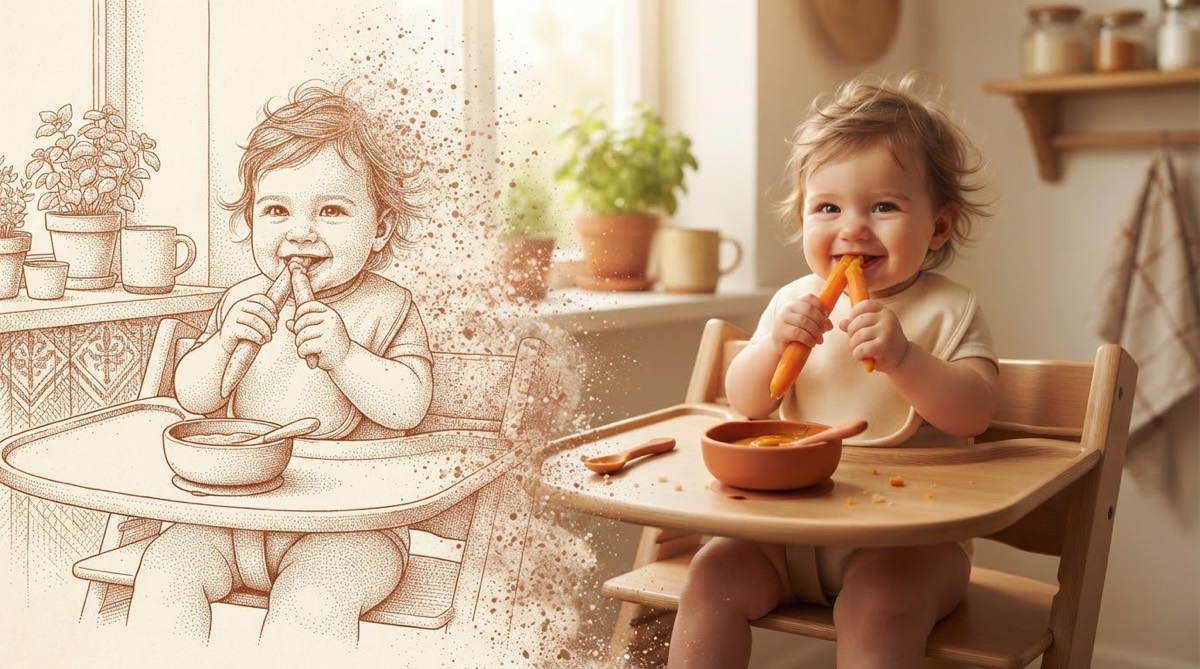
Most babies can start soft finger foods as soon as they start solids at around 6 months, and almost all should be on mashed, lumpy and soft finger foods by 8–9 months. Move up in small steps: thicker purees, then mashed and lumpy food, then large soft strips baby can hold, then small soft pieces once the pincer grasp appears around 9 months. Babies who don’t meet lumps until after 9–10 months are more likely to be fussy with textures later.
- Soft finger foods can start at 6 months, alongside purees
- Have mashed and lumpy textures in place by 8–9 months
- Gagging on new textures is normal; choking is silent and needs 911

STEP 1
When should baby move from purees to finger foods?
There is no need to “finish” purees first. You can offer finger foods from the first day of solids if baby can sit with support and bring things to their mouth. If you started with purees, aim for these rough milestones:
| Age | Texture goal |
|---|---|
| 6 months | Smooth to thick purees on a spoon or preloaded spoon |
| 7–8 months | Mashed and lumpy food, plus large soft finger-length strips to hold and munch |
| 9–10 months | Small soft pieces picked up with thumb and finger; chopped family food |
| 12 months | Most family foods, cut safely; purees are optional extras |
STEP 2
How do I know baby is ready for finger foods?
Look at skills, not just age:
- Sits upright in a high chair with little or no support
- Reaches for food and brings toys or hands to the mouth
- Makes chewing or munching movements with purees
- Swallows thick purees without pushing most of it back out
- Shows interest in what you eat
Teeth are not required. Gums are strong enough to mash soft food, and many babies have no teeth until 9–12 months. Not sure about readiness? Try the readiness quiz.

STEP 3
The 5 steps from purees to finger foods
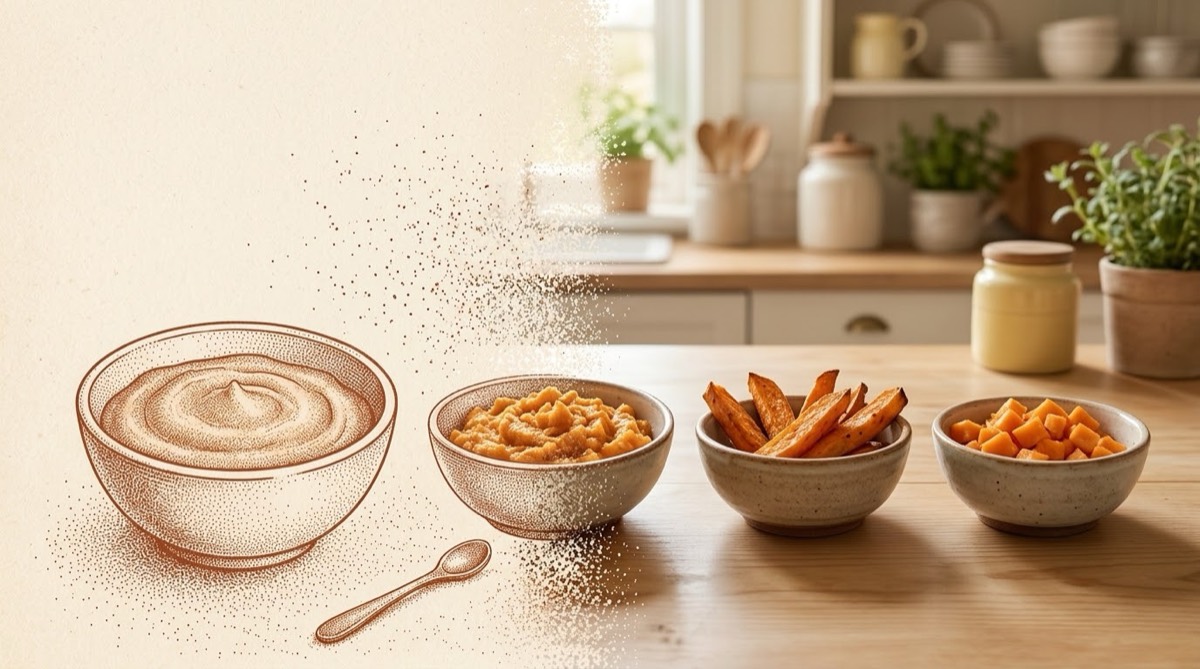
- 1Thicken the puree. Blend less and add less liquid, so the food holds on a tilted spoon. Stir in ground oats, mashed avocado or yogurt.
- 2Hand baby the spoon. Pre-load a short, thick spoon with puree and let baby bring it to their mouth. This builds the hand-to-mouth skill finger foods need.
- 3Mash, don’t blend. Fork-mash banana, sweet potato or lentils so small soft lumps remain. Expect more gagging for a week or two. That is baby learning.
- 4Add large soft strips. Offer finger-length pieces about the width of two adult fingers: steamed carrot, ripe pear, omelet strips, soft toast fingers with a thin spread. Baby holds the bottom and munches the top.
- 5Go small and soft. Once baby can pinch with thumb and finger (around 9 months), offer chickpea-sized soft pieces: flattened blueberries, quartered pasta, shredded chicken, soft peas.
STEP 4
What does the switch look like week by week?
Here is one gentle way to move a 7-month-old who has been eating smooth purees toward finger foods over about four weeks. Adjust the pace to your baby: some move faster, some need longer at each step.
| Week | At each meal |
|---|---|
| Week 1 | Thicker purees; hand baby a pre-loaded spoon for at least part of the meal |
| Week 2 | Fork-mashed food with small soft lumps; one large soft finger food on the tray to explore |
| Week 3 | Mostly mashed food; 1 to 2 finger foods at every meal, such as omelet strips or soft pear |
| Week 4 | Finger foods first, mash or puree alongside; start offering soft, chopped family food |
Keep milk feeds as they are during the switch. Breast milk or formula is still the main source of nutrition until about 12 months, so a few days of eating less while baby learns new textures is fine.
If baby gags a lot at one step, stay there a little longer rather than going back to smooth purees. Going backward often makes the next step harder.

STEP 5
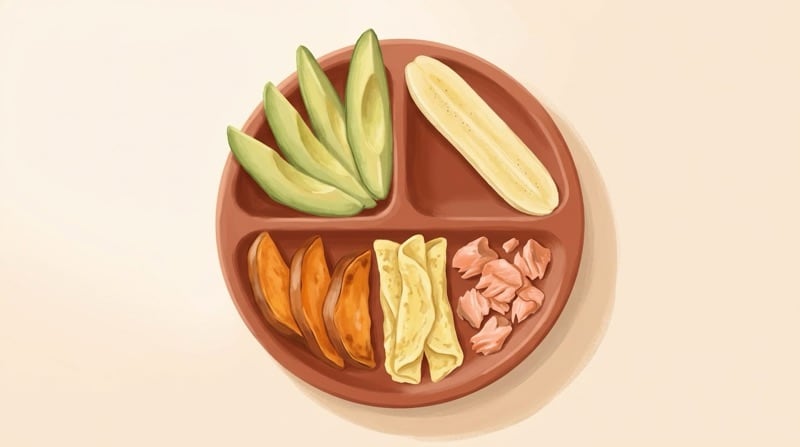
What are the best first finger foods?
Start with foods that squash easily between your thumb and finger:
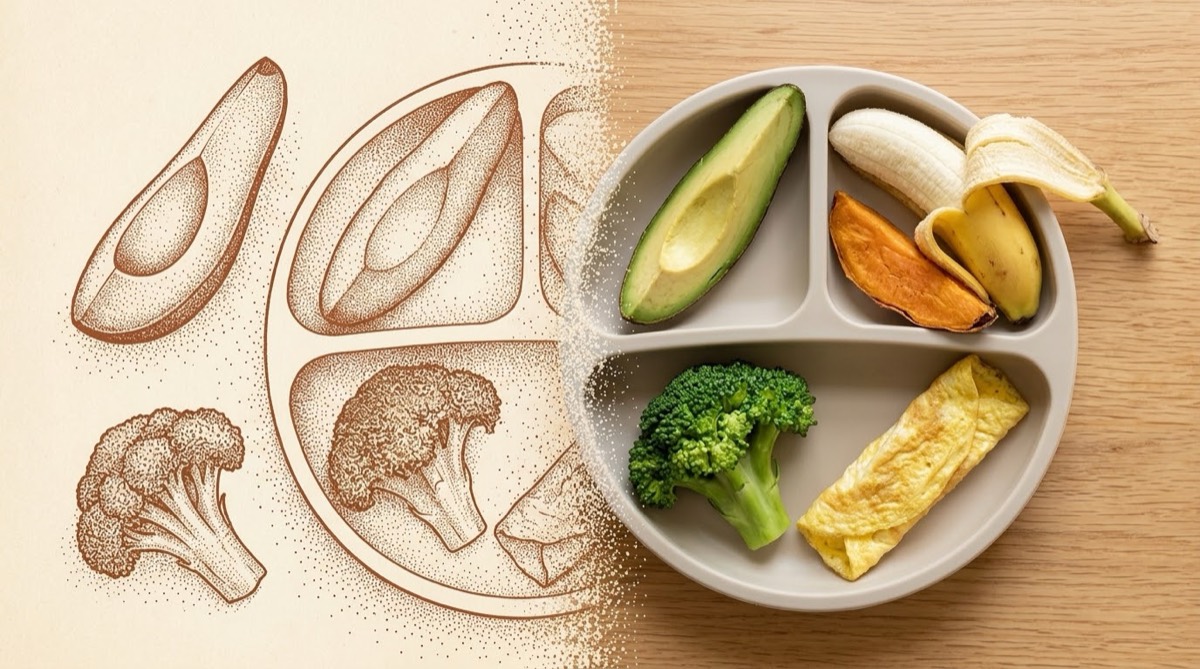
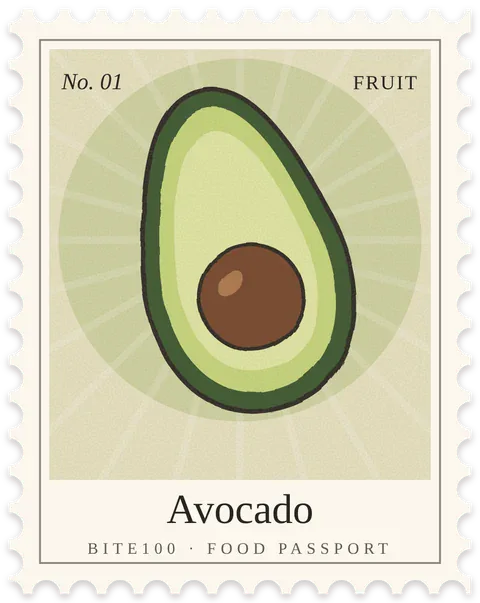
Thick spears, skin on for grip
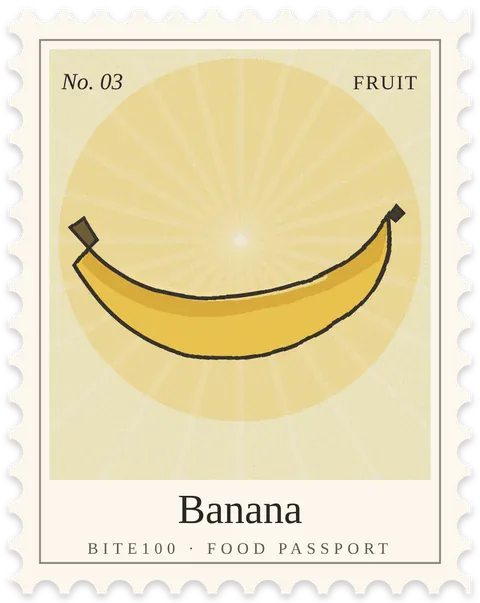
Half, peel partly on
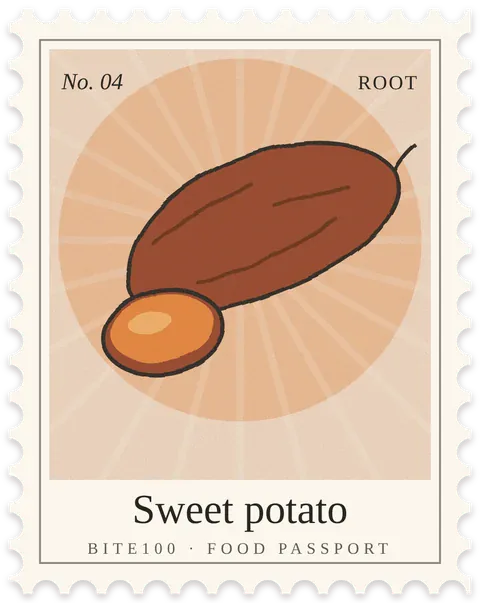
Soft roasted wedges
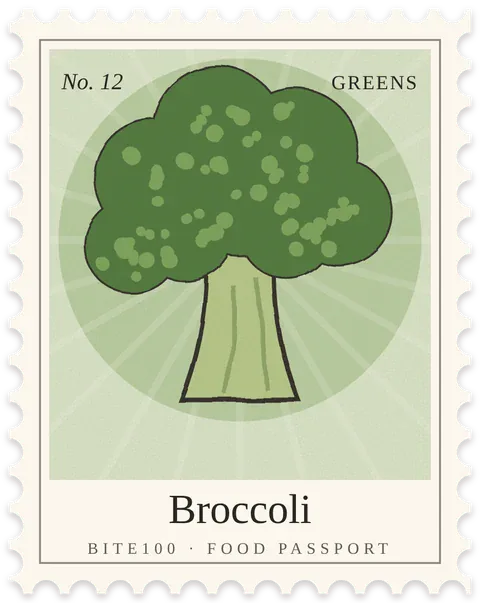
Large steamed floret
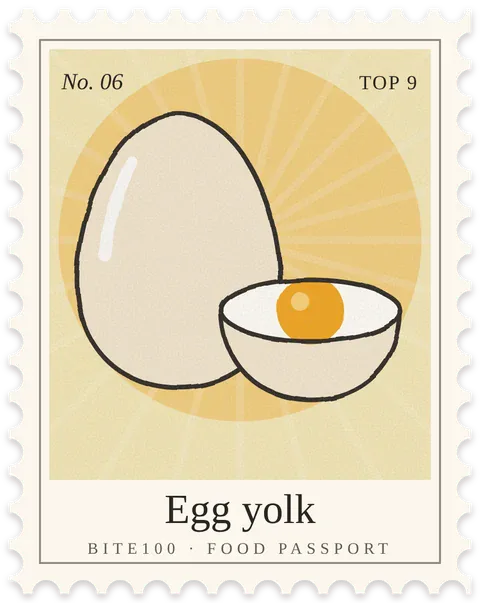
Omelet strips
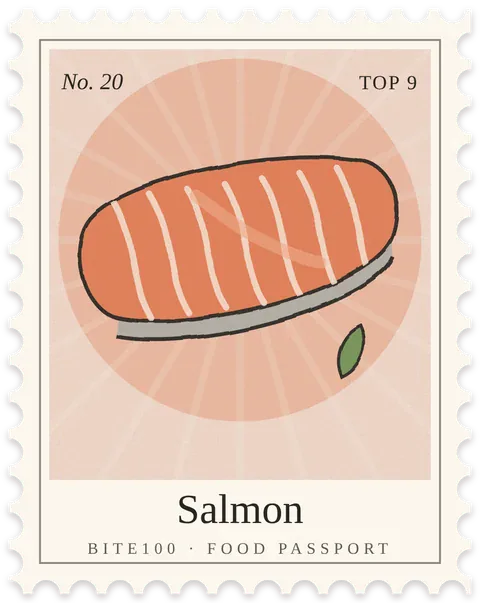
Flaked, bones removed
Mix in an iron-rich food at most meals, because iron stores run low from 6 months. See iron-rich foods for babies.

STEP 6
Is gagging normal when starting finger foods?
Yes. Gagging is a noisy, protective reflex and is very common in the first weeks of new textures. Baby may cough, sputter, push the tongue out or go red. Stay calm, keep them upright and let them work it out.
STEP 7
Can I mix purees and finger foods?
Yes. Combination feeding, purees plus finger foods at the same meal, is a perfectly good approach and suits many families. A simple pattern:
- Put 1 or 2 finger foods on the tray first, so baby can explore
- Offer a pre-loaded spoon of thick puree or mash alongside
- Follow baby’s lead: stop when they turn away or push food off
- Swap one smooth puree for a mashed version each week
AVOID THESE
Common mistakes to avoid
- Waiting for teeth before offering finger foods. Gums mash soft food well
- Staying on smooth purees past 9 months “to be safe”
- Cutting food into tiny pieces before baby has a pincer grasp. Small bits are hard to pick up and easier to inhale
- Serving firm raw vegetables, whole grapes or round foods that fail the squish test
- Spooning food in quickly so baby doesn’t gag. Let baby set the pace
- Going back to purees for good after one scary gag
GET HELP
When to call your pediatrician
Most babies get the hang of textures with practice. Check in with your pediatrician if you notice any of these:
- Baby still can’t manage any lumpy or mashed food by 9–10 months
- Gagging so hard that baby vomits at most meals, or seems frightened of food
- Coughing, wet breathing or a gurgly voice during or after meals
- Food often coming out of the nose
- Poor weight gain, or fewer wet diapers than usual
Purées to finger foods: questions parents ask
When should babies stop eating purees?
There is no set date to stop purees completely. Aim for baby to manage mashed, lumpy food and soft finger foods by 8–9 months. After that, purees can stay as one part of the meal, like yogurt or hummus, rather than the whole meal.
Can a 6-month-old eat finger foods?
Yes. If baby can sit with support and bring food to their mouth, large soft finger foods are safe from about 6 months. They should be soft enough to squash between your thumb and finger and long enough for baby to hold, about the size of an adult finger.
What if my baby gags on lumps?
Gagging on new textures is normal and usually eases within 1 to 3 weeks of regular practice. Keep offering small amounts of mashed food and soft finger foods. If baby gags so hard they vomit at most meals, or still can’t manage lumps by 10 months, ask your pediatrician about a feeding therapist.
Does my baby need teeth to eat finger foods?
No. Babies chew with their gums, which are strong enough to mash soft foods like banana, avocado and steamed vegetables. Many babies get their first teeth between 6 and 12 months, and finger foods don’t need to wait for them.
How do I know if a finger food is soft enough?
Use the squish test: press the food between your thumb and index finger. If it mashes easily, it is soft enough for a baby starting finger foods. Firm raw vegetables, hard fruit and crunchy snacks fail the test and should be cooked, grated or skipped.
Should I stop purees when my baby starts finger foods?
No. You can do both. Many parents offer a finger food and a spoon of thick puree at the same meal. What matters is that textures keep moving forward, so baby isn’t only eating smooth purees at 9 months.
What size should finger foods be?
Before the pincer grasp (about 7–8 months), cut food into strips about the length and width of an adult finger. After the pincer grasp (about 9 months and up), switch to small, soft pieces about the size of a chickpea.
My 10-month-old still only eats purees. What should I do?
Start by thickening purees and adding soft lumps, and offer one easy finger food at every meal without pressure. If baby still refuses all textures after a few weeks, gags or vomits a lot, or has trouble gaining weight, talk to your pediatrician. A feeding therapist can help.
Keep reading
 Baby-led weaning, explained
 Gagging vs choking
 The best first foods for baby
Recipe collectionsBaby purée recipesBaby pancakes
- AAP (HealthyChildren.org): Starting solid foods
- CDC: When, what, and how to introduce solid foods
- WHO: Complementary feeding
- NHS: Weaning and feeding
- Coulthard H., Harris G., Emmett P. Delayed introduction of lumpy foods to children during the complementary feeding period affects child’s food acceptance and feeding at 7 years of age. Maternal & Child Nutrition, 2009
This guide is written for healthy, full-term babies and doesn’t replace your pediatrician. If your baby was born early, has a medical condition, feeding or swallowing difficulties, or a known allergy, check with them first (medical disclaimer). Reviewed by our dietitians.