
No. 83 · Grains Passport food
When can babies eat pasta?
Can babies have pasta?
Babies can have pasta from about 6 months, once they are ready for solids. Start with tiny pasta cooked very soft and mashed into a smooth sauce on a spoon, then offer large soft shapes like rigatoni or fusilli that are easy to grab from 7–8 months. Most pasta is made from wheat, a Top 9 allergen, so introduce it early and keep it in the diet.
How to serve pasta by age
Shapes and textures change as your baby’s grasp and chewing grow.

6 months
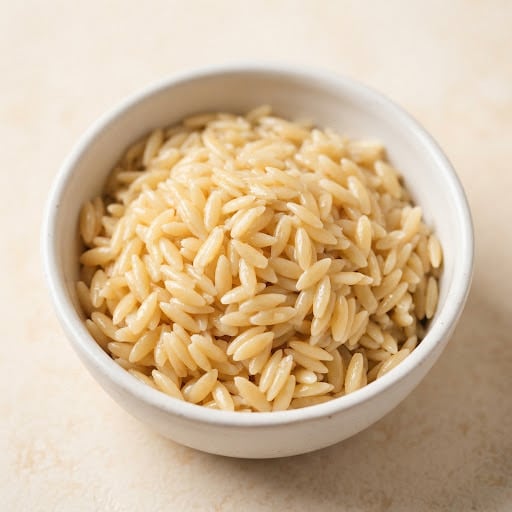
Cook tiny pasta like stelline, orzo or pastina a few minutes longer than the package says until very soft, then mash or blend it into a smooth sauce like pureed vegetables, mashed avocado or ricotta. Offer it on a spoon.

7–8 months
Cook large shapes such as rigatoni, penne, fusilli or rotini past al dente until a piece squashes easily between your fingers, and offer a few pieces plain or lightly coated in a smooth sauce, which also helps grip. Tiny pasta mashed into thicker, lumpier sauces works on a spoon too.

9–12 months
Move to smaller soft shapes such as orzo, small shells, macaroni or ditalini for pincer-grasp practice, or cut long noodles into short pieces. Toss with soft toppings like flaked fish, ground meat sauce or finely chopped cooked vegetables.

12 months +
Toddlers can eat most pasta shapes with family meals, including spaghetti and filled pasta like ravioli cut into smaller pieces. Offer a fork with pasta that spears easily, like penne, to build utensil skills.
Why it’s good
Pasta gives babies carbohydrates for energy, and enriched pasta adds B vitamins like folate and some iron. Whole wheat pasta brings extra fiber, while chickpea and lentil pastas add protein and iron. Pasta is also a great carrier for iron-rich sauces made with meat, beans or lentils.
Safety notes
- Cook pasta until soft, past the al dente stage. Undercooked or dry pasta is firm and harder for babies to manage.
- Skip the salt in the cooking water, or cook baby's portion separately. Jarred sauces, boxed mac and cheese and canned pasta can be very high in sodium, so make simple sauces at home when you can.
- Wheat is a Top 9 allergen. Offer wheat pasta early and often once your baby tolerates it, and choose gluten-free pasta only if your pediatrician advises it.
- Avoid dry, uncooked pasta and crunchy baked pasta edges for young babies, and keep raw pasta used for crafts out of reach.
- Leftover cooked pasta should be cooled and refrigerated within 2 hours and eaten within 3 to 4 days.
Introduce pasta on its own, then keep it in
Most pasta is made from wheat, one of the Top 9 food allergens, and fresh egg pasta also contains egg. Introduce pasta in a small amount, watch for hives, vomiting, swelling or wheezing, and talk to your pediatrician first if your baby has severe eczema or another food allergy.
Pasta for babies: questions parents ask
Quick answers about pasta for babies and toddlers.
When can babies eat pasta?
Babies can have pasta from about 6 months, as soon as they are ready for solids. Pasta should be cooked until soft; start with tiny pasta mashed into sauce on a spoon, then offer large shapes to hold from 7–8 months.
Can babies have pasta?
Yes, babies can eat pasta from 6 months when it is cooked soft and served in a shape they can manage. Pasta is a simple way to introduce wheat, a Top 9 allergen, and to carry nutritious sauces.
Is pasta a choking hazard for babies?
Pasta is a low choking risk for babies when it is cooked soft and served in age-appropriate shapes. Undercooked pasta is firmer and riskier, so cook pasta past al dente and always stay with your baby while they eat.
Is pasta a common allergen?
Yes, pasta is a common allergen because most pasta is made from wheat, one of the Top 9 allergens. Fresh pasta often contains egg too, so check the label and introduce one new allergen at a time.
How do I serve pasta to a 6 month old?
To serve pasta to a 6 month old, cook tiny pasta like stelline or orzo until very soft, then mash or blend it into a smooth sauce like pureed vegetables, mashed avocado or ricotta. Offer it on a spoon. Large soft shapes like rigatoni to grab can follow at 7–8 months.
What is the best pasta shape for baby-led weaning?
The best pasta shapes for baby-led weaning from 7–8 months are large, ridged shapes like rigatoni, fusilli, penne and rotini, cooked very soft, because babies can grip them in their fist. At 6 months, tiny pasta mashed into sauce on a spoon works better, and small shapes like orzo, macaroni and small shells work as finger food from about 9 months when the pincer grasp develops.
Is whole wheat pasta better for babies?
Whole wheat pasta has more fiber and minerals than white pasta, but both are fine for babies. Mixing white and whole wheat pasta, or trying lentil and chickpea pasta, adds variety and extra nutrition.
Can babies have pasta sauce from a jar?
Babies can have a little jarred pasta sauce, but many jars are high in sodium and some contain added sugar. Look for no-salt-added tomato sauce or make a quick sauce with plain canned tomatoes, olive oil and garlic.
Can babies have spaghetti?
Babies can have spaghetti from about 7–8 months if it is cooked soft; at 6 months, mash or blend very soft pasta into sauce instead. Long strands are easy to grab, and babies often scoop handfuls; cut spaghetti into short pieces from 9 months if your baby is stuffing too much into their mouth.
Can pasta cause constipation in babies?
White pasta is low in fiber and large amounts may contribute to firmer stools in some babies. Choosing whole wheat or legume pasta, adding vegetables to the sauce and offering water with meals can help.
Is pasta good for babies?
Yes, pasta is a good food for babies from about 6 months, cooked very soft. It gives energy, enriched pasta adds folate and some iron, and it is an easy way to introduce wheat, a common allergen. Pair it with iron-rich sauces with meat, beans or lentils, and skip salt in the water.
The takeaway
- Babies can have pasta from about 6 months, once they are ready for solids.
- Cook tiny pasta like stelline, orzo or pastina a few minutes longer than the package says until very soft, then mash or blend it into a smooth sauce like pureed vegetables, mashed avocado or ricotta.
- Choking risk is low. Wheat is one of the Top 9 allergens: offer a small amount first, watch for a reaction, then keep it in the diet regularly.
Read next



Sources
This guide follows current advice from these organizations.
- Starting Solid Foods American Academy of Pediatrics (HealthyChildren.org)
- When, What, and How to Introduce Solid Foods Centers for Disease Control and Prevention
- Choking Hazards Centers for Disease Control and Prevention
- Foods and Drinks to Avoid or Limit Centers for Disease Control and Prevention
- The Effects of Early Nutritional Interventions on the Development of Atopic Disease in Infants and Children Greer FR, Sicherer SH, Burks AW; American Academy of Pediatrics. Pediatrics. 2019;143(4):e20190281
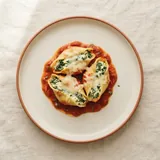
Recipes with pasta
Stamp pasta in your baby’s passport
Track the first 100 foods and the Top 9 allergens. 7 days free.
More grains for babies
Updated November 2026. Reviewed by our dietitians. Based on AAP, CDC and NIAID guidance. Written for healthy, full-term babies; not a substitute for your pediatrician. If your baby was born early, has a medical condition, feeding difficulties or a known allergy, check with them first (medical disclaimer). Always stay with your baby while they eat.