
Drinks & extras Food Library
When can babies have juice?
Can babies have juice?
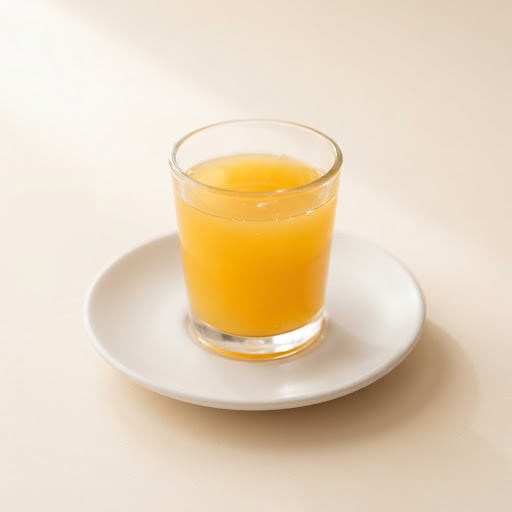
Babies should not have fruit juice before 12 months, unless your pediatrician advises it. From 1 to 3 years, limit 100% juice to no more than 4 ounces a day, served in a cup with a meal. Whole fruit is always the better choice because it has fiber and fills little tummies without a sugar rush.
How to serve juice by age
Shapes and textures change as your baby’s grasp and chewing grow.

6 months
Do not offer juice. Give whole fruit instead, such as ripe pear or peach mashed until smooth on a spoon, and offer small sips of water from an open or straw cup with meals.

7–8 months
Still no juice. Offer whole fruit as lumpier mashes or soft pieces that squash easily, such as a ripe banana spear, along with small sips of water while breast milk or formula remains the main drink.

9–12 months
Still no juice. Offer soft pieces of whole fruit for pincer grasp practice, plus water with meals, while breast milk or formula remains the main drink.

12 months +
If you offer juice, choose pasteurized 100% fruit juice, keep it to 4 ounces or less a day, and serve it in an open cup with a meal. Diluting it with water stretches a small amount, and water and milk should remain the main drinks.
Why it’s good
100% fruit juice has some vitamin C and potassium, but it lacks the fiber of whole fruit and is high in natural sugar. Juice adds calories without much fullness, which can crowd out milk and solid food. Whole fruit gives the same vitamins plus fiber for healthy digestion.
Safety notes
- No juice before 12 months unless your pediatrician recommends it, for example a small amount of prune or pear juice for constipation.
- Only offer pasteurized juice. Raw, unpasteurized or fresh-squeezed juice from stands or some cold-pressed brands can carry E. coli or Salmonella.
- Never put juice in a bottle or sippy cup to carry around or take to bed. Sipping juice all day bathes teeth in sugar and causes cavities.
- Skip juice drinks, cocktails, fruit-flavored drinks and sodas. They are mostly added sugar, and 'juice drink' is not the same as 100% juice.
- Too much juice can cause diarrhea, belly pain, poor appetite and weight concerns. Keep to the daily limit for your child's age.
A low-allergy food, still worth watching
Juice is not one of the Top 9 allergens, though a child can react to the fruit a juice is made from, and some blends contain more than one fruit. Check the label of mixed juices and watch for rash or mouth itching the first time you offer a new fruit.
Juice for babies: questions parents ask
Quick answers about juice for babies and toddlers.
When can babies have juice?
Babies can have juice after 12 months, and only in small amounts. The AAP advises no fruit juice before 12 months unless a pediatrician recommends it, and no more than 4 ounces of 100% juice a day for children 1 to 3 years old.
Can babies drink juice before 12 months?
Babies should not drink juice before 12 months. Juice adds sugar and calories without fiber, can fill a baby up so they take less breast milk or formula, and can harm new teeth. Whole fruit is the better choice.
Is juice a choking hazard for babies?
Juice is not a common choking hazard, but toddlers can cough or sputter on any liquid while learning to drink from a cup. Serve juice in small sips with your child seated upright, and stay close.
Is juice a common allergen?
Juice is not a common allergen and is not one of the Top 9 food allergens. A child can still react to a specific fruit in a juice, so read labels on blended juices and watch for signs like rash or mouth itching.
How do I serve juice to a 6 month old?
Juice should not be served to a 6 month old. Offer whole fruit instead, such as smooth mashed ripe pear on a spoon, and give small sips of water from a cup with meals.
Does juice help babies poop?
Prune, pear or apple juice can soften stools because of natural sugars that draw water into the gut. For babies under 12 months, only give juice for constipation if your pediatrician recommends it, and ask how much. Pureed prunes and pears are another option.
How much juice can a toddler have?
Toddlers 1 to 3 years old can have up to 4 ounces of 100% juice a day, and children 4 to 6 years old up to 4 to 6 ounces. Less is fine, and many children do well with no juice at all.
Can juice cause cavities in toddlers?
Yes, juice can cause cavities in toddlers, especially when it is sipped slowly from a bottle or sippy cup throughout the day or at bedtime. Serve juice with a meal in an open cup, and brush teeth twice a day with a smear of fluoride toothpaste.
Can toddlers have vegetable juice or smoothies?
Toddlers can have vegetable juice and smoothies in small amounts, but store-bought vegetable juices are often high in sodium. Homemade smoothies made from whole fruit and vegetables keep the fiber and are a better choice than juice.
Are there heavy metals in fruit juice?
Some fruit juices, especially apple and grape, have been found to contain small amounts of heavy metals such as lead and arsenic. Keeping juice within the daily limit and offering a variety of whole fruits helps reduce exposure.
Can too much juice cause diarrhea in toddlers?
Yes, too much juice can cause diarrhea in toddlers, because the natural sugars in juice pull water into the gut. Keep 100% juice to 4 ounces a day or less for children 1 to 3 years, offer water, milk and whole fruit instead, and call your pediatrician if diarrhea continues.
The takeaway
- Babies should not have fruit juice before 12 months, unless your pediatrician advises it.
- If you offer juice, choose pasteurized 100% fruit juice, keep it to 4 ounces or less a day, and serve it in an open cup with a meal.
- Choking risk is low. Not a Top 9 allergen, but offer a small amount first and watch for any reaction.
Read next

Sources
This guide follows current advice from these organizations.
- Starting Solid Foods American Academy of Pediatrics (HealthyChildren.org)
- When, What, and How to Introduce Solid Foods Centers for Disease Control and Prevention
- Choking Hazards Centers for Disease Control and Prevention
- Recommended Drinks for Young Children Ages 0-5 American Academy of Pediatrics (HealthyChildren.org)
- Fruit Juice and Your Child's Diet American Academy of Pediatrics (HealthyChildren.org)
- Foods and Drinks to Avoid or Limit Centers for Disease Control and Prevention
- Dietary Guidelines for Americans, 2020-2025 U.S. Department of Agriculture and HHS
- What You Can Do to Limit Exposure to Arsenic and Lead from Juices U.S. Food and Drug Administration
Track every new food in your baby’s passport
Track the first 100 foods and the Top 9 allergens. 7 days free.
More drinks and extras for babies
Updated November 2026. Reviewed by our dietitians. Based on AAP, CDC and NIAID guidance. Written for healthy, full-term babies; not a substitute for your pediatrician. If your baby was born early, has a medical condition, feeding difficulties or a known allergy, check with them first (medical disclaimer). Always stay with your baby while they eat.