
No. 44 · Protein Passport food
When can babies have turkey?
Can babies have turkey?
Babies can have turkey from about 6 months, as soon as they are ready for solids. Cook turkey until fully done and very tender, then blend it into a smooth puree at 6 months; from 7–8 months, offer soft ground turkey patties or finely shredded turkey in moist foods. Skip deli turkey, turkey bacon and salty brined or gravy-covered turkey for babies.
How to serve turkey by age
Shapes and textures change as your baby’s grasp and chewing grow.

6 months
Cook turkey, ideally moist dark meat or ground turkey, until it reaches 165F and is very tender, then blend it with a little broth, breast milk or formula and a smooth vegetable puree like sweet potato. Offer it on a spoon.

7–8 months
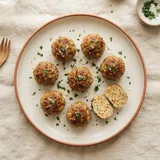
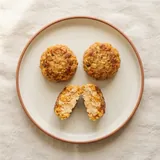
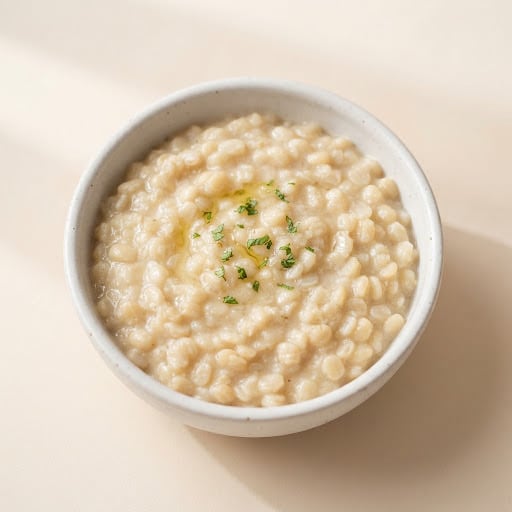
Mince or finely shred moist cooked turkey into lumpier mashed vegetables or rice. You can also offer soft ground turkey patties or meatballs shaped like a thick finger that squash easily between your fingers.

9–12 months
Serve finely shredded turkey, small pieces of soft meatballs, or bite-size bits of moist ground turkey mixed into pasta or grains for pincer practice. Add a little broth, yogurt or mashed avocado if the meat seems dry.

12 months +
Toddlers can eat small, tender pieces of turkey cut across the grain, turkey meatballs, and turkey in tacos, soups or stir-fries. Keep pieces bite-size and moist, and remove skin and any small bones or tendons.
Why it’s good
Turkey gives babies protein, easy-to-absorb heme iron and zinc, two nutrients that babies need more of from 6 months. Turkey also provides B vitamins like niacin and B12, plus selenium. Dark meat from the thigh and leg has more iron and zinc than breast meat and stays moister, which helps babies chew it.
Safety notes
- Cook turkey until it reaches 165°F (74°C) in the thickest part, with no pink juices. Use a food thermometer, especially for ground turkey.
- Dry, stringy turkey breast is hard for babies to break down. Choose dark meat or ground turkey, cook it moist, and add broth or a sauce.
- Remove the skin, cartilage, and all bones, including the thin needle-like tendons in turkey legs, before serving.
- Avoid deli turkey, turkey hot dogs, turkey bacon and smoked turkey for babies. These are high in sodium, and cold deli meats can carry Listeria unless heated until steaming.
- Holiday turkey is often brined or salted and served with salty gravy. Set aside unseasoned meat for your baby before adding salt or gravy.
A low-allergy food, still worth watching
Turkey is not one of the Top 9 allergens and meat allergies are uncommon in babies. Offer a small amount the first time and watch for hives, swelling, vomiting or changes in breathing.
Turkey for babies: questions parents ask
Quick answers about turkey for babies and toddlers.
When can babies have turkey?
Babies can have turkey from about 6 months, as soon as they are ready to start solids. Turkey is a good early food because it is rich in iron and zinc, as long as it is cooked through, tender and served in a safe shape.
Can babies have turkey?
Yes, babies can eat turkey from 6 months. Ground turkey, slow-cooked dark meat and finely shredded turkey are the easiest forms for babies to manage.
Is turkey a choking hazard for babies?
Turkey can be a choking hazard for babies, especially dry, tough chunks, skin, bones or stringy pieces. Lower the risk by serving soft ground turkey or moist, finely shredded meat, and always stay with your baby while they eat.
Is turkey a common allergen?
No, turkey is not a common allergen and is not one of the Top 9 allergens. Reactions to turkey are rare, but watch for hives, swelling or vomiting the first few times you serve it.
How do I serve turkey to a 6 month old?
To serve turkey to a 6 month old, cook tender dark meat or ground turkey to 165F and blend it with a little broth, breast milk or formula and mashed sweet potato into a smooth puree, offered on a spoon. Finely shredded turkey in mashes and soft turkey patties can follow at 7–8 months.
Can babies have deli turkey?
Deli turkey is best avoided for babies because it is high in sodium and often contains added preservatives. Cold deli meat can also carry Listeria, so if you serve deli turkey to an older toddler, choose low-sodium versions, heat it until steaming, and offer it only occasionally.
Is ground turkey good for babies?
Ground turkey is one of the easiest ways to serve turkey to babies because it cooks into soft, moist patties and meatballs. Choose ground turkey that includes some dark meat for more iron and moisture, and cook it to 165°F (74°C).
Can babies have Thanksgiving turkey?
Babies can eat Thanksgiving turkey if you set aside unsalted, unbrined meat before seasoning, and serve moist dark meat with the skin removed. Skip salty gravy and stuffing for babies, or offer only a tiny taste mixed into plain foods.
Is turkey or chicken better for babies?
Turkey and chicken are both healthy proteins for babies, and dark turkey meat has a bit more iron and zinc than chicken breast. Rotating turkey, chicken, beef, fish and beans gives your baby a wider range of nutrients and flavors.
How much turkey should a baby eat?
A baby only needs a small amount of turkey at a time, often a tablespoon or two of puree or minced meat. Even small amounts of turkey help supply iron, so offer it a few times a week along with other iron-rich foods.
The takeaway
- Babies can have turkey from about 6 months, as soon as they are ready for solids.
- Cook turkey, ideally moist dark meat or ground turkey, until it reaches 165F and is very tender, then blend it with a little broth, breast milk or formula and a smooth vegetable puree like sweet potato.
- Choking risk is medium. Not a Top 9 allergen, but offer a small amount first and watch for any reaction.
Read next


Sources
This guide follows current advice from these organizations.
- Starting Solid Foods American Academy of Pediatrics (HealthyChildren.org)
- When, What, and How to Introduce Solid Foods Centers for Disease Control and Prevention
- Choking Hazards Centers for Disease Control and Prevention
- Choking Prevention American Academy of Pediatrics (HealthyChildren.org)
- Foods and Drinks to Avoid or Limit Centers for Disease Control and Prevention
- Preventing Listeria Infection Centers for Disease Control and Prevention
- Iron Centers for Disease Control and Prevention
Recipes with turkey
Stamp turkey in your baby’s passport
Track the first 100 foods and the Top 9 allergens. 7 days free.
More protein foods for babies
Updated November 2026. Reviewed by our dietitians. Based on AAP, CDC and NIAID guidance. Written for healthy, full-term babies; not a substitute for your pediatrician. If your baby was born early, has a medical condition, feeding difficulties or a known allergy, check with them first (medical disclaimer). Always stay with your baby while they eat.