
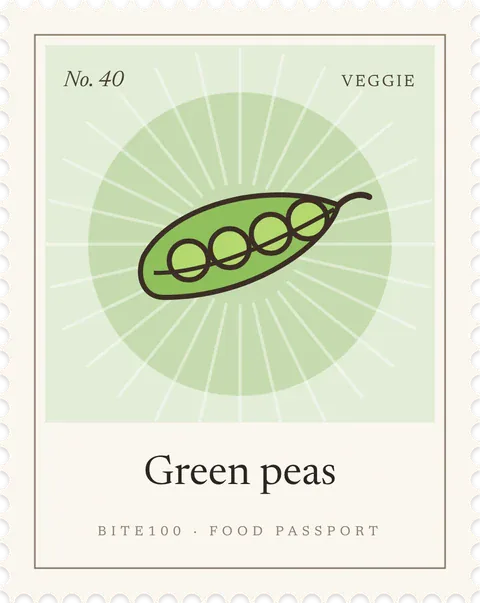
No. 40 · Veggies Passport food
When can babies eat peas?
Can babies eat peas?
Babies can have green peas from about 6 months, as soon as they are ready for solids. Peas should be cooked soft and mashed or flattened for young babies, because whole round peas can be a choking hazard.
How to serve peas by age
Shapes and textures change as your baby’s grasp and chewing grow.

6 months
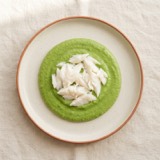
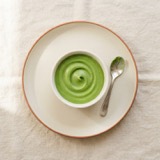
Cook peas until very soft, then blend them into a smooth puree with a little cooking water, breast milk or formula, pressing it through a sieve if the skins bother your baby. Stir it into mashed potato or avocado if you like and offer it on a spoon.

7–8 months
Mash soft cooked peas with a fork so the texture is thicker and lumpier, and offer them on a preloaded spoon or stirred into mashed potato. Smashed peas also spread thinly on soft toast fingers for baby to hold.

9–12 months
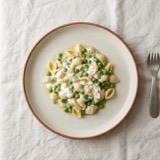
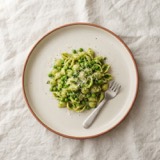
Flatten each soft cooked pea between your fingers before serving so baby can practice the pincer grasp. Smashed peas can also go into fritters, rice, pasta, omelets and soft patties.

12 months +
Serve soft cooked peas smashed or, once your toddler chews well, whole and soft at family meals. Keep raw sugar snap and snow pea pods for later, since they are crunchy and stringy.
Why it’s good
Green peas give babies plant protein, fiber, vitamin C, vitamin K, folate, zinc and a good amount of plant iron. The vitamin C in peas helps the body absorb their own plant iron, and the fiber helps keep poops soft.
Safety notes
- Whole round peas can block a small airway. Mash, smash or flatten every pea for babies under 12 months.
- Cook peas until they squash easily between your thumb and finger. Undercooked peas are firmer and harder to manage.
- Do not use frozen peas straight from the freezer as a teething snack. Whole frozen peas are hard and a choking hazard.
- Canned peas are often salty. Choose no-salt-added cans or rinse peas well under running water before serving.
- Raw sugar snap and snow pea pods are crunchy and fibrous and are a choking risk for babies and young toddlers.
A low-allergy food, still worth watching
Green peas are not a Top 9 allergen, but pea allergy does occur and is being reported more as pea protein appears in more foods. Peas are legumes, so babies with peanut or other legume allergy can sometimes react; ask your allergist and watch for hives, swelling or vomiting.
Peas for babies: questions parents ask
Quick answers about peas for babies and toddlers.
When can babies eat peas?
Babies can have peas from about 6 months, once they are ready for solids. Peas should be cooked soft and mashed or flattened for babies under 12 months.
Can babies eat peas?
Yes, babies can eat green peas from around 6 months when they are cooked soft and smashed. Peas can be served mashed, blended or mixed into other foods like mashed potato, rice and omelets.
Are peas a choking hazard for babies?
Yes, whole peas can be a choking hazard for babies because they are small and round. Mashing or flattening each soft cooked pea lowers the risk for babies under 12 months.
Are peas a common allergen?
No, peas are not one of the Top 9 common allergens, though pea allergy can happen. Babies with peanut or other legume allergies may react to peas more often, so check with your allergist.
How do I serve peas to a 6 month old?
To serve peas to a 6 month old, cook them until very soft, then blend them into a smooth puree, straining out the skins if needed, and offer it on a spoon or a preloaded spoon. Fork-mashed peas on toast fingers can follow at 7–8 months.
Are frozen peas good for babies?
Yes, frozen peas are a great choice for babies because they are picked and frozen at peak freshness. Cook frozen peas until soft and mash them; do not give them frozen as a teether.
Can babies eat canned peas?
Babies can eat canned peas if you choose a no-salt-added can or rinse the peas well to lower the sodium. Canned peas are already soft, so they are easy to mash.
Why are there whole peas in my baby's poop?
Whole peas or pea skins in a baby's poop are normal, because the outer skin of peas is hard for young babies to digest. Mashing or blending peas helps your baby get more of the nutrients inside.
Can babies eat sugar snap peas or snow peas?
Babies can have sugar snap peas or snow peas only if they are cooked until very soft and finely chopped or blended. Raw pea pods are crunchy and stringy and are a choking risk until your child chews well.
Can babies drink pea protein milk?
Pea protein milk should not replace breast milk or formula for babies under 12 months. For toddlers, ask your pediatrician before using pea milk as a main drink, since plant milks vary in nutrients.
Do peas make babies gassy?
Peas can cause a little extra gas in some babies, because their fiber and natural sugars ferment in the gut. This is normal and usually mild. Start with small portions of well-cooked, mashed peas, and offer them alongside other foods; gas often eases as your baby's gut gets used to more fiber.
Do peas have iron for babies?
Yes, green peas contain plant iron, plus vitamin C that helps babies absorb it. Plant iron is not absorbed as well as iron from meat, so serve peas alongside other iron-rich foods like beef, lentils, eggs or iron-fortified cereal. Mash or flatten peas for babies under 12 months.
The takeaway
- Babies can have green peas from about 6 months, as soon as they are ready for solids.
- Cook peas until very soft, then blend them into a smooth puree with a little cooking water, breast milk or formula, pressing it through a sieve if the skins bother your baby.
- Choking risk is high. Not a Top 9 allergen, but offer a small amount first and watch for any reaction.
Read next

Sources
This guide follows current advice from these organizations.
- Starting Solid Foods American Academy of Pediatrics (HealthyChildren.org)
- When, What, and How to Introduce Solid Foods Centers for Disease Control and Prevention
- Choking Hazards Centers for Disease Control and Prevention
- Choking Prevention American Academy of Pediatrics (HealthyChildren.org)
- Iron Centers for Disease Control and Prevention
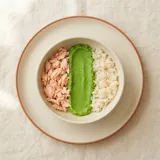
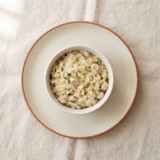
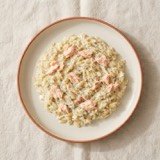
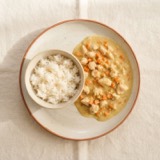
Recipes with green peas
Stamp green peas in your baby’s passport
Track the first 100 foods and the Top 9 allergens. 7 days free.
More vegetables for babies
Updated November 2026. Reviewed by our dietitians. Based on AAP, CDC and NIAID guidance. Written for healthy, full-term babies; not a substitute for your pediatrician. If your baby was born early, has a medical condition, feeding difficulties or a known allergy, check with them first (medical disclaimer). Always stay with your baby while they eat.