
No. 98 · Nuts & seeds Passport food
When can babies have sunflower butter?
Can babies have sunflower butter?
Babies can have sunflower butter from about 6 months, thinned out or stirred into food so it is not thick and sticky. Sunflower butter is not a Top 9 allergen, which makes it a popular nut-free spread for daycare and school, though sunflower seed allergy does happen in rare cases.
How to serve sunflower butter by age
Shapes and textures change as your baby’s grasp and chewing grow.

6 months
Stir about half a teaspoon of smooth, unsweetened sunflower butter into warm oatmeal, yogurt or mashed banana, or thin it with warm water, breast milk or formula until it drips easily from a spoon. Never give a spoonful of thick sunflower butter on its own.

7–8 months
Keep stirring thinned sunflower butter into thicker oatmeal and lumpy mashes. You can also spread a very thin layer on soft toast strips or drizzle thinned butter over soft ripe banana spears your baby can hold.

9–12 months
Spread a very thin layer of sunflower butter on toast fingers, soft pancake strips or rice cakes broken into small pieces. You can also swirl it into sauces for noodles or mix it into muffin and oat bar batter.

12 months +
Use sunflower butter as a thin spread on toast, bread or apple slices that are thinly cut or lightly cooked, and as a nut-free swap in sandwiches and baking. Whole sunflower seeds, especially in the shell, are a choking hazard for toddlers, so stick to the butter or finely ground seeds until at least age 4.
Why it’s good
Sunflower butter gives babies healthy fats, vitamin E, magnesium, some protein and plant iron, plus copper and selenium. Vitamin E is an antioxidant that protects cells, and the healthy fats add calories that small, growing bodies need. Unsweetened sunflower butter has a nutrition profile close to many nut butters without the tree nut or peanut allergen.
Safety notes
- Thick seed butter can stick to the roof of the mouth and block the airway. Always thin sunflower butter or spread it so thin you can see the bread through it.
- Many sunflower butters have added sugar and salt. Look for one with just sunflower seeds, or sunflower seeds and a little oil.
- If you choose sunflower butter because of a peanut or tree nut allergy, check that the label says it is made in a nut-free facility, since some brands share equipment with peanuts.
- Sunflower butter can turn green when baked with baking soda or baking powder. This is a harmless reaction between chlorogenic acid in the seeds and the leavening, not mold.
- Whole sunflower seeds and seeds in the shell are a choking hazard. Never give shells to young children.
A low-allergy food, still worth watching
Sunflower seed is not one of the Top 9 allergens, but sunflower seed allergy has been reported and can be serious in rare cases. Offer a small amount the first time and watch for hives, swelling, vomiting or breathing changes, and keep in mind that sunflower butter does not help with peanut or tree nut introduction, so offer those allergens separately.
Sunflower butter for babies: questions parents ask
Quick answers about sunflower butter for babies and toddlers.
When can babies have sunflower butter?
Babies can have sunflower butter from about 6 months, as soon as they are ready for solids, as long as it is thinned or mixed into food. A thick spoonful of sunflower butter is a choking risk, so always loosen it with warm liquid first.
Can babies have sunflower butter?
Yes, babies can eat sunflower butter, and sunflower butter is a good nut-free option for families managing a peanut or tree nut allergy. Choose an unsweetened, unsalted version and serve it thin.
Is sunflower butter a choking hazard for babies?
Sunflower butter is a medium choking risk for babies because thick, sticky globs can get stuck in the mouth or throat. Thinning sunflower butter, mixing it into food or spreading it very thinly makes it much safer.
Is sunflower butter a common allergen?
No, sunflower butter is not a common allergen and is not one of the Top 9 food allergens. Sunflower seed allergy is rare but has been reported, so watch for hives, swelling or vomiting the first few times your baby eats it.
How do I serve sunflower butter to a 6 month old?
To serve sunflower butter to a 6 month old, stir a small amount into oatmeal, yogurt or a fruit puree, or thin sunflower butter with warm water until it is runny, and offer it on a spoon. Thin spreads on soft toast strips or banana spears can follow at 7–8 months.
Is sunflower butter a substitute for peanut butter for allergy introduction?
No, sunflower butter is not a substitute for peanut butter when it comes to allergen introduction. Sunflower butter contains no peanut protein, so you still need to offer peanut and tree nuts separately to give your baby the potential protective benefit of early exposure.
Why did my sunflower butter muffins turn green?
Sunflower butter muffins can turn green because compounds in sunflower seeds react with baking soda or baking powder. The green color is harmless and safe to eat, and using a little less leavening or adding lemon juice can reduce it.
Can babies have sunflower seeds?
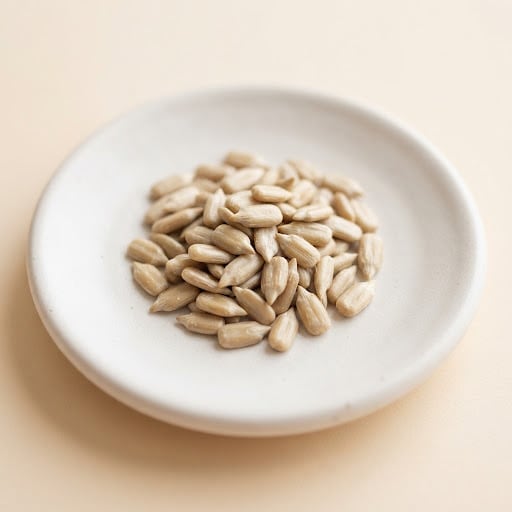
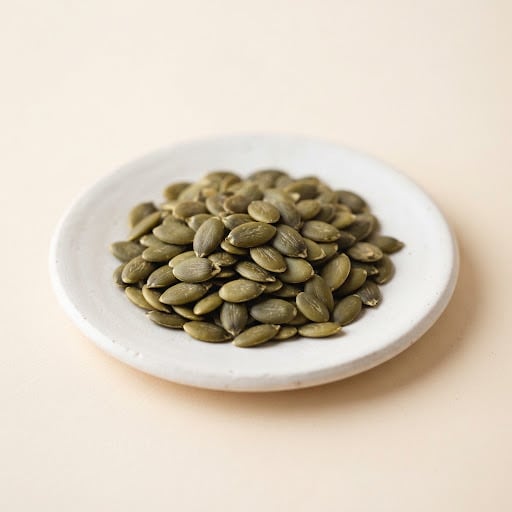
Babies can have sunflower seeds only when they are finely ground or made into butter. Whole sunflower seeds can be inhaled, and sunflower seed shells are sharp and indigestible, so keep both away from babies and toddlers.
How do I pick a good sunflower butter for my baby?
The best sunflower butter for a baby lists only sunflower seeds, or sunflower seeds and oil, with no added sugar and little or no salt. Stir the oil back in well, and choose a brand made in a peanut-free facility if allergy is a concern in your family.
The takeaway
- Babies can have sunflower butter from about 6 months, thinned out or stirred into food so it is not thick and sticky.
- Stir about half a teaspoon of smooth, unsweetened sunflower butter into warm oatmeal, yogurt or mashed banana, or thin it with warm water, breast milk or formula until it drips easily from a spoon.
- Choking risk is medium. Not a Top 9 allergen, but offer a small amount first and watch for any reaction.
Read next


Sources
This guide follows current advice from these organizations.
- Starting Solid Foods American Academy of Pediatrics (HealthyChildren.org)
- When, What, and How to Introduce Solid Foods Centers for Disease Control and Prevention
- Choking Hazards Centers for Disease Control and Prevention
- Choking Prevention American Academy of Pediatrics (HealthyChildren.org)
- Foods and Drinks to Avoid or Limit Centers for Disease Control and Prevention
- Iron Centers for Disease Control and Prevention
- Dietary Guidelines for Americans, 2020-2025 U.S. Department of Agriculture and HHS
Stamp sunflower butter in your baby’s passport
Track the first 100 foods and the Top 9 allergens. 7 days free.
More nuts and seeds for babies
Updated November 2026. Reviewed by our dietitians. Based on AAP, CDC and NIAID guidance. Written for healthy, full-term babies; not a substitute for your pediatrician. If your baby was born early, has a medical condition, feeding difficulties or a known allergy, check with them first (medical disclaimer). Always stay with your baby while they eat.