
Nuts & seeds Food Library
When can babies have poppy seeds?
Can babies have poppy seeds?
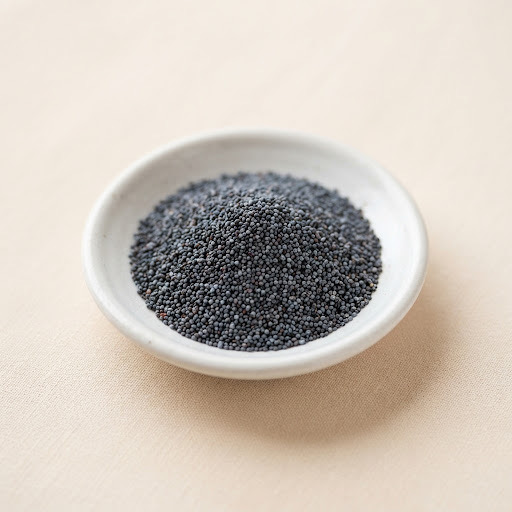
Babies can have poppy seeds from about 6 months when lightly sprinkled on food or baked into bread and muffins. Poppy seeds are tiny and not a choking hazard in small amounts. Never make poppy seed tea or use unwashed poppy seeds, which can contain opiate residue.
How to serve poppy seeds by age
Shapes and textures change as your baby’s grasp and chewing grow.

6 months
Stir a light pinch of food-grade poppy seeds into smooth mashed fruit, yogurt or oatmeal and offer it on a spoon. Keep it to a sprinkle mixed into wet food.

7–8 months
Sprinkle a light pinch of poppy seeds on thicker mashes, or on soft toast strips spread with avocado. You can also bake them into soft muffins or pancakes cut into strips your baby can hold.

9–12 months
Continue using poppy seeds as a light sprinkle on soft foods. Offer bread or muffins with poppy seeds baked in.

12 months +
Toddlers can eat foods with poppy seeds, such as bagels, muffins and dressings. Watch for added sugar in sweet poppy seed fillings.
Why it’s good
Poppy seeds contain healthy fats, fiber, calcium and some protein. Because babies eat only small amounts, they mainly add texture and flavor.
Safety notes
- Use only food-grade, cleaned poppy seeds from the grocery store.
- Never make poppy seed tea or use unwashed seeds. These can contain opiate residue and have caused serious harm.
- Sprinkle lightly. A large spoonful of loose seeds could be inhaled.
- Sweet poppy seed fillings in pastries can be high in sugar.
A low-allergy food, still worth watching
Poppy seeds are not a Top 9 allergen, but allergic reactions have been reported. Babies with nut or other seed allergies may react, so start with a small amount.
Poppy seeds for babies: questions parents ask
Quick answers about poppy seeds for babies and toddlers.
When can babies have poppy seeds?
Babies can have poppy seeds from about 6 months as a light sprinkle stirred into soft food. From about 7–8 months, poppy seeds can also be baked into soft muffins or pancakes.
Can babies have poppy seeds?
Yes, babies can eat poppy seeds in small amounts. Use food-grade, cleaned poppy seeds.
Are poppy seeds a choking hazard for babies?
Poppy seeds are a low choking risk because they are very small. A large spoonful of loose seeds could be inhaled, so sprinkle them thinly.
Are poppy seeds a common allergen?
No, poppy seeds are not a common allergen, but reactions have been reported. Start with a small amount.
How do I serve poppy seeds to a 6 month old?
To serve poppy seeds to a 6 month old, stir a pinch into yogurt, oatmeal or smooth mashed fruit and offer it on a spoon. A sprinkle on soft toast strips or baked into muffins can follow at 7–8 months.
Are poppy seeds safe for babies because of opiates?
Food-grade poppy seeds sold for cooking are safe for babies in normal amounts. Never make poppy seed tea or use unwashed seeds, which may contain opiate residue.
Can poppy seeds help babies poop?
Poppy seeds contain fiber, but babies eat such small amounts that they are unlikely to help much. Fruits and vegetables are better for constipation.
Can toddlers eat lemon poppy seed muffins?
Toddlers can eat lemon poppy seed muffins as an occasional treat. Store-bought muffins can be high in sugar, so homemade lower-sugar versions are better.
The takeaway
- Babies can have poppy seeds from about 6 months when lightly sprinkled on food or baked into bread and muffins.
- Stir a light pinch of food-grade poppy seeds into smooth mashed fruit, yogurt or oatmeal and offer it on a spoon.
- Choking risk is low. Not a Top 9 allergen, but offer a small amount first and watch for any reaction.
Read next


Sources
This guide follows current advice from these organizations.
- Starting Solid Foods American Academy of Pediatrics (HealthyChildren.org)
- When, What, and How to Introduce Solid Foods Centers for Disease Control and Prevention
- Choking Hazards Centers for Disease Control and Prevention
Track every new food in your baby’s passport
Track the first 100 foods and the Top 9 allergens. 7 days free.
More nuts and seeds for babies
Updated November 2026. Reviewed by our dietitians. Based on AAP, CDC and NIAID guidance. Written for healthy, full-term babies; not a substitute for your pediatrician. If your baby was born early, has a medical condition, feeding difficulties or a known allergy, check with them first (medical disclaimer). Always stay with your baby while they eat.