
Nuts & seeds Food Library
When can babies have sunflower seeds?
Can babies eat sunflower seeds?
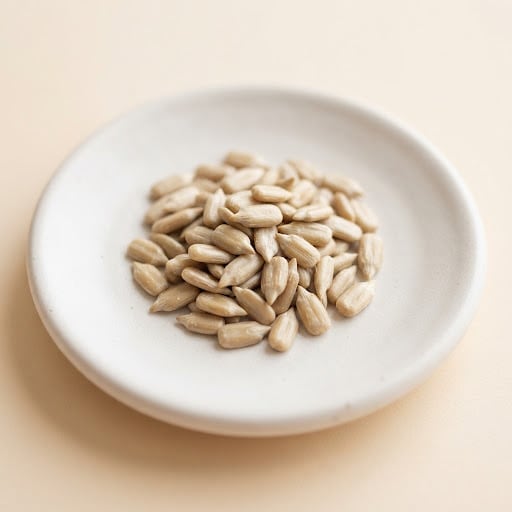
Babies can have sunflower seeds from about 6 months when they are finely ground or served as a thin layer of smooth sunflower seed butter. Whole sunflower seeds are small and firm, and seeds in the shell are a choking hazard, so wait until at least age 4 for whole seeds. Sunflower seeds are not a common allergen and are a popular nut-free option.
How to serve sunflower seeds by age
Shapes and textures change as your baby’s grasp and chewing grow.

6 months
Stir finely ground sunflower seeds into smooth yogurt, oatmeal or mashed fruit, or stir in a little smooth, unsalted sunflower seed butter thinned with water, breast milk or formula. Offer it on a spoon, never as a thick glob.

7–8 months
Keep stirring ground seeds or thinned seed butter into thicker oatmeal and lumpier mashed fruit, or spread a thin layer of smooth, unsalted sunflower seed butter on a soft toast strip. Thin seed butter with yogurt or water so it is not sticky.

9–12 months
Sprinkle ground sunflower seeds over soft fruit or pasta to add grip, or swirl thinned seed butter into oatmeal. Keep whole seeds off the menu.

12 months +
Toddlers can have sunflower seed butter on toast and in baked goods, and ground seeds in muffins and energy bites. Whole seeds and seeds in the shell should wait until at least age 4.
Why it’s good
Sunflower seeds give babies vitamin E, healthy fats, iron, zinc, magnesium, selenium and some protein. Pairing sunflower seeds with vitamin C-rich fruit helps babies absorb the iron.
Safety notes
- Whole sunflower seeds are small and firm and can be breathed into the airway. Serve them finely ground until at least age 4.
- Never give seeds in the shell. Shells are sharp and a serious choking hazard.
- Thick globs of seed butter can stick to the roof of the mouth. Spread thinly or thin it with yogurt, water, breast milk or formula.
- Many sunflower seeds and seed butters are salted or sweetened. Choose unsalted, unsweetened versions.
- Sunflower seed butter can turn baked goods green when it reacts with baking soda. This is harmless.
A low-allergy food, still worth watching
Sunflower seeds are not a Top 9 allergen, though sunflower allergy has been reported. Offer a small amount first and watch for hives, vomiting or swelling, and check that seed butters are made in a peanut- and tree-nut-free facility if that matters for your family.
Sunflower seeds for babies: questions parents ask
Quick answers about sunflower seeds for babies and toddlers.
When can babies have sunflower seeds?
Babies can have sunflower seeds from about 6 months when they are finely ground or served as a thin layer of seed butter. Whole sunflower seeds should wait until at least age 4.
Can babies eat sunflower seed butter?
Yes, babies can eat smooth, unsalted sunflower seed butter from 6 months. Thin sunflower seed butter and stir it into oatmeal or yogurt at first, then spread it thinly on toast from 7–8 months so it is not sticky.
Are sunflower seeds a choking hazard for babies?
Yes, whole sunflower seeds are a choking hazard for babies and young children, and seeds in the shell are even riskier. Grind sunflower seeds finely for children under 4.
Are sunflower seeds a common allergen?
No, sunflower seeds are not a common allergen and are not in the Top 9. Sunflower allergy is rare but can happen, so start with a small amount.
How do I serve sunflower seeds to a 6 month old?
To serve sunflower seeds to a 6 month old, grind them into a fine powder and stir a little into plain yogurt or oatmeal, or thin smooth sunflower seed butter and stir it into a puree. A thin spread on a toast strip can follow at 7–8 months.
Is sunflower seed butter a good peanut butter substitute?
Sunflower seed butter is a good nut-free option for families with nut allergies or nut-free daycares. Babies without a peanut allergy should still have peanut regularly, since early and ongoing exposure helps prevent peanut allergy.
Why did my muffins turn green with sunflower seed butter?
Sunflower seed butter contains chlorophyll-related compounds that turn green when they react with baking soda or baking powder. The green color is harmless, and using a little less leavening helps.
Can toddlers eat salted sunflower seeds in the shell?
No, toddlers should not eat sunflower seeds in the shell, which are a choking hazard and usually very salty. Wait until at least age 4 for whole seeds, and choose unsalted ones.
The takeaway
- Babies can have sunflower seeds from about 6 months when they are finely ground or served as a thin layer of smooth sunflower seed butter.
- Stir finely ground sunflower seeds into smooth yogurt, oatmeal or mashed fruit, or stir in a little smooth, unsalted sunflower seed butter thinned with water, breast milk or formula.
- Choking risk is high. Not a Top 9 allergen, but offer a small amount first and watch for any reaction.
Read next

Sources
This guide follows current advice from these organizations.
- Starting Solid Foods American Academy of Pediatrics (HealthyChildren.org)
- When, What, and How to Introduce Solid Foods Centers for Disease Control and Prevention
- Choking Hazards Centers for Disease Control and Prevention
- Choking Prevention American Academy of Pediatrics (HealthyChildren.org)
- Iron Centers for Disease Control and Prevention
Track every new food in your baby’s passport
Track the first 100 foods and the Top 9 allergens. 7 days free.
More nuts and seeds for babies
Updated November 2026. Reviewed by our dietitians. Based on AAP, CDC and NIAID guidance. Written for healthy, full-term babies; not a substitute for your pediatrician. If your baby was born early, has a medical condition, feeding difficulties or a known allergy, check with them first (medical disclaimer). Always stay with your baby while they eat.