
Nuts & seeds Food Library
When can babies have pumpkin seeds?
Can babies eat pumpkin seeds?
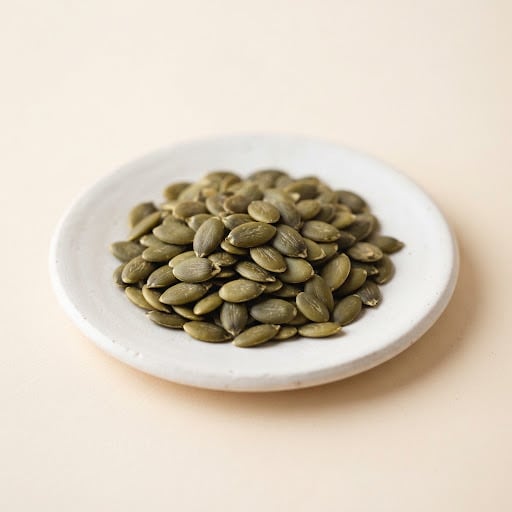
Babies can have pumpkin seeds from 6 months, but only finely ground or as smooth pumpkin seed butter thinned and spread or mixed into food. Whole pumpkin seeds, shelled or in the shell, are a high choking risk for babies and young children. Pumpkin seeds are not a common allergen and are a great plant source of iron.
How to serve pumpkin seeds by age
Shapes and textures change as your baby’s grasp and chewing grow.

6 months
Grind unsalted, shelled pumpkin seeds (pepitas) into a fine powder and stir it into oatmeal, yogurt or smooth mashed fruit. Or thin smooth pumpkin seed butter with water, breast milk or formula and stir it into a puree.

7–8 months
Keep stirring ground pumpkin seeds into thicker porridge and lumpier mashes, or spread a very thin layer of thinned pumpkin seed butter on a soft toast strip. Ground seeds also make a grippy coating for soft banana or avocado pieces.

9–12 months
Keep using ground pumpkin seeds to coat slippery foods like banana or avocado spears, or mix them into pancakes, muffins and meatballs. Seed butter should still be spread thin or mixed in, never served by the spoonful.

12 months +
Toddlers can keep having ground seeds and thinly spread seed butter. Wait on whole shelled pumpkin seeds until at least age 4, and avoid seeds in the shell, which are tough and fibrous.
Why it’s good
Pumpkin seeds are rich in iron, zinc, magnesium, protein and healthy fats, all important for a growing baby. Pairing them with vitamin C foods like strawberries or tomatoes helps babies absorb the iron. A spoonful of ground seeds is an easy nutrition boost for plant-based meals.
Safety notes
- Never serve whole pumpkin seeds to babies or young children. They are small, hard and slippery and can be inhaled into the airway.
- Do not serve pumpkin seeds in the shell. The shells are tough, fibrous and sharp and cannot be chewed safely by young kids.
- Thick seed butter can stick to the roof of the mouth. Thin it and spread it thinly, and never give it by the spoonful.
- Choose unsalted, unseasoned pumpkin seeds. Many roasted seeds and snacks are heavily salted or spiced.
- Store seeds in a sealed container in a cool place or the fridge, as their oils can go rancid.
A low-allergy food, still worth watching
Pumpkin seeds are not a common allergen, but seed allergies do occur and some seed butters are made on equipment shared with peanuts or tree nuts. Offer a small amount first, watch for hives, vomiting or swelling, and check labels if your baby has other allergies.
Pumpkin seeds for babies: questions parents ask
Quick answers about pumpkin seeds for babies and toddlers.
When can babies have pumpkin seeds?
Babies can have pumpkin seeds from 6 months, finely ground or as thinned pumpkin seed butter. Whole pumpkin seeds should wait until at least age 4 because they are a choking hazard.
Can babies eat pumpkin seeds?
Yes, babies can eat pumpkin seeds when they are ground into a powder or made into a thinned seed butter. Pumpkin seeds are a great source of iron and zinc for babies.
Are pumpkin seeds a choking hazard for babies?
Yes, whole pumpkin seeds are a high choking hazard for babies and young children. Serve pumpkin seeds ground or as a thinly spread butter, and always supervise meals.
Are pumpkin seeds a common allergen?
No, pumpkin seeds are not a common allergen and are not one of the Top 9 food allergens. Seed allergies can still happen, so introduce pumpkin seeds in a small amount first.
How do I serve pumpkin seeds to a 6 month old?
To serve pumpkin seeds to a 6 month old, grind unsalted pepitas into a fine powder and stir a teaspoon into oatmeal or yogurt. Pumpkin seed butter thinned with water can also be stirred into a smooth puree. Spreading it thinly on soft toast strips can follow at 7–8 months.
Are seeds from carving pumpkins okay for babies?
Seeds from carving pumpkins come in a tough white shell and are not safe for babies to eat whole. If you roast them, grind them very finely before mixing into food, and save them unsalted.
Is pumpkin seed butter safe for babies?
Pumpkin seed butter is safe for babies when it is smooth, thinned and spread thinly or mixed into food. Choose a brand with no added salt or sugar and check whether it is made near peanuts or tree nuts.
Can babies with nut allergies eat pumpkin seeds?
Many babies with peanut or tree nut allergies can eat pumpkin seeds, as seeds are a different food. Check with your allergist first and look for brands made in nut-free facilities.
Are pumpkin seeds good for iron?
Yes, pumpkin seeds are one of the best plant sources of iron for babies. Serve ground pumpkin seeds with vitamin C foods like strawberries, oranges or tomatoes to help your baby absorb the iron.
The takeaway
- Babies can have pumpkin seeds from 6 months, but only finely ground or as smooth pumpkin seed butter thinned and spread or mixed into food.
- Grind unsalted, shelled pumpkin seeds (pepitas) into a fine powder and stir it into oatmeal, yogurt or smooth mashed fruit.
- Choking risk is high. Not a Top 9 allergen, but offer a small amount first and watch for any reaction.
Read next

Sources
This guide follows current advice from these organizations.
- Starting Solid Foods American Academy of Pediatrics (HealthyChildren.org)
- When, What, and How to Introduce Solid Foods Centers for Disease Control and Prevention
- Choking Hazards Centers for Disease Control and Prevention
- Choking Prevention American Academy of Pediatrics (HealthyChildren.org)
- Iron Centers for Disease Control and Prevention
Track every new food in your baby’s passport
Track the first 100 foods and the Top 9 allergens. 7 days free.
More nuts and seeds for babies
Updated November 2026. Reviewed by our dietitians. Based on AAP, CDC and NIAID guidance. Written for healthy, full-term babies; not a substitute for your pediatrician. If your baby was born early, has a medical condition, feeding difficulties or a known allergy, check with them first (medical disclaimer). Always stay with your baby while they eat.