
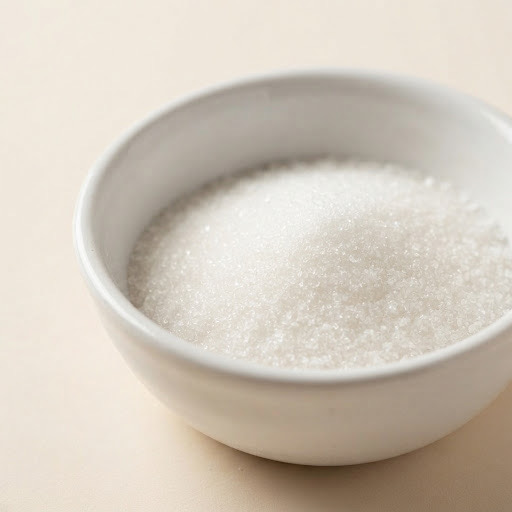
Drinks & extras Food Library
When can babies have sugar?
Can babies have sugar?
Added sugar is best avoided until at least 2 years old, following US Dietary Guidelines and AAP advice. After age 2, keep added sugar small and occasional. Natural sugars in whole fruit, vegetables and plain milk are fine, and sugar is not a common allergen.
How to serve sugar by age
Shapes and textures change as your baby’s grasp and chewing grow.

6 months
Do not add sugar to your baby's food. If a food needs sweetness, stir in smooth mashed ripe banana, pear or mango or unsweetened applesauce, and offer plain purees often so your baby learns to enjoy natural flavors.

7–8 months
Keep added sugar out of your baby's food. Sweeten thicker mashes, oatmeal or plain yogurt with fork-mashed ripe fruit instead, and check labels on baby cereals, yogurts and pouches for hidden sugar.

9–12 months
Keep added sugar out of everyday meals and check labels on cereals, yogurts, teething biscuits and pouches. Homemade muffins or pancakes sweetened with mashed fruit are a good swap for sugary baked goods.

12 months +
Keep avoiding added sugar until about age 2, though a small taste at a birthday party is not a cause for worry. After age 2, keep sweets small, occasional and with meals, and serve them without fuss so they do not become a reward or a forbidden prize.
Why it’s good
Added sugar gives energy but no vitamins, minerals or fiber, and it can crowd out the nutritious foods babies need while their stomachs are small. Early sugar also feeds the bacteria that cause tooth decay. Natural sugars that come packaged in whole fruit, vegetables and plain milk arrive with fiber, vitamins and other nutrients.
Safety notes
- Avoid added sugar before age 2, including white sugar, brown sugar, syrups, sweetened drinks and desserts. Never give honey before 12 months, even in baked goods.
- Read labels for added sugar under other names such as cane sugar, corn syrup, dextrose, fruit juice concentrate, maltodextrin, rice syrup and agave.
- Skip juice before 12 months and sugary drinks like soda, sweet tea and sports drinks for young children. Offer breast milk or formula to babies, and water and milk to toddlers.
- Hard candies, lollipops, jelly beans, gummies and sugar cubes are choking hazards for young children. Wait until at least age 4 for hard candy.
- Sugar sticks to teeth. Brush twice a day with a smear of fluoride toothpaste once teeth appear, and never put a baby to bed with a bottle of anything but water.
A low-allergy food, still worth watching
Sugar is not a food allergen, since allergies are triggered by proteins and pure sugar contains none. Sweet foods often contain allergens like milk, egg, wheat, nuts or soy, so check ingredients in treats and baked goods.
Sugar for babies: questions parents ask
Quick answers about sugar for babies and toddlers.
When can babies have sugar?
Babies should not have added sugar before 2 years old, according to US Dietary Guidelines and the AAP. After age 2, sugar is fine in small, occasional amounts.
Can babies have sugar?
Babies can eat the natural sugars found in fruit, vegetables, breast milk and formula, but added sugar is best avoided before age 2. Added sugar gives empty calories and raises the risk of tooth decay.
Is sugar a choking hazard for babies?
Sugar as an ingredient is a low choking risk. Some sugary foods are choking hazards for young children, including hard candy, lollipops, gummies, jelly beans and sugar cubes.
Is sugar a common allergen?
No, sugar is not a common allergen and is not one of the Top 9 allergens. Sweet treats often contain allergens like milk, egg, wheat or nuts, so read the ingredient list.
How do I serve sugar to a 6 month old?
Do not add sugar to food for a 6 month old. If you want to sweeten food for a 6 month old, use mashed ripe fruit like banana or pear instead of sugar.
Can my baby have birthday cake?
A small taste of birthday cake at a first birthday is a common tradition and not harmful for most babies. Make sure the cake has no whole nuts or hard decorations, and avoid honey in the cake if your baby is under 12 months.
How much sugar is okay for a toddler?
Children under 2 should have no added sugar. From age 2, the American Heart Association suggests children have less than about 25 grams, or 6 teaspoons, of added sugar a day.
Is natural sugar in fruit okay for babies?
Yes, the natural sugar in whole fruit is fine for babies. Whole fruit comes with fiber, water and vitamins, which is why fruit is encouraged but juice and added sugar are not.
Are brown sugar, coconut sugar or maple syrup healthier for babies?
No, brown sugar, coconut sugar and maple syrup all count as added sugar for babies. Brown sugar, coconut sugar and maple syrup should all be avoided until at least age 2.
How can I stop my toddler from craving sugar?
To help prevent sugar cravings, offer sweets rarely and in small amounts, alongside a meal rather than as a reward. Keeping sugary foods neutral, not bribes or forbidden treats, helps toddlers keep a healthy relationship with sweets.
Why can't babies have sugar?
Babies should not have added sugar before age 2 because it gives calories without vitamins, minerals or fiber, crowds out the nutritious foods small tummies need, and feeds the bacteria that cause tooth decay. Natural sugars in whole fruit, vegetables, breast milk and formula are fine, so sweeten food with mashed fruit instead.
The takeaway
- Added sugar is best avoided until at least 2 years old, following US Dietary Guidelines and AAP advice.
- Keep avoiding added sugar until about age 2, though a small taste at a birthday party is not a cause for worry.
- Choking risk is low. Not a Top 9 allergen, but offer a small amount first and watch for any reaction.
Read next


Sources
This guide follows current advice from these organizations.
- Starting Solid Foods American Academy of Pediatrics (HealthyChildren.org)
- When, What, and How to Introduce Solid Foods Centers for Disease Control and Prevention
- Choking Hazards Centers for Disease Control and Prevention
- Recommended Drinks for Young Children Ages 0-5 American Academy of Pediatrics (HealthyChildren.org)
- Foods and Drinks to Avoid or Limit Centers for Disease Control and Prevention
- Dietary Guidelines for Americans, 2020-2025 U.S. Department of Agriculture and HHS
Track every new food in your baby’s passport
Track the first 100 foods and the Top 9 allergens. 7 days free.
More drinks and extras for babies
Updated November 2026. Reviewed by our dietitians. Based on AAP, CDC and NIAID guidance. Written for healthy, full-term babies; not a substitute for your pediatrician. If your baby was born early, has a medical condition, feeding difficulties or a known allergy, check with them first (medical disclaimer). Always stay with your baby while they eat.