
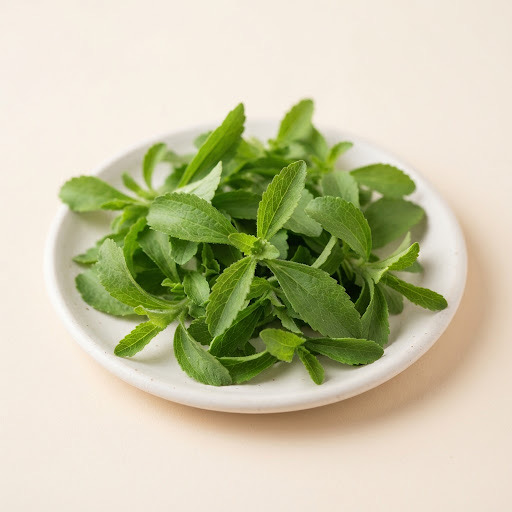
Drinks & extras Food Library
When can babies have stevia?
Can babies have stevia?
Stevia is best avoided until at least 2 years old, and kept to small, occasional amounts after that. Stevia is a calorie-free sweetener, and health guidance advises against added sweeteners of any kind for children under 2. Stevia is not a common allergen.
How to serve stevia by age
Shapes and textures change as your baby’s grasp and chewing grow.

6 months
Do not add stevia to your baby's food. Let your baby enjoy the natural taste of foods, and if something needs sweetness, stir in smooth mashed ripe banana, pear puree or unsweetened applesauce.

7–8 months
Keep stevia out of your baby's food as textures get thicker. Sweeten lumpy oatmeal or plain yogurt with fork-mashed ripe fruit instead, and check labels on baby snacks and yogurts for added sweeteners.

9–12 months
Keep avoiding stevia and check labels on yogurts, snacks and drinks marketed to families, which may contain stevia or other sweeteners. Plain yogurt with mashed fruit is a better choice.

12 months +
Keep stevia out of your toddler's diet until at least age 2. After that, a food or drink with a little stevia now and then is fine, but water, milk and whole fruit are still the best everyday choices.
Why it’s good
Stevia provides no meaningful nutrition for babies. It is many times sweeter than sugar, and getting used to intense sweetness early may make plain foods like vegetables and unsweetened yogurt less appealing. Whole fruit gives sweetness along with fiber and vitamins.
Safety notes
- Do not add stevia or any sweetener to food, formula, breast milk or water for babies under 2.
- Check labels for stevia, steviol glycosides, Reb A, rebaudioside or stevia leaf extract in yogurts, flavored waters, protein drinks and snacks.
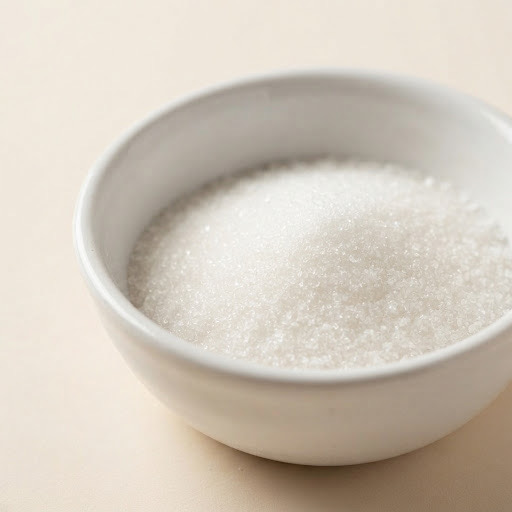
- Many stevia packets and blends also contain sugar alcohols like erythritol, which can cause gas and diarrhea in young children.
- Stevia-sweetened diet drinks are not suitable for young children. Offer breast milk or formula to babies, and water and milk to toddlers.
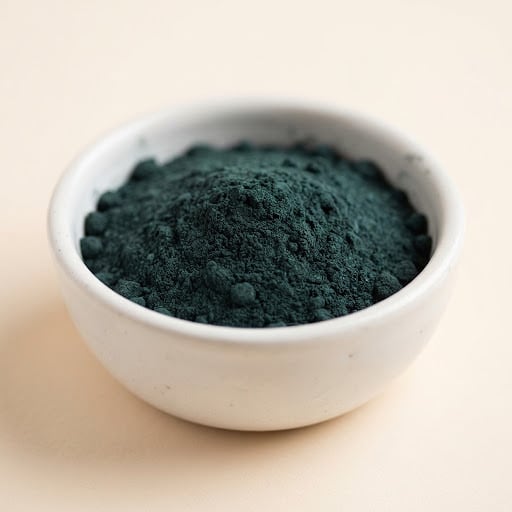
- Whole stevia leaf and crude stevia extracts are not approved as food additives in the US. If you use stevia for older children, choose a highly purified product.
A low-allergy food, still worth watching
Stevia is not one of the Top 9 allergens, and allergic reactions are rare. Stevia is in the same plant family as ragweed and chrysanthemums, so children with those pollen allergies could occasionally react.
Stevia for babies: questions parents ask
Quick answers about stevia for babies and toddlers.
When can babies have stevia?
Babies should not have stevia; it is best avoided until at least 2 years old. After age 2, stevia can be an occasional sweetener in small amounts, not an everyday part of the diet.
Can babies have stevia?
Babies under 2 should not eat foods or drinks with added stevia. Experts advise no added sweeteners for children under 2 so they learn to enjoy the natural taste of foods.
Is stevia safe for babies?
Purified stevia is considered safe for adults, but there is little research on stevia in babies, and children under 2 do not need any added sweeteners. It is best to skip stevia until at least age 2.
Is stevia a choking hazard for babies?
Stevia itself is a low choking risk because it is a powder or liquid. Some foods made with stevia, like hard candies or gum, are choking hazards for young children.
Is stevia a common allergen?
No, stevia is not a common allergen and is not one of the Top 9 allergens. Rare reactions may happen in people with ragweed or related pollen allergies.
How do I serve stevia to a 6 month old?
Do not serve stevia to a 6 month old. If you want to sweeten a 6 month old's food, use mashed ripe fruit like banana, pear or unsweetened applesauce instead of stevia.
Is stevia better than sugar for toddlers?
Stevia has no calories and does not raise blood sugar, but it still teaches a taste for very sweet foods. For children under 2, avoid both stevia and added sugar, and after age 2 keep both occasional.
My baby ate a yogurt with stevia. Is that okay?
A single serving of a food sweetened with stevia is not dangerous for a baby. Just avoid making stevia-sweetened foods a habit, and choose plain versions next time.
Can stevia upset a toddler's stomach?
Pure stevia rarely upsets the stomach, but many stevia blends contain erythritol or other sugar alcohols that can cause gas, bloating or loose stools. Check the label if your child has tummy trouble after a stevia-sweetened food.
The takeaway
- Stevia is best avoided until at least 2 years old, and kept to small, occasional amounts after that.
- Keep stevia out of your toddler's diet until at least age 2.
- Choking risk is low. Not a Top 9 allergen, but offer a small amount first and watch for any reaction.
Read next


Sources
This guide follows current advice from these organizations.
- Starting Solid Foods American Academy of Pediatrics (HealthyChildren.org)
- When, What, and How to Introduce Solid Foods Centers for Disease Control and Prevention
- Choking Hazards Centers for Disease Control and Prevention
- Recommended Drinks for Young Children Ages 0-5 American Academy of Pediatrics (HealthyChildren.org)
- Foods and Drinks to Avoid or Limit Centers for Disease Control and Prevention
Track every new food in your baby’s passport
Track the first 100 foods and the Top 9 allergens. 7 days free.
More drinks and extras for babies
Updated November 2026. Reviewed by our dietitians. Based on AAP, CDC and NIAID guidance. Written for healthy, full-term babies; not a substitute for your pediatrician. If your baby was born early, has a medical condition, feeding difficulties or a known allergy, check with them first (medical disclaimer). Always stay with your baby while they eat.