
Drinks & extras Food Library
When can babies have spirulina?
Can babies have spirulina?
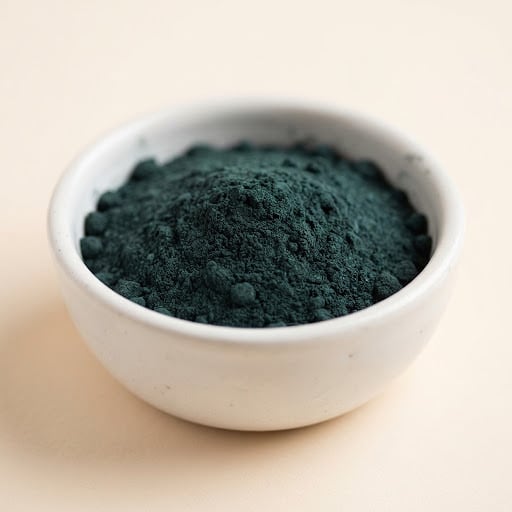
Spirulina is best saved until after 12 months, and then only as a small pinch of food-grade powder mixed into food. Spirulina products can be contaminated with toxins or heavy metals, and it is not needed in a varied diet. Avoid spirulina supplements and tablets for children unless your pediatrician recommends them.
How to serve spirulina by age
Shapes and textures change as your baby’s grasp and chewing grow.

6 months
Skip spirulina for now. Focus on smooth purees of iron-rich whole foods, like meat, beans and lentils, plus iron-fortified cereal.

7–8 months
Keep waiting on spirulina. Offer iron and protein from lumpier mashes of meat, beans, lentils and eggs, and blend leafy greens like spinach into food for green color and nutrients.

9–12 months
Keep waiting on spirulina. Leafy greens like spinach and kale blended into food are a good way to add green color and nutrients.

12 months +
If you like, stir a small pinch of food-grade spirulina powder into a smoothie, yogurt or pancake batter, using a brand tested for contaminants. Keep it occasional.
Why it’s good
Spirulina is a blue-green algae that contains protein, some iron, B vitamins and antioxidants. In the small amounts that are sensible for toddlers, it adds little beyond color. Spirulina is not a reliable source of vitamin B12, because much of its B12 is a form the body cannot use.
Safety notes
- Spirulina can be contaminated with microcystins (liver toxins from other algae), heavy metals and bacteria. Choose a brand with third-party testing.
- Do not give spirulina tablets, capsules or supplements to babies or young children unless a pediatrician advises it.
- Children with phenylketonuria (PKU) should avoid spirulina, since it contains phenylalanine.
- Spirulina powder should always be mixed into food. Dry powder can be inhaled and cause coughing.
- Do not rely on spirulina for vitamin B12 in vegan or vegetarian diets. Use a proper B12 source your pediatrician recommends.
A low-allergy food, still worth watching
Spirulina is not a common allergen, but rare reactions have been reported. Start with a tiny amount and watch for hives, vomiting, swelling or wheezing.
Spirulina for babies: questions parents ask
Quick answers about spirulina for babies and toddlers.
When can babies have spirulina?
Babies can have spirulina after 12 months, as a small pinch of food-grade powder mixed into food. Before 12 months, spirulina is best skipped in favor of whole foods.
Can babies have spirulina?
Babies under 12 months do not need spirulina, and the risk of contamination outweighs the benefit. Toddlers can have a small pinch of tested, food-grade spirulina occasionally.
Is spirulina a choking hazard for babies?
No, spirulina is not a choking hazard when it is mixed into food. Dry spirulina powder can make a child cough if inhaled, so always stir it in.
Is spirulina a common allergen?
No, spirulina is not a common allergen, though rare reactions are possible. Introduce spirulina in a tiny amount and watch for signs of a reaction.
How do I serve spirulina to a 6 month old?
Spirulina is not recommended for a 6 month old. At this age, offer iron-rich whole foods like meat, lentils, eggs and fortified cereal, and wait until after 12 months for spirulina.
Is spirulina safe as a supplement for children?
Spirulina supplements are not recommended for children unless a pediatrician advises them. Supplements are not tightly regulated and some spirulina products have tested positive for toxins and heavy metals.
Is spirulina a good source of B12 for vegan toddlers?
No, spirulina is not a reliable source of vitamin B12 because most of it is in a form the body cannot use. Vegan toddlers need a B12 supplement or fortified foods recommended by their pediatrician.
Can spirulina boost my child's immunity?
There is no good evidence that spirulina boosts immunity in children. A varied diet, sleep and routine vaccines are the best ways to support a child's immune system.
The takeaway
- Spirulina is best saved until after 12 months, and then only as a small pinch of food-grade powder mixed into food.
- If you like, stir a small pinch of food-grade spirulina powder into a smoothie, yogurt or pancake batter, using a brand tested for contaminants.
- Choking risk is low. Not a Top 9 allergen, but offer a small amount first and watch for any reaction.
Read next


Sources
This guide follows current advice from these organizations.
- Starting Solid Foods American Academy of Pediatrics (HealthyChildren.org)
- When, What, and How to Introduce Solid Foods Centers for Disease Control and Prevention
- Choking Hazards Centers for Disease Control and Prevention
- Recommended Drinks for Young Children Ages 0-5 American Academy of Pediatrics (HealthyChildren.org)
- Foods and Drinks to Avoid or Limit Centers for Disease Control and Prevention
Track every new food in your baby’s passport
Track the first 100 foods and the Top 9 allergens. 7 days free.
More drinks and extras for babies
Updated November 2026. Reviewed by our dietitians. Based on AAP, CDC and NIAID guidance. Written for healthy, full-term babies; not a substitute for your pediatrician. If your baby was born early, has a medical condition, feeding difficulties or a known allergy, check with them first (medical disclaimer). Always stay with your baby while they eat.