
Drinks & extras Food Library
When can babies have tea?
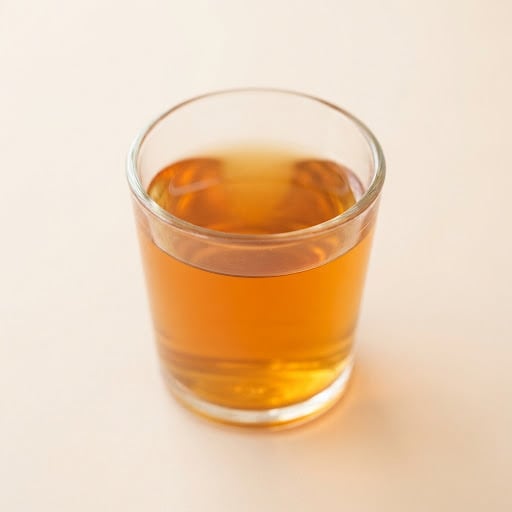
Can babies have tea?
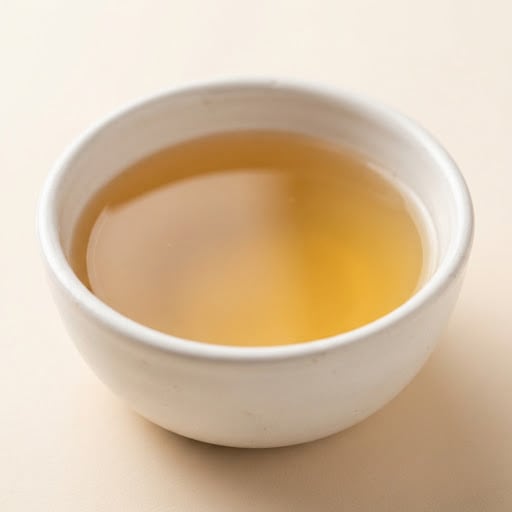
Caffeinated tea, such as black, green or oolong, is best avoided until at least 4 years old. Small amounts of plain, caffeine-free herbal or decaf tea can be offered occasionally after 12 months. Tea can reduce iron absorption, so avoid serving it with meals.
How to serve tea by age
Shapes and textures change as your baby’s grasp and chewing grow.

6 months
Do not give tea of any kind, including herbal teas sold for colic or teething. Babies only need breast milk or formula and small sips of water from an open cup with meals.

7–8 months
Tea is still off the menu, including caffeine-free herbal teas. Keep breast milk or formula as the main drink and offer small sips of water from an open cup with meals.

9–12 months
Tea is still off the menu. Avoid herbal teas sold as colic or teething remedies unless your pediatrician recommends one.

12 months +
From 12 months, a few sips of cooled, unsweetened caffeine-free herbal tea like rooibos or mild fruit tea are okay occasionally, away from meals. Wait until 4 years for caffeinated tea, and keep it small and weak.
Why it’s good
Tea offers little nutrition for young children. Black and green tea contain tannins that reduce iron absorption, and caffeine that is not recommended for kids. Breast milk or formula are better drinks for babies, and water and milk for toddlers.
Safety notes
- Caffeinated tea is not recommended for children under 4.
- Tea reduces iron absorption. Do not serve tea with meals.
- Some herbal teas, such as star anise tea, can be harmful to babies. Avoid herbal remedies unless approved by your pediatrician.
- Avoid sweetened tea, bubble tea with tapioca balls and tea with honey before 12 months.
- Always cool tea fully to avoid burns.
A low-allergy food, still worth watching
Tea is not a common allergen, but reactions can occur. Herbal teas may contain chamomile or other plants that can cause reactions in sensitive children.
Tea for babies: questions parents ask
Quick answers about tea for babies and toddlers.
When can babies have tea?
Babies should not have caffeinated tea until at least 4 years old. Caffeine-free herbal tea can be offered occasionally after 12 months.
Can babies drink tea?
No, babies under 12 months should not drink tea. Breast milk or formula and small sips of water are all they need.
Is tea a choking hazard for babies?
Tea is a low choking risk as a drink. Bubble tea with tapioca balls is a choking hazard and should be avoided.
Is tea a common allergen?
No, tea is not a common allergen. Herbal teas may contain plants that cause reactions.
How do I serve tea to a 6 month old?
Tea should not be served to a 6 month old. Offer breast milk, formula or small sips of water instead.
What teas are safe for toddlers?
Safe teas for toddlers over 12 months include caffeine-free herbal teas like rooibos and mild fruit teas, served cooled and unsweetened. Avoid medicinal herbal remedies.
Does tea affect iron absorption?
Yes, tea can reduce iron absorption because of tannins. Avoid giving tea with meals.
Can I give chamomile tea for colic?
Chamomile tea is not recommended for babies with colic without guidance from a pediatrician. Some herbal teas can be contaminated or contain harmful plants.
When can kids have bubble tea?
Bubble tea with tapioca pearls is a choking hazard and best avoided until at least 4 years old. Bubble tea is also high in sugar and often caffeinated.
The takeaway
- Caffeinated tea, such as black, green or oolong, is best avoided until at least 4 years old.
- From 12 months, a few sips of cooled, unsweetened caffeine-free herbal tea like rooibos or mild fruit tea are okay occasionally, away from meals.
- Choking risk is low. Not a Top 9 allergen, but offer a small amount first and watch for any reaction.
Read next


Sources
This guide follows current advice from these organizations.
- Starting Solid Foods American Academy of Pediatrics (HealthyChildren.org)
- When, What, and How to Introduce Solid Foods Centers for Disease Control and Prevention
- Choking Hazards Centers for Disease Control and Prevention
- Recommended Drinks for Young Children Ages 0-5 American Academy of Pediatrics (HealthyChildren.org)
- Foods and Drinks to Avoid or Limit Centers for Disease Control and Prevention
Track every new food in your baby’s passport
Track the first 100 foods and the Top 9 allergens. 7 days free.
More drinks and extras for babies
Updated November 2026. Reviewed by our dietitians. Based on AAP, CDC and NIAID guidance. Written for healthy, full-term babies; not a substitute for your pediatrician. If your baby was born early, has a medical condition, feeding difficulties or a known allergy, check with them first (medical disclaimer). Always stay with your baby while they eat.