
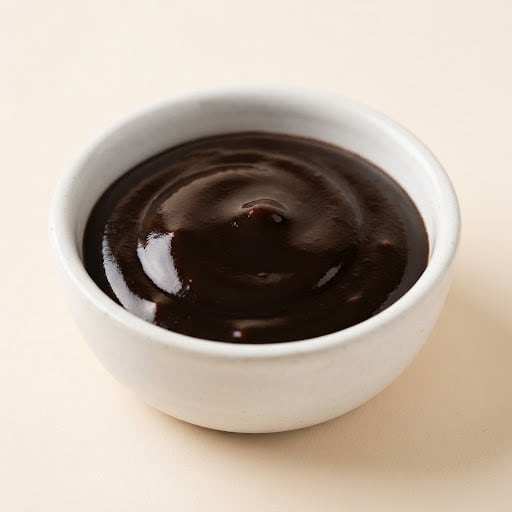
Drinks & extras Food Library
When can babies have vegemite?
Can babies have vegemite?
Babies can have a tiny taste of vegemite from about 6 months as an occasional food, mixed into mashed avocado at first and as a very thin scrape on soft toast from 7–8 months. Vegemite is very high in sodium, so a tiny amount is plenty, and it should not be a daily food. Vegemite contains gluten from barley and may contain wheat, so check the label.
How to serve vegemite by age
Shapes and textures change as your baby’s grasp and chewing grow.

6 months
Vegemite is very salty, so keep it rare. If you want to offer a taste, mix the tiniest dab into a spoonful of mashed avocado or unsalted butter stirred into vegetable puree, and offer it on a spoon only occasionally.

7–8 months
Spread the thinnest possible scrape of vegemite on a soft toast strip, or mix a tiny dab into unsalted butter, avocado or cream cheese before spreading. Offer it occasionally, not every day.

9–12 months
Offer small squares of toast with a very thin layer of vegemite, Offer small squares of soft toast with the thinnest scrape of reduced-salt vegemite, only occasionally, and keep other salty foods like cheese low that day.. Keep other salty foods low on vegemite days.

12 months +
Toddlers can have a thin scrape of vegemite on toast, crackers or in sandwiches. A small amount gives lots of flavor, so keep spreads thin.
Why it’s good
Vegemite is rich in B vitamins, including thiamin, riboflavin, niacin and folate, which help the body use energy. Some reduced-salt versions are fortified with vitamin B12 too. The amount babies eat is tiny, so it adds flavor more than nutrition.
Safety notes
- Vegemite is very high in sodium. Use only a very thin scrape, and offer it occasionally rather than daily.
- Choose reduced-salt vegemite if available.
- Thick globs of any spread can stick in the mouth. Spread vegemite very thinly or mix it into a softer spread.
- Never offer vegemite by the spoonful. The salt content is too high for babies.
Introduce vegemite on its own, then keep it in
Vegemite contains gluten from barley and may contain wheat. Introduce wheat on its own first, check the label, and avoid vegemite if your baby has celiac disease or a wheat allergy.
Vegemite for babies: questions parents ask
Quick answers about vegemite for babies and toddlers.
When can babies have vegemite?
Babies can have a very thin scrape of vegemite from about 6 months as an occasional food. Because vegemite is so salty, it is best used sparingly rather than every day.
Can babies have vegemite?
Yes, babies can eat vegemite in very small amounts spread thinly on toast. Vegemite should be an occasional flavor because of its high sodium content.
Is vegemite a choking hazard for babies?
Vegemite is a low choking risk for babies when spread thinly. Thick globs of spread can stick in the mouth, so keep the layer thin and always stay with your baby while they eat.
Is vegemite a common allergen?
Vegemite contains gluten from barley and may contain wheat, one of the Top 9 food allergens. Check the label and introduce wheat separately before offering vegemite.
How do I serve vegemite to a 6 month old?
To serve vegemite to a 6 month old, mix the tiniest dab into mashed avocado or unsalted butter stirred into a puree, and offer it on a spoon. A very thin scrape on a soft toast strip can follow at 7–8 months. Offer it only occasionally.
Is vegemite too salty for babies?
Vegemite is very salty, but a thin scrape on toast contains only a small amount of sodium. Keep vegemite thin, use reduced-salt versions, and limit other salty foods on the same day.
Are marmite and vegemite the same thing?
Marmite and vegemite are both yeast extract spreads, but they are made by different companies and taste a little different. Both are very salty and should be used sparingly for babies.
Is vegemite gluten free?
Regular vegemite is not gluten free because it is made with yeast extract from barley and contains malt. A gluten-free version is sold in some places, so read the label.
The takeaway
- Babies can have a tiny taste of vegemite from about 6 months as an occasional food, mixed into mashed avocado at first and as a very thin scrape on soft toast from 7–8 months.
- Vegemite is very salty, so keep it rare.
- Choking risk is low. Wheat is one of the Top 9 allergens: offer a small amount first, watch for a reaction, then keep it in the diet regularly.
Read next



Sources
This guide follows current advice from these organizations.
- Starting Solid Foods American Academy of Pediatrics (HealthyChildren.org)
- When, What, and How to Introduce Solid Foods Centers for Disease Control and Prevention
- Choking Hazards Centers for Disease Control and Prevention
- Recommended Drinks for Young Children Ages 0-5 American Academy of Pediatrics (HealthyChildren.org)
- Foods and Drinks to Avoid or Limit Centers for Disease Control and Prevention
- The Effects of Early Nutritional Interventions on the Development of Atopic Disease in Infants and Children Greer FR, Sicherer SH, Burks AW; American Academy of Pediatrics. Pediatrics. 2019;143(4):e20190281
Track every new food in your baby’s passport
Track the first 100 foods and the Top 9 allergens. 7 days free.
More drinks and extras for babies

Updated November 2026. Reviewed by our dietitians. Based on AAP, CDC and NIAID guidance. Written for healthy, full-term babies; not a substitute for your pediatrician. If your baby was born early, has a medical condition, feeding difficulties or a known allergy, check with them first (medical disclaimer). Always stay with your baby while they eat.