
Herbs & spices Food Library
When can babies have cinnamon?
Can babies have cinnamon?
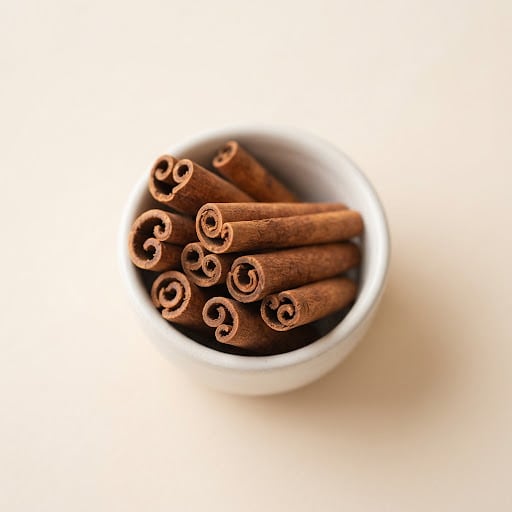
Babies can have cinnamon from about 6 months, as a small sprinkle of ground cinnamon mixed into food. Cinnamon adds warm, sweet flavor to oatmeal, fruit and yogurt without added sugar. Never let a baby handle a cinnamon stick or eat spoonfuls of dry powder.
How to serve cinnamon by age
Shapes and textures change as your baby’s grasp and chewing grow.

6 months
Stir a small pinch of ground cinnamon into smooth foods like oatmeal, mashed banana, applesauce, pear puree, sweet potato or plain yogurt, and offer it on a spoon. Mix it in well so there are no dry clumps of powder.

7–8 months
Keep adding a pinch of cinnamon to thicker oatmeal, lumpy fruit mashes, lentils or slow-cooked meat. It also works in soft pieces your baby can hold, like a soft baked pear wedge or a soft oat pancake.

9–12 months
Keep using cinnamon as a seasoning in oatmeal fingers, pancakes, baked apple slices, lentils or slow-cooked meat. A light dusting on soft fruit can make it easier to grip.

12 months +
Toddlers can have cinnamon in family dishes like muffins, curries, chili and oatmeal. Use cinnamon in place of sugar to flavor foods, and keep cinnamon sticks and the spice jar out of reach.
Why it’s good
Cinnamon is used in tiny amounts, so it adds flavor rather than meaningful nutrients. Its warm, naturally sweet taste can make plain foods like oatmeal and yogurt more appealing without sugar. Cinnamon contains antioxidants, but it is not a medicine and is not needed in a baby's diet.
Safety notes
- Use only small amounts of ground cinnamon mixed into food. Never give a spoonful of dry cinnamon, which can be inhaled into the lungs and cause serious breathing problems.
- Do not give whole cinnamon sticks to babies or toddlers to chew. They are hard, splinter into sharp pieces and are a choking hazard.
- Cinnamon can cause a red rash on the skin where it touches. This is usually harmless contact irritation and fades within a few hours.
- Buy cinnamon from well-known brands. Some ground cinnamon products have been recalled for lead contamination, so check FDA recall notices if you are unsure.
- Cassia cinnamon, the most common supermarket type, contains coumarin. Normal kitchen amounts are fine, but avoid cinnamon supplements and large daily doses for children.
A low-allergy food, still worth watching
Cinnamon is not a common food allergen. A red rash around the mouth is usually contact irritation, but hives that spread, swelling, vomiting or trouble breathing could be an allergy and need medical care.
Cinnamon for babies: questions parents ask
Quick answers about cinnamon for babies and toddlers.
When can babies have cinnamon?
Babies can have cinnamon from about 6 months, as soon as they start solids. A small sprinkle of ground cinnamon stirred into oatmeal, fruit or yogurt is the easiest way to start.
Can babies have cinnamon?
Yes, babies can eat cinnamon in the small amounts used in cooking. Cinnamon is a helpful way to add warm flavor to foods without added sugar.
Is cinnamon a choking hazard for babies?
Ground cinnamon is a low choking risk when mixed into food. Cinnamon sticks are a choking hazard, and dry cinnamon powder on its own can be inhaled, so always mix cinnamon into moist food.
Is cinnamon a common allergen?
No, cinnamon is not a common allergen and is not one of the Top 9 food allergens. Cinnamon more often causes a harmless contact rash, but watch for signs of a true allergy such as hives, swelling or vomiting.
How do I serve cinnamon to a 6 month old?
To serve cinnamon to a 6 month old, stir a small pinch of ground cinnamon into a soft food like oatmeal, mashed banana or applesauce. Mix it well so there are no dry clumps of powder.
Why did my baby get a rash from cinnamon?
Cinnamon often causes a red, blotchy rash where it touches the skin, especially around the mouth. This contact rash usually fades within a few hours and is not an allergy, but call your pediatrician if the rash spreads or your baby has swelling or vomiting.
Is Ceylon or cassia cinnamon better for babies?
Both Ceylon and cassia cinnamon are fine for babies in normal cooking amounts. Cassia contains more coumarin, so if your family uses cinnamon every day in large amounts, Ceylon cinnamon is a gentler choice.
Is cinnamon safe given the lead recalls?
Most cinnamon sold by established brands is safe, but some ground cinnamon products and cinnamon-flavored pouches have been recalled for lead. Buy from trusted brands, check FDA recall lists, and use cinnamon in small amounts.
Can babies have cinnamon toast or cinnamon cereal?
Cinnamon toast and cinnamon cereals usually contain added sugar, which is best limited before age 2. Make a baby-friendly version by sprinkling plain cinnamon on unsweetened oatmeal or toast spread with mashed banana.
Is cinnamon good for babies?
Cinnamon is a safe seasoning for babies from about 6 months, though it adds flavor rather than meaningful nutrition. A small pinch of ground cinnamon stirred into oatmeal, mashed banana, applesauce or yogurt adds warm sweetness without sugar; never offer dry powder on its own or cinnamon sticks.
Is cinnamon good for toddlers?
Yes, cinnamon is a good way to flavor food for toddlers 12 months and older, especially in place of sugar. Use it in oatmeal, muffins, curries and chili, keep cinnamon sticks and the spice jar out of reach, and buy from trusted brands because of past lead recalls.
Can babies have cinnamon rolls?
Cinnamon rolls are not a good choice for babies because they are high in added sugar, which is best avoided before age 2, and the sticky icing is hard to manage. After age 2, a small piece now and then is fine; for babies, sprinkle ground cinnamon on unsweetened oatmeal instead.
The takeaway
- Babies can have cinnamon from about 6 months, as a small sprinkle of ground cinnamon mixed into food.
- Stir a small pinch of ground cinnamon into smooth foods like oatmeal, mashed banana, applesauce, pear puree, sweet potato or plain yogurt, and offer it on a spoon.
- Choking risk is low. Not a Top 9 allergen, but offer a small amount first and watch for any reaction.
Read next



Sources
This guide follows current advice from these organizations.
- Starting Solid Foods American Academy of Pediatrics (HealthyChildren.org)
- When, What, and How to Introduce Solid Foods Centers for Disease Control and Prevention
- Choking Hazards Centers for Disease Control and Prevention
- Foods and Drinks to Avoid or Limit Centers for Disease Control and Prevention
- Dietary Guidelines for Americans, 2020-2025 U.S. Department of Agriculture and HHS
Recipes with cinnamon
Track every new food in your baby’s passport
Track the first 100 foods and the Top 9 allergens. 7 days free.
More herbs and spices for babies
Updated November 2026. Reviewed by our dietitians. Based on AAP, CDC and NIAID guidance. Written for healthy, full-term babies; not a substitute for your pediatrician. If your baby was born early, has a medical condition, feeding difficulties or a known allergy, check with them first (medical disclaimer). Always stay with your baby while they eat.