
Fruit Food Library
When can babies have applesauce?
Can babies have applesauce?
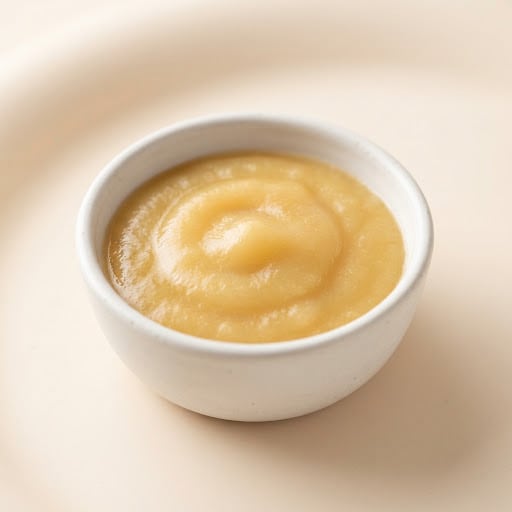
Babies can have applesauce from about 6 months, when they start solid foods. Choose unsweetened applesauce or make your own, and serve it on a preloaded spoon or mixed into other foods. Applesauce is smooth and not a common choking or allergy risk.
How to serve applesauce by age
Shapes and textures change as your baby’s grasp and chewing grow.

6 months
Offer smooth, unsweetened applesauce on a spoon or a pre-loaded spoon your baby can grab and bring to the mouth. Thicken it with infant oat cereal or stir it into plain yogurt so it clings to the spoon.

7–8 months
Make a thicker, slightly lumpy homemade applesauce by mashing very soft cooked apple with a fork, or stir applesauce into oatmeal and yogurt. Soft cooked apple slices that squash easily between your fingers can be offered alongside.

9–12 months
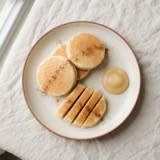
Use applesauce as a dip for soft toast strips, pancake fingers or roasted sweet potato wedges. You can also serve a slightly chunkier homemade version with soft cooked apple pieces about the size of a pea.

12 months +
Toddlers can eat applesauce from a small open cup or bowl with a spoon, or use it in baking to replace some sugar. Keep it unsweetened and offer it with a meal rather than as a constant snack.
Why it’s good
Applesauce gives babies vitamin C, some fiber and natural carbohydrates for energy. The vitamin C helps the body absorb plant iron, so applesauce is a smart partner for iron-fortified cereal, beans or lentils. It is gentle and easy to swallow, which makes it a good early texture.
Safety notes
- Choose unsweetened applesauce with only apples, and sometimes vitamin C, on the label. Skip varieties with added sugar, corn syrup or juice concentrate.
- Heavy metal recalls have affected some cinnamon applesauce pouches, so buy from trusted brands, check recall notices and offer a mix of fruits.
- If you make it yourself, cook the apples until very soft and blend smooth. Raw apple chunks are a choking hazard for babies.
- Store opened applesauce in the fridge and use it within about 7 to 10 days, or as the label says. Do not feed straight from the jar if you plan to keep the leftovers.
A low-allergy food, still worth watching
Apple is not a common allergen, and reactions to applesauce are rare. A few children, often those with pollen allergies, get an itchy mouth from raw apple, but cooking usually breaks down the protein that causes it.
Applesauce for babies: questions parents ask
Quick answers about applesauce for babies and toddlers.
When can babies have applesauce?
Babies can have applesauce from about 6 months, as soon as they are ready for solids. Unsweetened applesauce on a preloaded spoon is an easy first food.
Can babies have applesauce?
Yes, babies can eat applesauce, and it is one of the most common first fruits. Pick unsweetened applesauce or make it at home from cooked apples.
Is applesauce a choking hazard for babies?
Applesauce is a low choking risk for babies because it is smooth and soft. Homemade versions should be fully blended or mashed, since raw or firm apple pieces can be a choking hazard.
Is applesauce a common allergen?
No, applesauce is not a common allergen. Apple allergy is uncommon, and cooked apple is less likely to cause the itchy mouth some pollen-allergic children feel with raw apple.
How do I serve applesauce to a 6 month old?
To serve applesauce to a 6 month old, load a little unsweetened applesauce on a baby spoon and hand it to your baby, or hold it near so they can grab it. Thicken applesauce with infant cereal if it slides off the spoon.
Is store-bought applesauce okay for babies?
Store-bought applesauce is fine for babies if it is unsweetened and made only from apples. Check the label for added sugar or juice, and watch for recall news about any brand you use.
How do I make applesauce for my baby?
To make applesauce for a baby, peel and core apples, cut them into chunks and simmer with a splash of water until very soft, about 15 to 20 minutes. Blend or mash until smooth, cool, and freeze extra in small portions.
Does applesauce help with constipation in babies?
Applesauce is not the best choice for constipation in babies, because it has less fiber than whole fruit. Pears, prunes, plums and peaches with the skin cooked soft tend to help more.
How much applesauce can a baby have?
A baby can have a few spoonfuls of applesauce at a meal as part of a varied diet. Too much fruit puree can fill a small tummy and crowd out iron and protein foods, so pair applesauce with other foods.
Can babies have applesauce with cinnamon?
Babies can have applesauce with a pinch of plain ground cinnamon from 6 months. Choose cinnamon from a trusted brand or add your own, since some cinnamon products have been recalled for lead.
The takeaway
- Babies can have applesauce from about 6 months, when they start solid foods.
- Offer smooth, unsweetened applesauce on a spoon or a pre-loaded spoon your baby can grab and bring to the mouth.
- Choking risk is low. Not a Top 9 allergen, but offer a small amount first and watch for any reaction.
Read next


Sources
This guide follows current advice from these organizations.
- Starting Solid Foods American Academy of Pediatrics (HealthyChildren.org)
- When, What, and How to Introduce Solid Foods Centers for Disease Control and Prevention
- Choking Hazards Centers for Disease Control and Prevention
- Foods and Drinks to Avoid or Limit Centers for Disease Control and Prevention
- Dietary Guidelines for Americans, 2020-2025 U.S. Department of Agriculture and HHS
Track every new food in your baby’s passport
Track the first 100 foods and the Top 9 allergens. 7 days free.
Recipes with applesauce
More fruit for babies
Updated November 2026. Reviewed by our dietitians. Based on AAP, CDC and NIAID guidance. Written for healthy, full-term babies; not a substitute for your pediatrician. If your baby was born early, has a medical condition, feeding difficulties or a known allergy, check with them first (medical disclaimer). Always stay with your baby while they eat.