
Drinks & extras Food Library
When can babies have rice milk?
Can babies have rice milk?
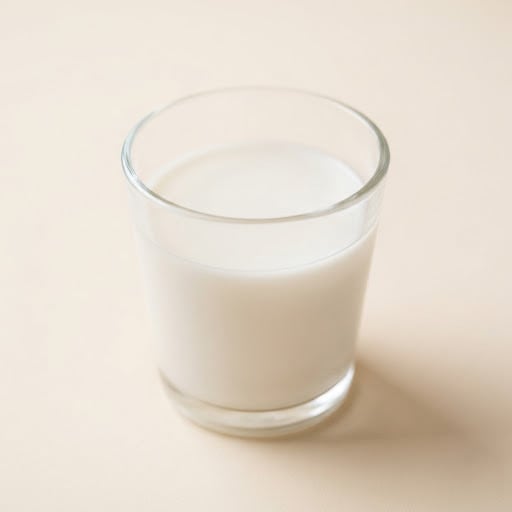
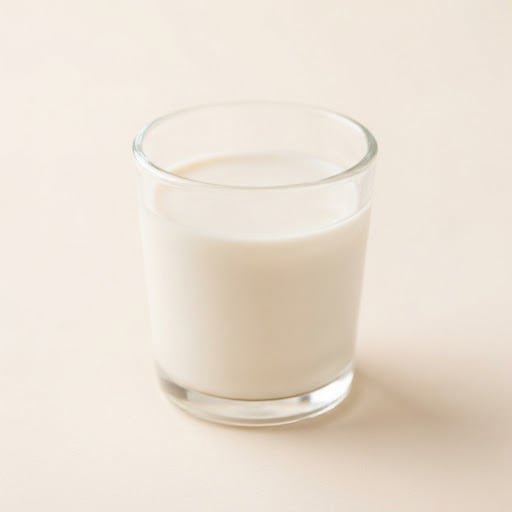
Rice milk is best avoided as a drink for babies and young children. Rice milk is low in protein and fat and can contain inorganic arsenic, and the UK's NHS advises against rice drinks for children under 5. Breast milk or formula is the main drink before 12 months, and whole cow's milk or fortified soy milk is the usual choice after that.
How to serve rice milk by age
Shapes and textures change as your baby’s grasp and chewing grow.

6 months
Do not offer rice milk as a drink. Use breast milk or formula to thin purees, mix iron-fortified cereals and make smooth foods.

7–8 months
Still no rice milk as a drink or regular ingredient. Keep using breast milk or formula to mix thicker cereals and lumpier mashes, with breast milk or formula as your baby's main drink.

9–12 months
Keep using breast milk or formula as the main milk and in cooking. A small splash of rice milk baked into a family recipe now and then is not a concern, but it should not be a regular part of the diet.

12 months +
Offer whole cow's milk, or fortified unsweetened soy milk if your child cannot have dairy, as the main milk. If rice milk is the only option for your family, talk to your pediatrician or a dietitian about how to cover protein, fat and other nutrients.
Why it’s good
Rice milk is mostly water and rice starch, so it is low in protein and fat, which toddlers need for growth and brain development. Some brands are fortified with calcium and vitamin D, but rice milk still cannot replace breast milk, formula or whole cow's milk. Rice drinks can also contain inorganic arsenic, which is a concern for young children.
Safety notes
- Do not use rice milk as a substitute for breast milk or formula before 12 months.
- Rice drinks can contain inorganic arsenic. The NHS advises against rice drinks for children under 5.
- Rice milk is low in protein and fat. Children who drink it instead of dairy or soy milk can miss out on nutrients they need to grow.
- Many rice milks are sweetened. If an older child does have it, choose unsweetened and fortified with calcium and vitamin D.
- If your child has a milk allergy, ask your pediatrician or a dietitian which milk alternative is right for them.
A low-allergy food, still worth watching
Rice milk is not one of the Top 9 allergens, and rice allergy is rare. Check labels, since some brands are made in facilities that also process nuts or soy.
Rice milk for babies: questions parents ask
Quick answers about rice milk for babies and toddlers.
When can babies have rice milk?
Rice milk is best avoided as a drink for babies and young children. The NHS advises against rice drinks for children under 5 because of arsenic, and rice milk is too low in protein and fat for growing children.
Can babies drink rice milk?
Babies should not drink rice milk. Breast milk or formula is the main drink before 12 months, and whole cow's milk or fortified soy milk is the usual choice after that.
Is rice milk a choking hazard for babies?
Rice milk is a liquid and is a low choking risk. The concern with rice milk is nutrition and arsenic, not choking.
Is rice milk a common allergen?
Rice milk is not a common allergen, and rice allergy is rare. Rice milk is often chosen by families avoiding dairy, soy and nuts, but it is still not a good main drink for young children.
How do I serve rice milk to a 6 month old?
Rice milk should not be served to a 6 month old as a drink or as a substitute for breast milk or formula. Use breast milk or formula to mix cereals and thin purees instead.
Why is rice milk not recommended for toddlers?
Rice milk is not recommended for toddlers because it is low in protein and fat and can contain inorganic arsenic. Whole cow's milk or fortified soy milk provides more of what toddlers need.
What milk alternative is best for a toddler with a dairy allergy?
Fortified unsweetened soy milk is the plant milk most often recommended for toddlers with a dairy allergy, since it has protein similar to cow's milk. A pediatrician or dietitian can help choose the right option for your child.
Can I cook with rice milk for my baby?
A small splash of rice milk in an occasional family recipe is not a concern for babies. Rice milk should not be used regularly in baby food or as the main milk in cooking.
The takeaway
- Rice milk is best avoided as a drink for babies and young children.
- Do not offer rice milk as a drink.
- Choking risk is low. Not a Top 9 allergen, but offer a small amount first and watch for any reaction.
Read next


Sources
This guide follows current advice from these organizations.
- Starting Solid Foods American Academy of Pediatrics (HealthyChildren.org)
- When, What, and How to Introduce Solid Foods Centers for Disease Control and Prevention
- Choking Hazards Centers for Disease Control and Prevention
- Recommended Drinks for Young Children Ages 0-5 American Academy of Pediatrics (HealthyChildren.org)
- Foods and Drinks to Avoid or Limit Centers for Disease Control and Prevention
- What You Can Do to Limit Exposure to Arsenic U.S. Food and Drug Administration
Recipes with rice milk

Track every new food in your baby’s passport
Track the first 100 foods and the Top 9 allergens. 7 days free.
More drinks and extras for babies
Updated November 2026. Reviewed by our dietitians. Based on AAP, CDC and NIAID guidance. Written for healthy, full-term babies; not a substitute for your pediatrician. If your baby was born early, has a medical condition, feeding difficulties or a known allergy, check with them first (medical disclaimer). Always stay with your baby while they eat.