
Drinks & extras Food Library
When can babies have soy milk?
Can babies have soy milk?
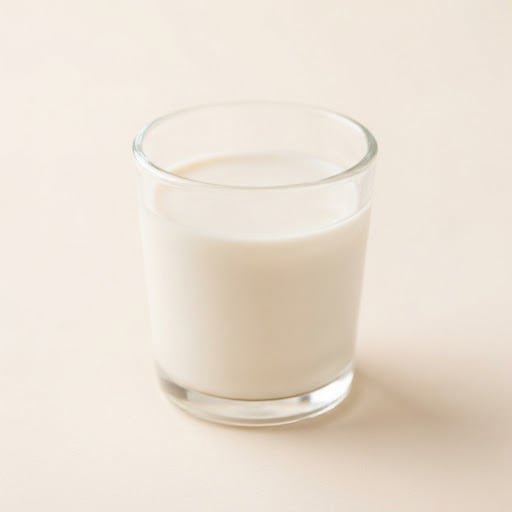
Babies can have soy milk as a drink from 12 months, choosing an unsweetened, fortified version. Before 12 months, soy milk can be used in small amounts as an ingredient in cooking, but it should not replace breast milk or formula. Soy is a common allergen.
How to serve soy milk by age
Shapes and textures change as your baby’s grasp and chewing grow.

6 months
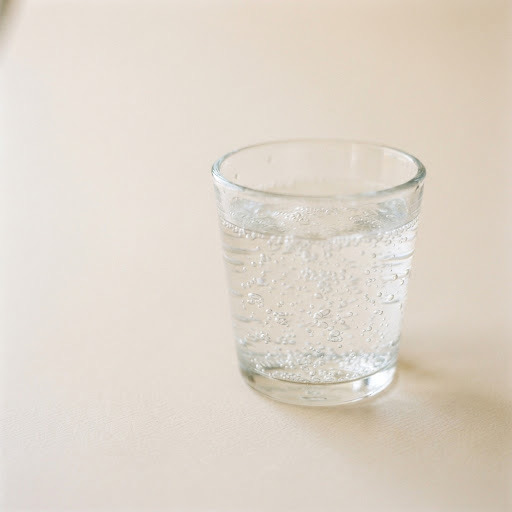
Do not offer soy milk as a drink yet. Breast milk or infant formula stays the main drink, and you can use a small amount of unsweetened soy milk in cooking, such as in smooth oatmeal or mashed potato served on a spoon.

7–8 months
Still keep soy milk out of the cup. Use a little unsweetened soy milk as an ingredient in thicker porridge, soft pancakes or lumpy mashed vegetables, and offer small sips of water with meals.

9–12 months
Keep using soy milk only as an ingredient in foods like porridge, muffins or sauces. Offer water in an open cup with meals.

12 months +
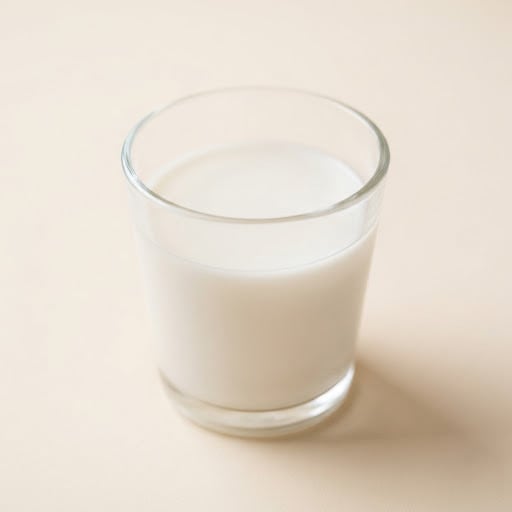
From 12 months, toddlers can drink unsweetened soy milk fortified with calcium and vitamin D from an open or straw cup. Offer it with meals and snacks, and stay within about 16 to 24 ounces of milk a day.
Why it’s good
Fortified soy milk gives toddlers protein, calcium, vitamin D and often vitamin B12, close to cow's milk. It is the plant milk recommended by US dietary guidelines as an alternative to dairy milk. Soy milk also has some iron, though it is less well absorbed than iron from meat.
Safety notes
- Soy milk is not a replacement for breast milk or infant formula before 12 months. Soy infant formula is a different product made for babies.
- Choose unsweetened soy milk fortified with calcium and vitamin D. Sweetened and flavored soy milks contain added sugar.
- Too much milk of any kind can crowd out solid foods and lower iron intake. Keep total milk to about 16 to 24 ounces a day for toddlers.
- Other plant milks like almond, oat and rice milk are much lower in protein and are not good main milks for toddlers. Rice milk can contain arsenic.
- Refrigerate soy milk after opening and use it within the time on the carton.
Introduce soy milk on its own, then keep it in
Soy is one of the Top 9 allergens. Introduce soy through food first, watch for hives, vomiting or swelling, and keep soy in the diet once tolerated. Some babies with cow's milk allergy also react to soy, so talk to your pediatrician before using soy milk as a dairy swap.
Soy milk for babies: questions parents ask
Quick answers about soy milk for babies and toddlers.
When can babies have soy milk?
Babies can have soy milk as a drink from 12 months. Before 12 months, soy milk can be used in small amounts in cooking, but breast milk or formula should remain the main drink.
Can babies drink soy milk?
Babies under 12 months should not drink soy milk in place of breast milk or formula. After 12 months, toddlers can drink unsweetened, fortified soy milk.
Is soy milk a choking hazard for babies?
Soy milk is a low choking risk because it is a liquid. Offer soy milk in an open cup or straw cup and help your toddler take small sips.
Is soy milk a common allergen?
Yes, soy milk is a common allergen because it is made from soybeans. Introduce soy in a small amount and watch for signs of an allergic reaction.
How do I serve soy milk to a 6 month old?
Soy milk should not be served as a drink to a 6 month old. A small amount of unsweetened soy milk can be cooked into oatmeal, pancakes or mashed vegetables instead.
Is soy milk a good replacement for cow's milk for toddlers?
Unsweetened soy milk fortified with calcium and vitamin D is the best plant-based swap for cow's milk for toddlers. Soy milk has similar protein to cow's milk, unlike most other plant milks.
How much soy milk can a toddler drink?
A toddler can drink about 16 to 24 ounces of soy milk or other milk a day. More than that can fill your toddler up and leave less room for iron-rich foods.
Is soy milk safe for boys or hormones?
Soy milk is considered safe for toddlers of any sex as part of a normal diet. The plant compounds in soy have not been shown to harm children's hormones at usual food amounts.
Can babies with a cow's milk allergy drink soy milk?
Some toddlers with a cow's milk allergy can drink soy milk after 12 months, but a portion of them also react to soy. Ask your pediatrician or allergist before switching to soy milk.
Is soy milk bad for babies?
Soy milk is not bad for babies, but it should not be a main drink before 12 months or replace breast milk or formula. A small amount of unsweetened soy milk is fine in cooking from 6 months. From 12 months, unsweetened soy milk fortified with calcium and vitamin D can be a toddler's milk.
Is soy formula the same as soy milk?
No, soy-based infant formula is a different product from regular soy milk. Soy formula is made to meet a baby's full nutritional needs, while store-bought soy milk is not suitable as a baby's main drink before 12 months. Talk to your pediatrician before switching to soy formula.
Can soy milk cause constipation in babies?
Some babies and toddlers do get firmer stools with soy milk, as with other milks, especially when they drink a lot and eat less fiber. Keep toddler milk to about 16 to 24 ounces a day and offer fruits, vegetables, beans and water. Call your pediatrician if constipation lasts or your child seems uncomfortable.
The takeaway
- Babies can have soy milk as a drink from 12 months, choosing an unsweetened, fortified version.
- From 12 months, toddlers can drink unsweetened soy milk fortified with calcium and vitamin D from an open or straw cup.
- Choking risk is low. Soy is one of the Top 9 allergens: offer a small amount first, watch for a reaction, then keep it in the diet regularly.
Read next


Sources
This guide follows current advice from these organizations.
- Starting Solid Foods American Academy of Pediatrics (HealthyChildren.org)
- When, What, and How to Introduce Solid Foods Centers for Disease Control and Prevention
- Choking Hazards Centers for Disease Control and Prevention
- Recommended Drinks for Young Children Ages 0-5 American Academy of Pediatrics (HealthyChildren.org)
- Foods and Drinks to Avoid or Limit Centers for Disease Control and Prevention
- What You Can Do to Limit Exposure to Arsenic U.S. Food and Drug Administration
- Iron Centers for Disease Control and Prevention
- Dietary Guidelines for Americans, 2020-2025 U.S. Department of Agriculture and HHS
- The Effects of Early Nutritional Interventions on the Development of Atopic Disease in Infants and Children Greer FR, Sicherer SH, Burks AW; American Academy of Pediatrics. Pediatrics. 2019;143(4):e20190281
Track every new food in your baby’s passport
Track the first 100 foods and the Top 9 allergens. 7 days free.
More drinks and extras for babies
Updated November 2026. Reviewed by our dietitians. Based on AAP, CDC and NIAID guidance. Written for healthy, full-term babies; not a substitute for your pediatrician. If your baby was born early, has a medical condition, feeding difficulties or a known allergy, check with them first (medical disclaimer). Always stay with your baby while they eat.