
Drinks & extras Food Library
When can babies have soy sauce?
Can babies have soy sauce?
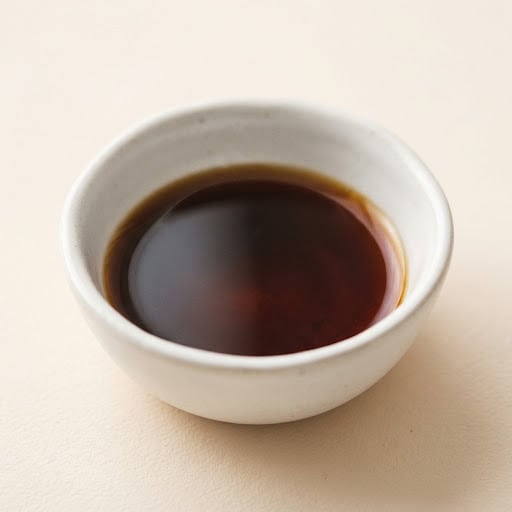
Babies can have soy sauce from about 6 months only as a few drops cooked into a family dish, ideally a low-sodium version. Soy sauce is extremely salty, so do not use it as a dip or pour it on baby food. Most soy sauce contains both soy and wheat, two common allergens.
How to serve soy sauce by age
Shapes and textures change as your baby’s grasp and chewing grow.

6 months
Leave soy sauce out of baby-only food. If the family dish uses soy sauce, add only a few drops of low-sodium soy sauce to a large batch, and blend your baby's portion of rice, vegetables or protein smooth before offering it on a spoon.

7–8 months
Keep soy sauce to a few drops of low-sodium sauce in a large shared batch, such as soft rice, minced chicken or mashed tofu with vegetables. Set aside your baby's portion before adding more soy sauce, and never offer it as a dip.

9–12 months
Keep soy sauce to small amounts cooked into stir-fries, noodles or marinades. Set aside your baby's portion before adding extra soy sauce at the table.

12 months +
Toddlers can eat family foods seasoned with soy sauce in moderation. Use low-sodium soy sauce, dilute dipping sauce with water, and let your toddler dip rather than pour.
Why it’s good
Soy sauce adds flavor rather than nutrition. Even a teaspoon of regular soy sauce has a large share of the sodium a toddler should have in a whole day. Using it sparingly lets babies taste family foods without too much salt.
Safety notes
- Soy sauce is very high in sodium. Babies' kidneys cannot handle much salt, so keep it to drops cooked into shared dishes before 12 months.
- Choose low-sodium soy sauce, which has much less sodium than regular, and still use it sparingly.
- Do not give babies soy sauce as a dip or drizzle. Dilute it with water for toddlers.
- Most soy sauce contains wheat. Tamari is often wheat free, and coconut aminos are soy free and lower in sodium, but read every label.
- Keep bottles out of reach. Drinking a large amount of soy sauce can cause dangerous salt poisoning in small children.
Introduce soy sauce on its own, then keep it in
Soy sauce contains soy, and most brands also contain wheat, both Top 9 allergens. Introduce soy and wheat through other foods first if you can, and watch for hives, vomiting or swelling when soy sauce is new.
Soy sauce for babies: questions parents ask
Quick answers about soy sauce for babies and toddlers.
When can babies have soy sauce?
Babies can have soy sauce from about 6 months only as a few drops cooked into a family meal. Low-sodium soy sauce is the better choice, and it should never be served as a dip for babies.
Can babies have soy sauce?
Babies can eat foods cooked with a very small amount of soy sauce. Soy sauce on its own or as a dipping sauce is too salty for babies.
Is soy sauce a choking hazard for babies?
Soy sauce is a low choking risk because it is a liquid seasoning. The bigger concern with soy sauce is its very high salt content.
Is soy sauce a common allergen?
Yes, soy sauce contains common allergens. Soy sauce is made from soybeans and usually wheat, both among the Top 9 food allergens.
How do I serve soy sauce to a 6 month old?
Soy sauce does not need to be served to a 6 month old on its own. If the family meal uses soy sauce, add only a few drops of low-sodium soy sauce to the whole batch before setting aside your baby's portion.
How much sodium is in soy sauce?
Regular soy sauce has close to 1,000 milligrams of sodium per tablespoon, and low-sodium versions have roughly 40 percent less. Babies under 12 months need very little sodium, so a few drops spread over a whole dish is plenty.
Is tamari or coconut aminos better for babies?
Tamari is often wheat free but is about as salty as regular soy sauce. Coconut aminos are soy free and lower in sodium, making them a gentler option, though they still contain added sugar and salt.
Can toddlers have soy sauce with sushi?
Toddlers can have a little low-sodium soy sauce with cooked sushi rolls, diluted with water. Let your toddler dip lightly rather than soak the food.
The takeaway
- Babies can have soy sauce from about 6 months only as a few drops cooked into a family dish, ideally a low-sodium version.
- Leave soy sauce out of baby-only food.
- Choking risk is low. Soy is one of the Top 9 allergens: offer a small amount first, watch for a reaction, then keep it in the diet regularly.
Read next


Sources
This guide follows current advice from these organizations.
- Starting Solid Foods American Academy of Pediatrics (HealthyChildren.org)
- When, What, and How to Introduce Solid Foods Centers for Disease Control and Prevention
- Choking Hazards Centers for Disease Control and Prevention
- Recommended Drinks for Young Children Ages 0-5 American Academy of Pediatrics (HealthyChildren.org)
- Foods and Drinks to Avoid or Limit Centers for Disease Control and Prevention
- The Effects of Early Nutritional Interventions on the Development of Atopic Disease in Infants and Children Greer FR, Sicherer SH, Burks AW; American Academy of Pediatrics. Pediatrics. 2019;143(4):e20190281
Track every new food in your baby’s passport
Track the first 100 foods and the Top 9 allergens. 7 days free.
More drinks and extras for babies
Updated November 2026. Reviewed by our dietitians. Based on AAP, CDC and NIAID guidance. Written for healthy, full-term babies; not a substitute for your pediatrician. If your baby was born early, has a medical condition, feeding difficulties or a known allergy, check with them first (medical disclaimer). Always stay with your baby while they eat.