
Drinks & extras Food Library
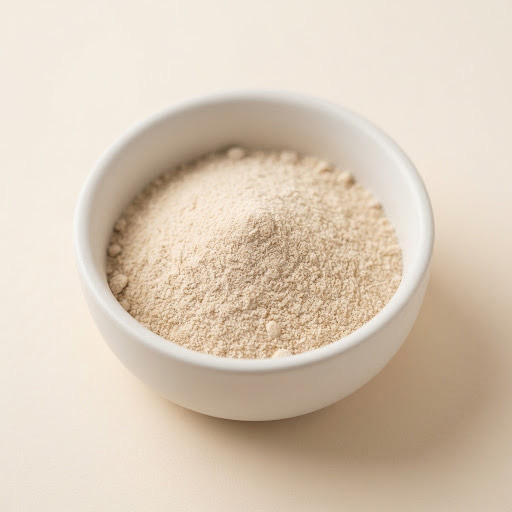
When can babies have protein powder?
Can babies have protein powder?
Protein powder is not recommended for babies or toddlers. Children get all the protein they need from breast milk, formula and everyday foods like dairy, eggs, meat, beans and grains. Protein powders are supplements that can contain too much protein, added sugar, sweeteners, caffeine or heavy metals. Talk to your pediatrician if you worry about your child’s growth.
How to serve protein powder by age
Shapes and textures change as your baby’s grasp and chewing grow.

6 months
Skip protein powder. Breast milk or formula plus first foods like smooth purees of meat, lentils and beans, and plain yogurt, cover your baby's protein needs.

7–8 months
Keep skipping protein powder. Breast milk or formula plus foods like minced meat, mashed eggs, lentils, yogurt and beans give your baby all the protein they need.

9–12 months
Keep skipping protein powder. If your baby is a picky eater, offer small amounts of protein at each meal, such as egg, fish, tofu, cheese or nut butter thinned on toast.

12 months +
Toddlers do not need protein powder. A smoothie with plain yogurt, milk or a spoon of nut butter gives protein from real food. Use powders only if a pediatrician or dietitian advises a specific product.
Why it’s good
Protein powder has no real benefit for a healthy baby or toddler. Young children need only small amounts of protein, roughly 11 grams a day at 7–12 months and 13 grams a day at 1 to 3 years, and most get more than this from food. Whole foods also bring iron, zinc, fats and fiber that a powder does not.
Safety notes
- Protein powders are dietary supplements and are not tightly regulated. Tests have found lead, cadmium and arsenic in some brands.
- Too much protein adds work for a young child’s kidneys and can crowd out other foods.
- Many powders contain added sugar, sweeteners, caffeine, herbs or stimulants that are not safe for children.
- Most powders contain allergens such as milk (whey or casein), soy, egg or nuts. Never use a powder to introduce an allergen.
- Do not replace breast milk, formula or toddler meals with protein shakes. If you worry about growth, ask your pediatrician.
Never use a powder to introduce an allergen
Whey and casein powders are made from milk, one of the Top 9 allergens, and many plant powders contain soy, pea or nuts. Introduce allergens through plain foods like yogurt, egg and peanut butter, not through powders.
Protein powder for babies: questions parents ask
Quick answers about protein powder for babies and toddlers.
Can babies have protein powder?
No. Protein powder is not recommended for babies. Breast milk or formula plus first foods give a baby all the protein they need.
Can toddlers have protein powder?
Toddlers do not need protein powder. Most toddlers already get more protein than they need from milk, yogurt, eggs, meat and beans. Only use a powder if a pediatrician or dietitian advises it.
How much protein does a baby need?
Babies 7–12 months need about 11 grams of protein a day, and toddlers 1 to 3 years about 13 grams a day. A cup of milk and an egg alone provide about 14 grams.
Is protein powder safe for children?
Protein powders are supplements and may contain heavy metals, caffeine, sweeteners or herbs. They are not recommended for young children unless a doctor advises them.
Can I add protein powder to my toddler’s smoothie?
It is better to use whole foods. Plain yogurt, milk, nut butter, oats or silken tofu add protein to a smoothie without the risks of a supplement.
My toddler is a picky eater. Should I use protein powder?
Usually not. Picky eaters often get more protein than parents think. Offer a small protein food at each meal, and ask your pediatrician if you are worried about growth.
Is pea or plant protein powder safer for babies?
Plant powders are still supplements and can contain heavy metals or allergens like soy and pea. They are not recommended for babies or toddlers.
Is collagen powder safe for toddlers?
Collagen powder is not needed for toddlers and is not well studied in young children. Whole foods like meat, fish, eggs and bone broth are better choices.
Is protein powder bad for toddlers?
Protein powder is not recommended for toddlers, because most already get more protein than they need from milk, yogurt, eggs, meat and beans. Powders are loosely regulated supplements that can contain heavy metals, added sugar, caffeine or too much protein, so use one only if your pediatrician or dietitian advises it.
The takeaway
- Protein powder is not recommended for babies or toddlers.
- Skip protein powder.
- Choking risk is low. Dairy is one of the Top 9 allergens: offer a small amount first, watch for a reaction, then keep it in the diet regularly.
Read next

Sources
This guide follows current advice from these organizations.
- Starting Solid Foods American Academy of Pediatrics (HealthyChildren.org)
- When, What, and How to Introduce Solid Foods Centers for Disease Control and Prevention
- Choking Hazards Centers for Disease Control and Prevention
- Recommended Drinks for Young Children Ages 0-5 American Academy of Pediatrics (HealthyChildren.org)
- Foods and Drinks to Avoid or Limit Centers for Disease Control and Prevention
- What You Can Do to Limit Exposure to Arsenic U.S. Food and Drug Administration
- Dietary Guidelines for Americans, 2020-2025 U.S. Department of Agriculture and HHS
- The Effects of Early Nutritional Interventions on the Development of Atopic Disease in Infants and Children Greer FR, Sicherer SH, Burks AW; American Academy of Pediatrics. Pediatrics. 2019;143(4):e20190281
Track every new food in your baby’s passport
Track the first 100 foods and the Top 9 allergens. 7 days free.
More drinks and extras for babies
Updated November 2026. Reviewed by our dietitians. Based on AAP, CDC and NIAID guidance. Written for healthy, full-term babies; not a substitute for your pediatrician. If your baby was born early, has a medical condition, feeding difficulties or a known allergy, check with them first (medical disclaimer). Always stay with your baby while they eat.