
Drinks & extras Food Library
When can babies have soda?
Can babies have soda?
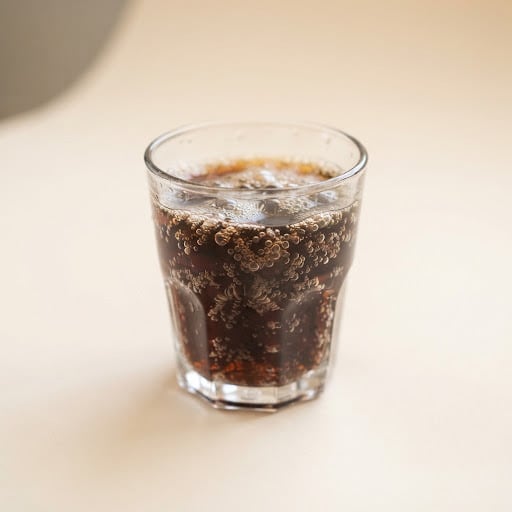
Soda is best avoided for babies and toddlers. Regular soda is packed with added sugar, many sodas contain caffeine, and diet sodas use artificial sweeteners, none of which young children need. Offer breast milk or formula to babies, and water and milk to toddlers instead, and keep soda as a rare treat for older kids, if at all.
How to serve soda by age
Shapes and textures change as your baby’s grasp and chewing grow.

6 months
Do not give soda. Babies this age need only breast milk or formula as their drink, plus small sips of water from an open or straw cup with meals.

7–8 months
Still no soda. Breast milk or formula stays the main drink, with a few sips of water from an open or straw cup at meals to practice cup skills.

9–12 months
Do not give soda. Keep offering water with meals, and let your baby practice with an open cup.

12 months +
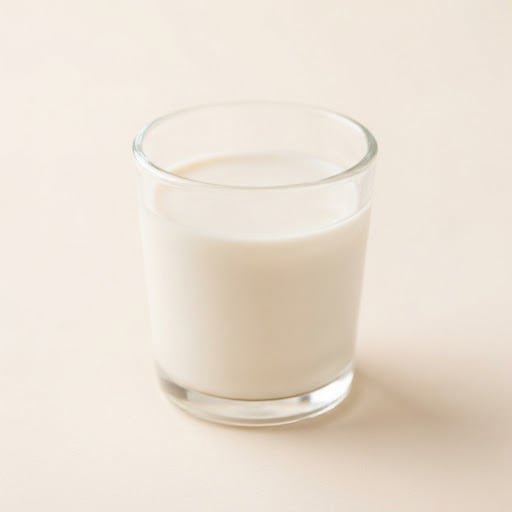
Soda is still best avoided for toddlers. Offer water and plain whole milk, and if you want something fizzy for an older child, try plain sparkling water with a squeeze of fruit. Keep any soda for rare occasions in later childhood.
Why it’s good
Soda offers no useful nutrition for babies or toddlers. Regular soda adds a lot of sugar in a single can, and drinking it can fill small tummies and crowd out milk and nutritious foods. Colas and some other sodas also contain caffeine and phosphoric acid.
Safety notes
- Soda has a lot of added sugar. Health guidelines advise no added sugar before age 2, and sugary drinks are linked to tooth decay and excess weight in children.
- Many colas, root beers and citrus sodas contain caffeine, which is not recommended for young children and can affect sleep and mood.
- Diet and zero-sugar sodas contain artificial sweeteners and acids. They are not a healthy swap for young children.
- The acids in soda, even sugar-free kinds, can wear down tooth enamel. Never put soda in a bottle or sippy cup.
- Fizzy drinks can fill up a toddler and cause gas or bloating, leaving less room for food and milk.
A low-allergy food, still worth watching
Soda is not a common allergen. Some sodas contain dyes, sulfites or other additives that rarely cause reactions, so check labels if your child has sensitivities.
Soda for babies: questions parents ask
Quick answers about soda for babies and toddlers.
When can babies have soda?
Soda is best avoided for babies and toddlers, and there is no age when children need it. If soda is offered later in childhood, keep it as a rare treat rather than a regular drink.
Can babies drink soda?
No, babies should not drink soda. Babies under 12 months need breast milk or formula and small amounts of water, and soda adds sugar, acid and sometimes caffeine with no benefits.
Is soda a choking hazard for babies?
Soda is not a classic choking hazard, but the bubbles can make young children cough or sputter. Soda is best avoided for babies and toddlers for nutrition reasons anyway.
Is soda a common allergen?
No, soda is not a common allergen. Some sodas contain food dyes, preservatives or caffeine that may bother sensitive children, which is one more reason to skip soda for little ones.
What should I give a 6 month old instead of soda?
Instead of soda, a 6 month old should have breast milk or formula as their main drink, plus a few sips of water from an open or straw cup with meals. Babies do not need any other drinks.
Is diet soda okay for toddlers?
Diet soda is not recommended for toddlers. Diet soda contains artificial sweeteners, acids and often caffeine, and it keeps children used to very sweet drinks.
Does soda have caffeine?
Many sodas, including colas, some root beers and many citrus sodas, contain caffeine. Caffeine is not recommended for young children, so avoid soda and check labels on any fizzy drink.
Can soda cause tooth decay in toddlers?
Yes, soda can cause tooth decay in toddlers because sugar feeds mouth bacteria and the acid softens enamel. Even sugar-free soda is acidic, so water and plain milk are the best drinks for little teeth.
My toddler had a sip of soda. Should I worry?
A single sip of soda is not dangerous for a toddler. Simply offer water afterward, and try to keep soda out of reach and off the regular menu.
The takeaway
- Soda is best avoided for babies and toddlers.
- Do not give soda.
- Choking risk is low. Not a Top 9 allergen, but offer a small amount first and watch for any reaction.
Read next


Sources
This guide follows current advice from these organizations.
- Starting Solid Foods American Academy of Pediatrics (HealthyChildren.org)
- When, What, and How to Introduce Solid Foods Centers for Disease Control and Prevention
- Choking Hazards Centers for Disease Control and Prevention
- Recommended Drinks for Young Children Ages 0-5 American Academy of Pediatrics (HealthyChildren.org)
- Foods and Drinks to Avoid or Limit Centers for Disease Control and Prevention
- Dietary Guidelines for Americans, 2020-2025 U.S. Department of Agriculture and HHS
Track every new food in your baby’s passport
Track the first 100 foods and the Top 9 allergens. 7 days free.
More drinks and extras for babies
Updated November 2026. Reviewed by our dietitians. Based on AAP, CDC and NIAID guidance. Written for healthy, full-term babies; not a substitute for your pediatrician. If your baby was born early, has a medical condition, feeding difficulties or a known allergy, check with them first (medical disclaimer). Always stay with your baby while they eat.