
Drinks & extras Food Library
When can babies have popsicles?
Can babies have popsicles?
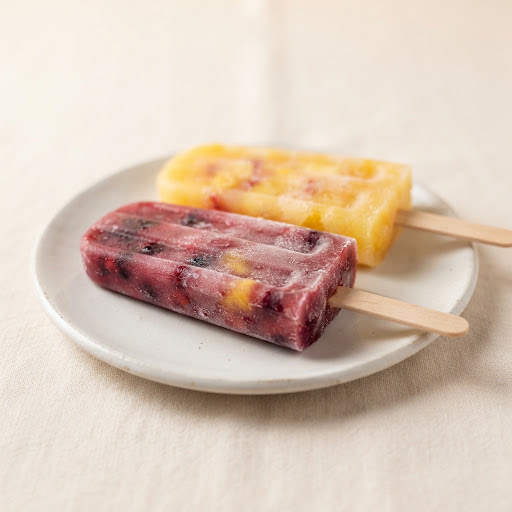
Babies can have homemade popsicles made from blended fruit, plain yogurt or breast milk from about 6 months. Store-bought popsicles with added sugar, juice or artificial colors are best saved until after 2 years. Always hold or watch closely, since chunks of ice can break off.
How to serve popsicles by age
Shapes and textures change as your baby’s grasp and chewing grow.

6 months
Freeze breast milk, formula, plain yogurt or smooth fruit puree in a small mold or container. Scrape it into a soft slush and offer it on a spoon; popsicles your baby grips come later.

7–8 months
Freeze breast milk, formula, plain yogurt or smooth fruit puree in a baby-size popsicle mold with a thick handle. Let your baby grip the handle, with your help if needed, and lick and gum the popsicle for a few minutes.

9–12 months
Offer homemade popsicles made with blended fruit and plain yogurt in small molds. Take the popsicle away if a large chunk breaks off, and wipe up melting drips to keep the high chair less slippery.

12 months +
Toddlers can hold their own homemade popsicles made with fruit, yogurt or a mix of fruit and veggies like spinach. After 2 years, a store-bought fruit popsicle is fine now and then, ideally one with no added sugar.
Why it’s good
Homemade popsicles take on the nutrition of what goes into them: fruit adds vitamin C and fiber, yogurt adds protein and calcium, and breast milk or formula adds the usual nutrients. They can also help with hydration on hot days. Store-bought popsicles are mostly sugar, water and colorings and offer little nutrition.
Safety notes
- Use a mold with a wide, sturdy handle and avoid wooden sticks that can splinter or be chewed. Check the handle is firmly attached.
- Chunks of ice can break off and pose a choking risk. Stay close, keep your baby seated upright, and remove large pieces.
- Avoid juice, sugar, honey and sweetened yogurt in popsicles for babies. Honey is never safe before 12 months.
- Keep sessions short. Very cold food on gums for a long time can be uncomfortable, so a few minutes is enough.
- Do not use whole grapes, whole berries or chunks of fruit inside popsicles for babies, since they can come loose as the ice melts.
A low-allergy food, still worth watching
Popsicles are not a common allergen on their own, but ingredients like yogurt (dairy), nut butter or certain fruit blends can be. Use only ingredients your baby has already eaten safely.
Popsicles for babies: questions parents ask
Quick answers about popsicles for babies and toddlers.
When can babies have popsicles?
Babies can have homemade popsicles made from fruit puree, plain yogurt, breast milk or formula from about 6 months. Store-bought popsicles with added sugar are best saved for after 2 years.
Can babies have popsicles?
Yes, babies can eat homemade popsicles from 6 months when an adult is close by. Popsicles with added sugar, juice or artificial colors are best avoided before 2 years.
Are popsicles a choking hazard for babies?
Popsicles are a medium choking risk for babies because chunks of ice or fruit can break off as they melt. Use a sturdy baby mold, stay close, and remove any large pieces that come loose.
Are popsicles a common allergen?
Popsicles are not a common allergen by themselves, but ingredients like yogurt, milk or nut butter are. Only use ingredients your baby has already eaten without a reaction.
How do I serve popsicles to a 6 month old?
To serve popsicles to a 6 month old, freeze breast milk, formula or smooth fruit puree, then scrape it into a soft slush and offer it on a spoon. Popsicles your baby grips by the handle can follow at 7–8 months.
Are popsicles good for teething babies?
Popsicles can help soothe sore gums in teething babies because the cold numbs the area. Breast milk or fruit and yogurt popsicles are a gentle choice, served for short sessions with an adult close by.
Can I make breast milk popsicles?
Yes, breast milk popsicles are easy to make by freezing fresh or thawed breast milk in a baby popsicle mold. Use them within a few months and do not refreeze breast milk that has fully thawed.
Are store-bought popsicles okay for toddlers?
Store-bought popsicles are fine for toddlers over 2 as an occasional treat. Pick ones made from whole fruit with no added sugar or artificial colors when you can.
Can popsicles help a sick baby stay hydrated?
Homemade popsicles made with breast milk, formula or watered-down fruit puree can help a sick baby take in some fluid. They are not a replacement for breast milk or formula, so call your pediatrician if you notice signs of dehydration.
The takeaway
- Babies can have homemade popsicles made from blended fruit, plain yogurt or breast milk from about 6 months.
- Freeze breast milk, formula, plain yogurt or smooth fruit puree in a small mold or container.
- Choking risk is medium. Not a Top 9 allergen, but offer a small amount first and watch for any reaction.
Read next



Sources
This guide follows current advice from these organizations.
- Starting Solid Foods American Academy of Pediatrics (HealthyChildren.org)
- When, What, and How to Introduce Solid Foods Centers for Disease Control and Prevention
- Choking Hazards Centers for Disease Control and Prevention
- Choking Prevention American Academy of Pediatrics (HealthyChildren.org)
- Recommended Drinks for Young Children Ages 0-5 American Academy of Pediatrics (HealthyChildren.org)
- Foods and Drinks to Avoid or Limit Centers for Disease Control and Prevention
- Dietary Guidelines for Americans, 2020-2025 U.S. Department of Agriculture and HHS
Track every new food in your baby’s passport
Track the first 100 foods and the Top 9 allergens. 7 days free.
More drinks and extras for babies
Updated November 2026. Reviewed by our dietitians. Based on AAP, CDC and NIAID guidance. Written for healthy, full-term babies; not a substitute for your pediatrician. If your baby was born early, has a medical condition, feeding difficulties or a known allergy, check with them first (medical disclaimer). Always stay with your baby while they eat.