
Drinks & extras Food Library
When can babies have prune juice?
Can babies have prune juice?
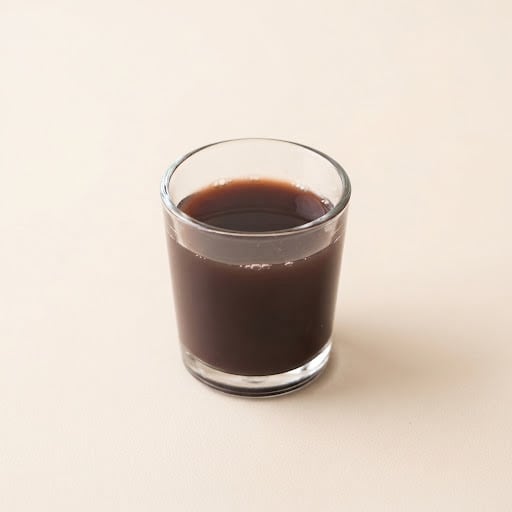
Prune juice is generally best saved for 12 months and up, in line with advice to skip juice in the first year. The exception is constipation: a pediatrician may suggest a small amount of 100% prune juice, often an ounce or two a day, for a baby over 6 months. For everyday eating, pureed prunes are a better choice because they keep the fiber.
How to serve prune juice by age
Shapes and textures change as your baby’s grasp and chewing grow.

6 months
Skip prune juice as a regular drink. For everyday eating, stir smooth pureed prunes into oatmeal or yogurt on a spoon. If your pediatrician recommends juice for constipation, mix the suggested small amount of 100% prune juice, often 1 to 2 ounces a day, with water in an open or straw cup.

7–8 months
Prune juice is still only for constipation, in the small amount your pediatrician suggests, diluted with water in an open or straw cup. Thicker mashed prunes, pears or plums stirred into oatmeal are a gentler everyday way to keep poop soft.

9–12 months
Prune juice is still only for constipation at this age, in small amounts your pediatrician suggests. Pureed or finely chopped soft prunes, pears and plums are a gentler everyday way to keep poop soft.

12 months +
Toddlers can have 100% prune juice in an open cup with a meal, counting toward the daily juice limit of no more than 4 ounces for ages 1 to 3. Diluting it with water stretches it further and is easier on tummies.
Why it’s good
Prune juice contains sorbitol, a natural sugar alcohol that draws water into the gut and softens stool, plus potassium and some vitamin B6. Unlike whole prunes, it has little fiber. Prune juice also has natural sugar, so it is best used in small amounts.
Safety notes
- Do not give prune juice to babies under 12 months unless your pediatrician recommends it for constipation, and follow their amount.
- Too much prune juice can cause gas, cramps and diarrhea. Start with a small amount and wait a day before giving more.
- Choose 100% prune juice with no added sugar, and serve it in an open or straw cup, not a bottle, to protect teeth.
- Do not let your child sip prune juice throughout the day or at bedtime. Frequent sipping raises the risk of tooth decay.
- Call your pediatrician if constipation lasts more than a week, or comes with vomiting, a swollen belly, blood in stools or poor feeding.
A low-allergy food, still worth watching
Prune juice is not a common allergen, and reactions to plums and prunes are uncommon. Some children with birch pollen allergy react to stone fruits, so watch for itching around the mouth, hives or swelling.
Prune juice for babies: questions parents ask
Quick answers about prune juice for babies and toddlers.
When can babies have prune juice?
Babies can usually have prune juice from 12 months as part of the small daily juice allowance for toddlers. Before 12 months, prune juice should only be given for constipation and in the amount your pediatrician recommends.
Can babies drink prune juice?
Babies under 12 months can drink a little prune juice only when a pediatrician suggests it for constipation. For everyday nutrition, pureed prunes are better because they keep the fiber and fill your baby up.
Is prune juice a choking hazard for babies?
Prune juice is not a choking hazard because it is a thin liquid. Offer prune juice in small sips from an open or straw cup while your baby sits upright, as with any drink.
Is prune juice a common allergen?
No, prune juice is not a common allergen. Reactions to prunes and plums are rare, but a child with pollen-related food allergy may notice an itchy mouth.
How do I give prune juice to a 6 month old?
Prune juice for a 6 month old should only be given if your pediatrician recommends it for constipation. A common approach is to mix the suggested amount of 100% prune juice with an equal amount of water and offer it in an open or straw cup.
How much prune juice should I give a constipated baby?
If your pediatrician recommends prune juice for constipation, they will tell you how much; a common starting amount is 1 to 2 ounces a day of 100% prune juice, diluted with water., but ask your own doctor first. Start low, as too much prune juice can cause diarrhea.
How fast does prune juice work for babies?
Prune juice usually softens stools within a few hours to a day. If prune juice does not help after a day or two, or your baby seems uncomfortable or unwell, call your pediatrician.
Is prune juice or pureed prunes better for babies?
Pureed prunes are better for most babies because they keep the fiber and count as food, not juice. Prune juice acts faster for constipation but adds sugar without much fiber.
Should I dilute prune juice for my baby or toddler?
Diluting prune juice with water is a good idea for babies and toddlers. Mixing prune juice half and half with water lowers the sugar per sip and still helps soften stools.
Can prune juice cause acid reflux in babies?
Prune juice is acidic and may make spit-up or reflux symptoms worse in some babies, though it does not cause reflux disease. Babies under 12 months should only have prune juice if your pediatrician suggests it for constipation, in the small amount they advise. Tell your pediatrician if reflux gets worse.
The takeaway
- Prune juice is generally best saved for 12 months and up, in line with advice to skip juice in the first year.
- Toddlers can have 100% prune juice in an open cup with a meal, counting toward the daily juice limit of no more than 4 ounces for ages 1 to 3.
- Choking risk is low. Not a Top 9 allergen, but offer a small amount first and watch for any reaction.
Read next
Sources
This guide follows current advice from these organizations.
- Starting Solid Foods American Academy of Pediatrics (HealthyChildren.org)
- When, What, and How to Introduce Solid Foods Centers for Disease Control and Prevention
- Choking Hazards Centers for Disease Control and Prevention
- Recommended Drinks for Young Children Ages 0-5 American Academy of Pediatrics (HealthyChildren.org)
- Fruit Juice and Your Child's Diet American Academy of Pediatrics (HealthyChildren.org)
- Foods and Drinks to Avoid or Limit Centers for Disease Control and Prevention
- Dietary Guidelines for Americans, 2020-2025 U.S. Department of Agriculture and HHS
Track every new food in your baby’s passport
Track the first 100 foods and the Top 9 allergens. 7 days free.
More drinks and extras for babies
Updated November 2026. Reviewed by our dietitians. Based on AAP, CDC and NIAID guidance. Written for healthy, full-term babies; not a substitute for your pediatrician. If your baby was born early, has a medical condition, feeding difficulties or a known allergy, check with them first (medical disclaimer). Always stay with your baby while they eat.