
No. 71 · Veggies Passport food
When can babies have potatoes?
Can babies have potatoes?
Babies can have potatoes from about 6 months, as soon as they are ready for solids. Start with smooth mashed potato on a spoon, then offer lumpier mash and very soft wedges to hold from 7–8 months. Skip potato chips and salty fries, and never serve raw or undercooked potato.
How to serve potatoes by age
Shapes and textures change as your baby’s grasp and chewing grow.

6 months
Steam or boil peeled potatoes until very soft, then mash them completely smooth with breast milk, formula or a little unsalted butter, without salt. Offer it on a spoon or a pre-loaded spoon your baby can hold.

7–8 months
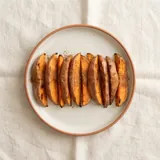
Mash potatoes more roughly so they have soft lumps, and stir in other vegetables or minced meat. You can also roast or steam potato wedges or sticks about the length of an adult finger until they squash easily between your thumb and finger, for baby to hold.

9–12 months
Offer soft, bite-size cubes of cooked potato for pincer-grasp practice, or let your baby scoop mashed potato with hands or a spoon. Leaving the well-cooked skin on adds fiber and makes pieces easier to grip.

12 months +
Toddlers can eat potatoes in all kinds of family meals, like baked potatoes, oven fries, potato salad and soups. Keep added salt low, serve oven-baked fries rather than fast-food fries, and hold off on hard potato chips.
Why it’s good
Potatoes give babies energy from carbohydrates, plus potassium, vitamin C, vitamin B6 and fiber, especially in the skin. Potatoes are filling and mild, and they carry iron-rich foods like meat, lentils and spinach well. Pair them with protein and vegetables rather than letting them fill the whole plate.
Safety notes
- Cook potatoes until very soft all the way through. Raw or undercooked potato is hard and can break into chunks that are a choking risk.
- Cut away any green patches, sprouts and eyes, and throw out potatoes that are very green or bitter. Green areas can contain solanine, which can upset the stomach.
- Avoid potato chips, crisps and hard, crunchy fries for babies. They are high in salt and can break into sharp, hard pieces.
- Cook potatoes to a golden color rather than dark brown or burnt when roasting or frying, which limits acrylamide, a compound that forms in starchy foods cooked at high heat.
- Cooked potato can harbor bacteria if left out. Refrigerate leftovers within 2 hours and reheat until steaming hot.
A low-allergy food, still worth watching
Potatoes are not a common allergen, and reactions are rare. Watch for hives, vomiting or swelling the first few times, and remember that toppings like butter, cheese or sour cream add dairy, a Top 9 allergen.
Potatoes for babies: questions parents ask
Quick answers about potatoes for babies and toddlers.
When can babies have potatoes?
Babies can have potatoes from about 6 months, as soon as they are ready for solids. Potatoes should be cooked until very soft and served as smooth mash at first, with soft wedges or sticks from about 7–8 months.
Can babies have potatoes?
Yes, babies can eat potatoes from 6 months. Soft cooked potatoes are filling and mild, starting as smooth mash on a spoon, and very soft wedges are easy for older babies to hold from about 7–8 months.
Are potatoes a choking hazard for babies?
Potatoes are a low choking risk for babies when they are cooked until very soft. Raw or undercooked potato, hard potato chips and crunchy fries are riskier, so cook potatoes fully and stay with your baby while they eat.
Are potatoes a common allergen?
No, potatoes are not a common allergen. Potato allergy is rare, but watch for hives, vomiting or swelling when you first offer potatoes, and remember that toppings like butter or cheese contain dairy.
How do I serve potatoes to a 6 month old?
To serve potatoes to a 6 month old, steam or boil peeled potatoes until very soft and mash them smooth with breast milk, formula or unsalted butter. Offer it on a spoon or a pre-loaded spoon. Soft potato wedges about the size of an adult finger can follow at 7–8 months.
Can babies have potato skin?
Babies can eat potato skin when it is well washed and cooked until soft. Potato skin adds fiber and helps with grip, but cut away any green spots, eyes or sprouts first, and peel it if your baby gags on it.
Can babies have french fries?
Babies can have homemade oven-baked potato wedges or fries made without added salt and cooked until soft inside. Fast-food and frozen fries are usually salty and can be hard and crunchy, so save them for an occasional treat after the toddler years begin.
Are green potatoes safe for babies?
Green potatoes are not safe to serve to babies as they are. Green areas and sprouts can contain solanine, which can upset the stomach, so cut them away completely and discard any potato that is very green or tastes bitter.
Are potatoes or sweet potatoes better for babies?
Potatoes and sweet potatoes are both healthy for babies, and it is best to offer both. Sweet potatoes are richer in vitamin A, while white potatoes provide potassium, vitamin C and vitamin B6.
The takeaway
- Babies can have potatoes from about 6 months, as soon as they are ready for solids.
- Steam or boil peeled potatoes until very soft, then mash them completely smooth with breast milk, formula or a little unsalted butter, without salt.
- Choking risk is low. Not a Top 9 allergen, but offer a small amount first and watch for any reaction.
Read next


Sources
This guide follows current advice from these organizations.
- Starting Solid Foods American Academy of Pediatrics (HealthyChildren.org)
- When, What, and How to Introduce Solid Foods Centers for Disease Control and Prevention
- Choking Hazards Centers for Disease Control and Prevention
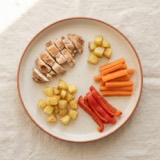
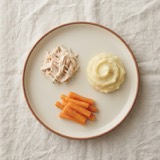
Recipes with potato
Stamp potato in your baby’s passport
Track the first 100 foods and the Top 9 allergens. 7 days free.
More vegetables for babies
Updated November 2026. Reviewed by our dietitians. Based on AAP, CDC and NIAID guidance. Written for healthy, full-term babies; not a substitute for your pediatrician. If your baby was born early, has a medical condition, feeding difficulties or a known allergy, check with them first (medical disclaimer). Always stay with your baby while they eat.