
No. 43 · Veggies Passport food
When can babies have pumpkin?
Can babies have pumpkin?
Babies can have pumpkin from about 6 months, as soon as they are ready for solids. Roast or steam pumpkin until it is soft enough to squash between your thumb and finger, then serve it as a smooth mash at 6 months and in soft wedges from 7–8 months. Plain canned pumpkin puree also works well, but skip pumpkin pie filling, which has added sugar and spices.
How to serve pumpkin by age
Shapes and textures change as your baby’s grasp and chewing grow.

6 months
Roast or steam peeled pumpkin until very soft, then mash or blend it smooth, thinning with a little breast milk or formula if needed. Serve it on a spoon or a preloaded spoon, or stir it into oatmeal or yogurt.

7–8 months
Mash soft pumpkin more roughly so it has small lumps, or offer wedges about the length and width of an adult finger that squash easily, for your baby to hold in a fist.

9–12 months
Cut soft cooked pumpkin into small cubes about the size of a chickpea for pincer-grasp practice. Mashed pumpkin also works as a spread on toast strips or stirred into pasta as a simple sauce.

12 months +
Serve soft pumpkin cubes, pumpkin soup, or pumpkin mixed into pancakes, muffins and risotto at family meals. Toddlers can practice scooping mashed pumpkin with a spoon.
Why it’s good
Pumpkin is rich in beta-carotene, which the body turns into vitamin A for healthy eyes, skin and immune function. Pumpkin also gives babies fiber, potassium and vitamin C, and its mild, sweet taste makes it an easy vegetable to accept. Pumpkin is not a meaningful iron source, so serve it with iron-rich foods like beans, meat or iron-fortified cereal; its vitamin C helps your baby absorb plant iron.
Safety notes
- Always cook pumpkin until very soft. Raw pumpkin is hard and crunchy and is a choking hazard for babies and young toddlers.
- Remove all the skin and the stringy seed pulp before serving. Pumpkin skin stays tough even after cooking.
- Whole pumpkin seeds (pepitas) are a choking hazard for babies and young children. Grind them finely into a powder and sprinkle on soft foods instead.
- Use plain canned pumpkin puree with pumpkin as the only ingredient. Pumpkin pie filling has added sugar and spices and is not a baby food.
- Do not cook or serve pumpkin that has been carved for decoration. Carved pumpkins sit out at room temperature and can grow bacteria and mold.
A low-allergy food, still worth watching
Pumpkin is not one of the Top 9 allergens and allergy to pumpkin flesh is rare. Pumpkin seeds cause allergies a little more often, so introduce ground seeds separately in a small amount and watch for hives, swelling or vomiting.
Pumpkin for babies: questions parents ask
Quick answers about pumpkin for babies and toddlers.
When can babies have pumpkin?
Babies can have pumpkin from about 6 months, as soon as they are ready to start solids. Pumpkin should be cooked until very soft and served as a smooth mash at first, then in large soft wedges your baby can grip from 7–8 months.
Can babies have pumpkin?
Yes, babies can eat pumpkin from 6 months, and pumpkin is a great first vegetable. Pumpkin is soft when cooked, naturally sweet, and full of vitamin A.
Is pumpkin a choking hazard for babies?
Pumpkin is a low choking risk for babies when it is cooked until very soft. Raw pumpkin and whole pumpkin seeds are choking hazards, so always cook the flesh, grind any seeds, and stay with your baby while they eat.
Is pumpkin a common allergen?
No, pumpkin is not a common allergen and is not one of the Top 9 allergens. Pumpkin seed allergy has been reported, so offer ground pumpkin seeds on their own the first time and watch for any reaction.
How do I serve pumpkin to a 6 month old?
To serve pumpkin to a 6 month old, roast or steam peeled pumpkin until it squashes easily between your fingers, then mash or blend it smooth and offer it on a spoon. Pumpkin puree also mixes well into oatmeal, yogurt or lentils; soft finger-length wedges can follow at 7–8 months.
Can babies have canned pumpkin?
Yes, babies can have canned pumpkin as long as the label lists pumpkin as the only ingredient. Canned pumpkin is a quick, smooth puree that works well on a spoon or mixed into other foods, but avoid canned pumpkin pie filling, which contains added sugar.
Can babies have pumpkin seeds?
Whole pumpkin seeds are a choking hazard for babies and toddlers, so do not serve them whole. Grind pumpkin seeds into a fine powder and sprinkle a little on yogurt, oatmeal or mashed fruit for extra iron and zinc.
Can babies have pumpkin pie or pumpkin bread?
Pumpkin pie and most pumpkin breads are high in added sugar, so they are best saved for after age 2 or kept to a tiny taste on special occasions. A homemade pumpkin muffin sweetened only with fruit is a better option for babies and young toddlers.
Can pumpkin turn my baby's skin orange?
Eating a lot of pumpkin, carrot or sweet potato can give a baby's skin a harmless yellow-orange tint, often on the nose, palms and soles. This is called carotenemia and fades when you offer a wider mix of foods, but check with your pediatrician if the whites of the eyes look yellow.
Does pumpkin help with baby constipation?
Pumpkin contains fiber and water, so it can help soften stools as part of a varied diet. Offer pumpkin alongside other high-fiber foods like pears, prunes and beans, plus small sips of water with meals.
Is pumpkin good for babies?
Yes, pumpkin is a great first vegetable for babies from about 6 months. It is soft when cooked, mildly sweet and rich in beta-carotene, which the body turns into vitamin A, plus fiber and potassium. Plain pumpkin puree, homemade or canned with pumpkin as the only ingredient, works well on a spoon.
Can babies eat raw pumpkin?
No, babies should not eat raw pumpkin, because it is hard and crunchy and a choking hazard. Roast or steam peeled pumpkin until it squashes easily between your thumb and finger, then mash it or cut soft wedges. Never cook or serve pumpkin that was carved for decoration.
The takeaway
- Babies can have pumpkin from about 6 months, as soon as they are ready for solids.
- Roast or steam peeled pumpkin until very soft, then mash or blend it smooth, thinning with a little breast milk or formula if needed.
- Choking risk is low. Not a Top 9 allergen, but offer a small amount first and watch for any reaction.
Read next


Sources
This guide follows current advice from these organizations.
- Starting Solid Foods American Academy of Pediatrics (HealthyChildren.org)
- When, What, and How to Introduce Solid Foods Centers for Disease Control and Prevention
- Choking Hazards Centers for Disease Control and Prevention
- Foods and Drinks to Avoid or Limit Centers for Disease Control and Prevention
- Iron Centers for Disease Control and Prevention
- Dietary Guidelines for Americans, 2020-2025 U.S. Department of Agriculture and HHS
Stamp pumpkin in your baby’s passport
Track the first 100 foods and the Top 9 allergens. 7 days free.
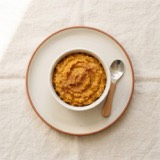
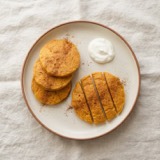
Recipes with pumpkin
More vegetables for babies
Updated November 2026. Reviewed by our dietitians. Based on AAP, CDC and NIAID guidance. Written for healthy, full-term babies; not a substitute for your pediatrician. If your baby was born early, has a medical condition, feeding difficulties or a known allergy, check with them first (medical disclaimer). Always stay with your baby while they eat.