
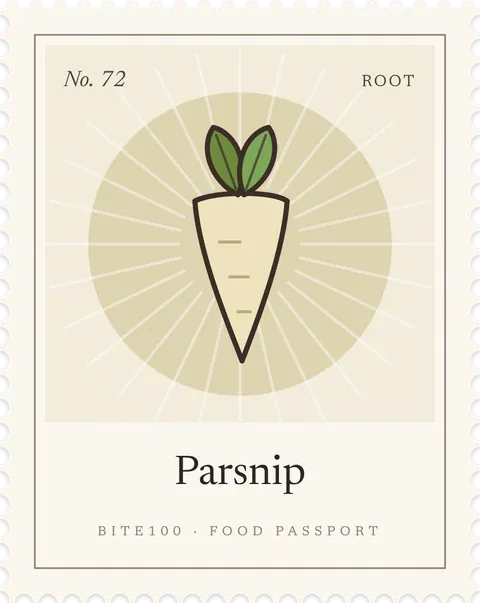
No. 72 · Veggies Passport food
When can babies have parsnips?
Can babies have parsnips?
Babies can have parsnips from about 6 months, as soon as they are ready for solids. Cooked until very soft, parsnip is naturally sweet and mashes smoothly, which makes it a great first vegetable, and soft roasted wedges can follow at 7–8 months. Raw or firm parsnip is hard and should not be offered to babies.
How to serve parsnips by age
Shapes and textures change as your baby’s grasp and chewing grow.

6 months
Peel the parsnip, cut out any woody core, and steam or roast it until very soft. Mash or blend it smooth with a little breast milk, formula or olive oil and offer it on a spoon or a preloaded spoon.

7–8 months
Fork-mash soft-cooked parsnip so it stays lumpy, or offer wedges about the length and width of an adult finger, roasted or steamed until a fork slides in with no resistance and the piece squashes between your thumb and finger.

9–12 months
Cut very soft cooked parsnip into small pieces about the size of a chickpea so baby can practice the pincer grasp. Mashed parsnip also works well stirred into lentils, oatmeal or shredded chicken.

12 months +
Serve soft roasted parsnip sticks or bite-size pieces with family meals, or try parsnip fries baked in the oven with no added salt. Keep raw parsnip off the menu until your child is a confident chewer, and even then grate it finely rather than serving sticks.
Why it’s good
Parsnips give babies fiber for healthy digestion, plus vitamin C, folate, potassium and vitamin K. The natural sweetness that comes out with roasting helps many babies accept this vegetable, and early tastes of different vegetables build a broader palate. Serving parsnip alongside iron-rich foods like beans, meat or eggs makes a more complete meal, and its vitamin C helps the body absorb plant iron.
Safety notes
- Never serve raw parsnip or undercooked, firm pieces to babies. Raw parsnip is as hard as raw carrot and can break off into chunks that block the airway.
- Avoid cutting parsnip into round coins, which match the size and shape of a small airway. Cut lengthwise into wedges or sticks instead.
- Large, older parsnips can have a tough, woody core. Cut it out before cooking so every piece softens evenly.
- Always peel parsnips and wash them well, since root vegetables can carry soil on the skin.
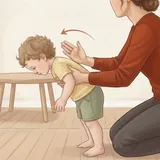
- Seat baby upright and stay within arm's reach during meals. Gagging is common and normal as babies learn; choking is usually silent and needs action.
A low-allergy food, still worth watching
Parsnip is not a common allergen, and reactions are rare. People with birch pollen allergy sometimes get an itchy mouth from raw root vegetables like parsnip and carrot, which cooking usually prevents; watch for hives, swelling or vomiting the first few times.
Parsnips for babies: questions parents ask
Quick answers about parsnips for babies and toddlers.
When can babies have parsnips?
Babies can have parsnips from about 6 months, once they can sit with support and bring food to their mouth. Parsnips must be cooked until very soft, either roasted, steamed or boiled, before serving to a baby.
Can babies have parsnips?
Yes, babies can eat parsnips from around 6 months when the parsnip is peeled and cooked until soft. Start with parsnip mashed smooth on a spoon, then offer soft roasted wedges to hold from about 7–8 months.
Is parsnip a choking hazard for babies?
Parsnip is a high choking risk when raw or firm, like other hard root vegetables. Cooking it very soft and cutting it into finger-length wedges makes it much safer. Avoid round coins and firm pieces, and check that each piece squashes easily between your fingers before serving.
Is parsnip a common allergen?
No, parsnip is not one of the Top 9 common food allergens. Parsnip allergy is uncommon, but as with any new food, watch for hives, swelling, itchy mouth or vomiting the first few times.
How do I serve parsnip to a 6 month old?
To serve parsnip to a 6 month old, peel it, steam or roast it until fully soft, and mash or blend it smooth with a little breast milk, formula or olive oil. Offer it on a spoon or a preloaded spoon that your baby holds. Soft wedges to hold can follow at 7–8 months.
Are roasted parsnips good for baby-led weaning?
Roasted parsnips are excellent for self-feeding from about 7–8 months because the wedges are easy to grip and become soft and sweet in the oven. Roast at about 200C (400F) with a little olive oil until golden and fully tender inside, and skip the salt and honey glaze for babies.
Do I need to peel parsnips for my baby?
Peeling parsnips is a good idea for babies because the skin can be tough and slightly bitter and may hold soil. Peel thinly with a vegetable peeler, then cut out any woody core from large parsnips.
Can parsnips cause constipation or gas in babies?
Parsnips are high in fiber, which usually helps keep a baby's poop soft rather than causing constipation. Some babies get a little extra gas when they first eat more fiber, which is normal; offering water with meals from 6 months helps fiber do its job.
Can I use frozen parsnips for my baby?
Frozen parsnips are fine for babies once cooked until very soft, and they save time on peeling and chopping. Check the bag for added salt, honey glazes or sauces, and choose plain frozen parsnip instead.
How do I store cooked parsnip for my baby?
Cooked parsnip keeps in a sealed container in the fridge for up to 3 days. Mashed parsnip also freezes well in ice cube trays for up to 3 months; thaw in the fridge and reheat until steaming, then cool before serving.
The takeaway
- Babies can have parsnips from about 6 months, as soon as they are ready for solids.
- Peel the parsnip, cut out any woody core, and steam or roast it until very soft.
- Choking risk is high. Not a Top 9 allergen, but offer a small amount first and watch for any reaction.
Read next


Sources
This guide follows current advice from these organizations.
- Starting Solid Foods American Academy of Pediatrics (HealthyChildren.org)
- When, What, and How to Introduce Solid Foods Centers for Disease Control and Prevention
- Choking Hazards Centers for Disease Control and Prevention
- Choking Prevention American Academy of Pediatrics (HealthyChildren.org)
Stamp parsnip in your baby’s passport
Track the first 100 foods and the Top 9 allergens. 7 days free.
More vegetables for babies
Updated November 2026. Reviewed by our dietitians. Based on AAP, CDC and NIAID guidance. Written for healthy, full-term babies; not a substitute for your pediatrician. If your baby was born early, has a medical condition, feeding difficulties or a known allergy, check with them first (medical disclaimer). Always stay with your baby while they eat.