
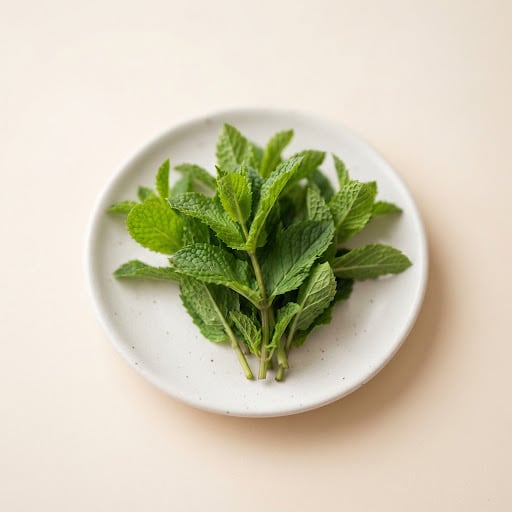
Herbs & spices Food Library
When can babies have mint?
Can babies have mint?
Babies can have fresh mint from about 6 months, finely chopped and mixed into food. Whole mint leaves can stick to the roof of the mouth and cause gagging, so chop them finely for young babies. Peppermint oil, mint candies and mint tea are not for babies.
How to serve mint by age
Shapes and textures change as your baby’s grasp and chewing grow.

6 months
Very finely chop or blend fresh mint and stir a little into smooth foods like plain yogurt, pureed peas, mashed avocado or smooth lentils. Offer it on a spoon, starting with a small amount, since mint has a strong cool flavor.

7–8 months
Stir finely chopped mint into thicker, lumpier foods like fork-mashed peas, avocado, lentils or watermelon mash. It also works in soft meatballs or omelet strips that squash easily, but avoid whole leaves, which can cling to the mouth.

9–12 months
Mix finely chopped mint into couscous, meatballs, omelets or fruit salad for self-feeding. Avoid serving whole leaves, which can cling to the mouth.

12 months +
Toddlers can enjoy mint in family dishes like tabbouleh, yogurt dips, smoothies and salads. Whole leaves are fine once your child chews well, and they can help pick and tear mint.
Why it’s good
Mint is used in small amounts, so it adds flavor and freshness more than nutrition. Fresh mint contains a little vitamin A, vitamin C, folate and some minerals. Fresh herbs like mint help babies learn to enjoy new flavors without salt or sugar.
Safety notes
- Chop mint finely for babies. Whole leaves can stick to the roof of the mouth or the back of the throat and cause gagging.
- Never put peppermint oil or menthol rubs on or near a baby's face, and do not give peppermint oil by mouth. Menthol can cause breathing problems in young babies.
- Do not give mint tea to babies under 12 months, and keep it occasional and weak for toddlers.
- Mint candies, breath mints and gum are choking hazards. Wait until at least age 4 for hard candy and later for gum.
- Wash fresh mint well to remove dirt and insects, especially from the garden.
A low-allergy food, still worth watching
Mint is not a common allergen, and reactions are rare. Watch for rash, swelling or vomiting the first time, and note that mint can occasionally trigger reflux symptoms in some babies.
Mint for babies: questions parents ask
Quick answers about mint for babies and toddlers.
When can babies have mint?
Babies can have mint from about 6 months, finely chopped into food. Mint is a great way to add fresh flavor without salt or sugar.
Can babies have mint leaves?
Yes, babies can eat mint leaves when they are finely chopped and mixed into food. Whole mint leaves can stick in the mouth, so save them for toddlers who chew well.
Is mint a choking hazard for babies?
Mint is a low choking risk when finely chopped and mixed into food. Whole leaves can cling to the mouth and cause gagging, and mint candies and gum are choking hazards.
Is mint a common allergen?
No, mint is not a common allergen and is not one of the Top 9 allergens. Reactions to mint are rare, but watch your baby the first time you offer it.
How do I serve mint to a 6 month old?
To serve mint to a 6 month old, finely chop a few leaves and stir them into plain yogurt, mashed peas or mashed avocado. Offer it on a preloaded spoon or let your baby scoop with their hands.
Can babies have mint tea?
Babies under 12 months should not have mint tea because they only need breast milk or formula plus small sips of water. Mint tea is not needed for babies or toddlers; check with your pediatrician before offering any herbal tea.
Is peppermint oil safe for babies?
No, peppermint oil is not safe for babies. Menthol in peppermint oil can cause breathing problems in young babies, so do not apply it near the face or give it by mouth.
Can mint help with my baby's gas or colic?
There is not enough evidence that mint helps with gas or colic in babies, and peppermint oil can be harmful. Talk to your pediatrician about safe ways to soothe a fussy baby.
Can mint give babies reflux?
Mint can relax the muscle at the top of the stomach and worsen reflux in some people. If your baby seems more spitty or uncomfortable after mint, use less or try again later.
The takeaway
- Babies can have fresh mint from about 6 months, finely chopped and mixed into food.
- Very finely chop or blend fresh mint and stir a little into smooth foods like plain yogurt, pureed peas, mashed avocado or smooth lentils.
- Choking risk is low. Not a Top 9 allergen, but offer a small amount first and watch for any reaction.
Read next



Sources
This guide follows current advice from these organizations.
- Starting Solid Foods American Academy of Pediatrics (HealthyChildren.org)
- When, What, and How to Introduce Solid Foods Centers for Disease Control and Prevention
- Choking Hazards Centers for Disease Control and Prevention
Track every new food in your baby’s passport
Track the first 100 foods and the Top 9 allergens. 7 days free.
More herbs and spices for babies
Updated November 2026. Reviewed by our dietitians. Based on AAP, CDC and NIAID guidance. Written for healthy, full-term babies; not a substitute for your pediatrician. If your baby was born early, has a medical condition, feeding difficulties or a known allergy, check with them first (medical disclaimer). Always stay with your baby while they eat.