
Veggies Food Library
When can babies have hearts of palm?
Can babies have hearts of palm?
Babies can have hearts of palm from about 6 months when they are rinsed well, softened and cut to suit their age. Most hearts of palm come canned or jarred in salty brine, so rinse them thoroughly. The firm, round shape can be a choking risk, so slice them lengthwise or mash them.
How to serve hearts of palm by age
Shapes and textures change as your baby’s grasp and chewing grow.

6 months
Rinse canned or jarred hearts of palm well, peel off any stringy outer layer, and simmer them until very soft. Blend them smooth with a little cooking water or mash them into avocado or bean puree, then offer it on a spoon.

7–8 months
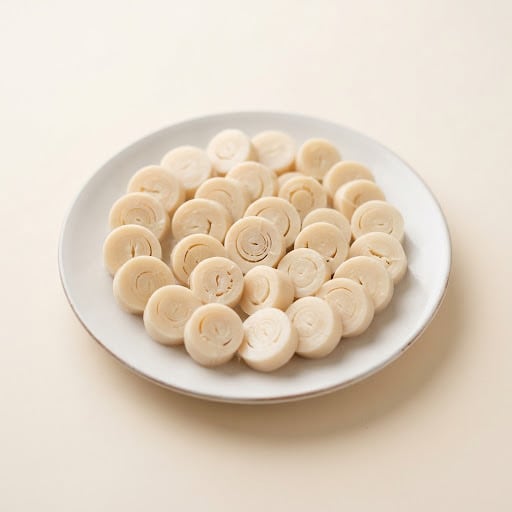
Mash softened hearts of palm with a fork for a lumpier texture, or slice each simmered stalk lengthwise into long quarters about the size of an adult finger for your baby to hold. Never cut them into round coins.

9–12 months
Offer softened hearts of palm in small, thin pieces about the size of a chickpea, or chop them into rice, salads made with soft foods, or eggs.

12 months +
Toddlers can have hearts of palm in salads, wraps and pasta, sliced into thin strips. Avoid round coin shapes until your child chews well.
Why it’s good
Hearts of palm give babies fiber, potassium, manganese, zinc and some vitamin C, with a mild flavor and tender bite. They are low in calories, so pair them with fats and proteins like avocado, eggs or beans.
Safety notes
- Canned and jarred hearts of palm are packed in salty brine. Drain and rinse them well, or look for low-sodium versions.
- Round coins of hearts of palm can block a small airway. Slice stalks lengthwise into strips, or mash them.
- The outer layers can be fibrous. Simmer them to soften and peel off any stringy outer layer for young babies.
- Hearts of palm pasta and rice are fine for older children but are low in calories, so do not use them in place of regular grains for babies.
- Refrigerate opened hearts of palm in a sealed container with fresh water and use them within a few days.
A low-allergy food, still worth watching
Hearts of palm are not a common allergen, and reactions are rare. Offer a small amount the first time and watch for rash, hives, vomiting or swelling.
Hearts of palm for babies: questions parents ask
Quick answers about hearts of palm for babies and toddlers.
When can babies have hearts of palm?
Babies can have hearts of palm from about 6 months, as soon as they start solids. Hearts of palm should be rinsed, softened and blended or mashed at first, then sliced lengthwise into soft strips from about 7–8 months.
Can babies have hearts of palm?
Yes, babies can eat hearts of palm when they are rinsed to remove salty brine and prepared to suit their age. Hearts of palm have a mild flavor that many babies enjoy.
Are hearts of palm a choking hazard for babies?
Hearts of palm can be a choking hazard when they are cut into round coins, which can block the airway. Slice hearts of palm lengthwise into strips or mash them for babies.
Are hearts of palm a common allergen?
No, hearts of palm are not a common allergen. As with any new food, introduce hearts of palm in a small amount and watch for a reaction.
How do I serve hearts of palm to a 6 month old?
To serve hearts of palm to a 6 month old, rinse them well, simmer until very soft, and blend or mash them into avocado or bean puree. Offer it on a spoon. Long, soft lengthwise strips to hold can follow at 7–8 months.
Are canned hearts of palm high in sodium?
Yes, canned hearts of palm are often high in sodium from the brine. Rinsing hearts of palm under running water removes some of the salt, and low-sodium versions are also available.
Can babies have hearts of palm pasta?
Hearts of palm pasta is safe for older babies if it is soft and cut small, but it is very low in calories and carbohydrates. Regular pasta or rice is a better staple for growing babies.
Are hearts of palm good for constipation?
Hearts of palm contain fiber, which can help keep stools soft. Offer hearts of palm with water and other fruits and vegetables as part of a balanced diet.
The takeaway
- Babies can have hearts of palm from about 6 months when they are rinsed well, softened and cut to suit their age.
- Rinse canned or jarred hearts of palm well, peel off any stringy outer layer, and simmer them until very soft.
- Choking risk is medium. Not a Top 9 allergen, but offer a small amount first and watch for any reaction.
Read next



Sources
This guide follows current advice from these organizations.
- Starting Solid Foods American Academy of Pediatrics (HealthyChildren.org)
- When, What, and How to Introduce Solid Foods Centers for Disease Control and Prevention
- Choking Hazards Centers for Disease Control and Prevention
- Choking Prevention American Academy of Pediatrics (HealthyChildren.org)
Track every new food in your baby’s passport
Track the first 100 foods and the Top 9 allergens. 7 days free.
More vegetables for babies
Updated November 2026. Reviewed by our dietitians. Based on AAP, CDC and NIAID guidance. Written for healthy, full-term babies; not a substitute for your pediatrician. If your baby was born early, has a medical condition, feeding difficulties or a known allergy, check with them first (medical disclaimer). Always stay with your baby while they eat.